
Industry articles.
75 ARTICLES · NEWEST FIRST
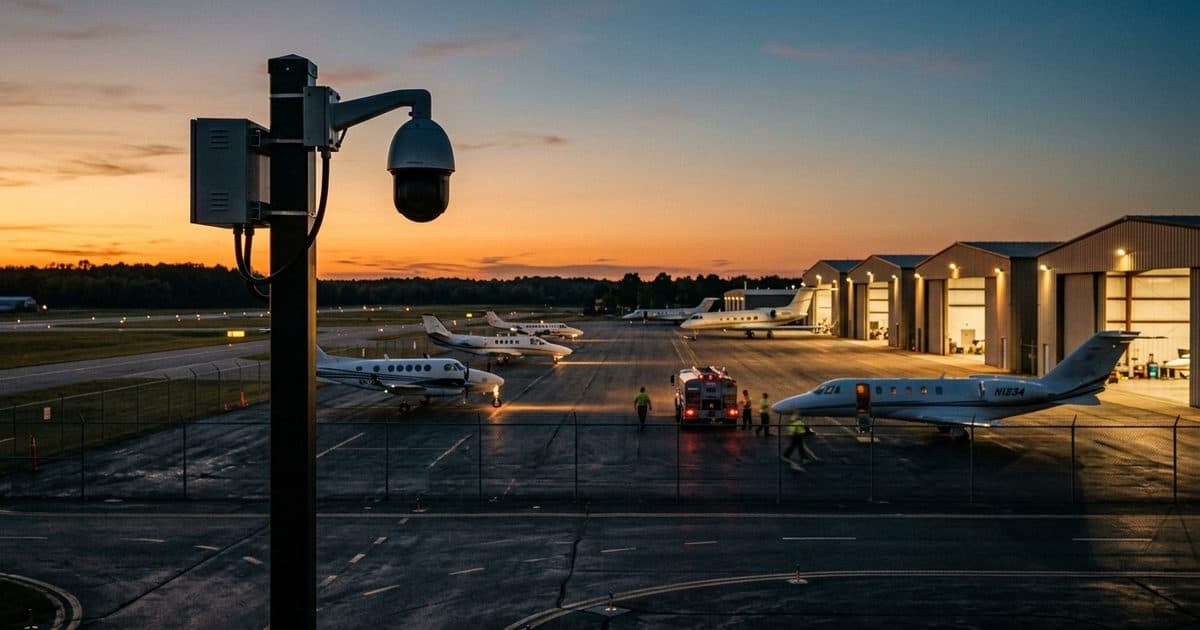
Airport Cargo and Ground Equipment Yard Security: A General Guide
Ground support equipment yards and cargo areas sit near busy airfields yet are often quiet at night. This guide explains general security practices and what to confirm with your airport and counsel.
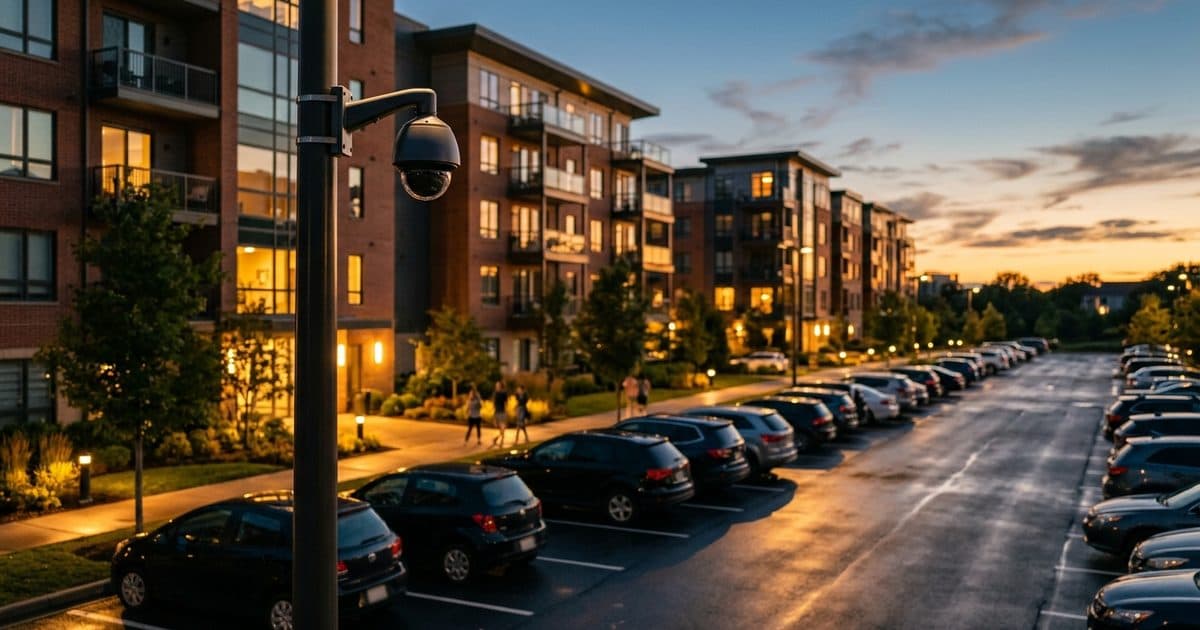
Apartment Package Theft Prevention: Package Rooms, Mailboxes and Cameras
Package theft frustrates residents and creates headaches for property managers. This guide covers how to design package areas, place cameras and set policies that reduce losses.
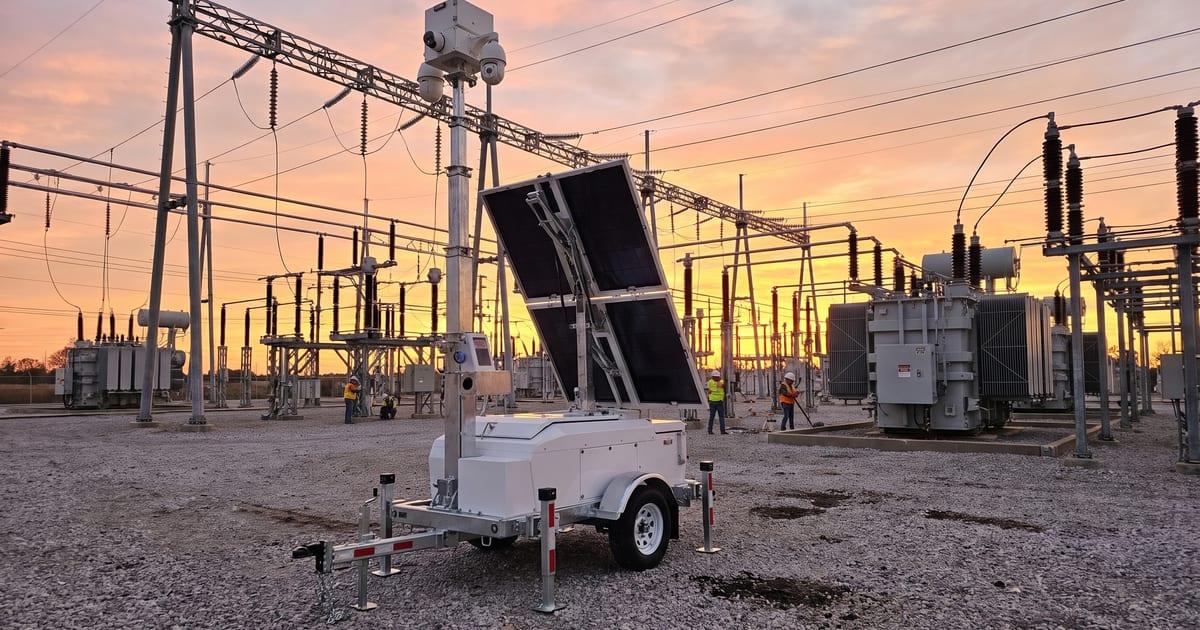
Battery Energy Storage Site Security: A Practical Guide
Battery storage sites are remote, unstaffed and full of valuable equipment. This guide covers what to protect, how to watch it, and how to handle fire concerns in general terms.
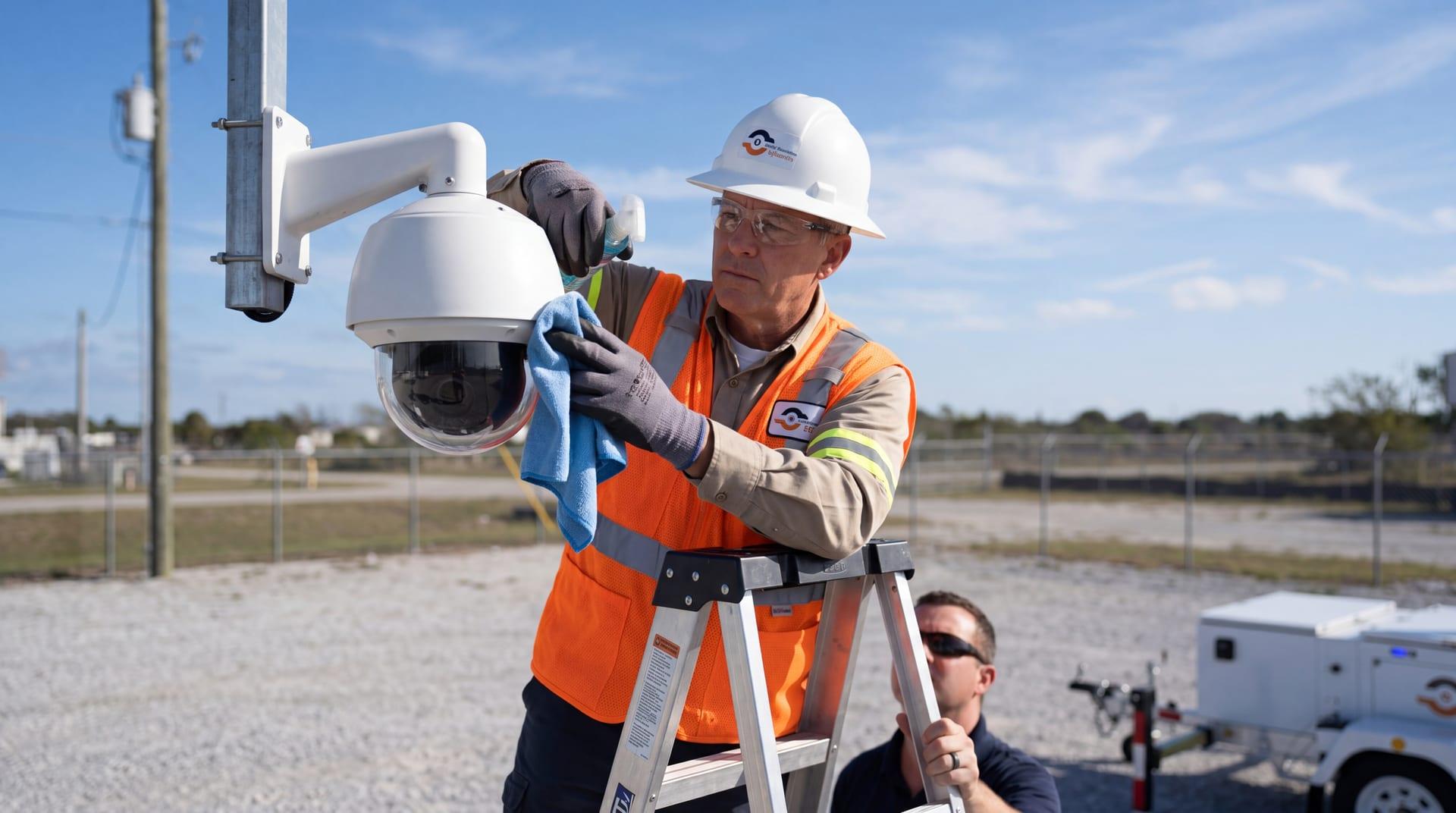
Bullet vs Dome vs Turret Security Cameras: Which Style Fits Where
Bullet, dome and turret cameras can use the same sensor and still behave very differently in the field. This guide compares the three body styles and where each one belongs.
Camera Tamper Detection: What It Catches and How to Respond
A camera that has been covered, turned or blinded is worse than no camera, because people assume it is still watching. Tamper detection exists to close that gap.
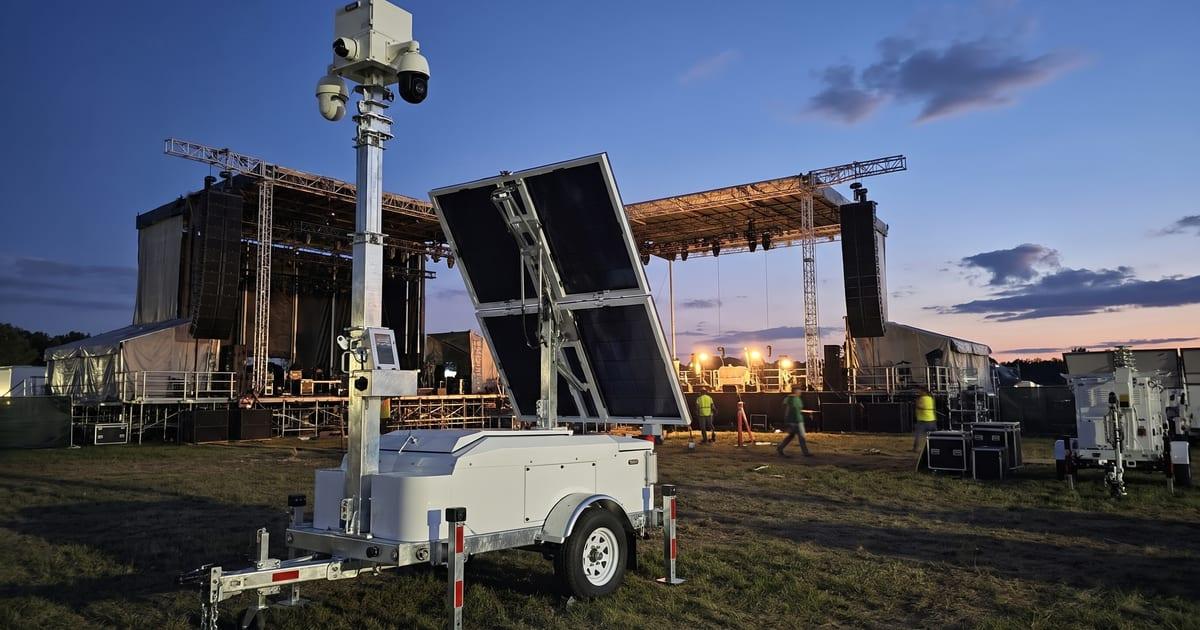
Carnival and County Fair Security: Midways, Equipment and Crowds
Fairs and carnivals combine heavy crowds by day with expensive rides and equipment left overnight. This guide covers the midway, back lots, parking and temporary monitored coverage.
Cellular Data Usage for Security Cameras: What Drives It and How to Plan
Video is one of the heaviest things you can send over a cellular plan. Knowing what drives the volume lets you design a plan that holds up without surprises.
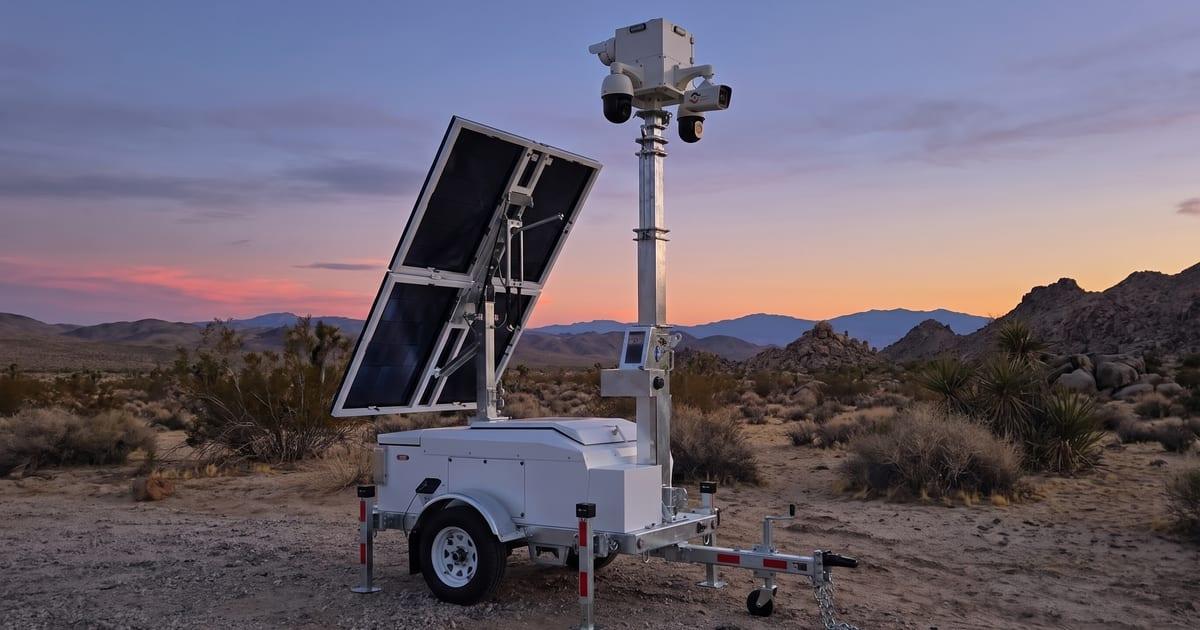
Cellular Security Cameras: How 4G and 5G Cameras Work
A cellular security camera sends video over a mobile data network instead of a wired or Wi-Fi connection. This guide covers the modem, SIM and carrier choices, what drives data use, how signal and antennas matter, and what happens when the link drops.
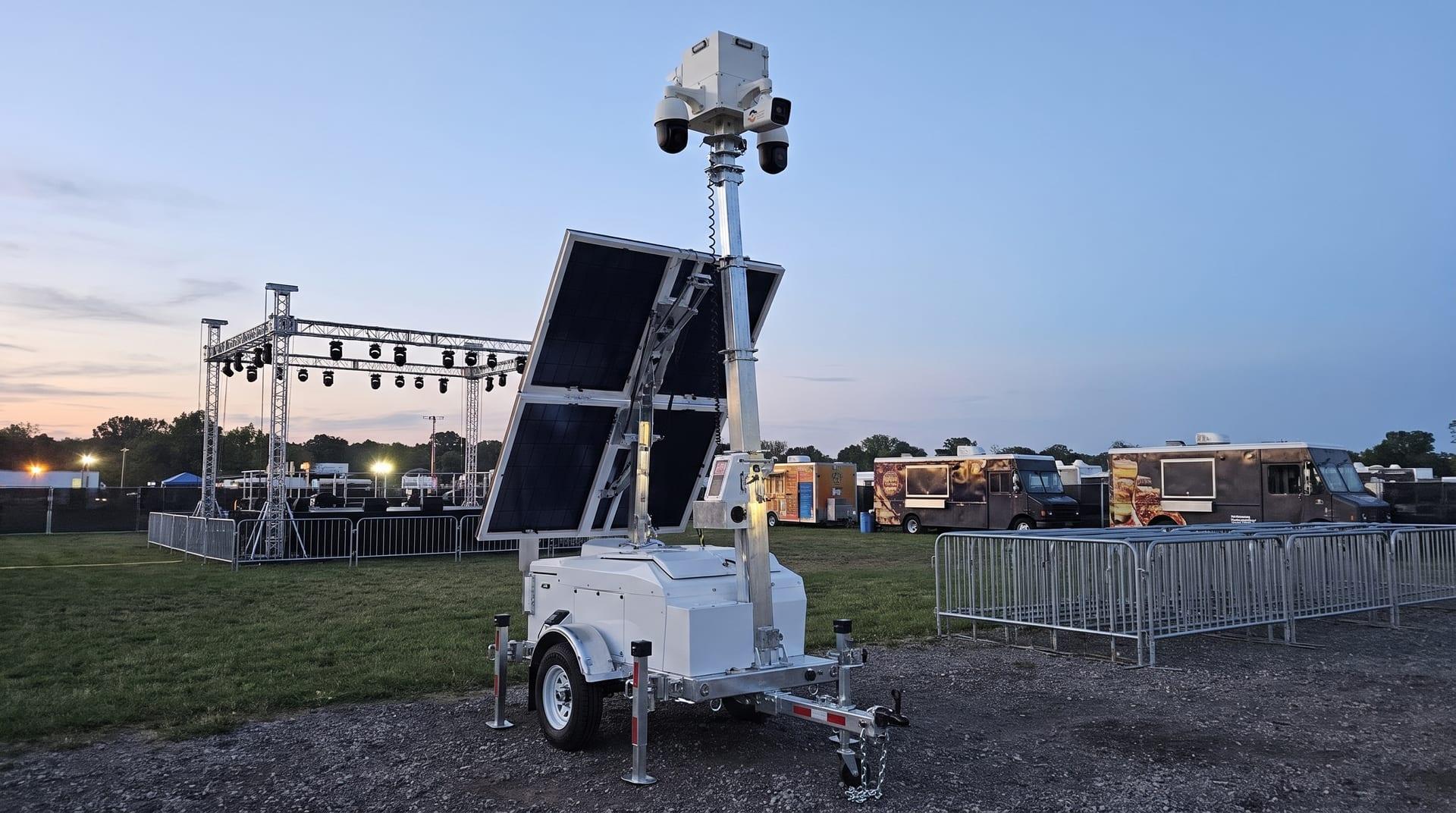
Christmas Tree Lot and Seasonal Sales Security: Cameras Without Power
Tree lots, pumpkin patches and fireworks stands run on short seasons and empty ground. This guide explains how to protect cash, inventory and staff when there is no power or permanent structure.
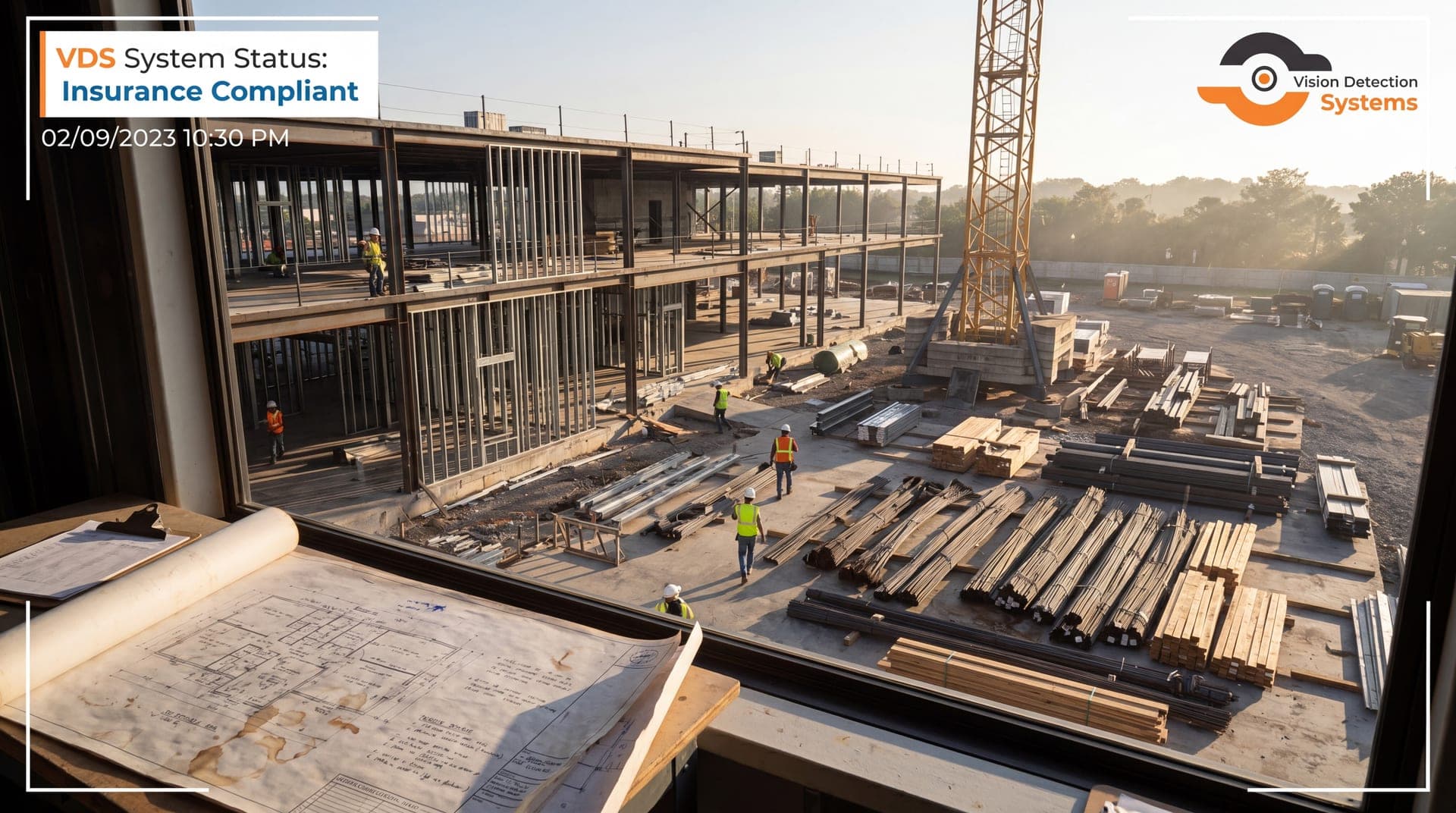
Commercial Property Insurance Camera Requirements
Insurers do not share one camera standard, and the questions they ask change by property type and loss history. This guide covers what underwriters commonly want to know and how to keep clean records of your answers.
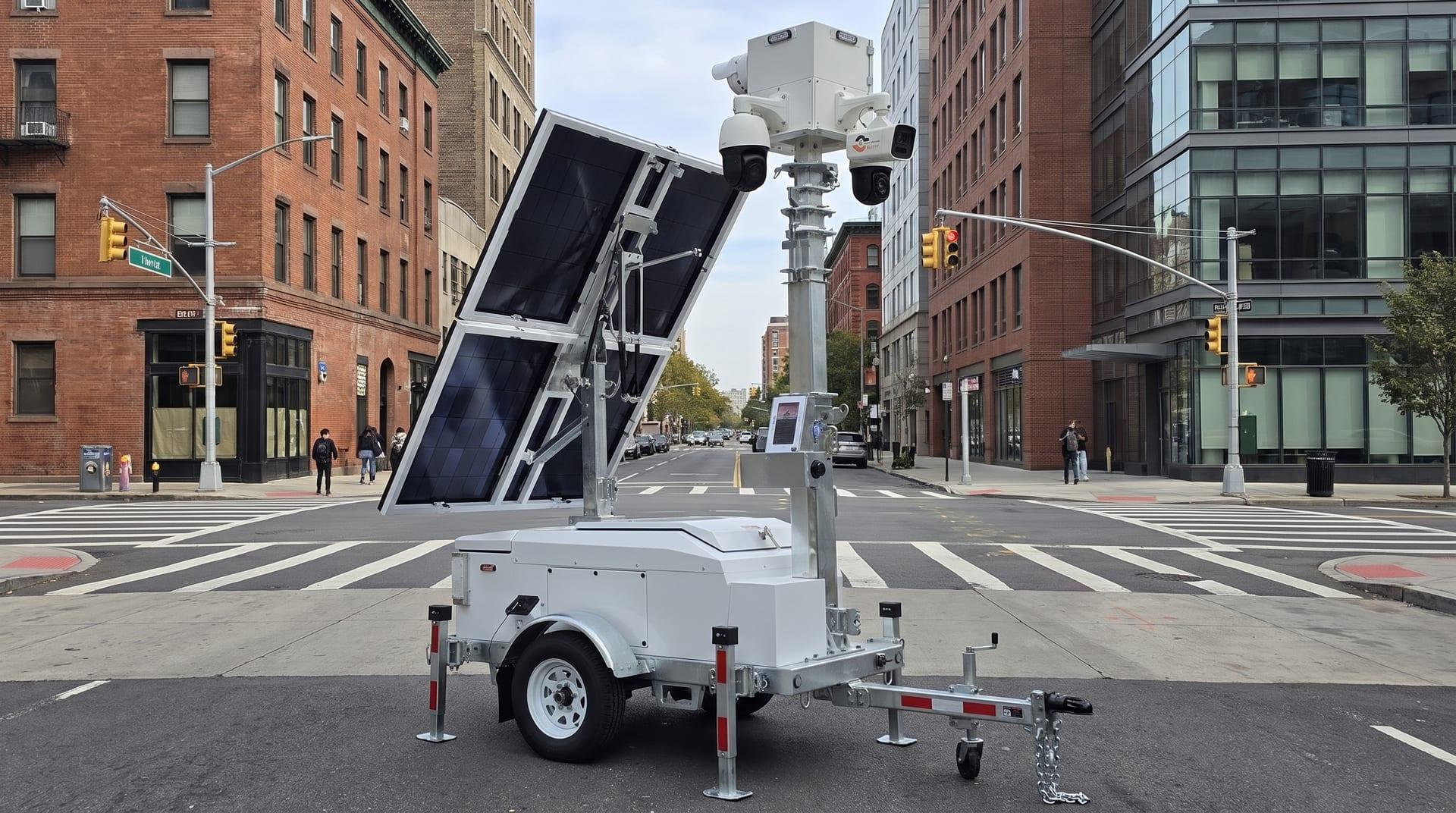
Community Event and Parade Security for Public Safety Teams
Parades, festivals and town events pull large crowds into streets and parks with little fixed infrastructure. This guide covers route planning, temporary coverage and coordination with public safety teams.
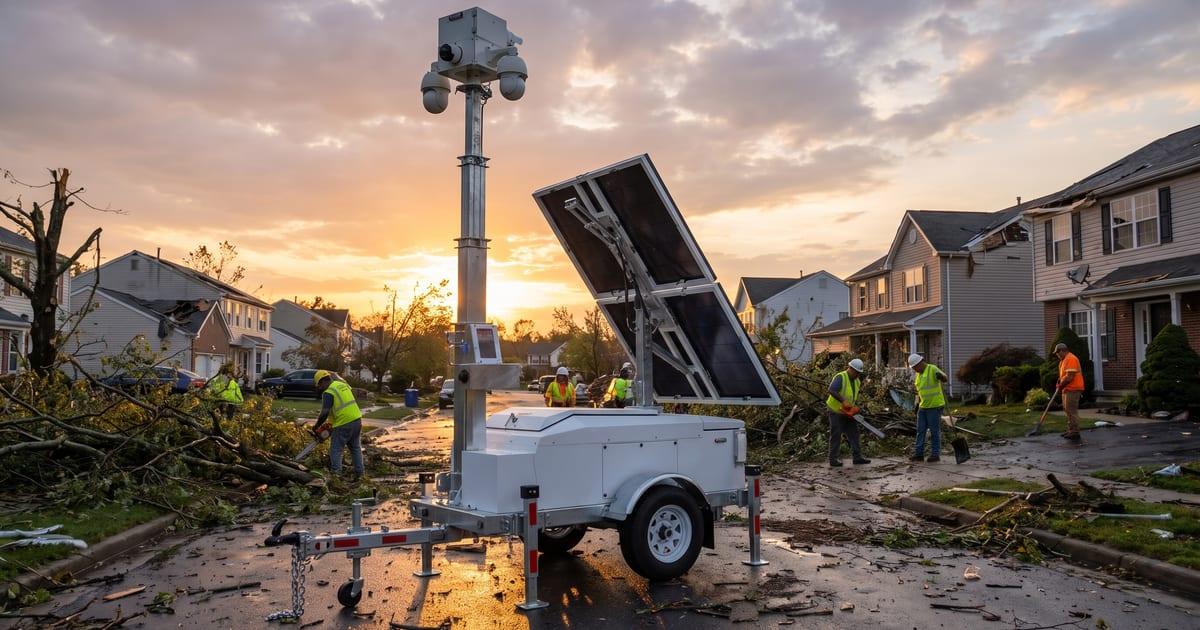
Dam and Levee Site Security for Remote Public Infrastructure
Dams and levees are long, open and public, which makes a fence-and-gate model a poor fit. This guide focuses on the access road, the crest and the places where people actually cross the line.
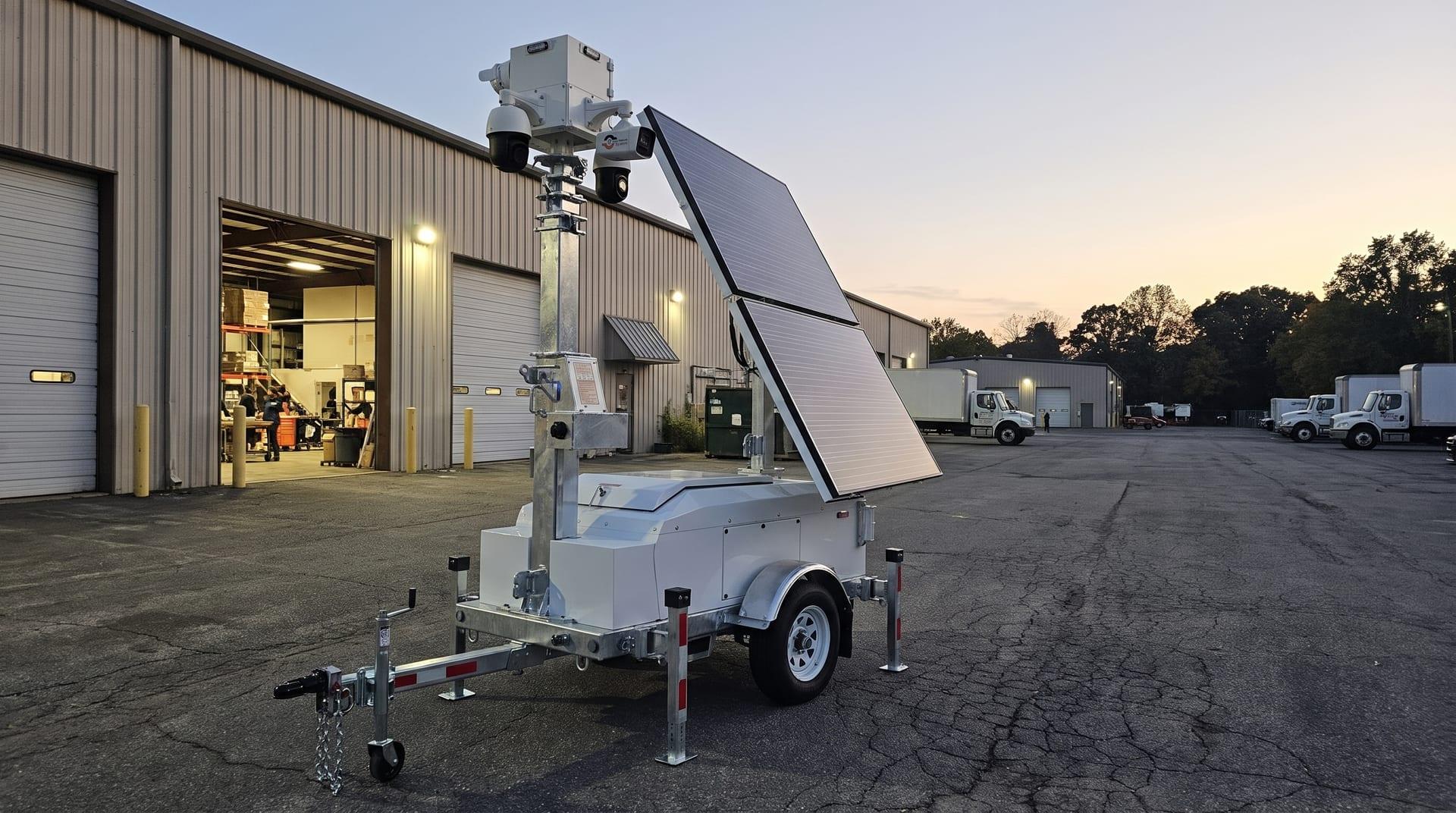
Data Center Perimeter Security: Campus, Vehicles and Verification
A data center campus is judged by how early it notices a problem and how quickly it can prove what happened. This guide covers the campus edge, vehicle access and the verification step in between.
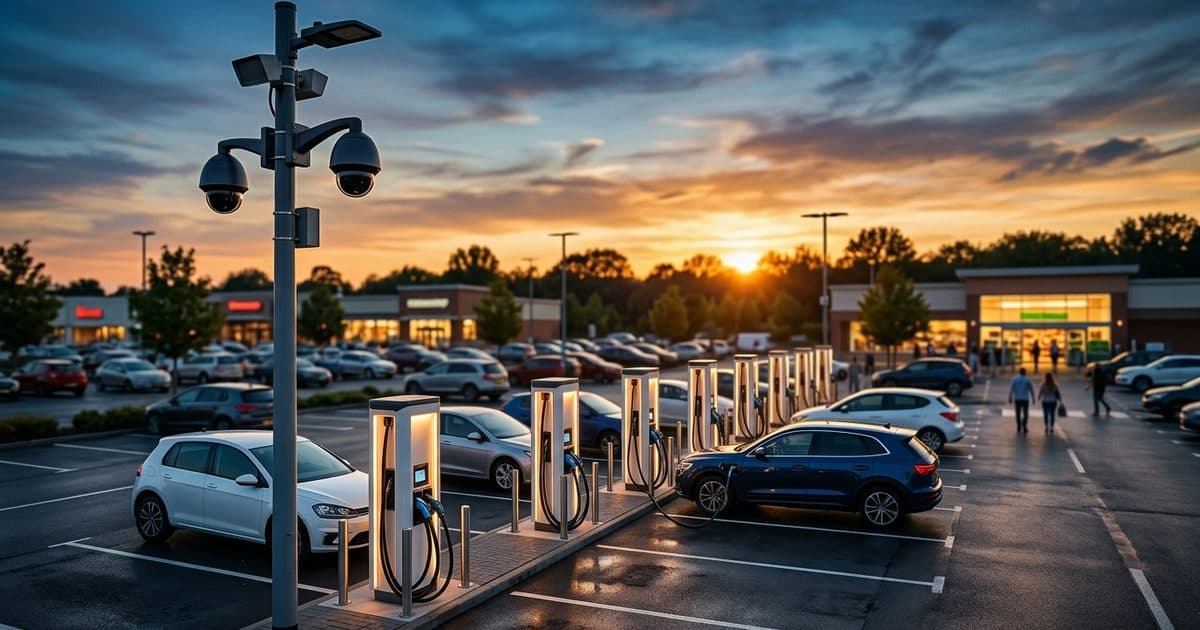
Fleet and EV Depot Security: Protecting Vehicles, Chargers, Fuel and Parts
Depots hold expensive vehicles, charging equipment, fuel and parts in one place, often overnight and with few people on site. This guide explains how to cover them without relying on guesswork.
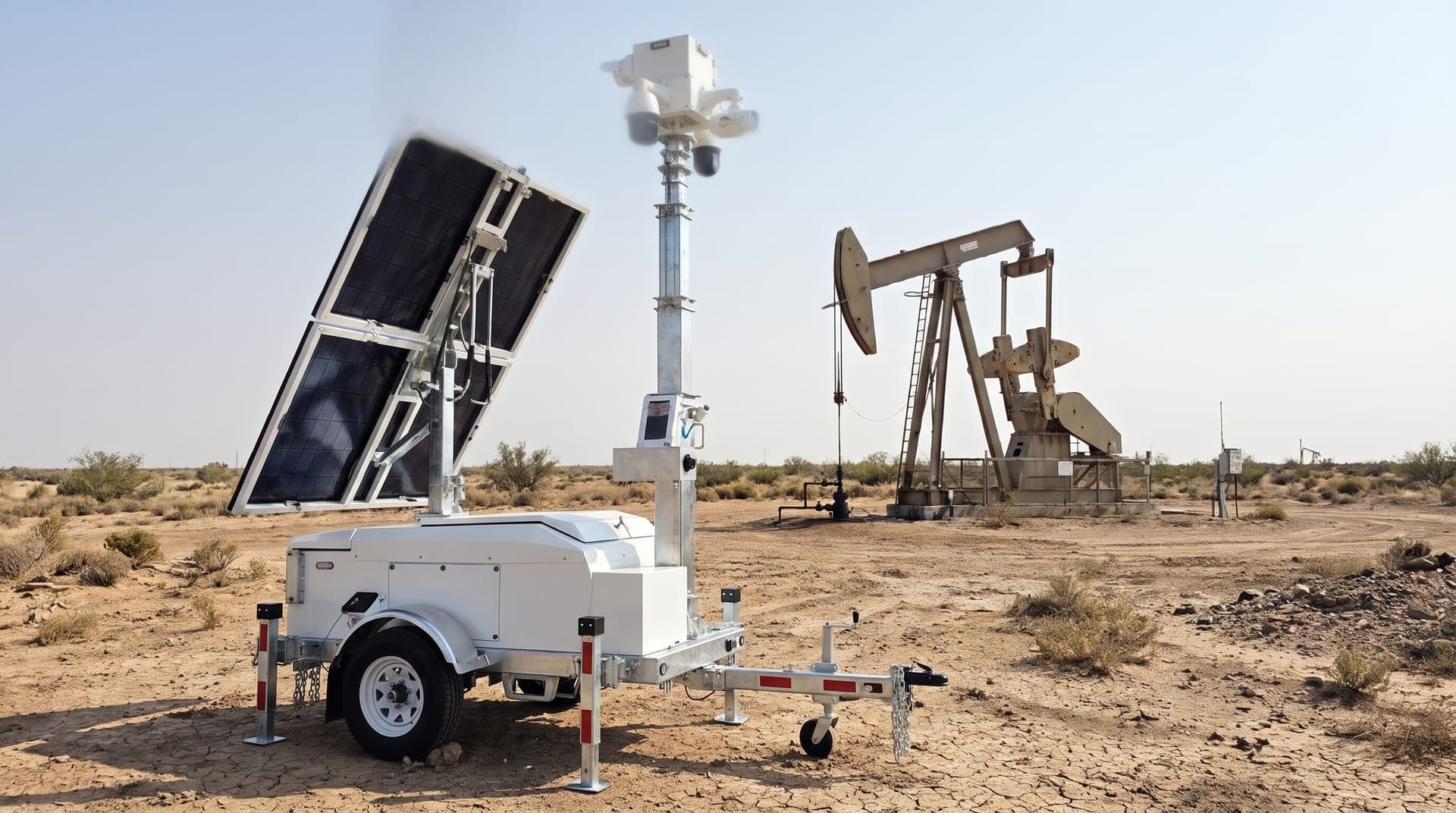
Fuel Terminal and Tank Farm Security: Tanks, Racks and Theft
Fuel facilities combine valuable product with fire and spill consequences. Security here has to account for theft, tampering and the added cost of getting something wrong.
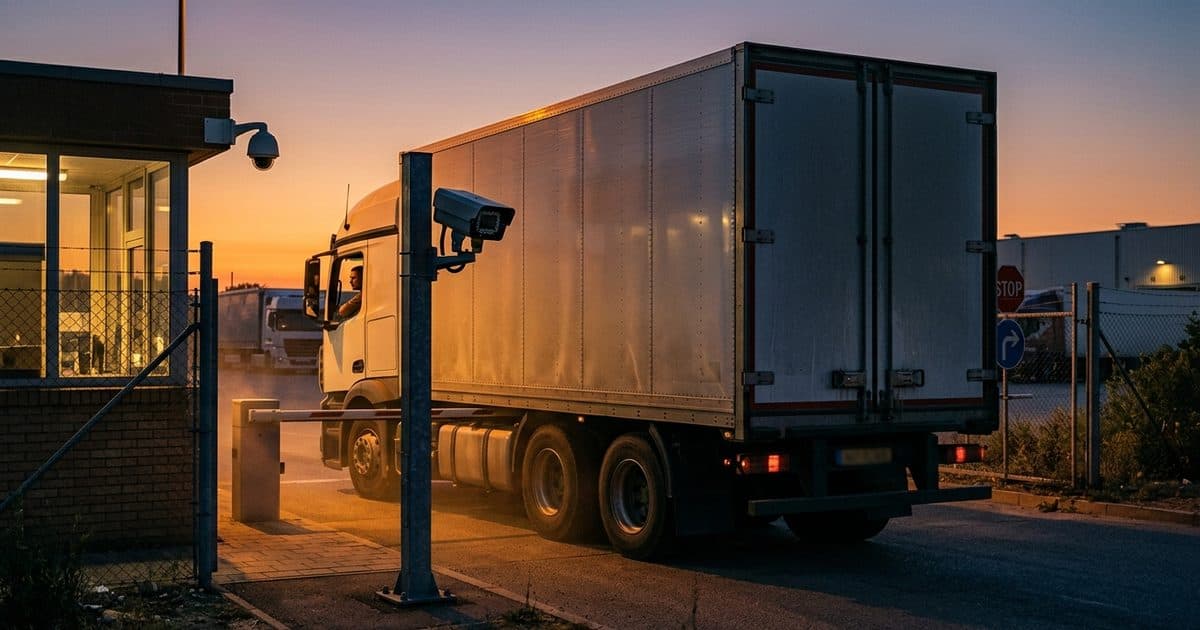
Gate Access Control for Remote Sites
Remote gates often have no power, no network and no one on site. This guide compares keypads, plate-based entry and logs, and explains what to check before you choose.
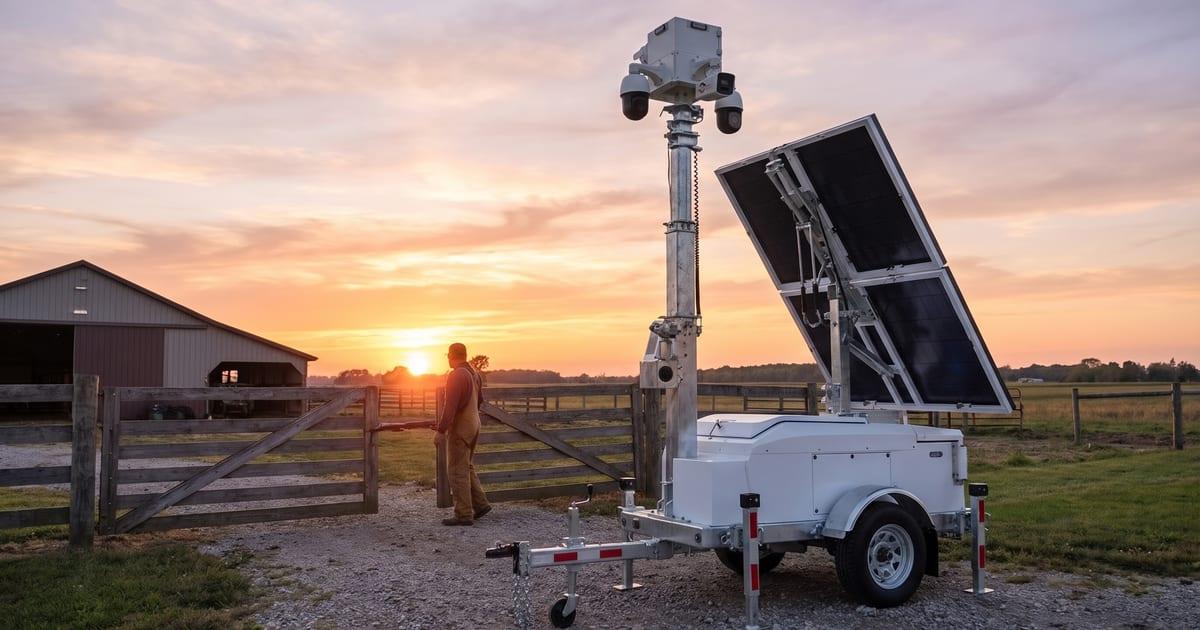
Grain Bin and Agricultural Site Security
Farms spread valuable grain, fuel, chemicals and irrigation gear across wide, unlit land. Solar-powered cameras with live monitoring cover the places that have no power or internet.
H.264 vs H.265 Video Compression for Security
A video codec shrinks camera footage so it fits on drives and travels over networks. H.265 generally needs less bandwidth and storage than H.264, with some compatibility and processing tradeoffs.
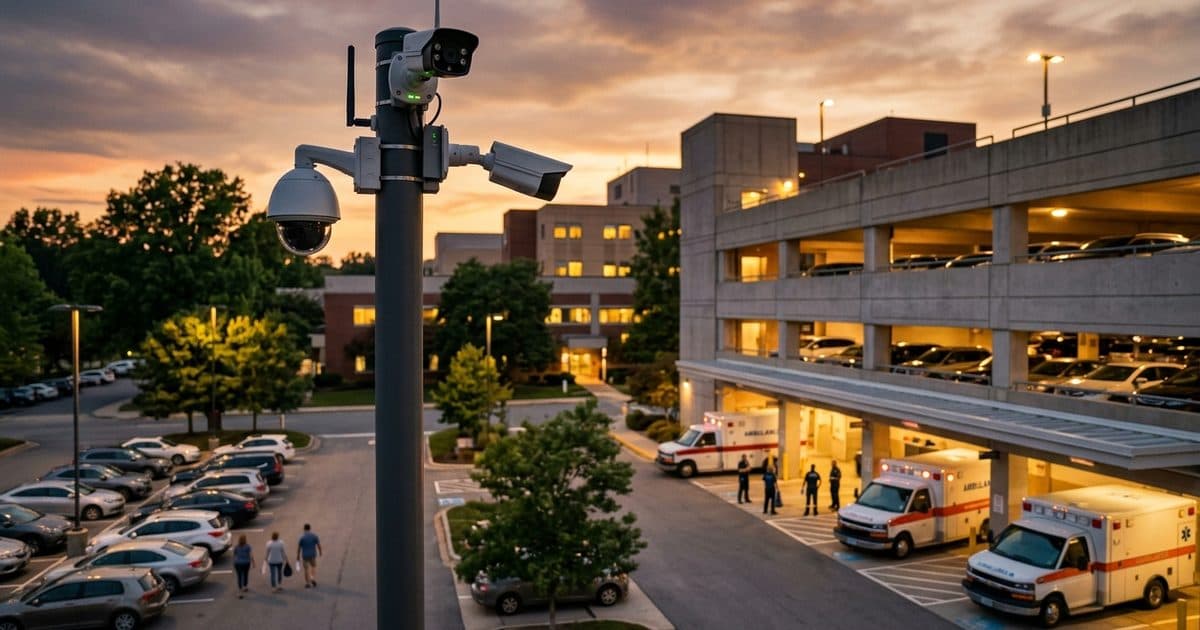
Healthcare Facility Security Cameras Guide
Hospitals and clinics need cameras where staff and visitors are most exposed, and they need to respect patient privacy while doing it. This guide covers parking lots, emergency entrances and the privacy questions to settle first.
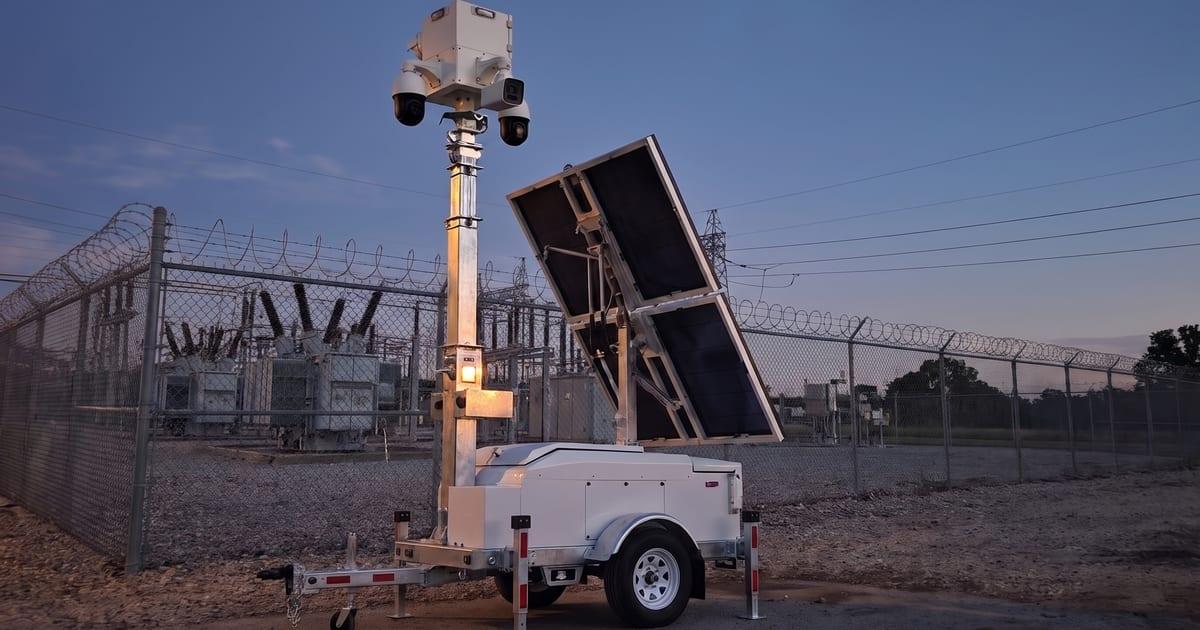
How High Should Security Cameras Be Mounted?
Mount a camera higher and it sees more and is harder to reach, but it shows less facial detail. This guide explains the trade-off, how to choose a height for entrances and open areas, and how angle, poles and lighting change the answer.
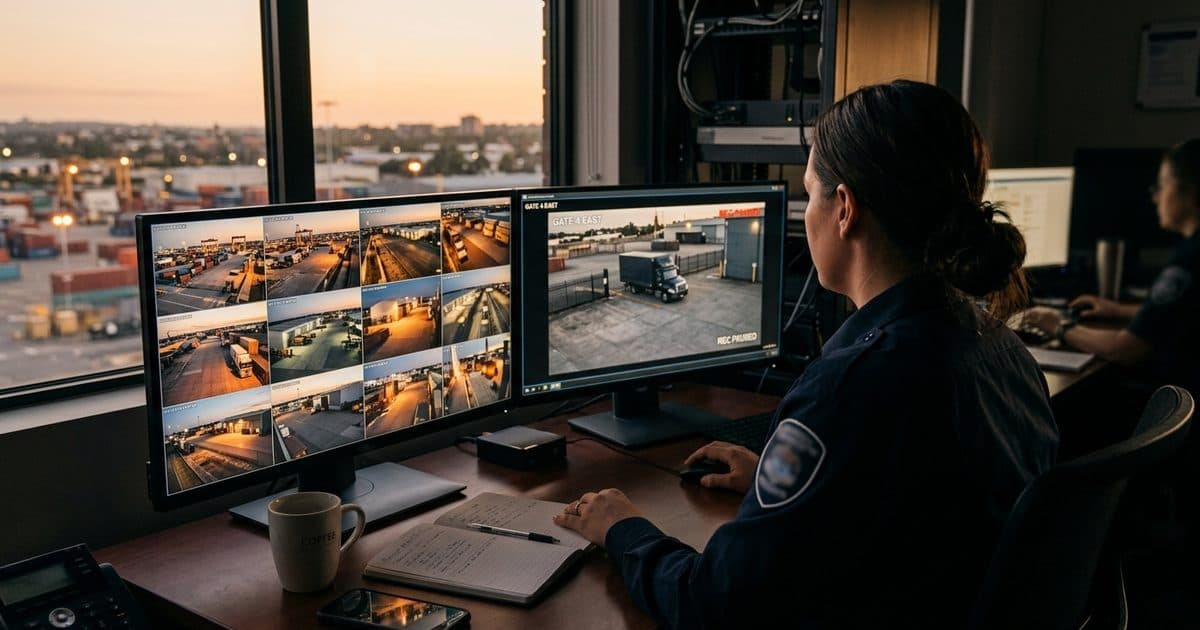
How to Share Security Footage With Police
Footage is most useful to investigators when it is preserved quickly, exported cleanly and documented. This guide covers the basics, with a reminder that rules vary and counsel should confirm your approach.
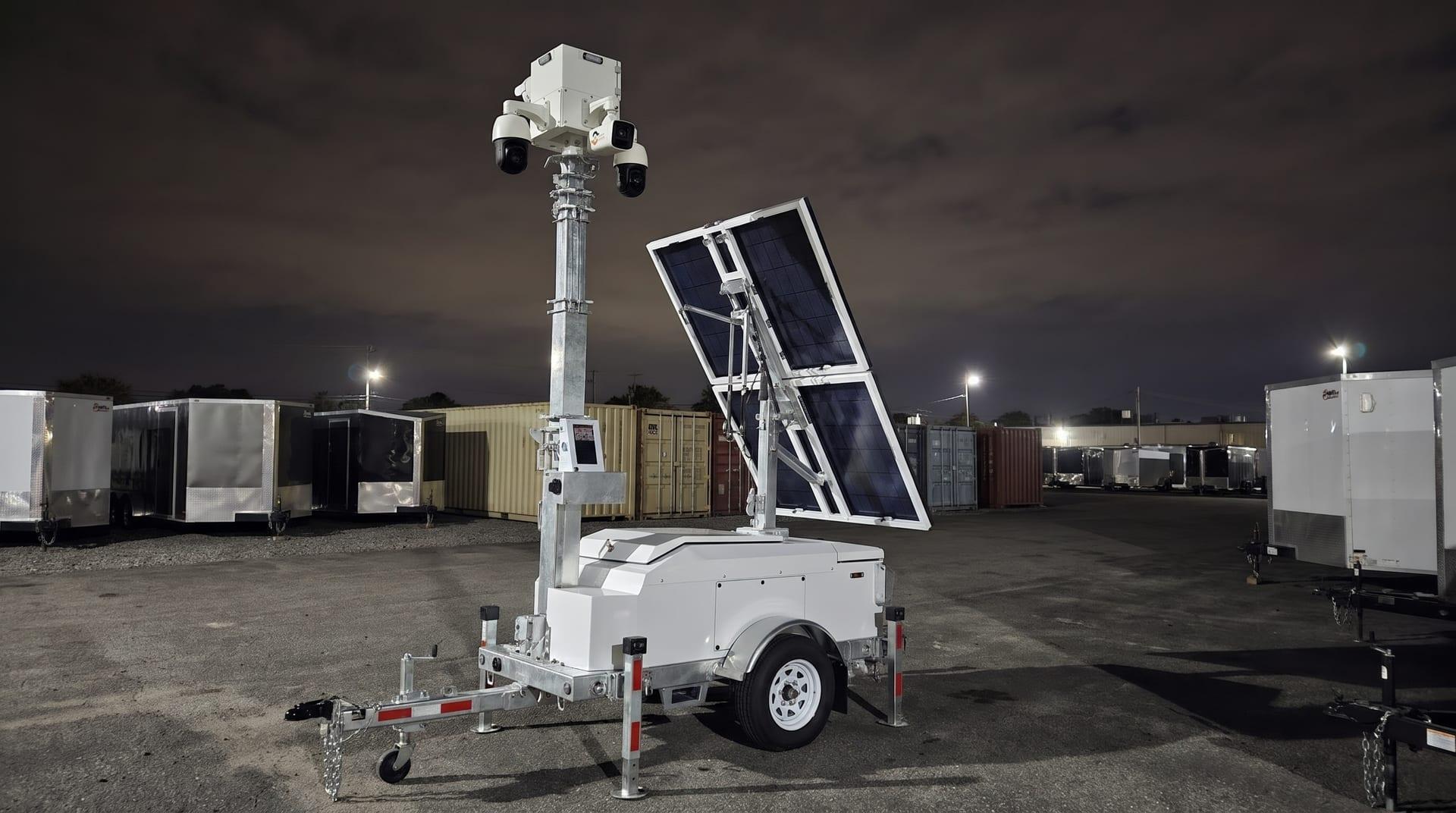
Impound Lot Security: Cameras, Gate Logs and Damage Claims
A tow yard holds other people's vehicles, which makes every scratch, missing part and disputed release a potential claim. Good records and monitored cameras turn those disputes into questions you can answer.
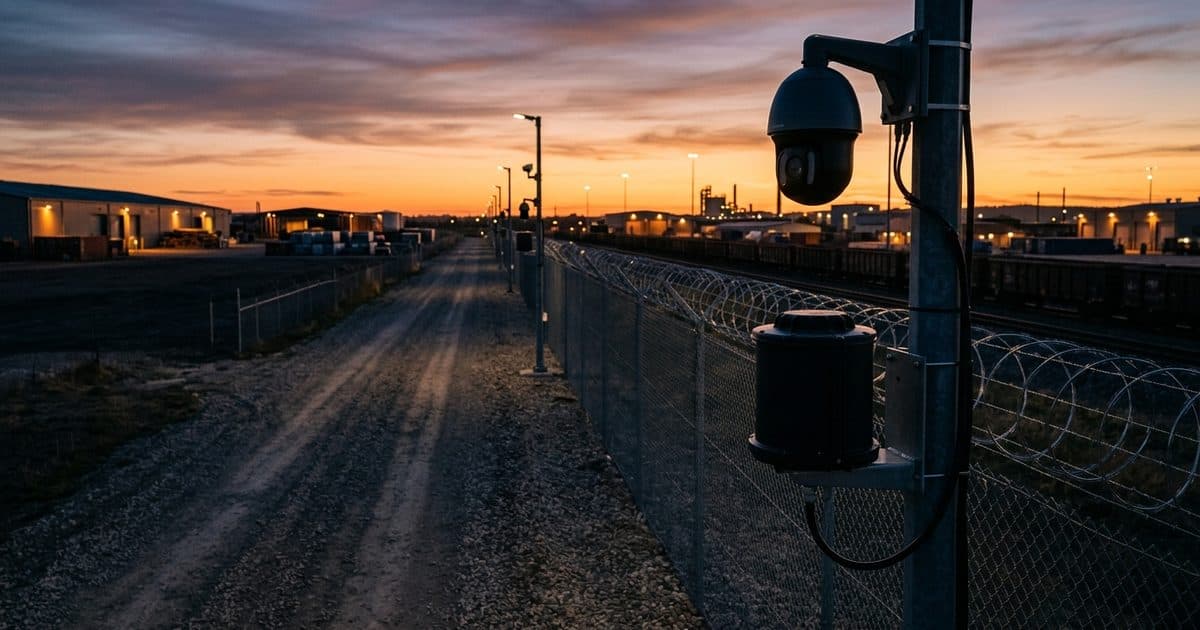
Industrial Facility Perimeter Security: Layers, Detection and Response
Industrial sites have long fence lines, large yards and many ways in. This guide explains how to layer physical barriers, detection and monitoring so the boundary actually gets watched.
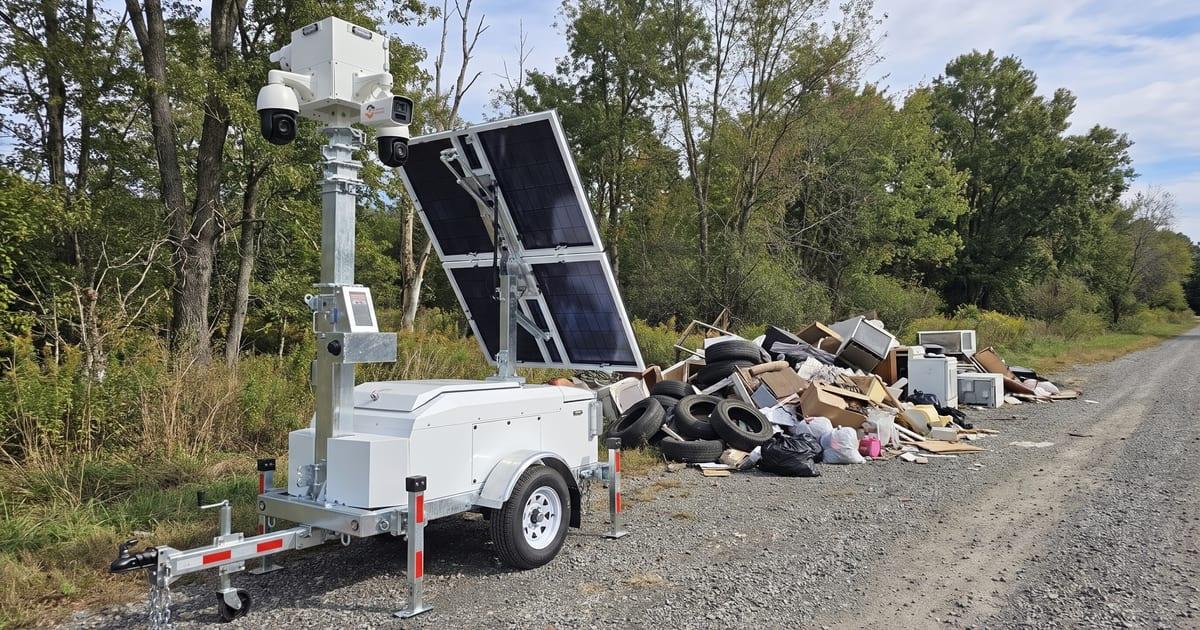
Landfill and Transfer Station Security: Dumping, Scavenging, Fires and Equipment Theft
Landfills and transfer stations are large, open and quiet after closing. This guide covers the common problems and how to cover a site without relying on constant patrols.
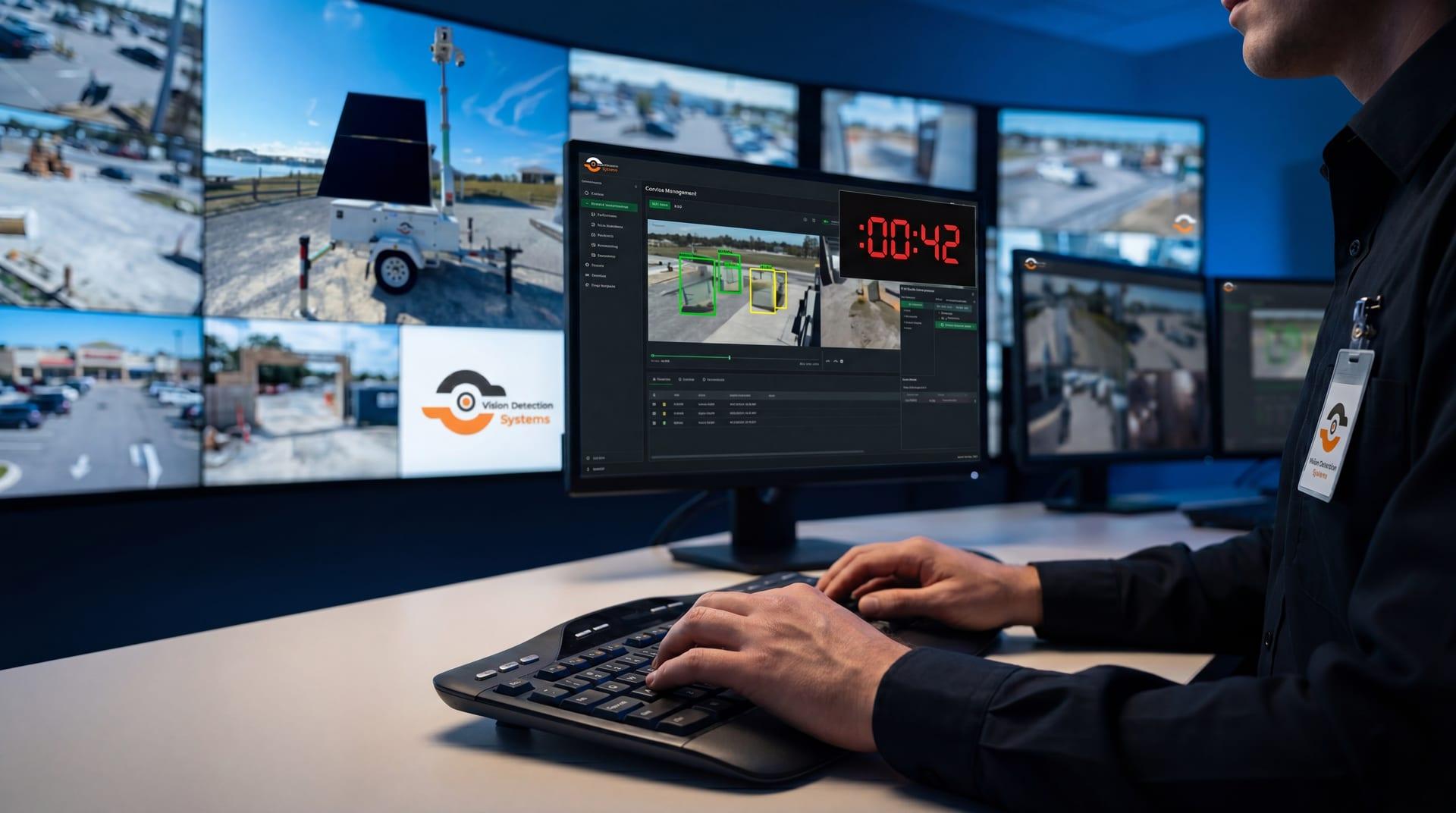
Talk-Down Speakers and Audio Deterrence for Security Cameras
A speaker on a camera lets someone address a person on your property in real time. This guide covers live voice versus recorded messages, where each fits, and what to check before you use audio.
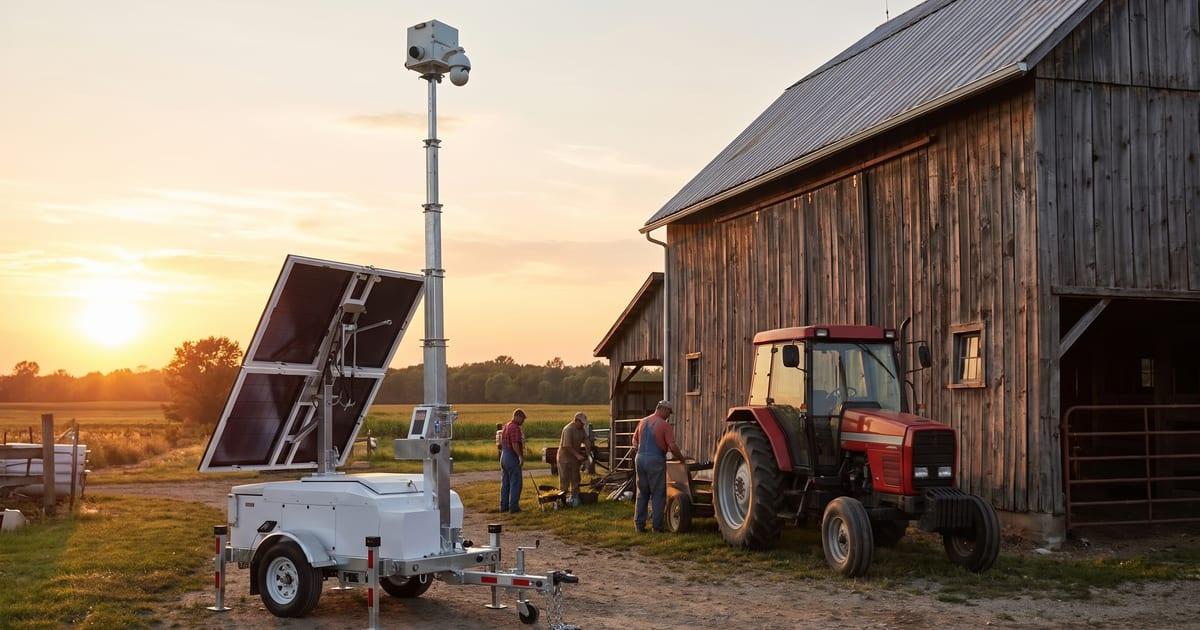
Livestock and Cattle Theft Prevention for Remote Ranches
Cattle and livestock theft often happens at gates, loading areas and far pastures where nobody is watching. This guide covers practical layers that work without power or internet.
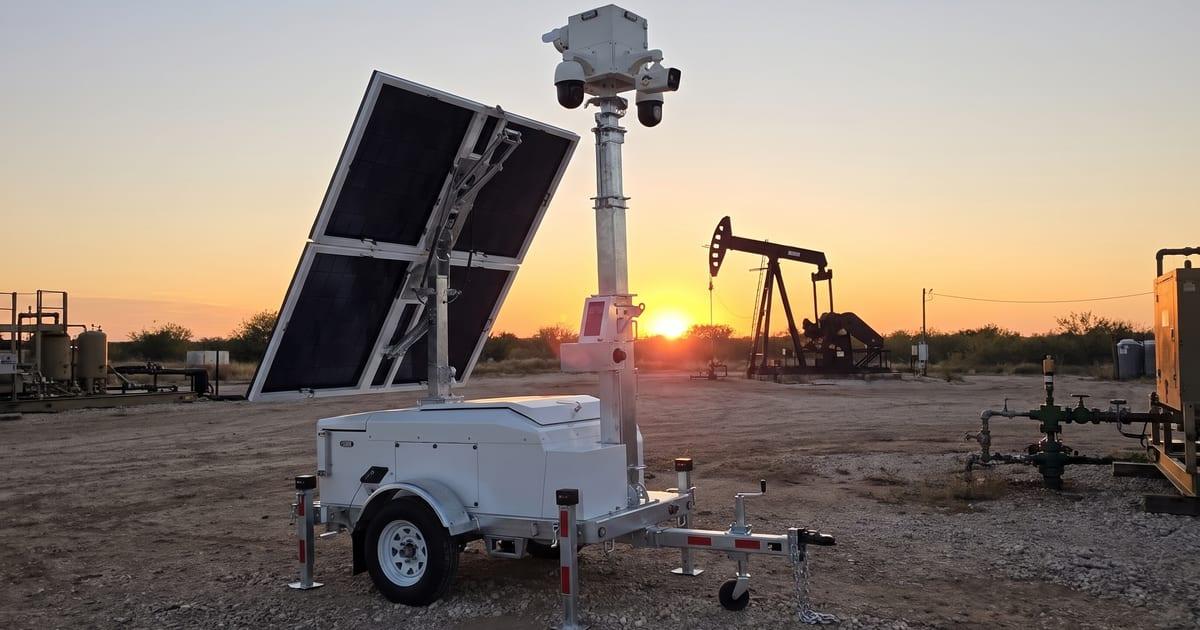
Lone Worker Safety at Remote Sites
Remote sites put people far from help, often with no cell coverage at the work area and no one nearby who would notice a problem. Cameras and live audio can add a second set of eyes, but they work best on top of a written check-in plan.
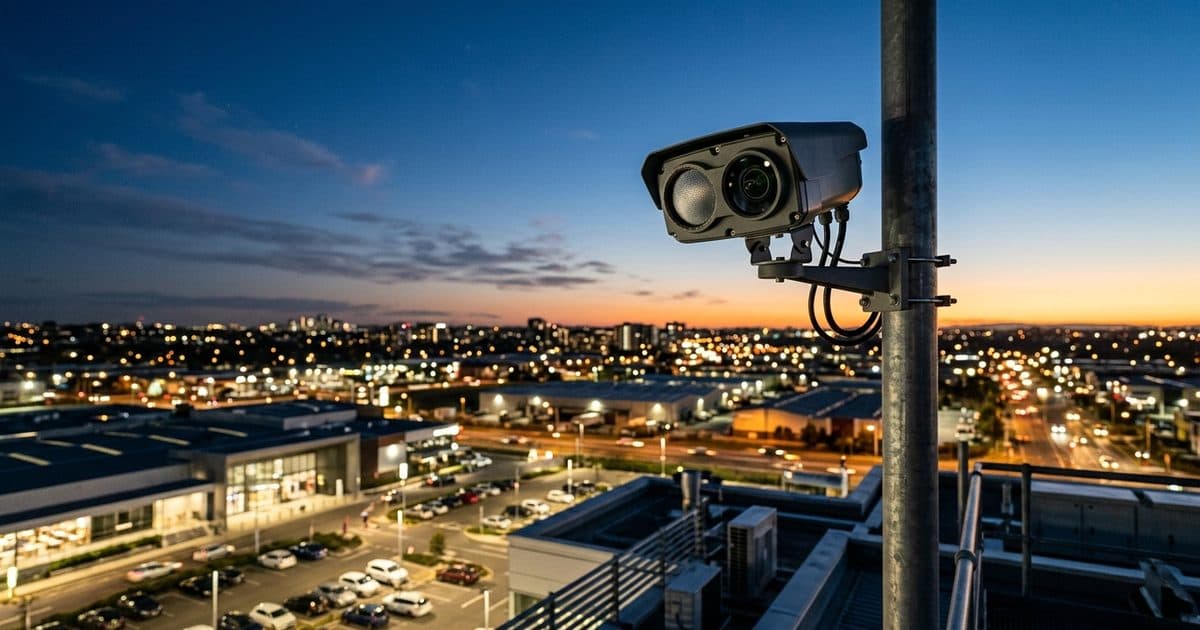
Low-Light Security Cameras Explained
Good night footage comes from three things working together, a sensitive sensor, infrared illumination and real lighting. Each has limits that the others cover.
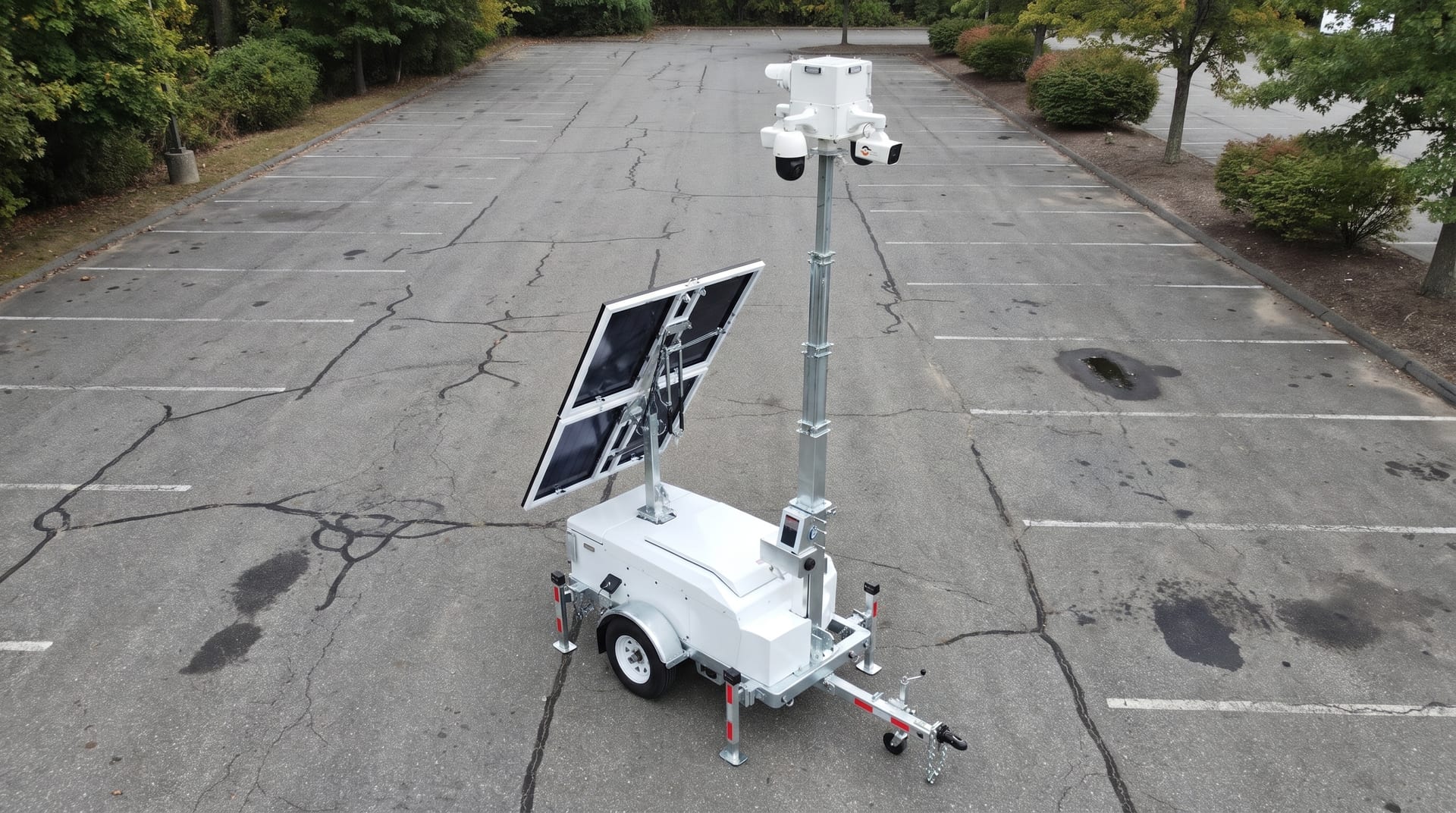
Lumber Yard and Building Materials Security
Open yards full of lumber, pipe, roofing and fixtures are easy to enter after closing. Monitored cameras help you stop materials theft, watch for fire and control who gets in.
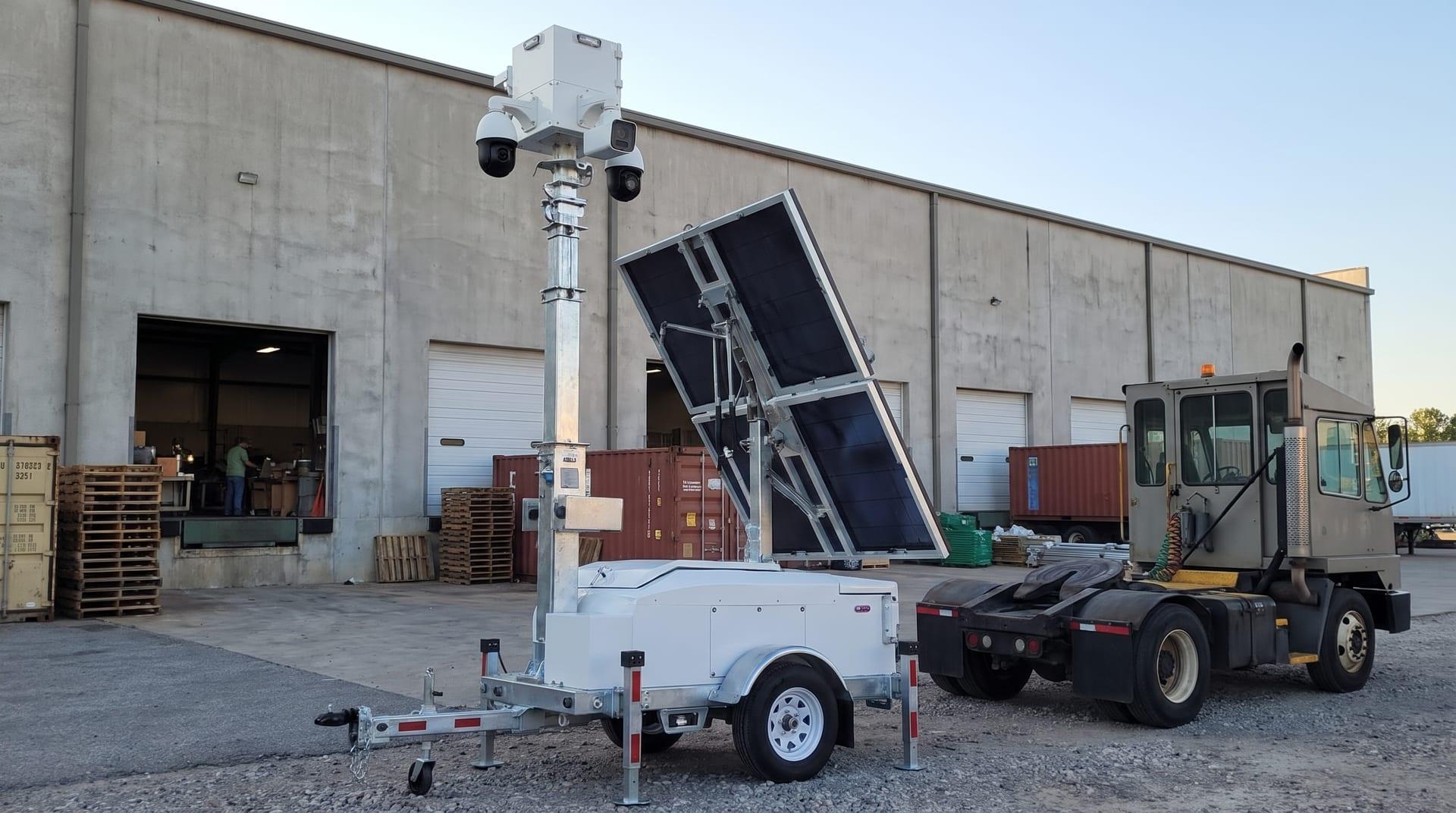
Manufacturing Plant Perimeter Security Guide
A plant perimeter has long fence lines, busy docks and a daily window when the whole workforce is coming and going. This guide walks through each zone and what to cover first.
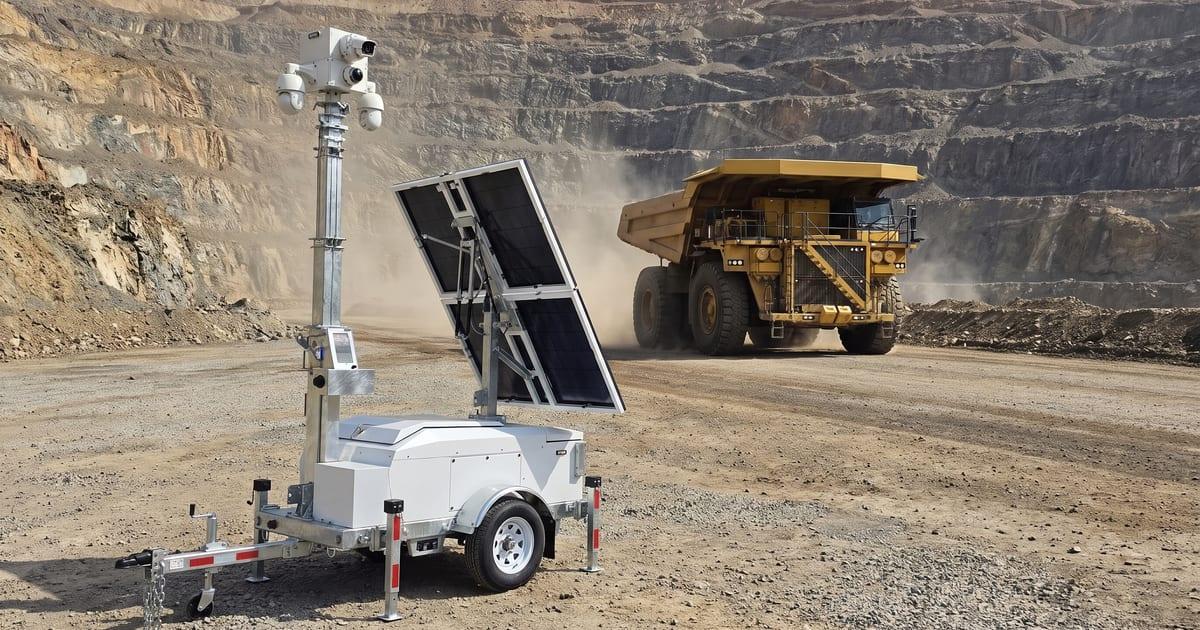
Mining Site Security Cameras for Remote Perimeters
Mines and quarries have long perimeters, valuable equipment and little infrastructure at the edges. Here is how to cover fuel, machinery and haul roads with monitored cameras.
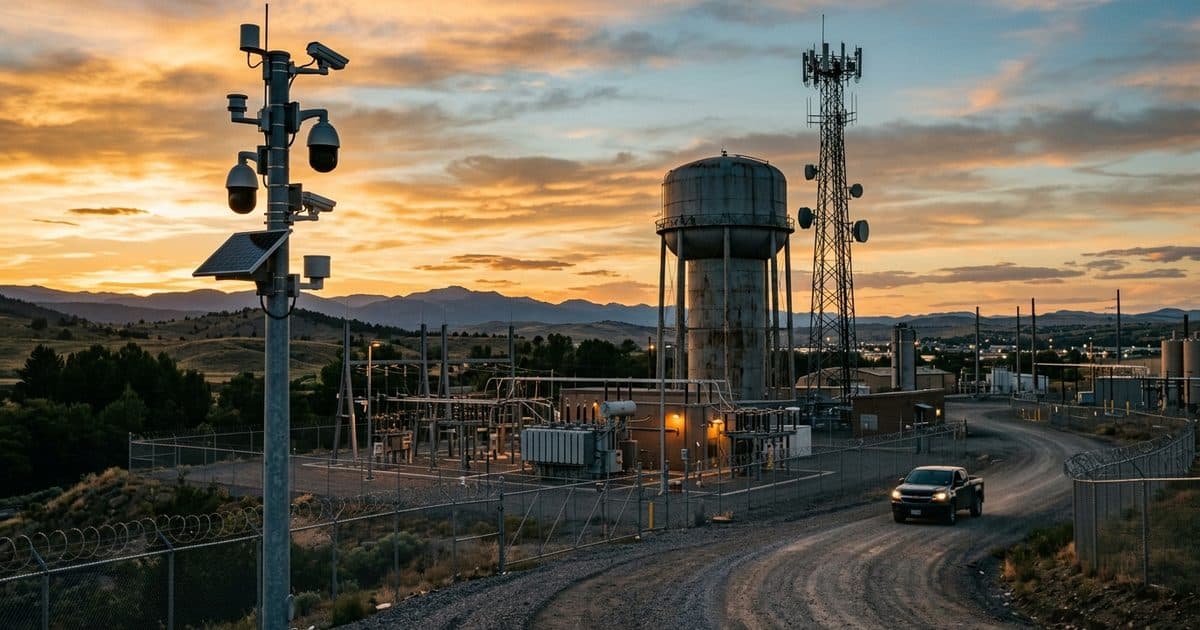
Mobile Battery Storage Deployment Security: Protecting Temporary Sites
Mobile battery storage units are placed quickly at sites that often have no fence, no power for cameras and no staff. This guide covers the risks, the safety angle and how to monitor a temporary deployment.
Natural Gas Compressor Station Security: Protecting Remote, Unmanned Sites
Compressor stations run for long periods with few or no people on site. This guide explains how to watch the perimeter and the equipment and how to get a verified response moving.
Night Vision Security Cameras: Infrared vs Low-Light Color vs Thermal
Three technologies handle the dark, and each sees something different. This guide explains infrared, low-light color and thermal imaging, and where each one fits.
Oil and Gas Security Systems: Protecting Remote Pipelines, Wellheads, and Yards
The threat landscape at remote energy sites, why standard CCTV fails there, and how solar-autonomous surveillance changes the calculus.
ONVIF and RTSP Explained: What They Mean for Your Security Cameras
ONVIF and RTSP are two of the most common terms on a camera spec sheet, and they do very different jobs. This guide explains each one, how they fit together, and what to check before you mix cameras and software.
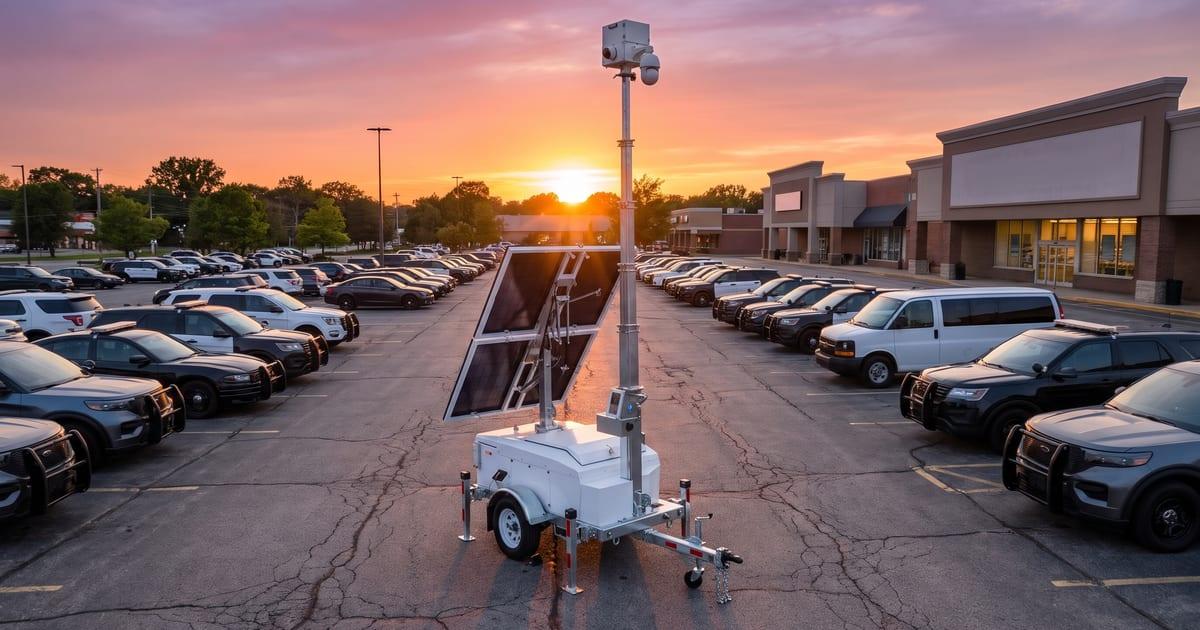
10 Best Practices for Installing Police Security Cameras in Urban Areas
Where a camera goes and who watches it matter more than which camera it is. These ten practices reflect what the research and working programs have in common.
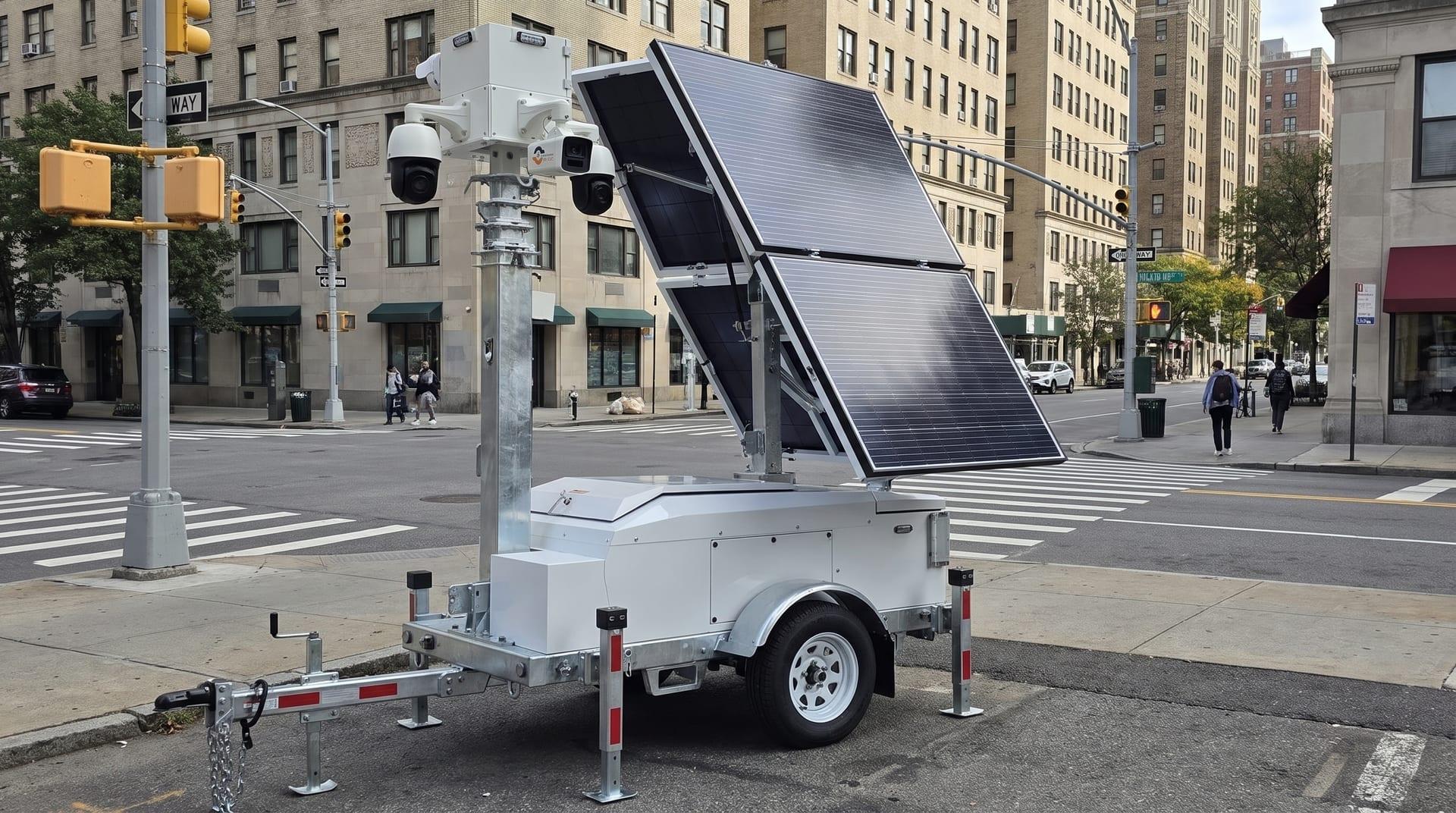
The Evolution of Police Security Cameras: From Analog to Digital
Police cameras started as analog CCTV recorded to tape and reviewed after the fact. Digital recording, network cameras, cellular links and video analytics have turned them into tools that can be watched and acted on in real time.
The Benefits of Police Security Cameras in High-Crime Areas
Cameras reduce crime in hot spots when someone is watching them and able to respond. This article covers what the research measured, where cameras help most, and how agencies put them to work.
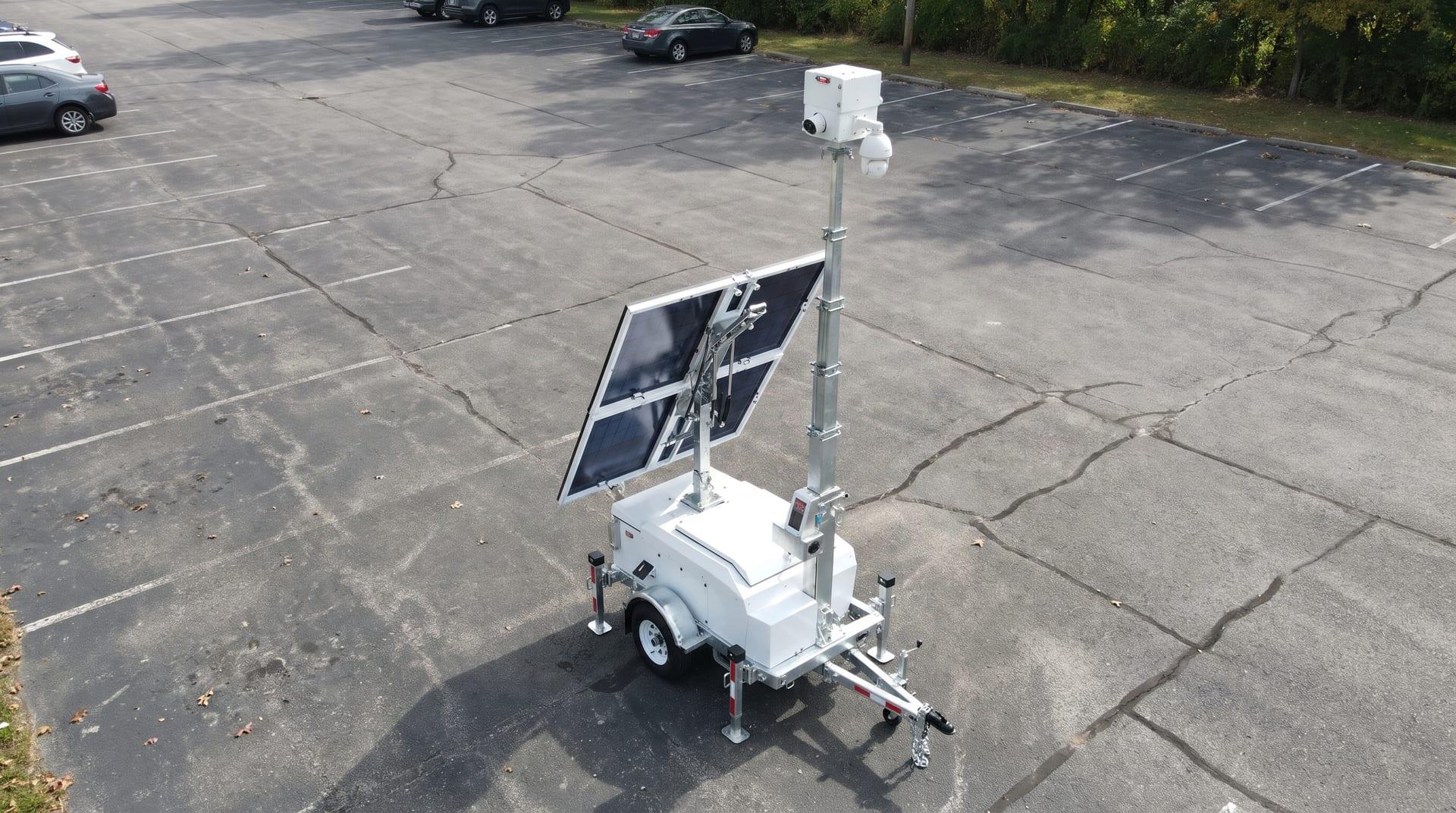
Port Terminal Perimeter Security: Fence Lines, Gates and Container Areas
A terminal perimeter is part fence line, part waterfront and part traffic system. Each part needs a different kind of coverage and a different kind of review.
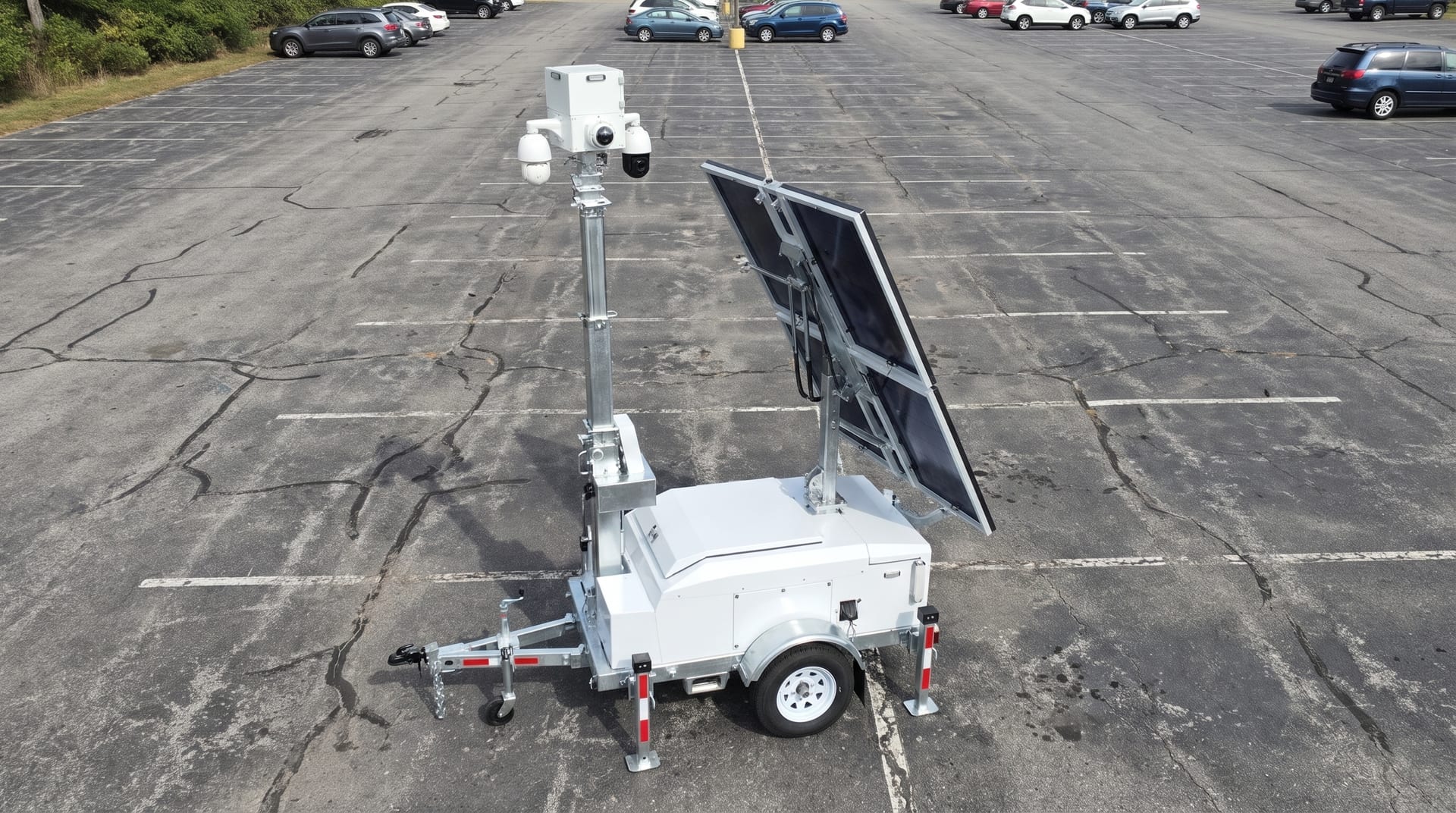
Pump Station and Lift Station Security for Unmanned Sites
Pump and lift stations are small, unmanned and easy to forget until something fails. Here is how to think about tamper, vandalism and theft at sites that nobody visits every day.
Radar Perimeter Detection: How Ground Radar Secures a Site
Ground radar detects moving people and vehicles across a wide area, in darkness and bad weather, and hands the location to a camera for verification. This guide explains how it works, where it helps, where it does not, and what to ask a provider.
Security Camera Bandwidth Planning: How the Numbers Add Up
Bandwidth planning comes down to how many streams leave a site and how heavy each one is. This guide walks through the inputs and shows how to plan for cellular links without guessing.
Security Camera Field of View: Focal Length, Angle and Coverage Explained
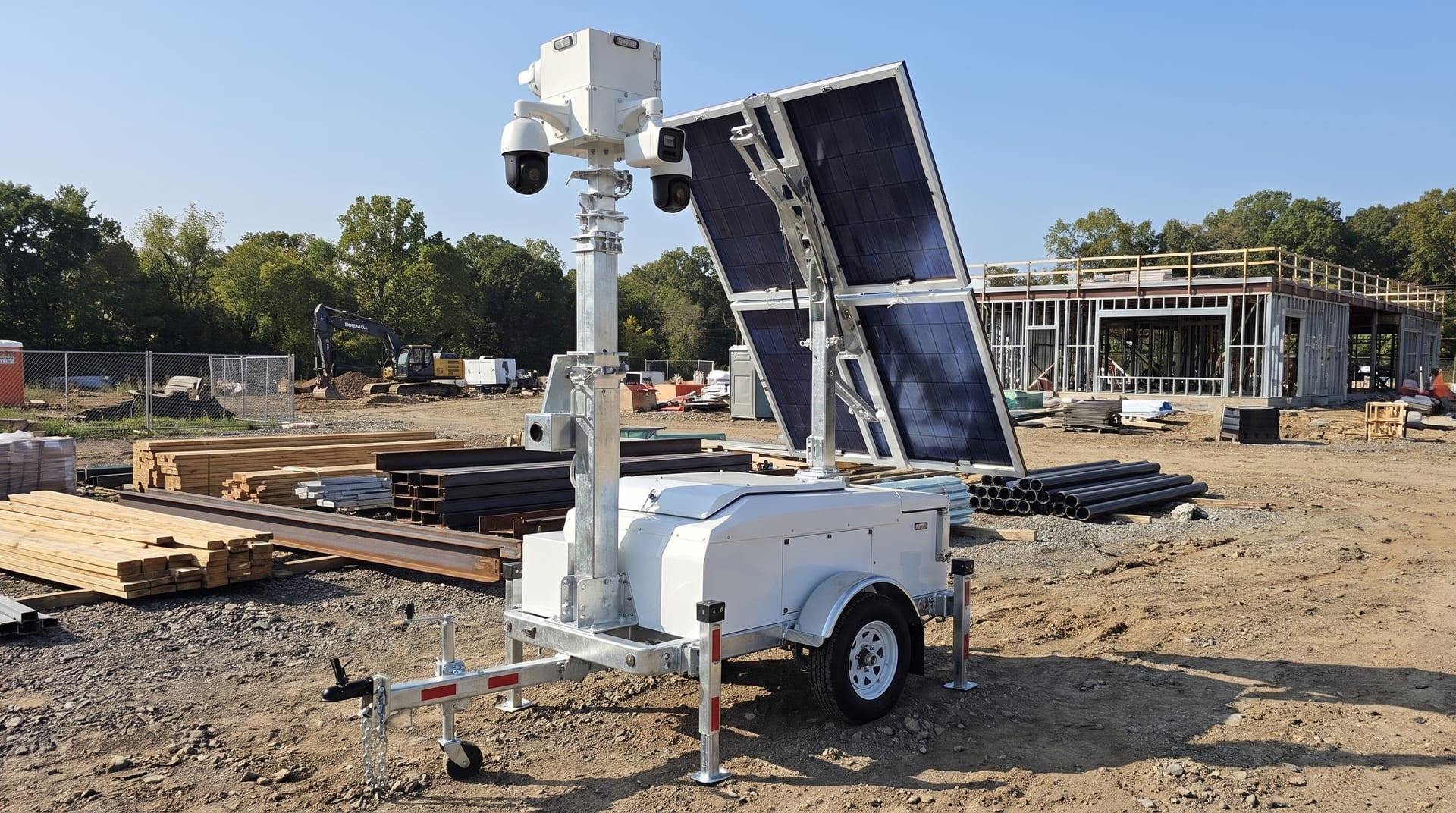
Field of view decides how much a camera sees and how much detail it gets. This guide explains focal length, wide versus narrow views, overlap and blind spots in plain terms.

Security Camera ROI Calculation
A security investment is easier to approve when you can show how it pays back. This guide builds a simple model from your own loss history, insurance and downtime.
Security Camera Signage Guide for Businesses
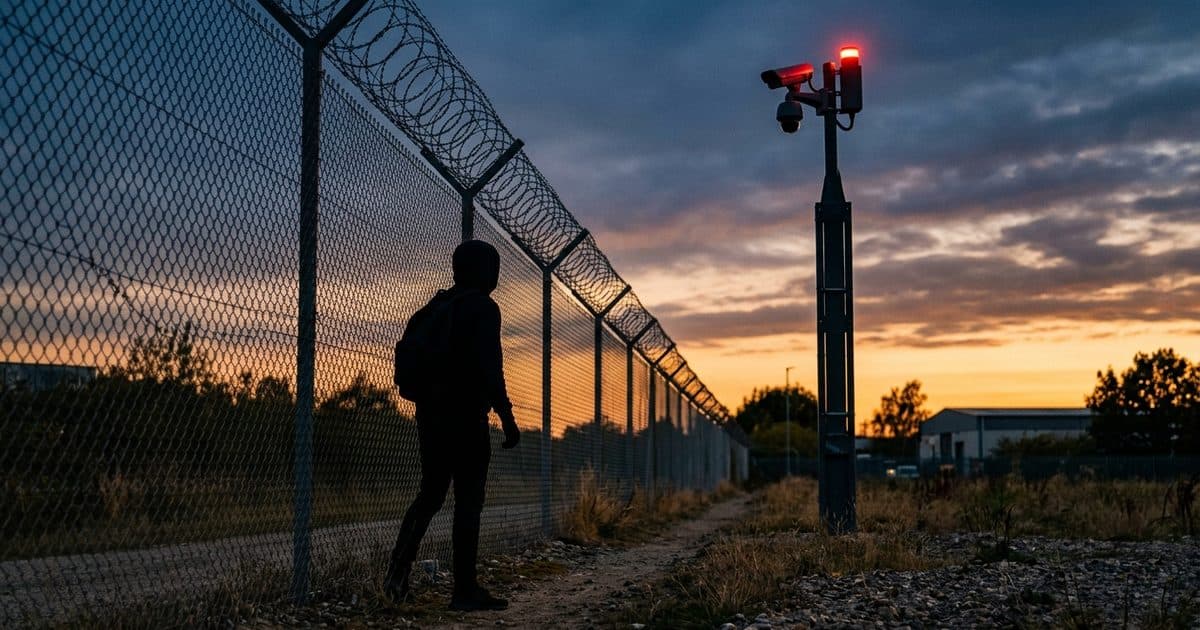
Signs tell visitors that cameras are present and, when the system is real, that someone is watching. This guide covers wording, placement, deterrence value and notice questions to confirm with counsel.
Security Incident Escalation Matrix: Who Gets Called, and in What Order
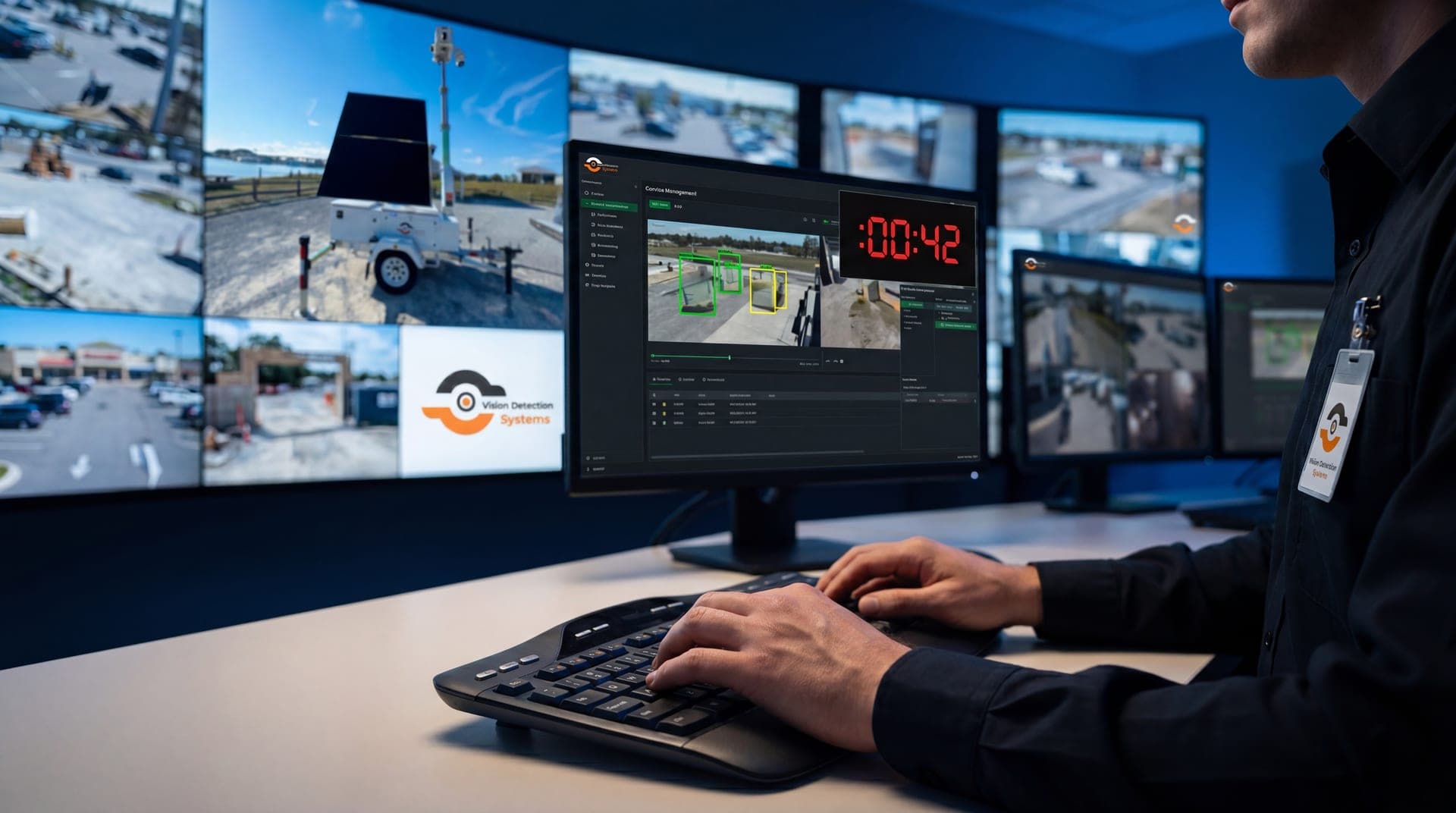
When an alert fires at 2 a.m., nobody should be deciding who to call. An escalation matrix writes those decisions down in advance, with verification before dispatch.

Security Site Risk Assessment Template: A Step-by-Step Scoring Guide
A risk assessment turns a vague worry about theft into a ranked list of problems you can fix in order. This template walks through the steps and gives you a scoring table to copy.
Senior Living Community Security: Perimeter, Visitors and Privacy
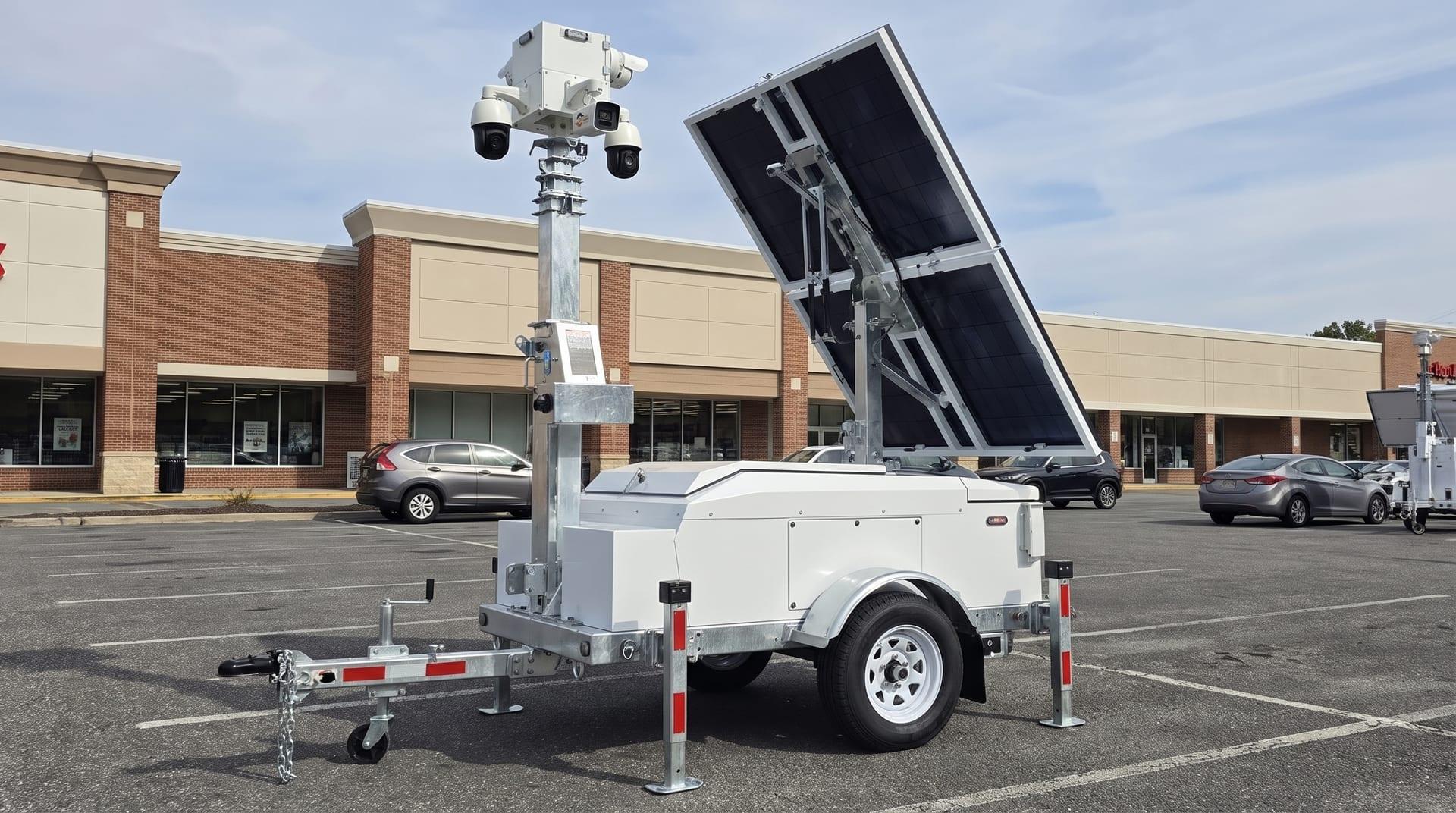
Senior living campuses balance open, welcoming spaces with real safety needs. This guide covers perimeter coverage, visitor flow, resident safety and how to respect privacy.
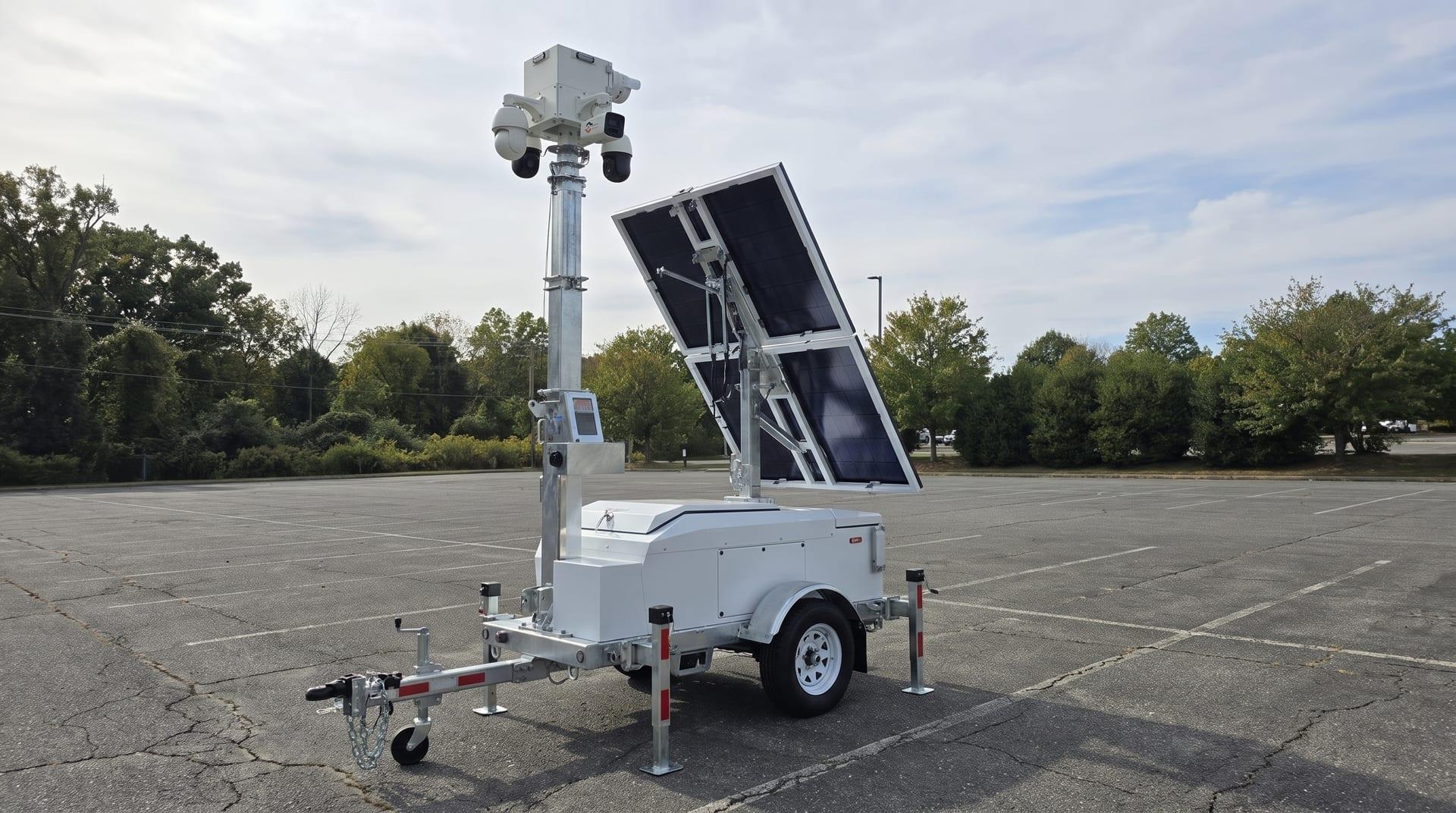
Shipping Container Yard Security Cameras and Gate Controls
Container yards are large, busy and open to constant truck traffic. Strong gate records, clear camera views and live monitoring help you spot seal tampering and unauthorized cargo access.
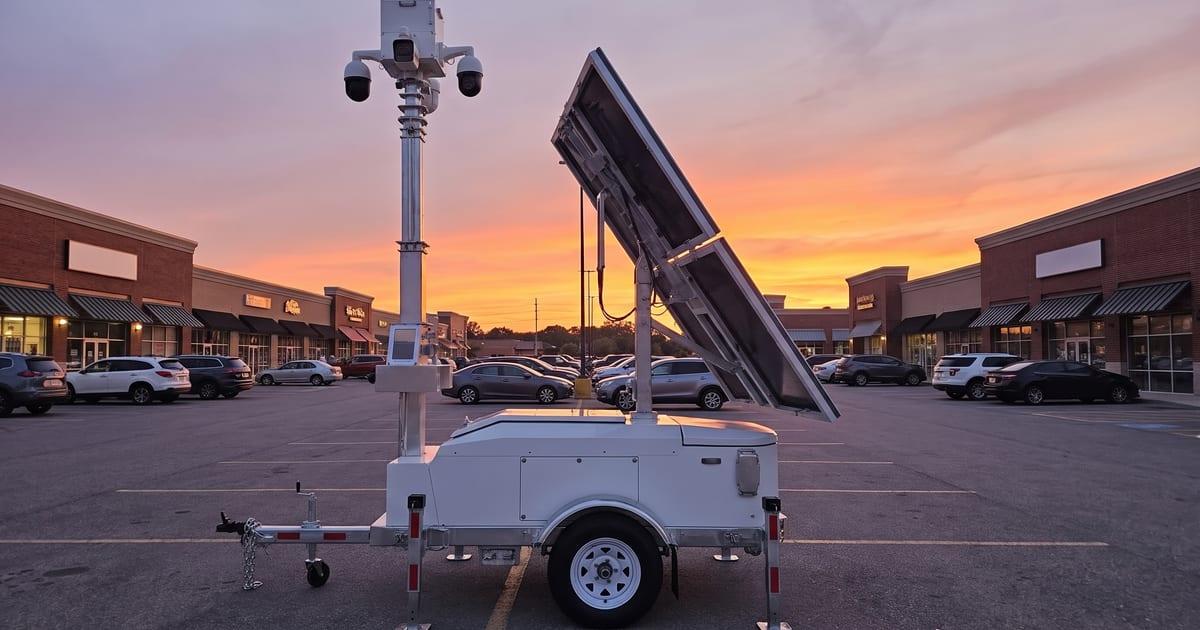
How to Stop Trespassing on Commercial Property
Trespassing is easiest to stop when people are noticed before they get inside and challenged while they are still on the way in. This guide covers the physical, electronic and procedural layers that make that possible.
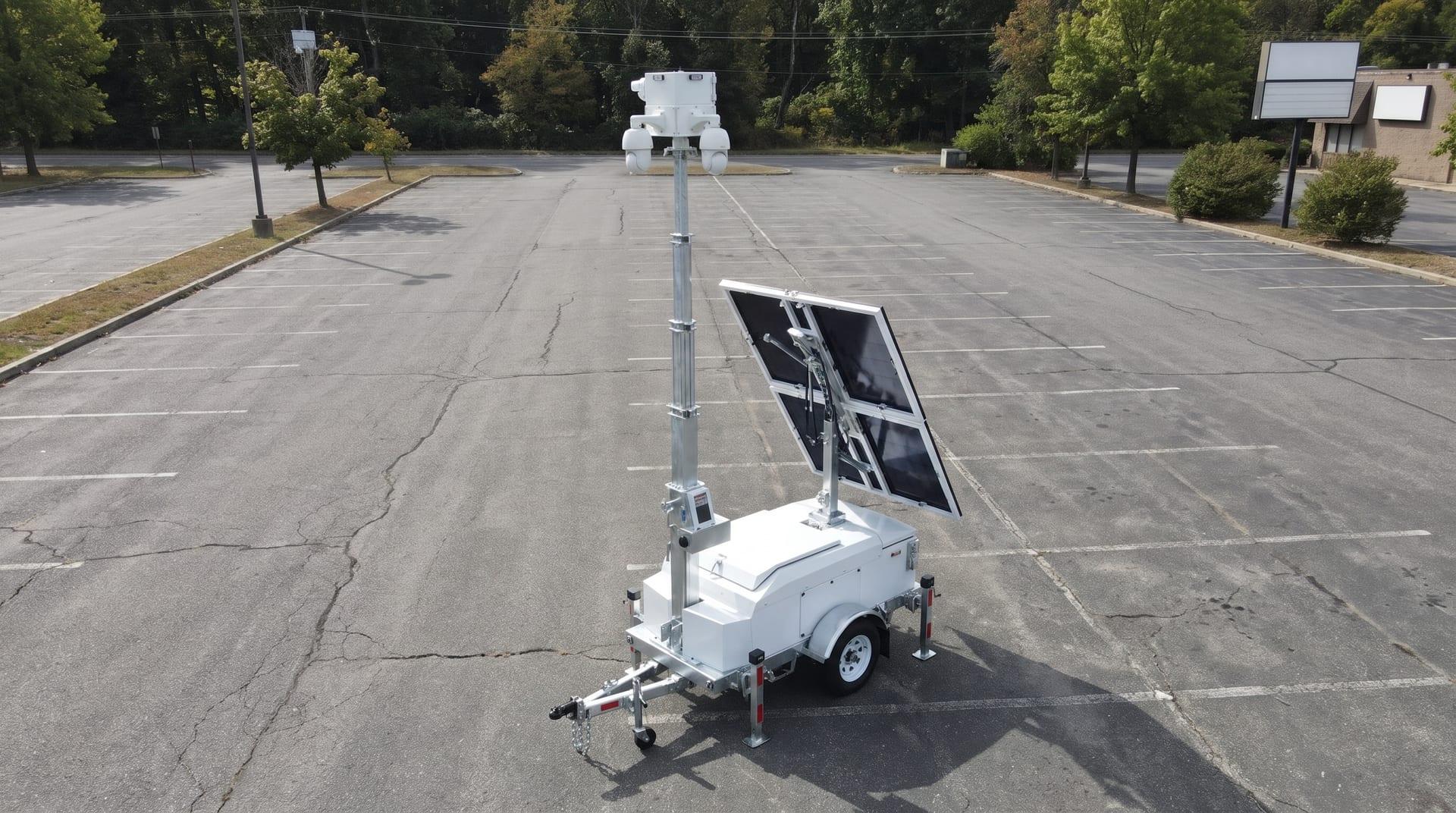
Storm Damage and Post-Disaster Site Security
After a storm, damaged buildings and cleared lots are exposed while power and networks are down. Fast-deploy solar cameras with live monitoring protect them while recovery begins.
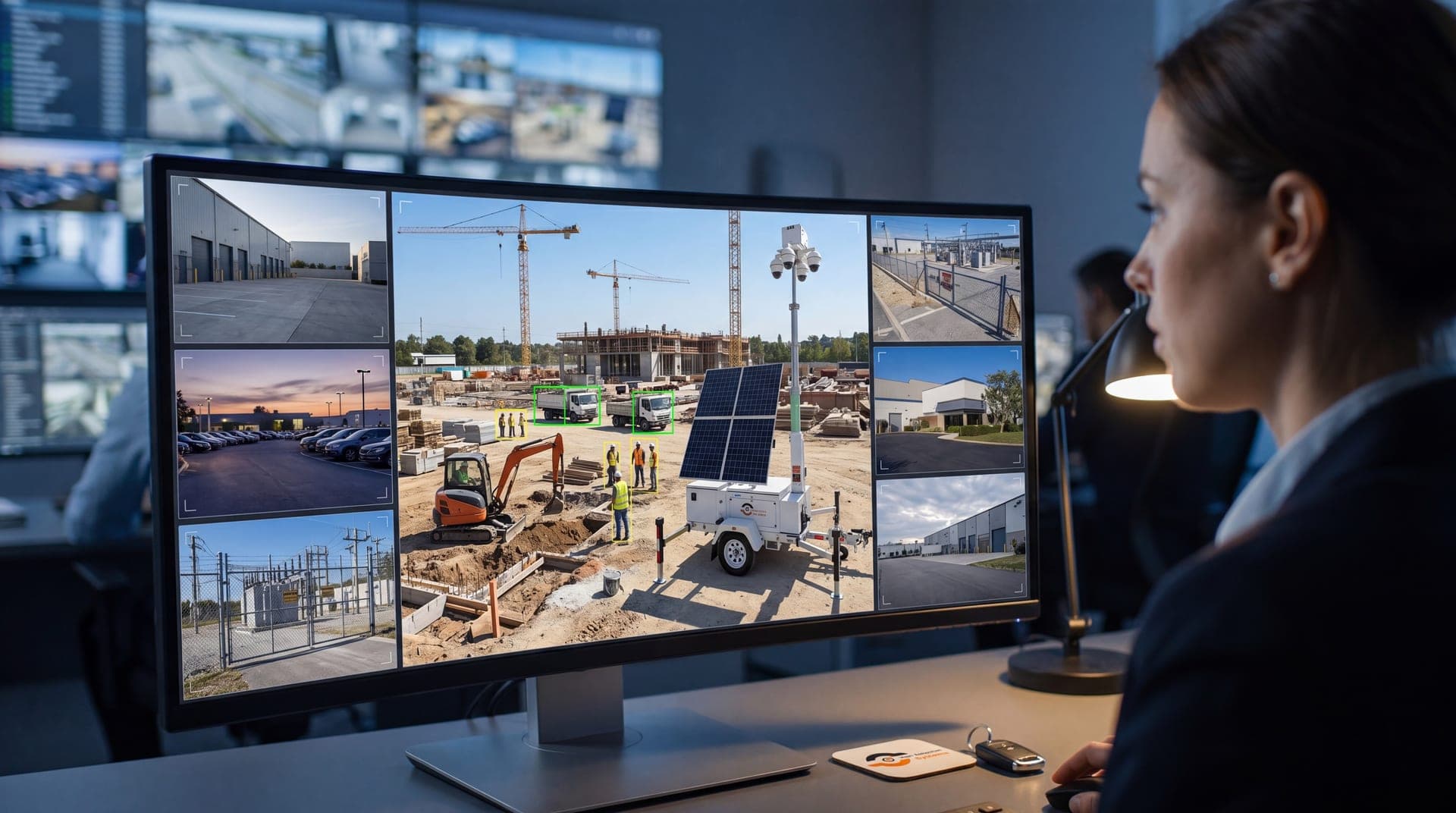
Subcontractor and Internal Theft Prevention on Job Sites
Losses on a job site do not always come from strangers at the fence. This guide covers fair, system-based controls such as access logs, tool control and camera coverage that protect honest crews and make unexplained loss easier to sort out.
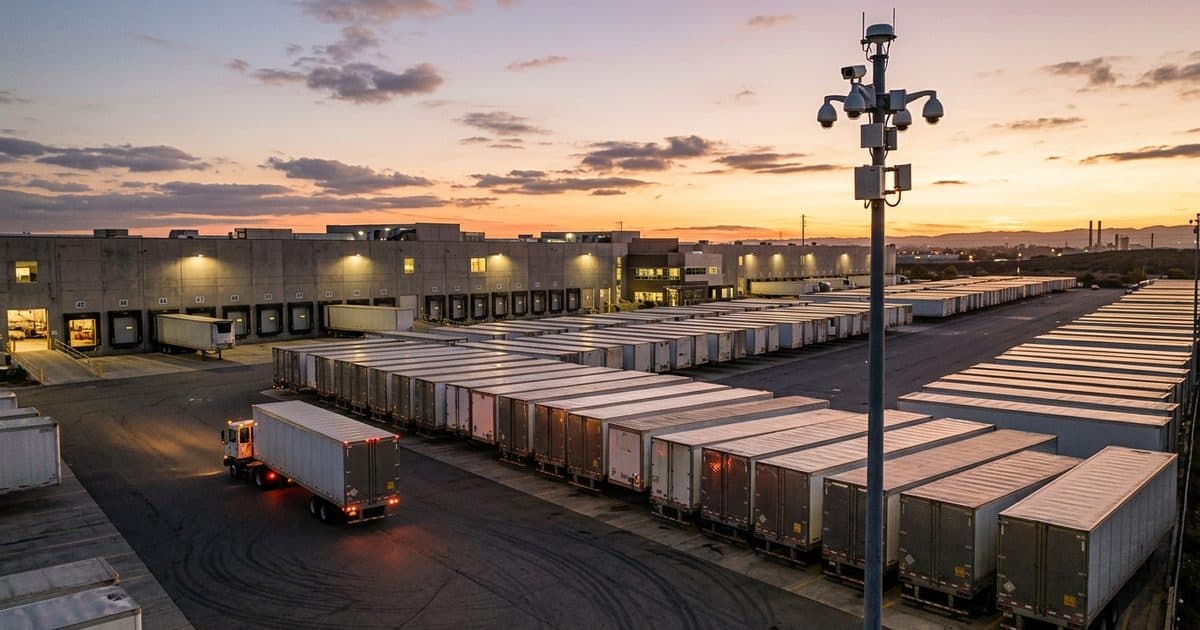
Supply Chain Security Cameras: Yards and Cargo
Cargo is most exposed when it changes hands, sits in a yard or waits for a driver. This guide explains where cameras belong along the chain and what video needs to show to be useful.
Trade Show and Exhibit Security Planning
Exhibit theft rarely happens at the booth during show hours. It happens during move-in, in storage and in the quiet hours after the doors close. Here is how to plan for each phase.
Vacant Land and Development Site Security
Raw land held through entitlements has no building, no power and often no neighbors watching. This guide covers dumping, trespass and liability on idle parcels and how remote coverage fits.
Video Search and Forensic Review After an Incident
Finding the right ten seconds in days of recorded video is the hard part of any investigation. This guide covers how to narrow the search, preserve what you find and export it cleanly.
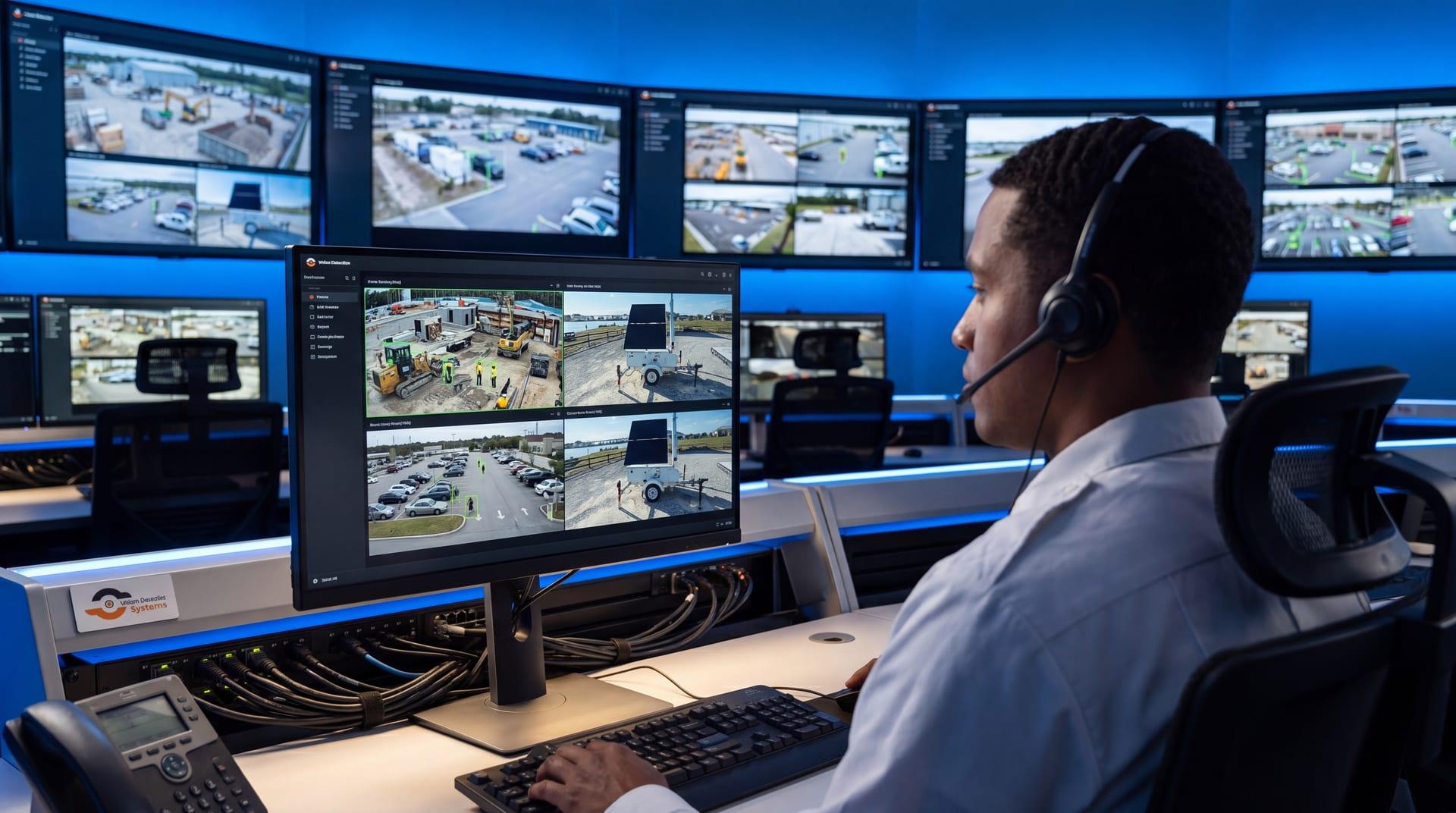
Video Verified Alarm Response: What It Is and How It Works
A verified alarm is one where a person has looked at video and confirmed something real is happening. This guide covers the workflow, why responders treat it differently and what to look for in a provider.
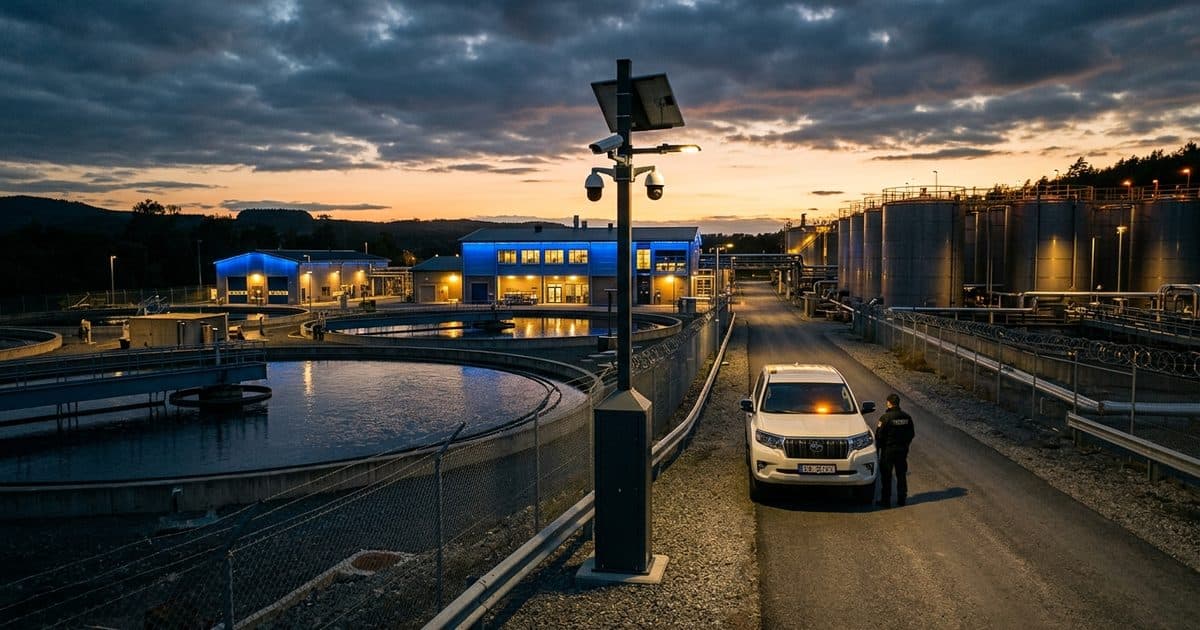
Water Tower and Reservoir Security: Protecting Remote Public Water Sites
Towers, tanks and reservoirs sit on hills and back roads with no one on site. This guide explains the tamper and trespass risks and how to watch these sites without constant patrols.
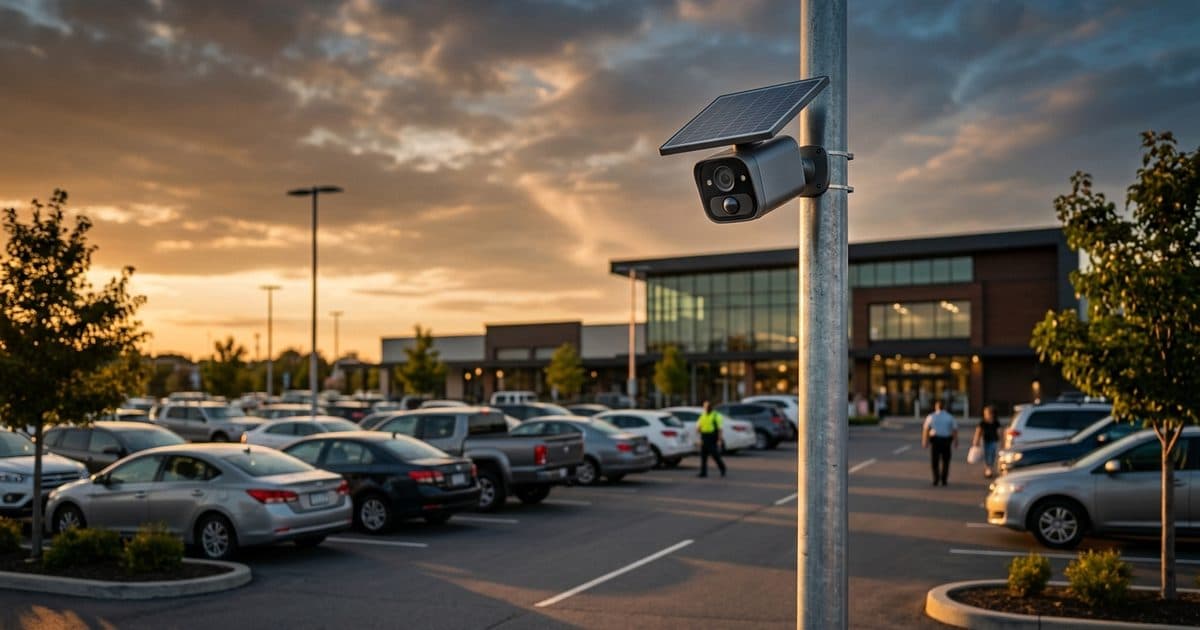
What Is PSaaS? Physical Security as a Service
PSaaS replaces a pile of separate purchases with a single service that includes the hardware, the connection, the watching and the upkeep. This article explains what that means in practice and what to check before you sign.
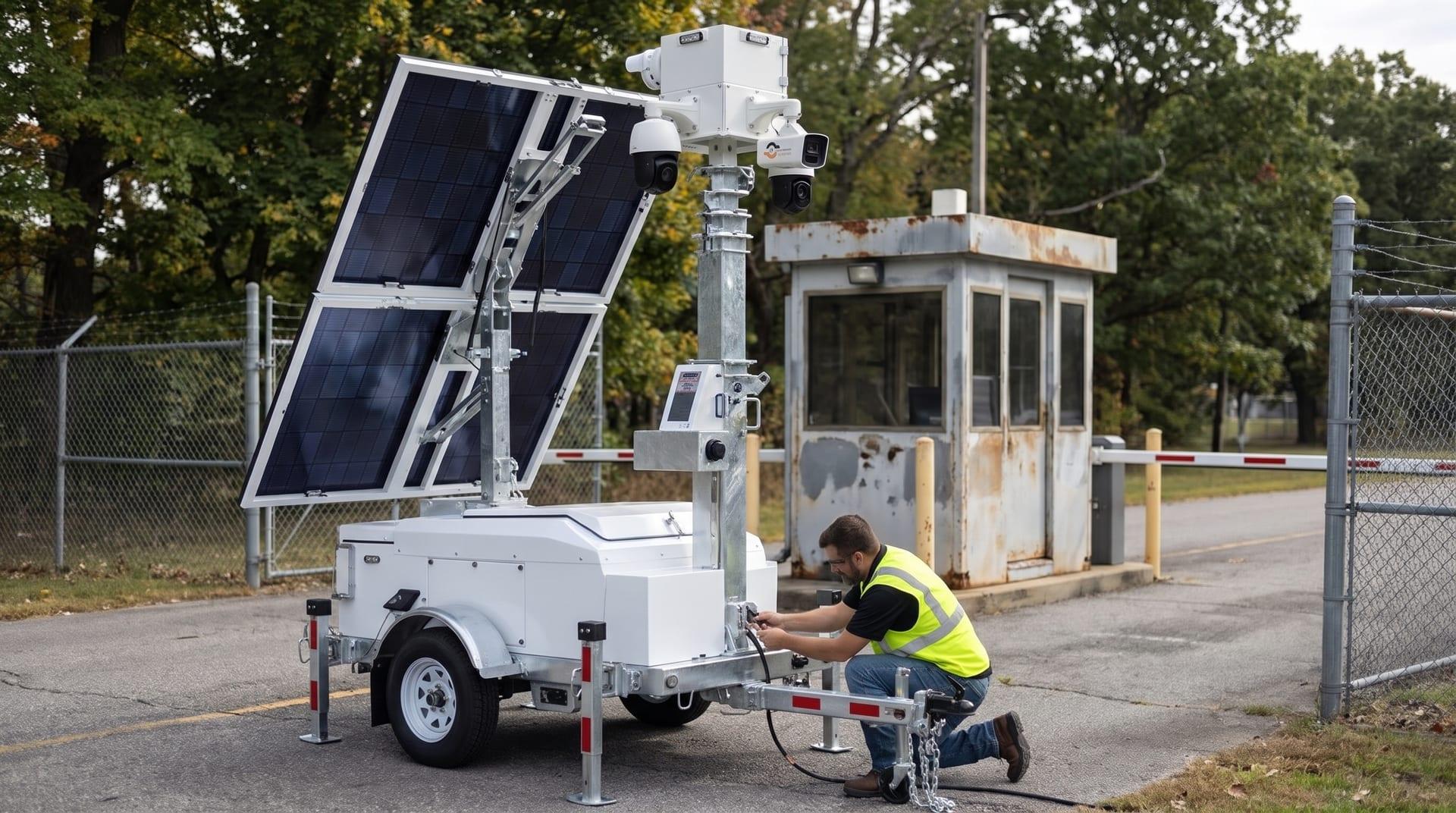
Wide Dynamic Range (WDR) Cameras Explained
WDR helps a camera keep detail in both the bright and dark parts of the same scene. It matters most at gates, doorways and anywhere headlights or sunlight hit the lens.
Apartment Complex Security Cameras: A Property Manager's Guide to Lots, Package Theft, and Liability
Crime at apartment communities concentrates in parking lots, garages, and package areas, and multifamily insurance costs are climbing fast. This guide covers where cameras belong, how monitored coverage cuts package theft and liability exposure, and how to respect resident privacy while you do it.

Property Crime Is Falling. Business Theft Losses Are Setting Records. Both Are True.
FBI data shows property crime fell an estimated 12.4% in 2025, with burglary down in every population group. Over the same year, cargo theft losses reached an estimated $725 million and organized in-store theft rose 52% among retailers tracking it. This analysis explains how both trends are true at once, and what the split means for anyone responsible for a commercial site.
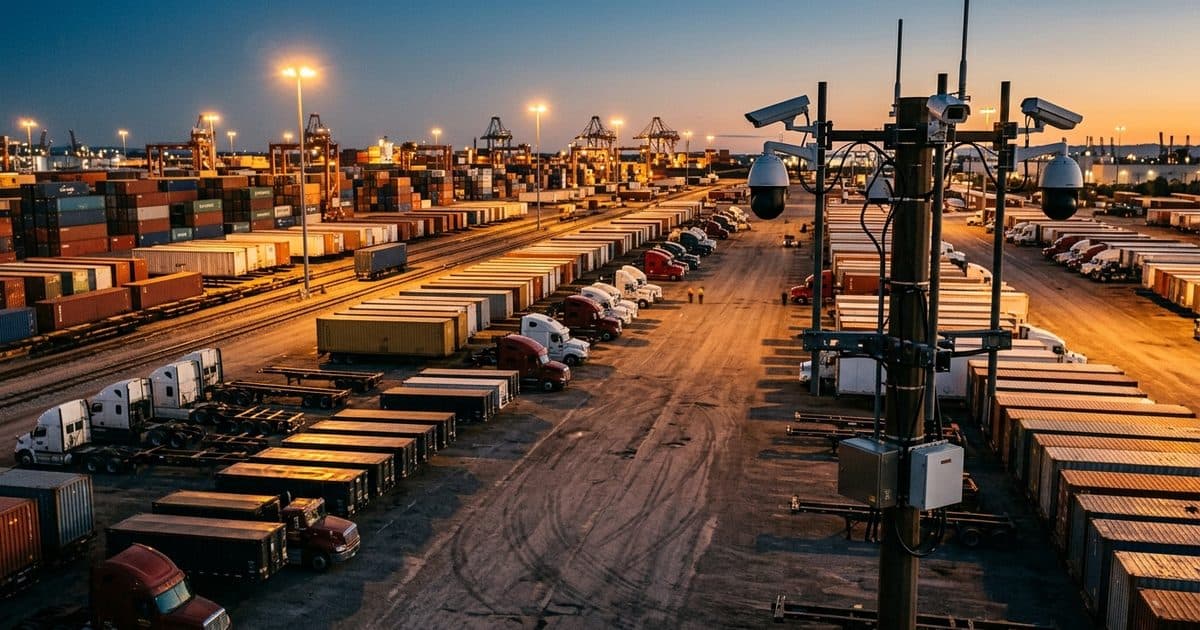
Cargo Theft Hit a Record $725 Million in 2025: What It Means for Yards and Docks in 2026
Cargo theft losses reached an estimated $725 million in 2025, up roughly 60% year over year, even though confirmed incidents grew far more slowly. Thieves are selecting higher-value targets, and that changes how yards, cross-docks, and drop lots need to defend freight in 2026.
Do Security Cameras Deter Crime? What the Research Actually Shows
Research on offender decision-making shows most burglars screen for cameras and alarms before committing, and many abandon targets that have them. The deterrent effect is strongest when cameras are visible and actively monitored, because monitoring turns detection into real-time intervention. Here is what the studies show, and where their limits are.
Farm Equipment Theft Prevention: Securing Barns, Fuel, and Machinery on Remote Acreage
Tractors, diesel, and crop chemicals disappear from remote acreage where the nearest deputy may be many miles away and there is no grid power for cameras. This guide covers what thieves target on farms, when risk peaks, and how layered prevention with verified video monitoring interrupts theft in progress instead of just documenting it.
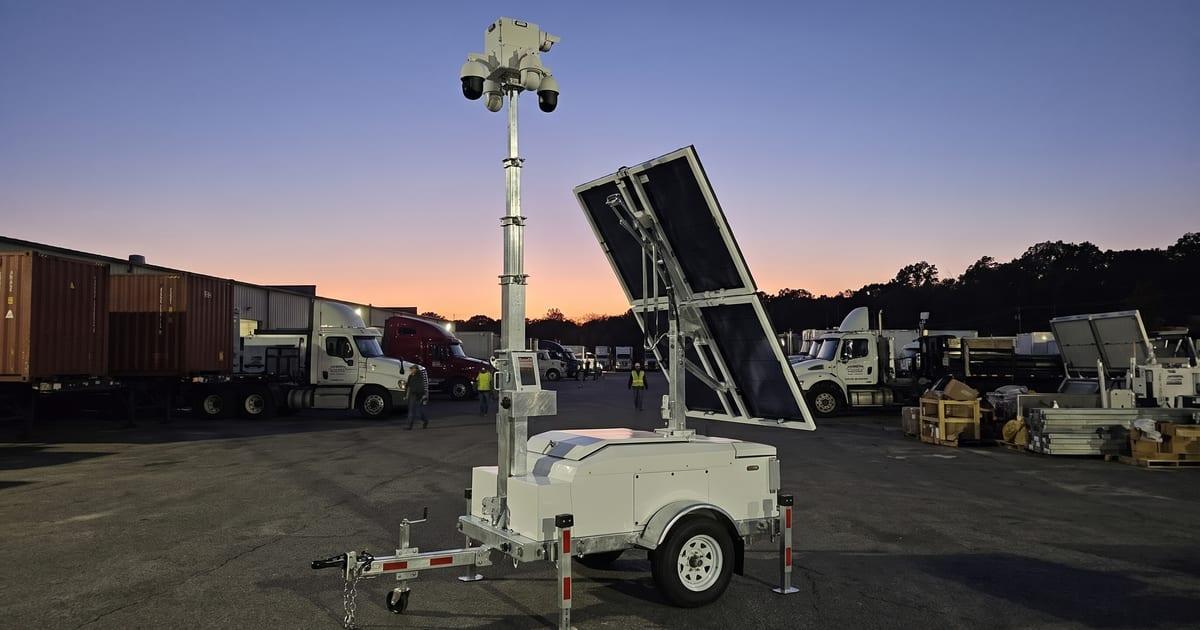
Public Works Yard Security: Protecting Municipal Fleets, Fuel, and Equipment After Hours
Municipal equipment yards concentrate fleet vehicles, diesel, copper stock, and heavy equipment behind a single fence, mostly unattended after hours. This guide walks facility and fleet managers through layered, budget-friendly security for yards, project sites, and rights-of-way, with no trenching or capital construction required.
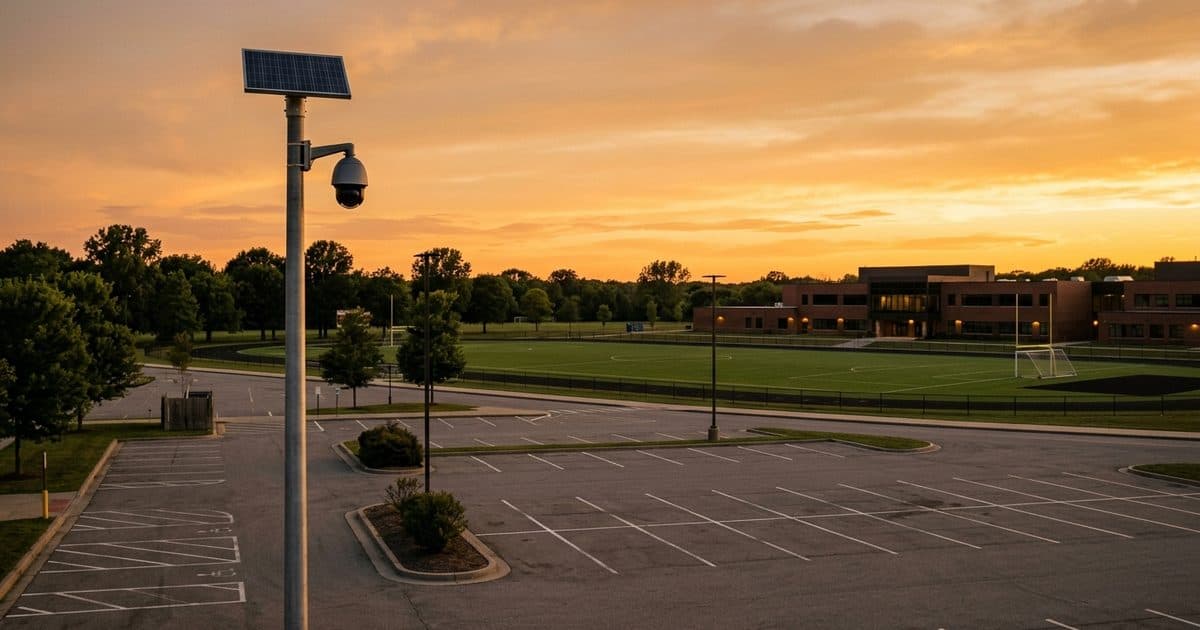
School and Campus Security Cameras: Perimeters, Parking, and Construction Projects
Cameras are now close to universal inside American schools, with 93% of public schools reporting them in 2021-22 per federal data. The gaps that cost districts money sit outside, in parking lots, empty summer campuses, and construction projects. This guide covers that property-protection side, and is clear about where specialized school-safety professionals take over.
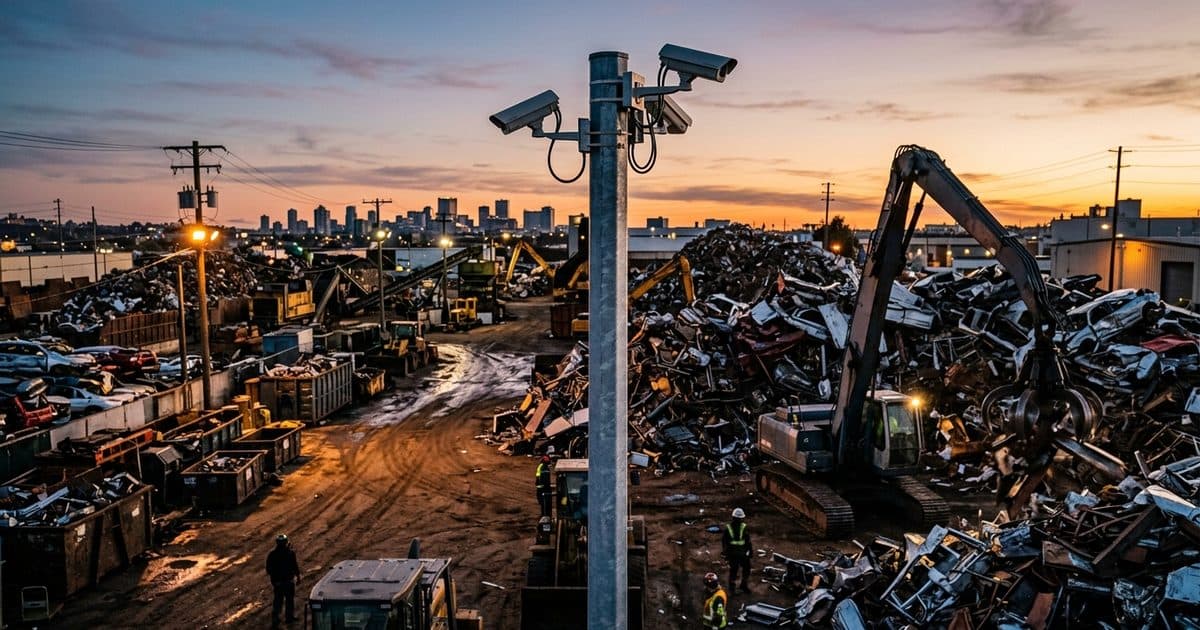
Scrap Yard Security Cameras: Metal Theft, After-Hours Intruders, and Fire Detection
Record copper prices are pulling thieves toward scrap inventory at the same time facility fires have hit an all-time high, with lithium-ion batteries a leading driver. The same monitored, thermal-capable cameras that catch after-hours intruders can flag a smoldering battery pile before it becomes a total loss. Here is how scrap yards, MRFs, transfer stations, and landfills cover both threats with one system.
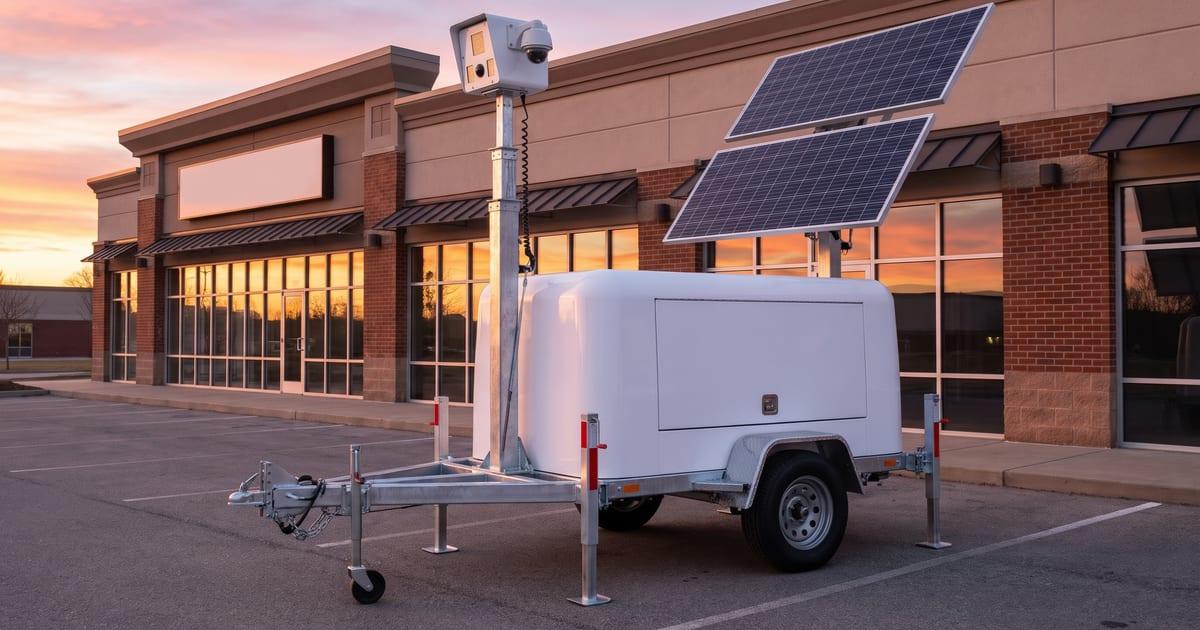
Vacant Property Security: Protecting Empty Buildings from Theft, Fire, and Squatters
Roughly 1.4 million US residential properties sat vacant in late 2025, and empty buildings carry outsized risks of arson, copper scrapping, and unauthorized occupancy that can collide with insurance vacancy clauses. Here is how owners and property managers protect buildings that have no power, no internet, and no one on site.
Warehouse Security Cameras and Remote Video Monitoring: What Actually Works
Cameras alone don't stop warehouse theft. Learn what camera placement, remote monitoring, and verified response workflows actually look like for large distribution operations.
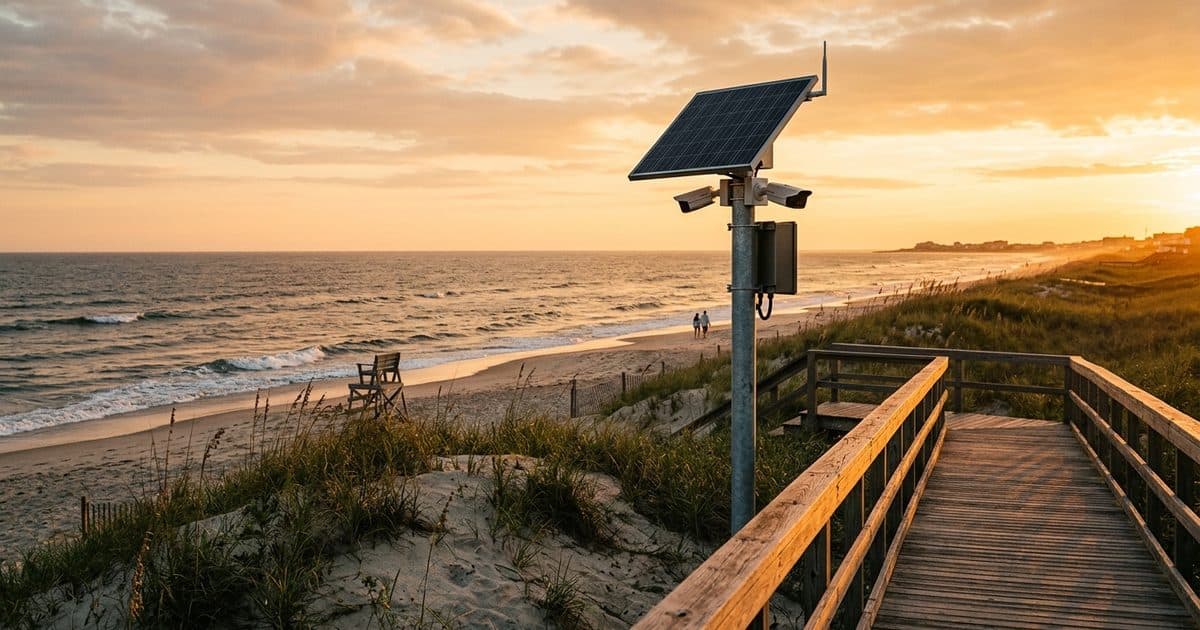
Beach & Coastal Security Cameras: Deterrence Monitoring for Waterfront and Shoreline Sites
Why the shoreline is one of the hardest environments to secure, why standard CCTV corrodes and fails there, and how solar-autonomous surveillance deters after-hours activity on open beaches.

Cemetery Security Cameras: Stopping Metal Theft and Vandalism on Unfenced Grounds
Why bronze markers, plaques, and monuments are soft targets after dark, why fixed cameras rarely cover open memorial grounds, and how solar-autonomous surveillance with gate LPR closes the gap without disturbing the property.
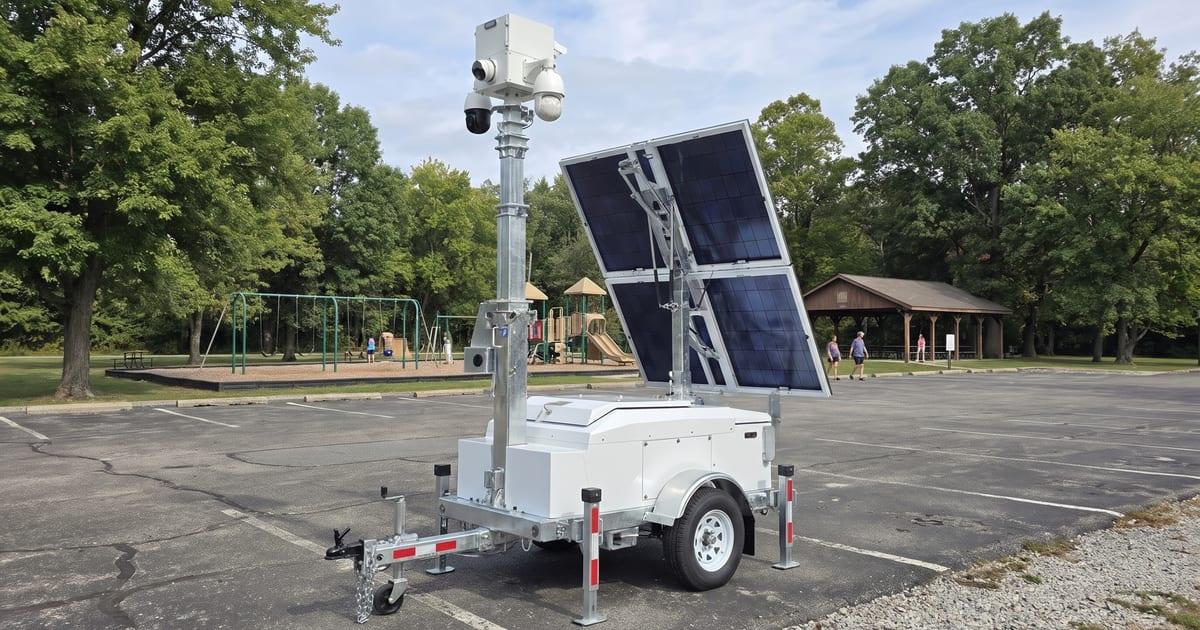
Park Security Cameras: Stopping Vandalism and Dumping Without Trenching a Single Field
Why municipal parks are an easy target after the gates close, why fixed cameras never reach the trailhead lot, and how solar-autonomous surveillance with live monitoring closes the gap.
Warehouse Security Cameras: What Distribution Centers Actually Need
Distribution centers and warehouses represent prime targets for organized theft rings. The difference between effective warehouse surveillance and expensive recording equipment comes down to coverage planning and verified response workflows.