
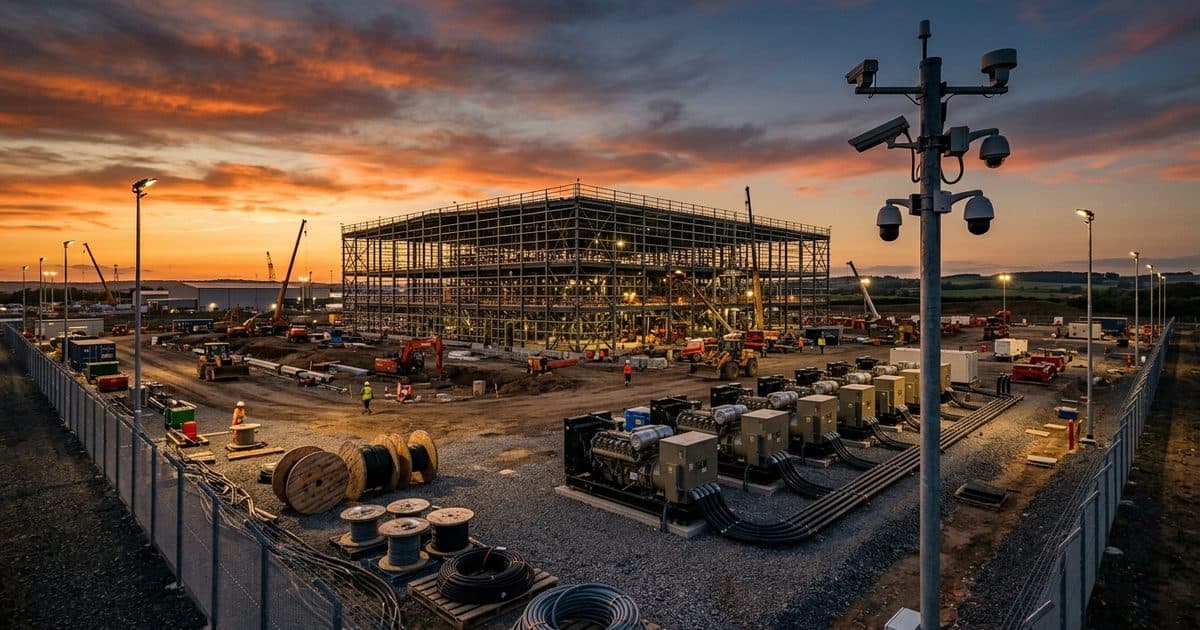
Five nines inside the buildingdeserves the same outside it.
Data centers house the world's most valuable digital infrastructure — and they're targets. Perimeter breaches, copper theft from power systems, social engineering, and vehicle-borne threats demand layered detection far beyond a fence and a badge reader. VDS deploys NDAA-compliant multi-sensor surveillance with 24/7 SOC monitoring to stop threats at the property line.
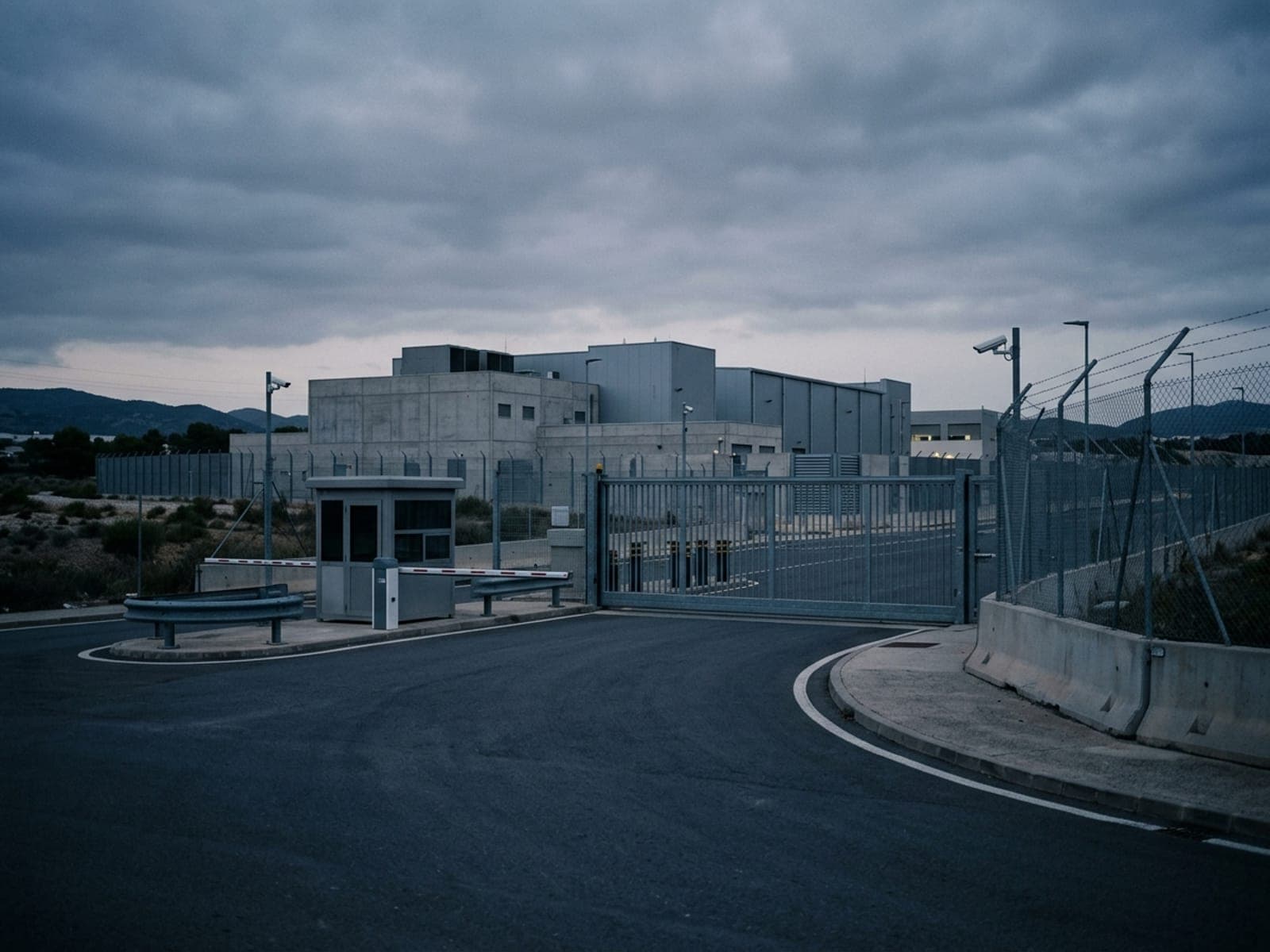
A data center's hardest security problem sits outside the building. The white space is layered with badge readers and mantraps, but the substation feed, the generator yard, the diesel storage, and the switchgear that keep it all running stand in open ground near the fence — dense with copper and utterly essential to uptime. Add construction crews expanding a campus phase by phase, a steady stream of contractor and delivery vehicles, and intruders who probe service gates and utility corridors precisely because the interior is so hard to reach, and the property line becomes the layer that decides everything behind it.
The conventional posture — fixed cameras on the building, an alarm on the fence — fails in two directions at once. Recorded video identifies a cable thief only after the outage he caused, and a fence sensor that cannot distinguish a deer from a person floods the response channel until real alerts drown. Data center perimeter security works when detection happens at distance, analytics filter the noise, and a live operator confirms what is actually approaching before the fence is ever touched — then warns the intruder audibly and briefs responding officers with real-time video rather than an address.
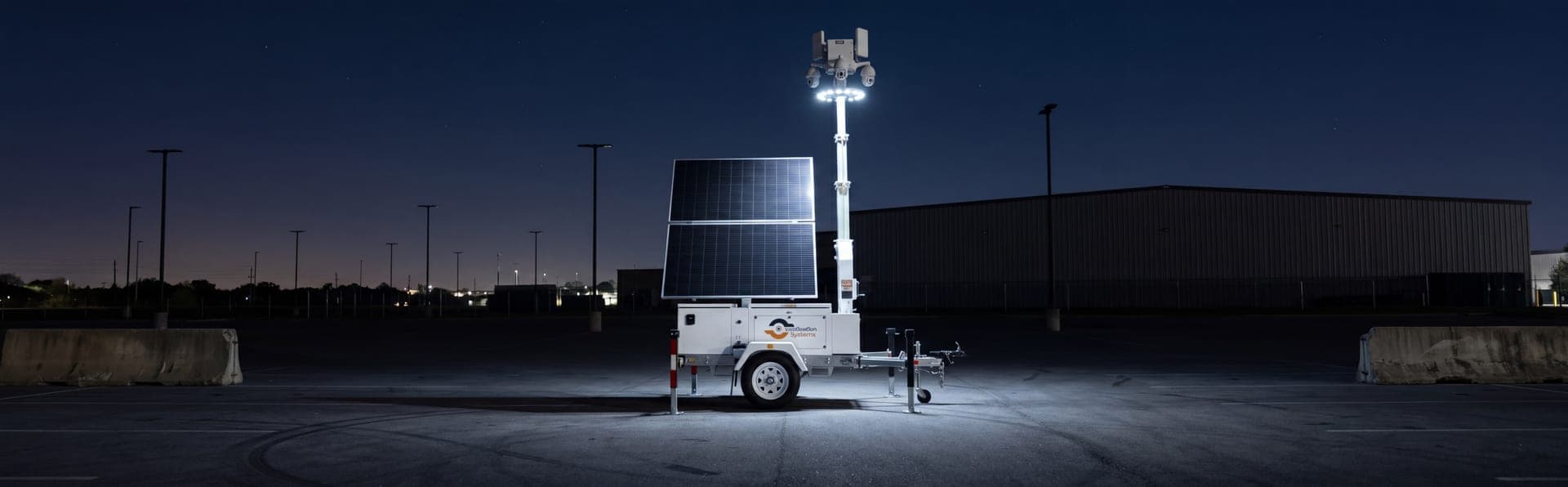
Mobile solar-powered units earn their place on data center campuses because the perimeter is never finished. An expansion phase opens a temporary gap in permanent coverage; a new substation energizes before its camera conduit exists; an edge facility sits in a market with no on-site security presence at all. Each unit stands up without trenching or utility work, watches from a raised mast, logs every plate at the approaches, and reports into a SOC staffed around the clock — with optional thermal imaging available where classification at long range matters. When the campus map changes, the coverage repositions with it.
Below, this page details the perimeter, power-infrastructure, and vehicle threats data centers face; the layered detection stack VDS configures for each; customer-reported outcomes from facility deployments; and answers to the compliance and coverage questions physical security directors ask before adding a unit to the fence line.
One perimeter breach
can compromise everything inside.
High-value infrastructure, copper-rich power systems, and 24/7 uptime requirements make data centers a prime target — and a single physical intrusion can cascade into catastrophic outages.
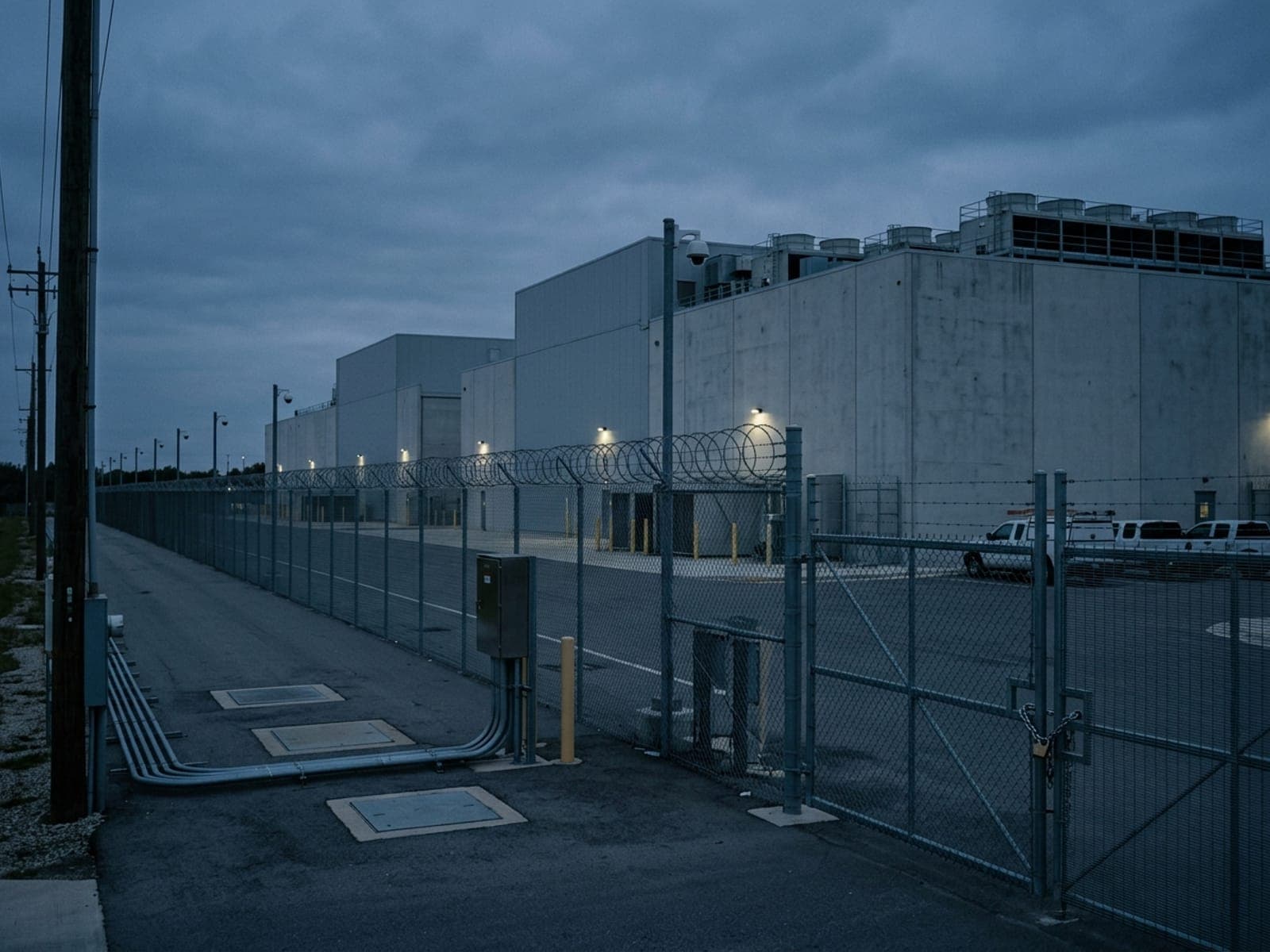
Perimeter breach
Determined intruders probe fence lines, service gates, and utility corridors for gaps. A single breach can compromise physical access to racks worth millions.
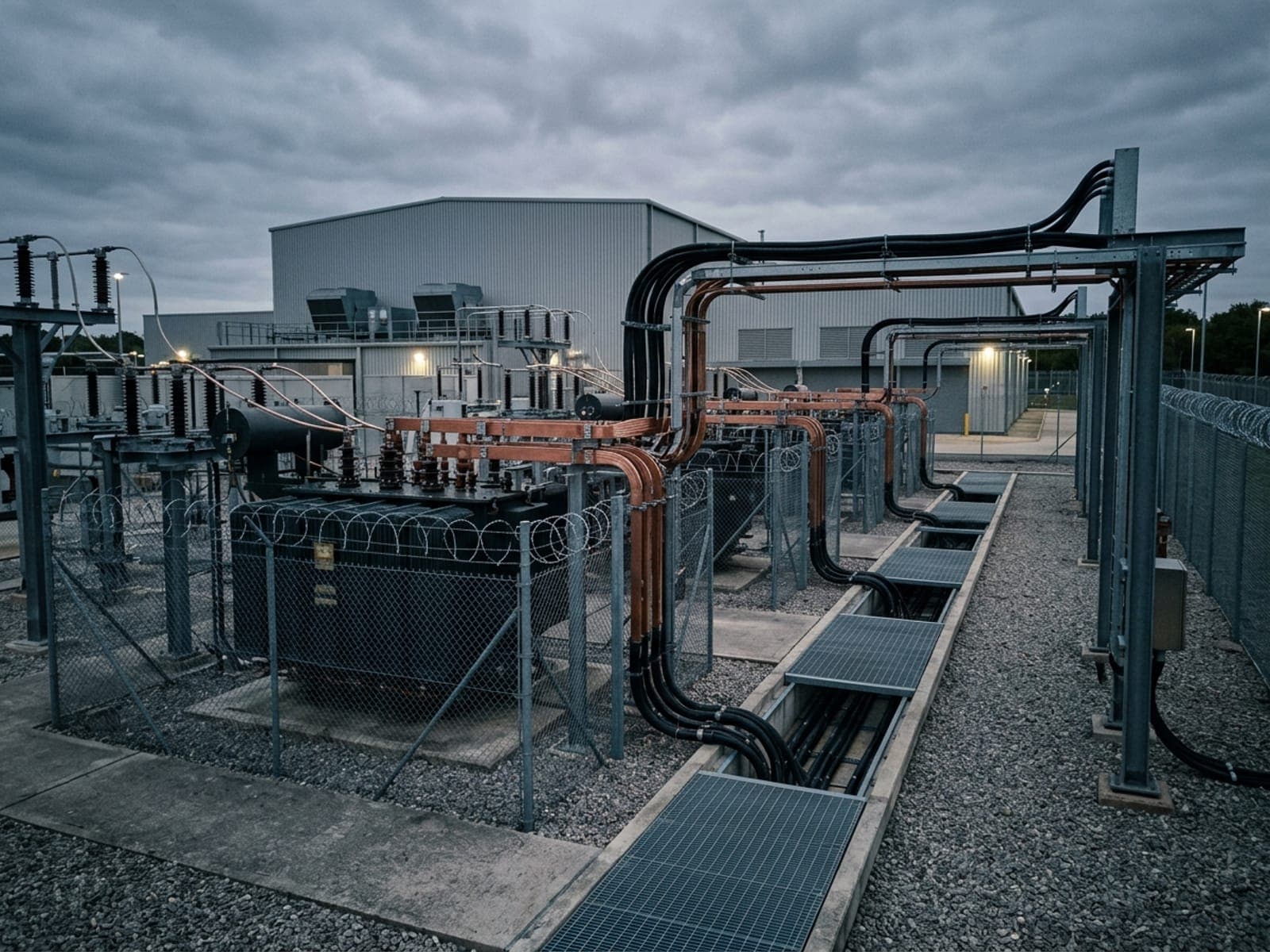
Copper theft from power infrastructure
Transformers, bus bars, and backup power cabling are high-value copper targets. A theft event can take critical power offline for days.
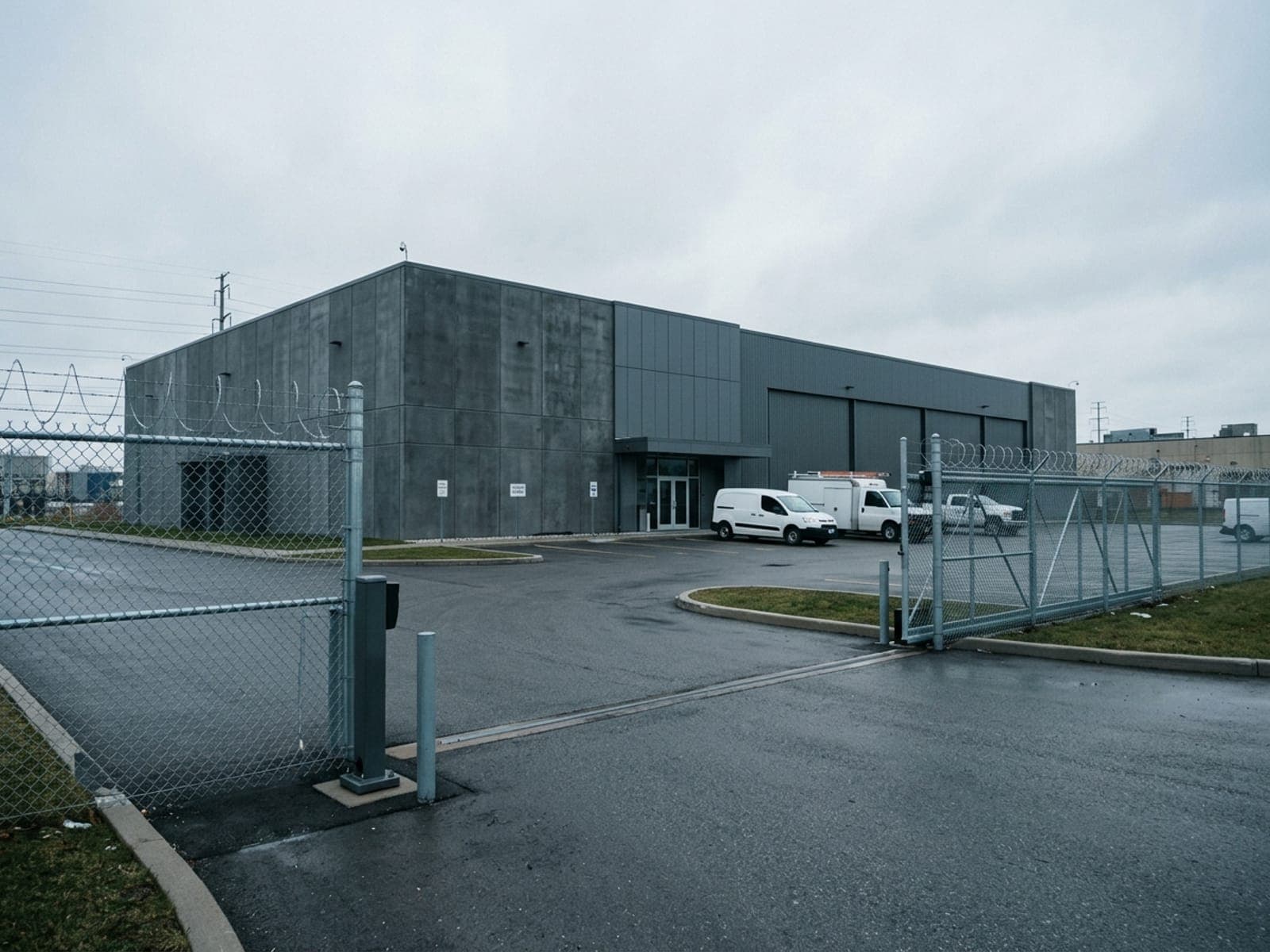
Social engineering access
Attackers posing as contractors, delivery drivers, or maintenance staff exploit human trust to gain physical access past credentialed checkpoints.
Vehicle-borne threats
Unauthorized vehicles approaching restricted zones — from tailgating through gates to ram attacks on perimeter barriers — require early detection at distance.
Detect threats before they reach the fence.
The SOC stops them there.
Multi-sensor detection with AI analytics and live SOC operators catches threats before they breach the perimeter. Every component is NDAA compliant.
See through darkness.
Detect at distance.
The MSU combines multiple sensor technologies to detect human and vehicle targets well before they reach the fence line. Options include thermal imaging, radar, LiDAR, and advanced video analytics — configured for your specific perimeter. The SOC receives composite alerts with verified imagery and 25× PTZ lock-on.
- Long-range perimeter detection
- Multi-sensor classification
- Zero-light, all-weather operation
- Automatic sensor-to-camera handoff
 STEP 01
Every plate. Every gate.
Every hour.
License plate recognition captures every vehicle approaching the facility. Contractor vehicles, delivery trucks, and unauthorized visitors are identified and logged in real time. Hot-list alerts trigger SOC intervention before vehicles reach access points.
- Automated plate capture at all approaches
- Contractor and delivery vehicle verification
- Hot-list matching for flagged vehicles
- Comprehensive vehicle access audit trail
 STEP 02
No banned components.
No compliance gaps.
Every sensor, camera, and communication module in the MSU is NDAA Section 889 compliant. No Hikvision, Dahua, or other banned manufacturers. Full documentation provided for your compliance and audit teams.
- NDAA Section 889 compliant hardware
- Zero banned manufacturer components
- Full compliance documentation provided
- Audit-ready hardware manifests
 STEP 03
Detect. Classify. Verify. Respond.
Four layers deep.
VDS doesn't rely on a single sensor. Perimeter sensors detect at distance, analytics classify the target, AI confirms intent, and the SOC verifies and escalates. Four layers of detection mean false alarms drop while real threats get stopped.
- Multi-sensor fusion reduces false positives
- AI-powered behavioral classification
- Real-time SOC verification
- Direct law enforcement dispatch with video
 STEP 04
Every facility type.
One platform.
The MSU adapts to your specific data center environment. Here are the scenarios operators deploy for most often.
Hyperscale campuses
Massive multi-building facilities with miles of perimeter fencing, multiple access points, and critical power infrastructure to protect.
Colocation facilities
Multi-tenant data centers where perimeter security is the facility operator's responsibility and tenant SLAs demand zero incidents.
Edge & micro data centers
Smaller, distributed facilities in less-secured locations with limited or no on-site security staff and remote management.
Power substations & generators
Critical power infrastructure feeding data center operations — transformers, switchgear, and backup generators at risk of copper theft.
Construction & expansion zones
New data center builds with exposed infrastructure, heavy equipment, and temporary gaps in the permanent security perimeter.
Fiber & utility corridors
Underground and above-ground utility paths where fiber optic cables and power lines are vulnerable to tampering and theft.
Real data centers.
Real numbers.
Every metric below comes from a real VDS data center customer. Names protected per agreement.
Customer-reported outcomes from VDS deployments. Results vary by site conditions, monitoring configuration, and response protocols. How we measure →
We added VDS to three facilities during expansion. Zero perimeter incidents since deployment. Our compliance team loves the documentation.
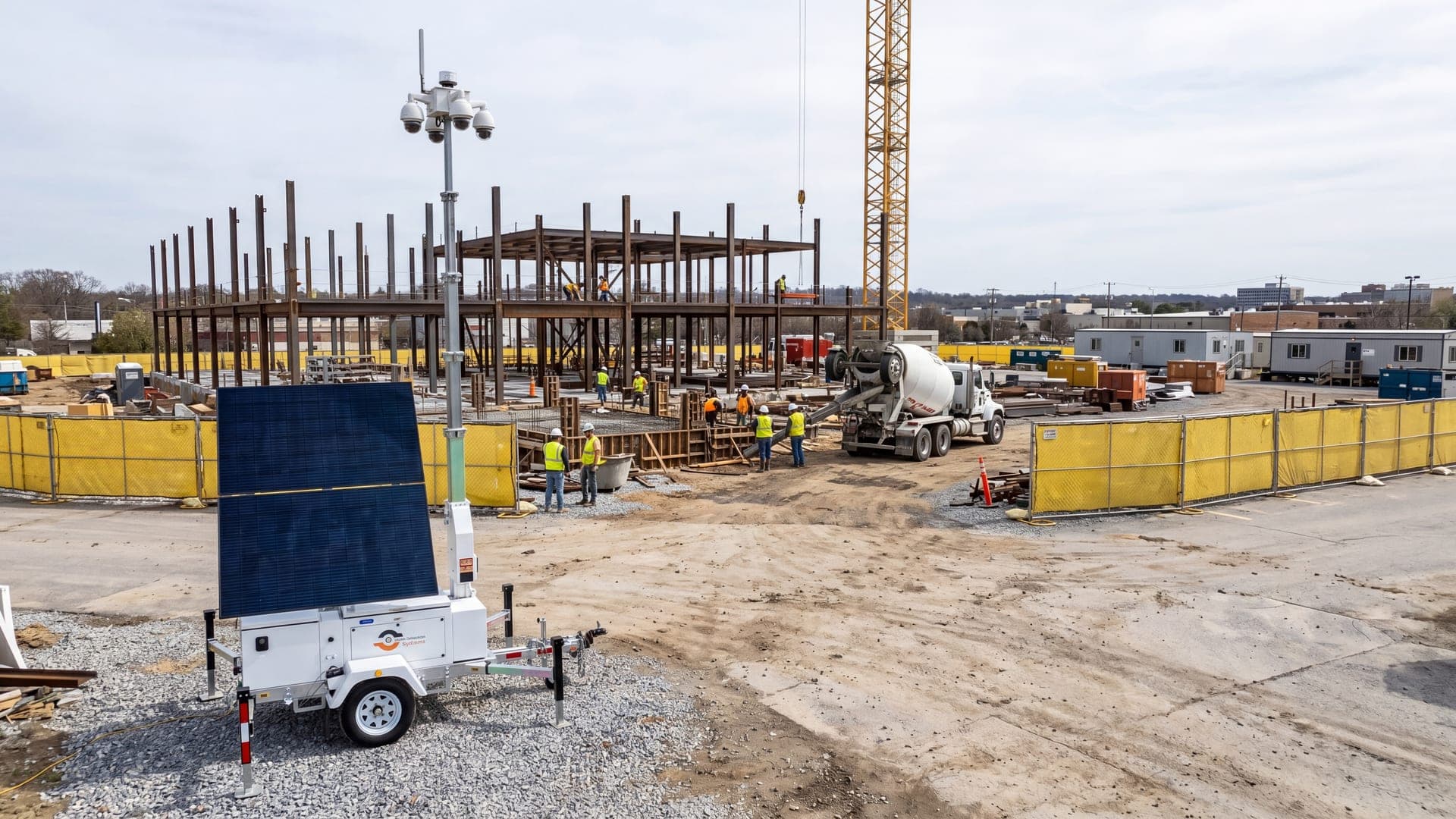 MSU-A · FLAGSHIPMULTI-SENSOR · NDAA
The Mobile Surveillance Unit.
Built for critical infrastructure.
Layered perimeter detection, NDAA-compliant hardware, and 24/7 SOC monitoring — all from a single solar-autonomous trailer.
From assessment
to covered.
Most data center customers go from initial conversation to a live trailer at the perimeter inside 7 business days.
Facility assessment
We review site layout, perimeter geometry, power infrastructure, and existing security layers. Fast quote turnaround.
Sensor configuration
Detection zones, camera presets, LPR rules, and alert protocols configured for your specific facility topology and compliance requirements.
Delivery & commissioning
Trailer delivered, mast raised, sensors calibrated. SOC monitoring begins immediately. No trenching, no utility power hookup required.
Monitoring & reporting
24/7 SOC coverage, monthly incident reports, compliance documentation, and system health monitoring delivered automatically.
Common questions.
How fast can VDS deploy at a data centers site?
A mobile surveillance unit is live in under 20 minutes once it arrives — most data centers sites go from first call to monitored coverage in days, not months. Most data center customers go from initial conversation to a live trailer at the perimeter inside 7 business days.
Do the units need power or internet at the site?
No. VDS units are solar-autonomous with battery storage and connect over cellular (4G/5G), so there is no trenching, no generator refueling schedule, and no dependence on site IT. That is what makes them practical for sites where fixed infrastructure is missing or still under construction.
What happens when the system detects someone after hours?
AI detection classifies the event and filters routine motion before a person ever sees it. A SOC operator verifies the live feed, challenges intruders by voice through 120 dB speakers with strobes, and — when it escalates — dispatches police with live video of the scene.
Which data centers security problems does monitored surveillance address?
The most common incidents at data centers sites are perimeter breach, copper theft from power infrastructure, social engineering access, vehicle-borne threats — the same exposure areas covered in the sections above. Monitored coverage addresses them by making the site actively watched instead of just recorded.
Can VDS work alongside our existing guards or security partner?
Yes — that is the standard model. Monitored surveillance carries the perimeter and after-hours watch, so people — yours or your security partner's — handle verified incidents instead of standing watch over empty hours. The SOC can route verified alerts to your team, your guard provider, or police dispatch.
Secure your data center this week.
Tell us your facility count, perimeter length, and compliance requirements — we'll quote the deployment — fast.