
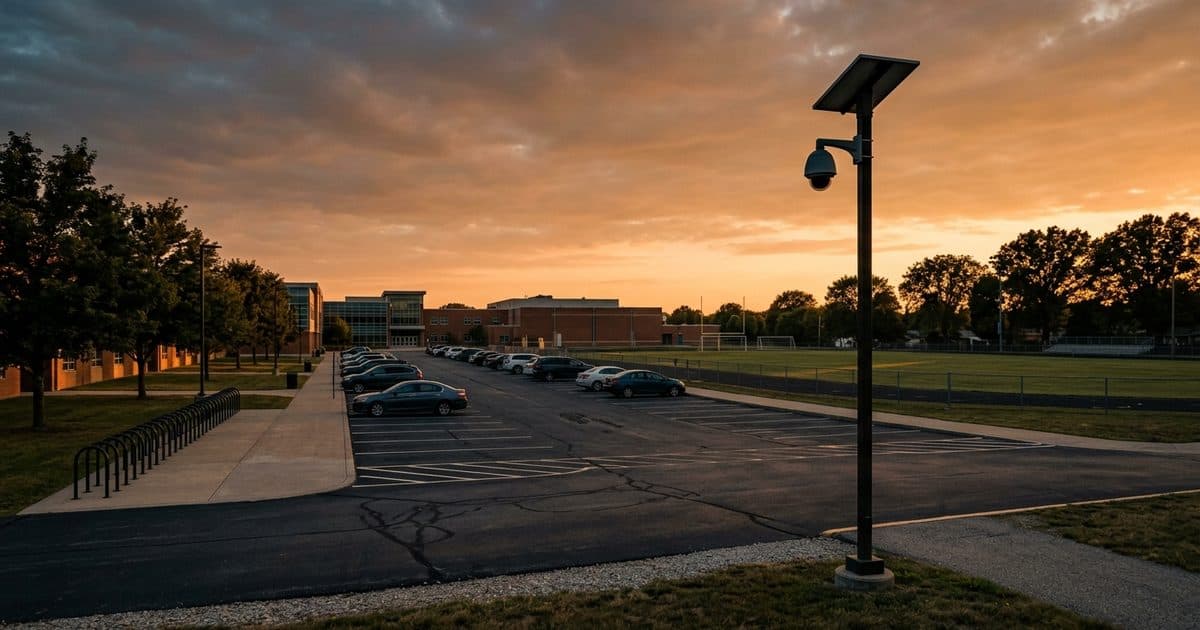
Empty campuses invite trouble.Give it a reason to leave.
After the last class lets out, campuses become sprawling, unmonitored expanses of parking lots, athletic fields, and dark corridors. VDS drops a solar-autonomous surveillance trailer on-site with AI analytics, LPR, thermal detection, and a live SOC operator on every alert — covering what campus police can't.
A campus is designed to be open, and openness is the security dilemma. Classroom buildings, surface lots, garages, athletic fields, and residence halls spread across ground that anyone can walk onto — then the population drains away every evening and disappears entirely over winter and summer breaks. Vehicle break-ins cluster in the lots after dark, vandalism spikes when buildings sit empty for weeks, and a campus police department that covers the whole footprint can only have a car in one place at a time. The exposure is not a single door — it is the whole map.
Passive cameras have been the default answer on campuses, and their limitation shows up in every incident review: the footage exists, the intervention never happened. A recorded break-in still means a student's window is smashed and a report gets filed. Campus security improves when the model inverts — when analytics flag a person moving through a closed lot at an odd hour, a live operator looks before anything escalates, a voice from the camera's own speaker announces that the area is monitored, and campus police are called with a description and live video only when the situation is real. That verification layer multiplies what a stretched department can actually cover.
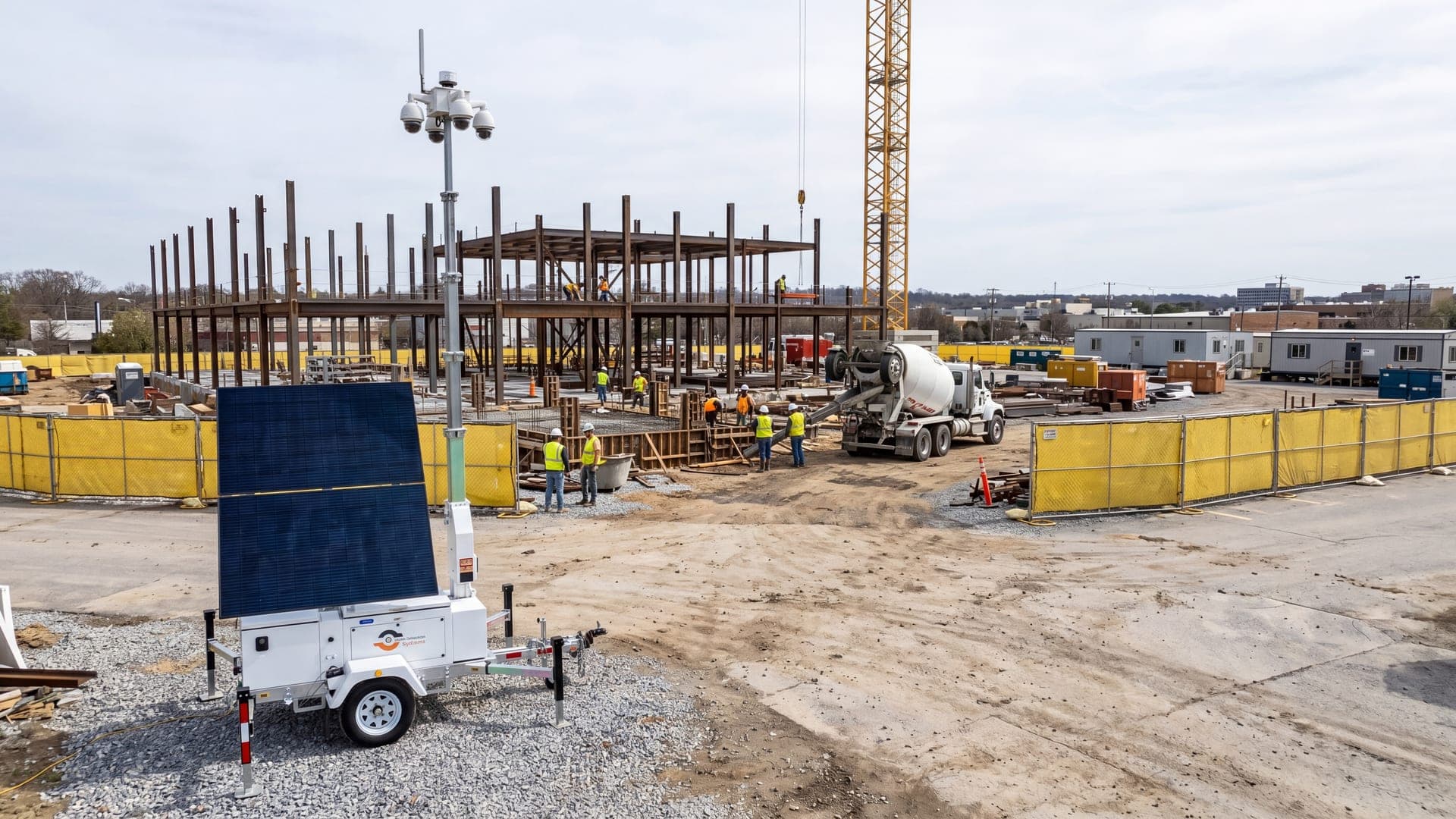
A solar-powered surveillance trailer fits campus geography because it goes where the semester's risk goes. It stands in a commuter lot through the fall, moves to a construction zone over break, covers the stadium lot on game weekends — no trenching across a quad, no waiting on facilities work orders, no tie-in to campus power or network. The elevated mast sees across an entire lot from one position, license plate capture logs what enters overnight, and the around-the-clock SOC behind it treats a quiet campus in July with the same attention as a full one in October.
The rest of this page lays out the after-hours threats campuses report most, how VDS configures coverage for lots, perimeters, and event surges, customer-reported results from education deployments, and answers to the questions campus safety directors ask about placement, coverage, and coordination with campus police.
The campus empties at 6 PM.
The threats don't.
Open perimeters, sprawling parking lots, and limited overnight staff make campuses uniquely vulnerable — especially after hours, on weekends, and during breaks.
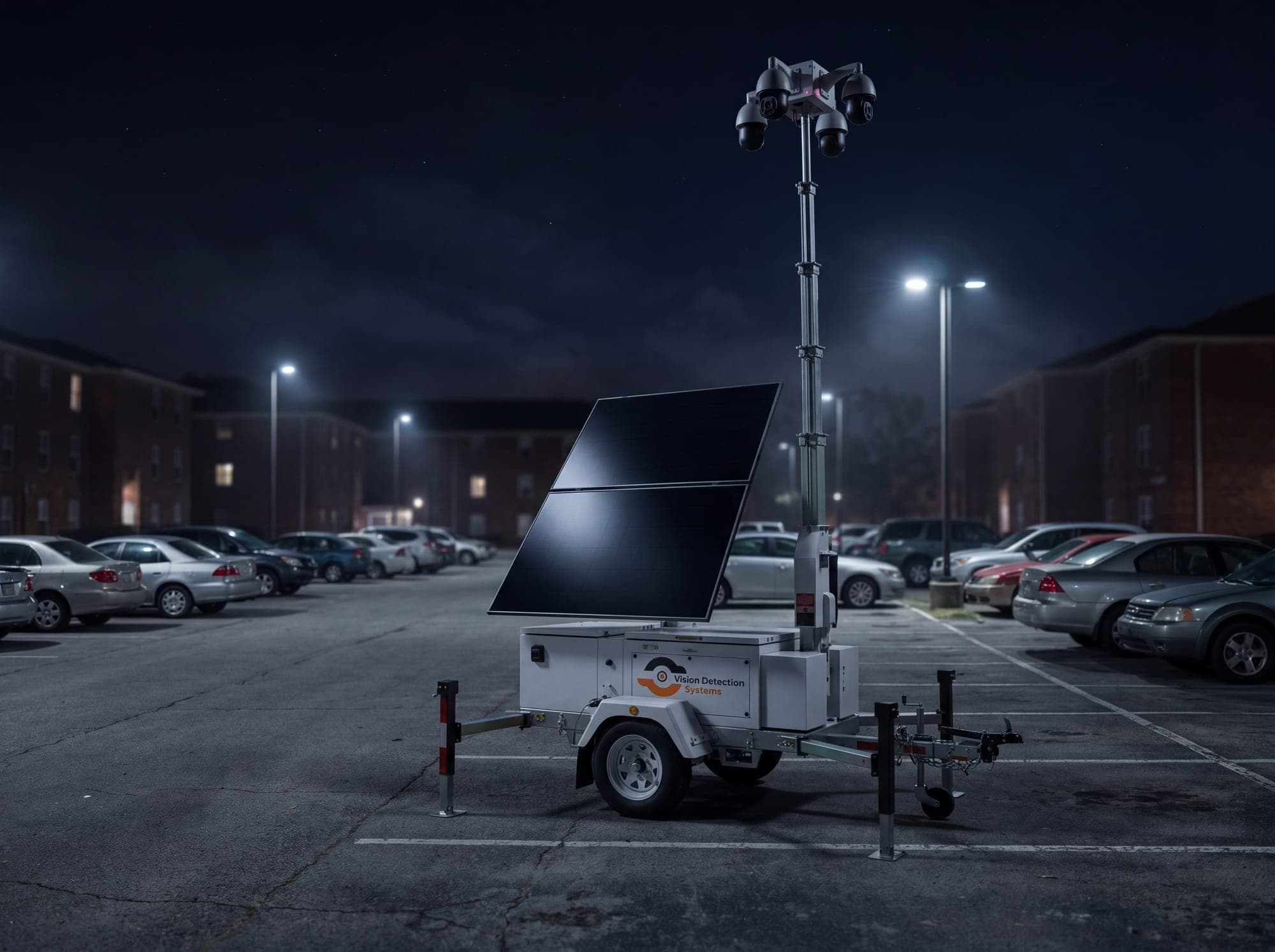
Campus perimeter breach
Open campuses invite unauthorized entry after hours. Fencing alone doesn't stop determined trespassers from accessing buildings and facilities.
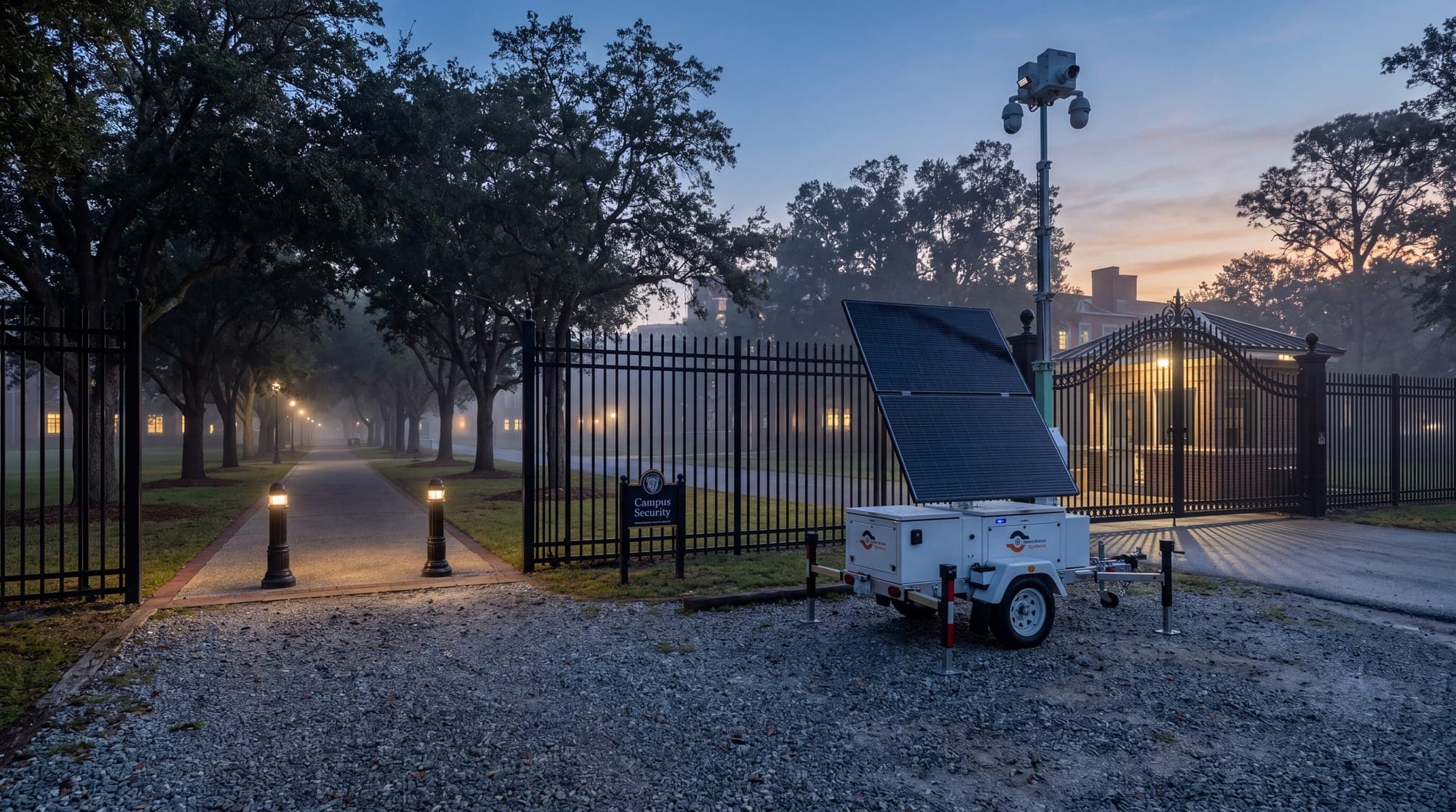
Parking lot crime
Vehicle break-ins, theft, and assaults concentrate in poorly lit campus parking structures and surface lots — especially at night.
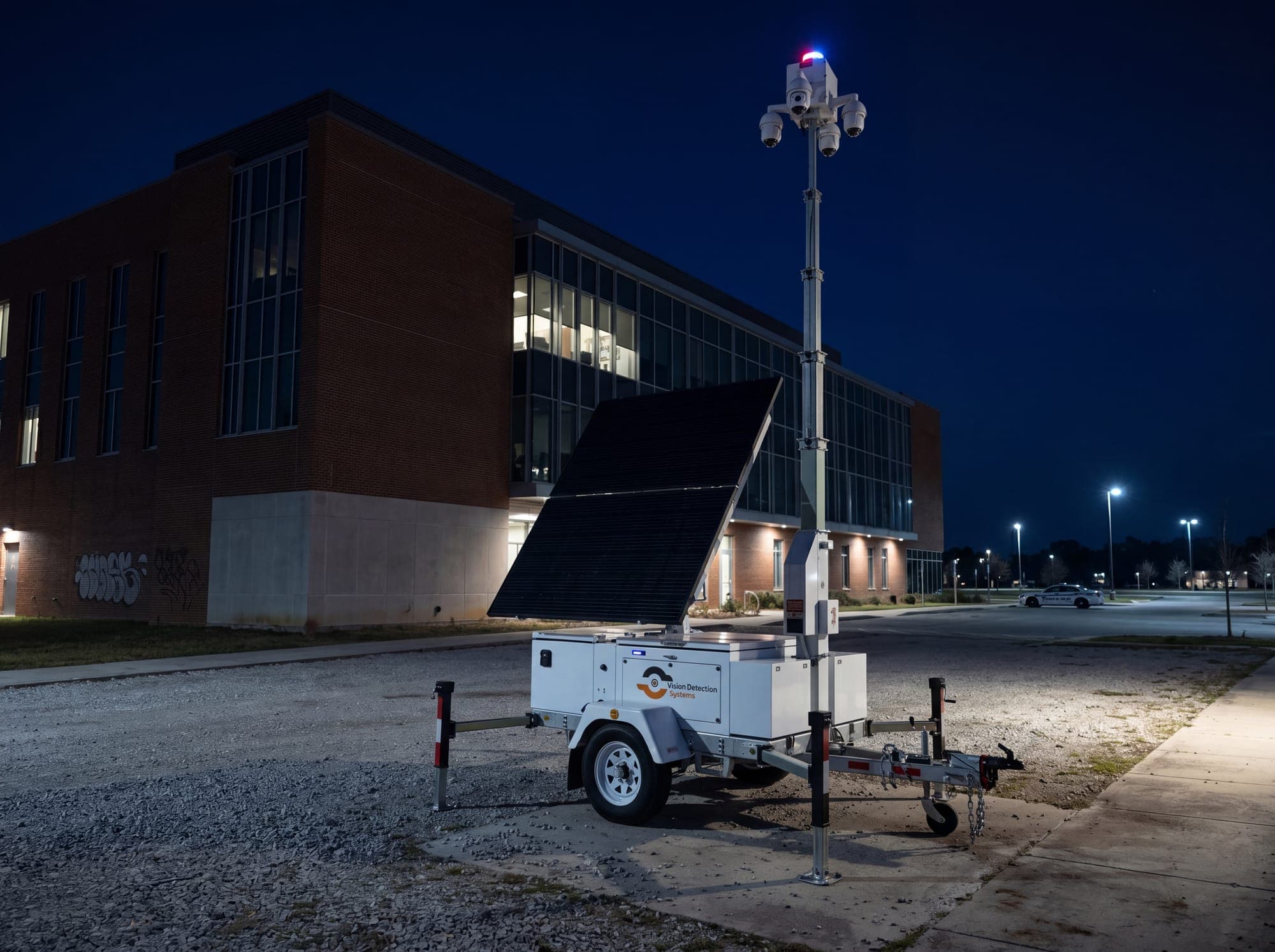
After-hours vandalism
Graffiti, property damage, and break-ins spike on weekends and holidays when buildings sit empty and staff is gone.
Active threat response
When seconds matter, campus police need real-time situational awareness. Legacy camera systems lack live monitoring and intelligent alerting.
AI sees the threat first.
The SOC handles it second.
AI-powered detection identifies, classifies, and tracks threats across campus. The SOC verifies every alert and escalates to campus PD in real time.
Open campus, closed loop.
Every entry point covered.
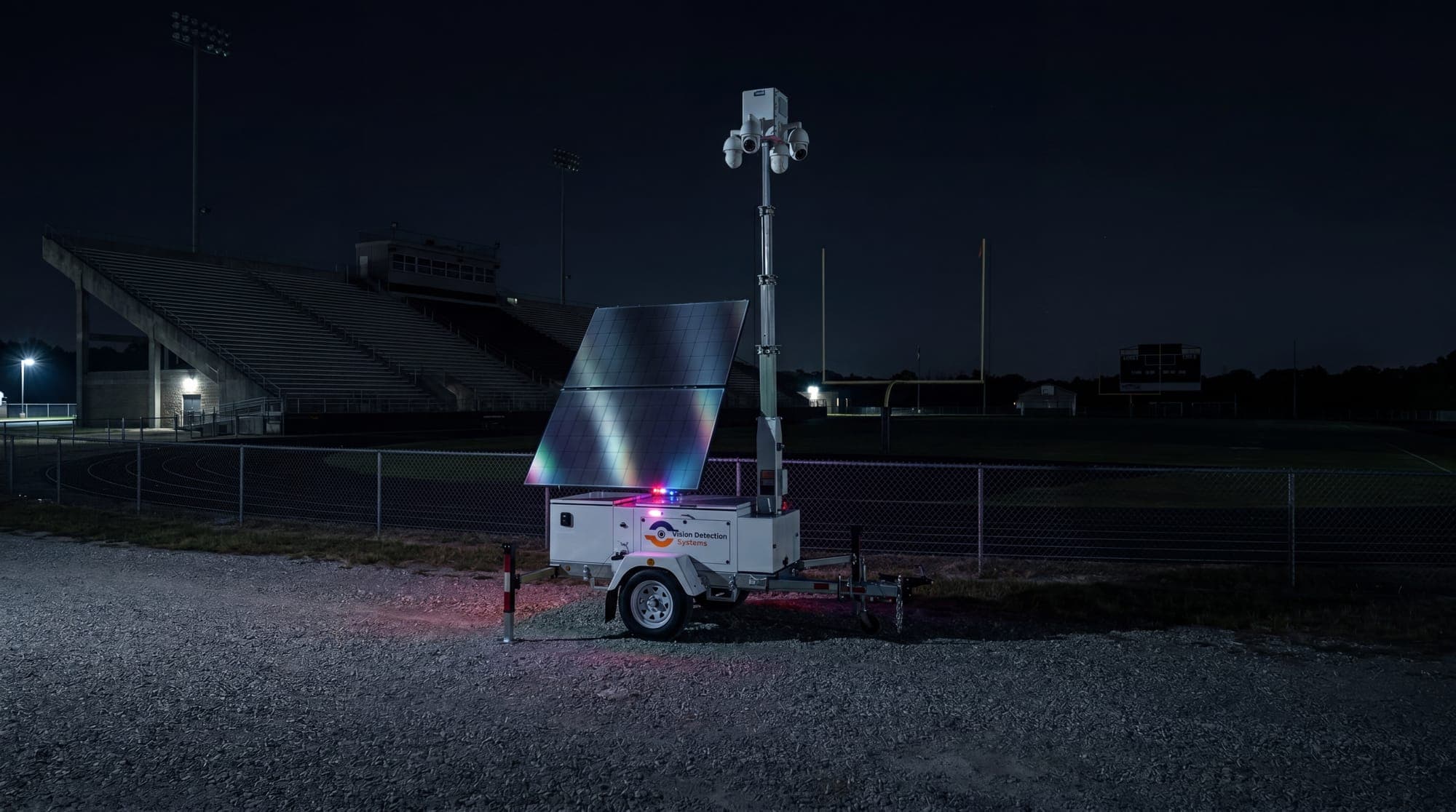
The MSU's AI-powered cameras and thermal imaging detect unauthorized movement along campus perimeters — day or night. The SOC receives alerts the moment someone crosses a virtual boundary, not after they're already inside.
- Virtual tripwire and zone-based alerts
- Thermal detection through darkness and fog
- AI-classified human vs. animal vs. vehicle
- Live SOC verification on every alert
 STEP 01
Every plate. Every lot.
Every shift.
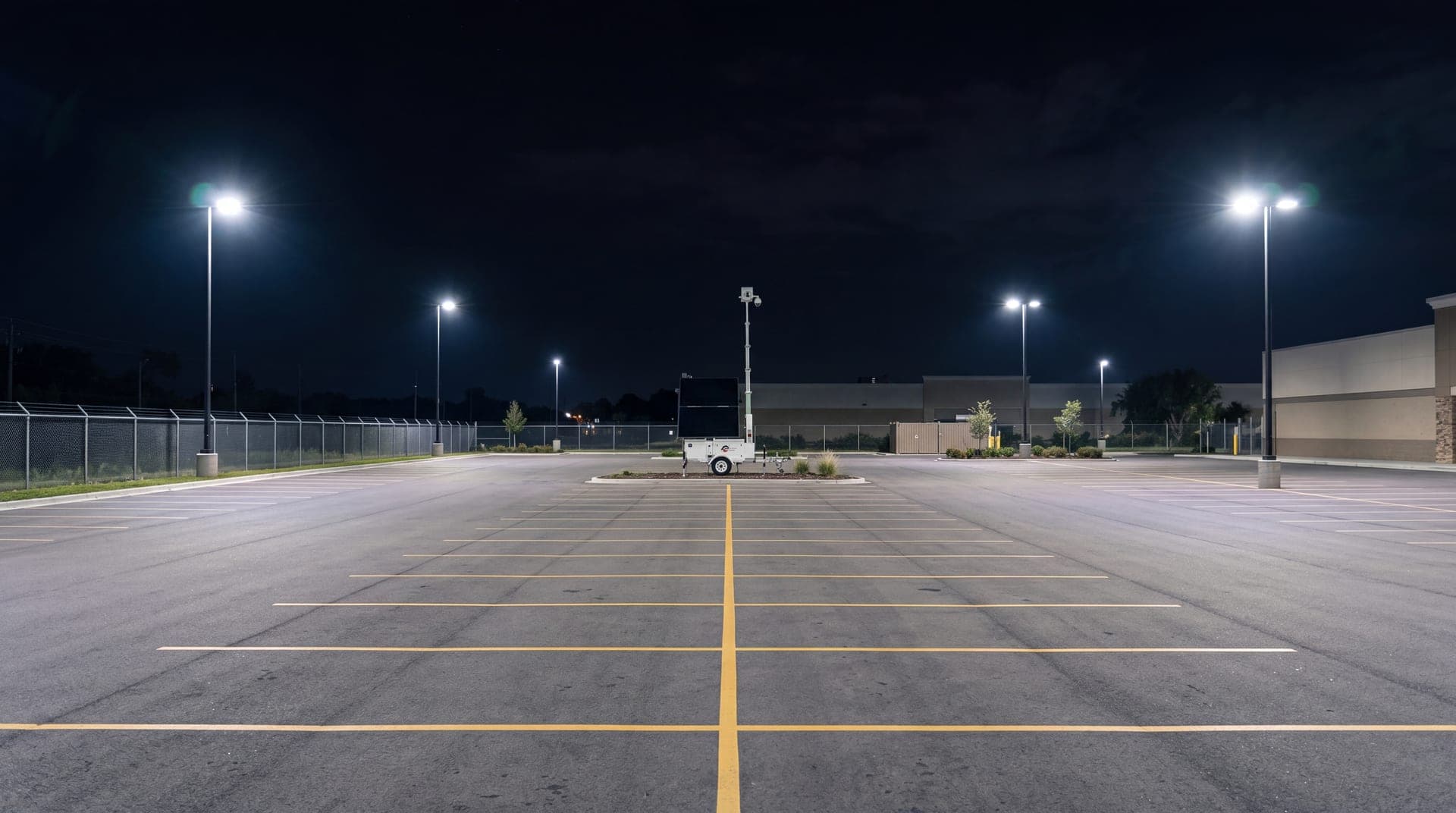
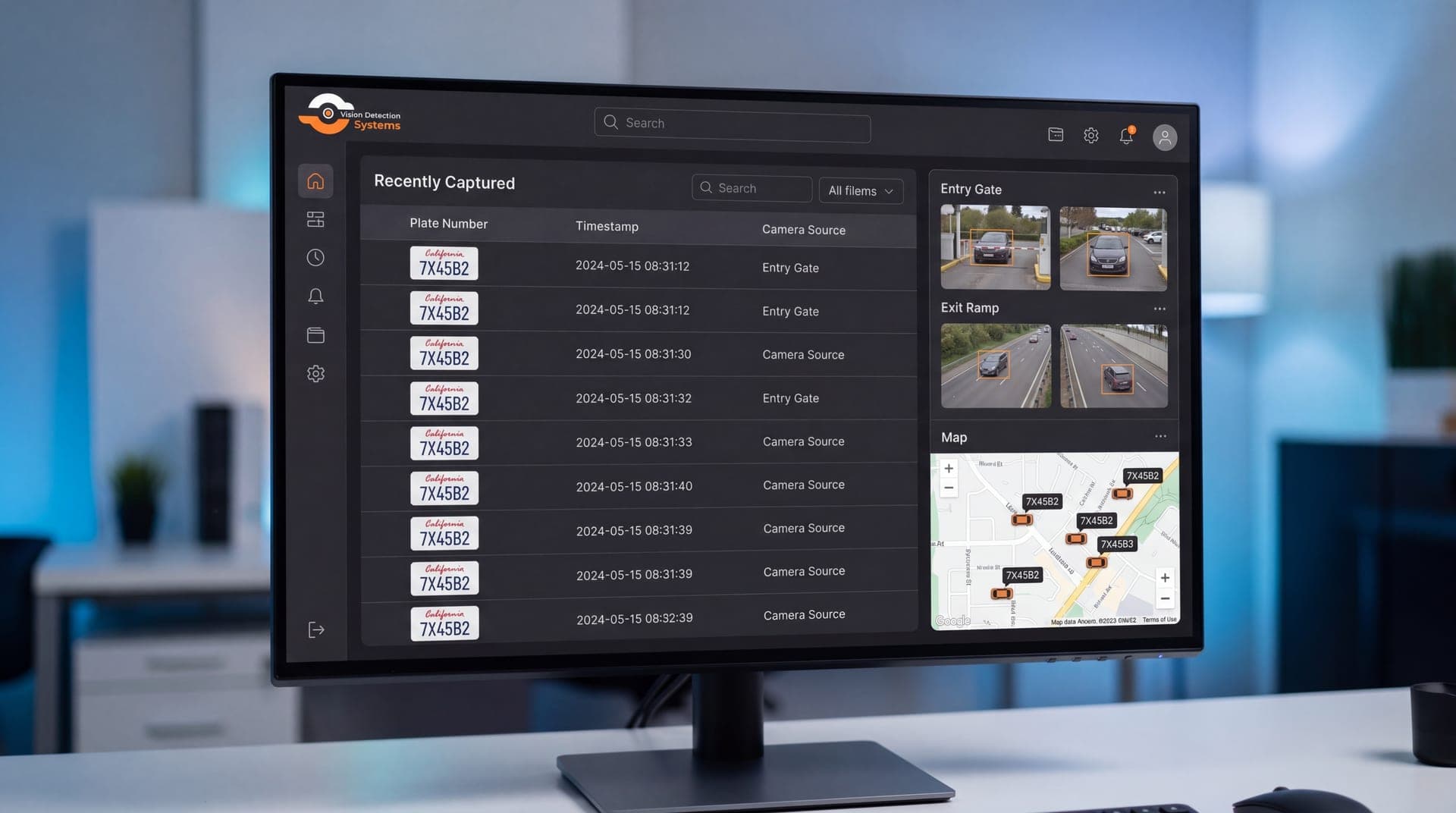
License plate recognition logs every vehicle entering and exiting campus lots. Stolen vehicles, banned individuals, and unauthorized overnight parkers are flagged in real time. The SOC can issue talk-downs before incidents escalate.
- Automated license plate capture and logging
- Hot-list matching for stolen or banned vehicles
- Time-based parking enforcement support
- Searchable plate history for investigations
 STEP 02
Blue-light ready.
SOC-connected.
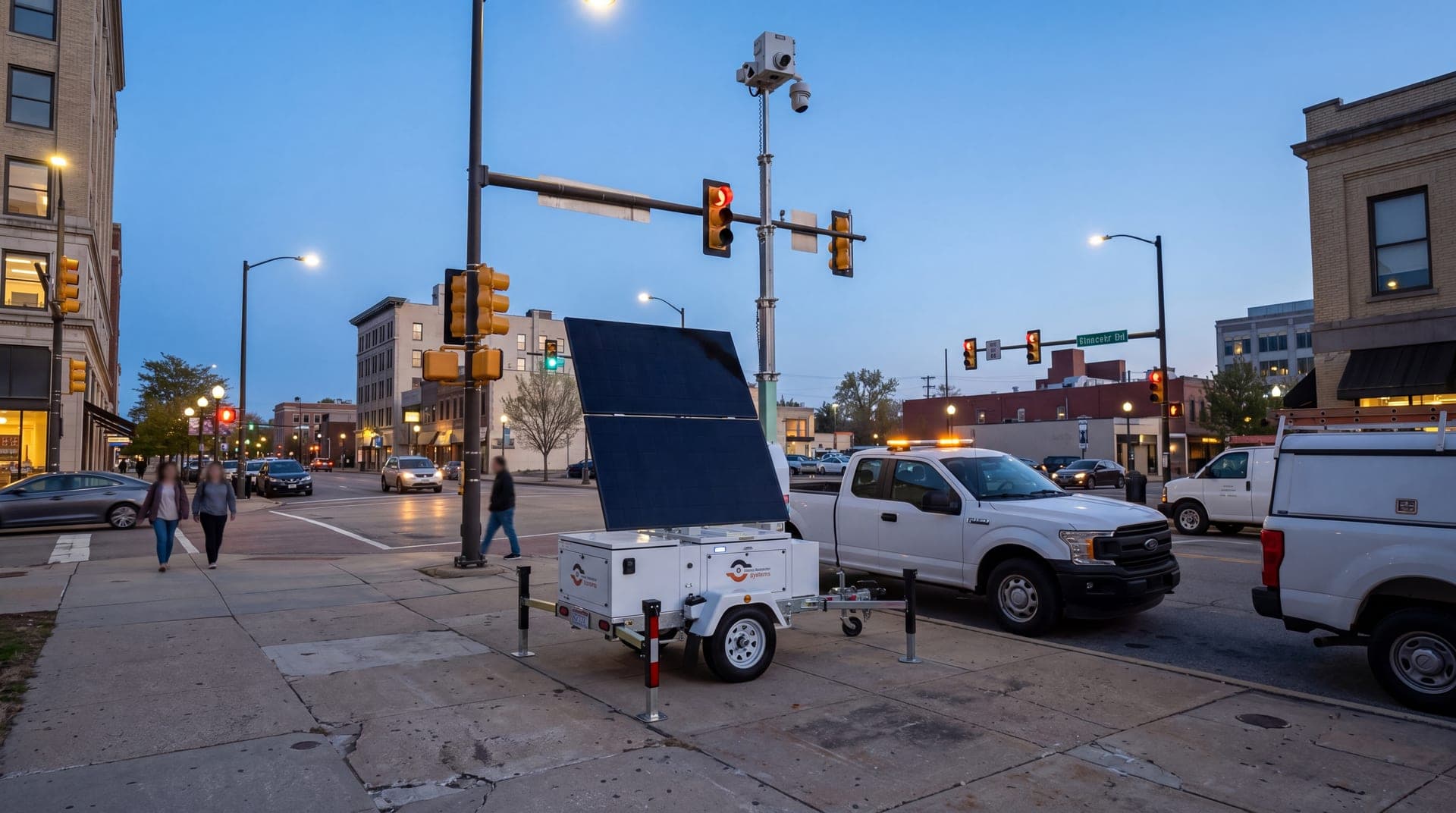
The MSU integrates with existing campus emergency infrastructure. When a blue-light station activates or an emergency call comes in, the SOC can slew the nearest camera, illuminate the area with onboard lighting, and provide live video to responding officers.
- Camera auto-slew to emergency zones
- Onboard high-intensity lighting activation
- Live video feed to campus PD dispatch
- Two-way audio for immediate voice contact
 STEP 03
Summer break. Winter break.
No break in coverage.
Campus police departments are stretched thin — especially during breaks, holidays, and overnight shifts. VDS provides uninterrupted 24/7 SOC monitoring without adding headcount. Solar power and cellular connectivity mean zero infrastructure dependency.
- Solar-autonomous — no campus power needed
- 4G/5G cellular backhaul
- No staffing overhead or overtime
- Relocatable between lots, fields, and buildings
 STEP 04
Every corner of campus.
One platform.
The MSU adapts to your specific campus environment. Here are the scenarios education clients deploy for most often.
Parking structures & lots
High-traffic parking areas where vehicle break-ins, theft, and personal safety incidents are most frequent — especially after dark.
Athletic complexes
Stadiums, fields, and fitness centers with expensive equipment, minimal fencing, and heavy foot traffic on event days.
Residence hall perimeters
Dormitory exteriors and surrounding paths where late-night incidents and unauthorized access pose the highest risk to students.
Construction zones
Active campus construction sites with heavy equipment, materials, and open access points that attract theft and trespassing.
Event venues
Graduation ceremonies, sporting events, and large gatherings requiring temporary surge surveillance and crowd monitoring.
Remote campus annexes
Satellite facilities, research stations, and off-campus buildings with limited security infrastructure and infrequent patrols.
Real campuses.
Real numbers.
Every metric below comes from a real VDS education customer. Names protected per agreement.
Customer-reported outcomes from VDS deployments. Results vary by site conditions, monitoring configuration, and response protocols. How we measure →
We had three parking lot incidents a month. VDS went live in September. We had zero the entire fall semester.
 MSU-A · FLAGSHIP25× PTZ · LPR · OPT. THERMAL
The Mobile Surveillance Unit.
Built for campus security.
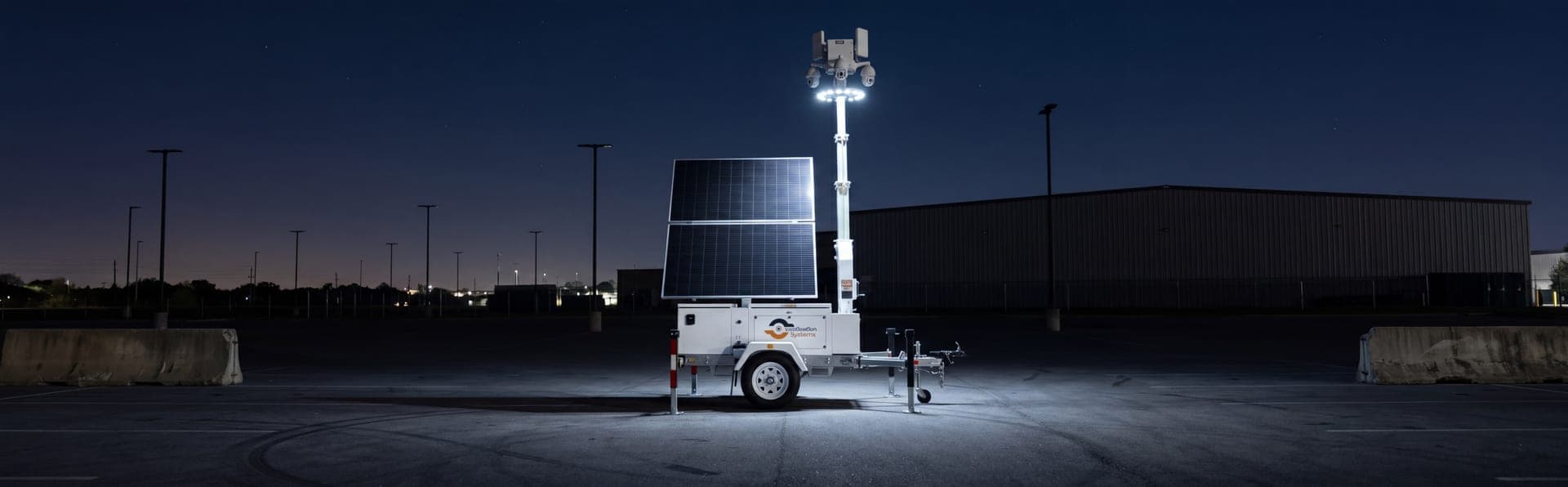
AI-powered cameras, license plate recognition, two-way audio, and 24/7 SOC monitoring — all from a single solar-autonomous trailer.
From assessment
to covered.
Most education customers go from initial conversation to a live trailer on campus inside 7 business days.
Campus assessment
We review campus layout, parking lot geometry, high-risk zones, and existing security infrastructure. Fast quote turnaround.
System configuration
Camera zones, LPR rules, virtual tripwires, and alert protocols configured for your specific campus topology and threat profile.
Delivery & commissioning
Trailer delivered, mast raised, cameras calibrated. SOC monitoring begins immediately. No trenching, no utility hookup required.
Reporting & optimization
Monthly incident reports, trend analysis, and zone optimization delivered automatically. Seasonal repositioning as campus needs shift.
Common questions.
How fast can VDS deploy at a education & campus site?
A mobile surveillance unit is live in under 20 minutes once it arrives — most education & campus sites go from first call to monitored coverage in days, not months. Most education customers go from initial conversation to a live trailer on campus inside 7 business days.
Do the units need power or internet at the site?
No. VDS units are solar-autonomous with battery storage and connect over cellular (4G/5G), so there is no trenching, no generator refueling schedule, and no dependence on site IT. That is what makes them practical for sites where fixed infrastructure is missing or still under construction.
What happens when the system detects someone after hours?
AI detection classifies the event and filters routine motion before a person ever sees it. A SOC operator verifies the live feed, challenges intruders by voice through 120 dB speakers with strobes, and — when it escalates — dispatches police with live video of the scene.
Which education & campus security problems does monitored surveillance address?
The most common incidents at education & campus sites are campus perimeter breach, parking lot crime, after-hours vandalism, active threat response — the same exposure areas covered in the sections above. Monitored coverage addresses them by making the site actively watched instead of just recorded.
Can VDS work alongside our existing guards or security partner?
Yes — that is the standard model. Monitored surveillance carries the perimeter and after-hours watch, so people — yours or your security partner's — handle verified incidents instead of standing watch over empty hours. The SOC can route verified alerts to your team, your guard provider, or police dispatch.
Secure your campus this week.
Tell us your campus layout, parking lot count, and security priorities — we'll quote the deployment — fast.