
Utility articles.
17 ARTICLES · NEWEST FIRST
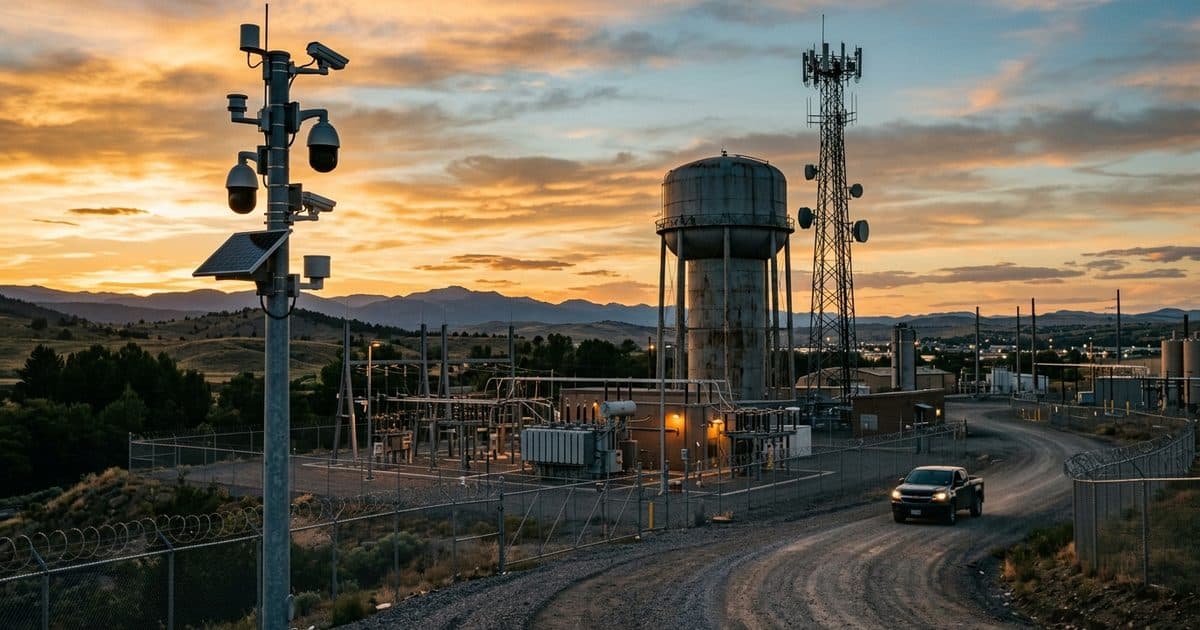
Critical Infrastructure Perimeter Security Checklist
A perimeter is a set of layers, and each layer has a different job. This checklist walks through detect, deter, verify and respond so you can find the weak layer at each site.
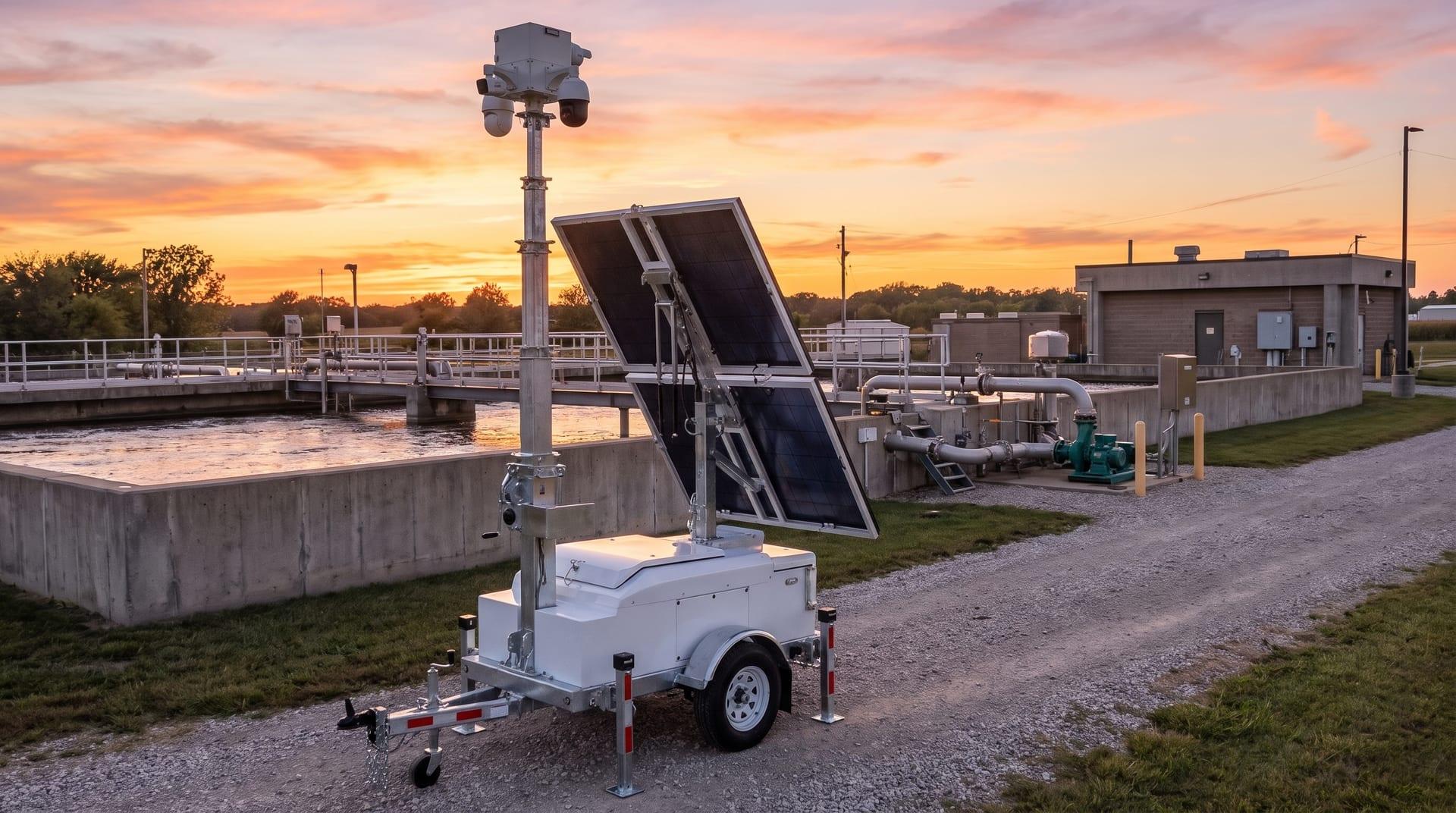
Electric Cooperative Security Cameras for Rural Substations and Remote Assets
Electric cooperatives run many small, remote sites with small crews and limited after-hours staffing. This guide covers how to choose where cameras go and how to get alerts handled without adding headcount.
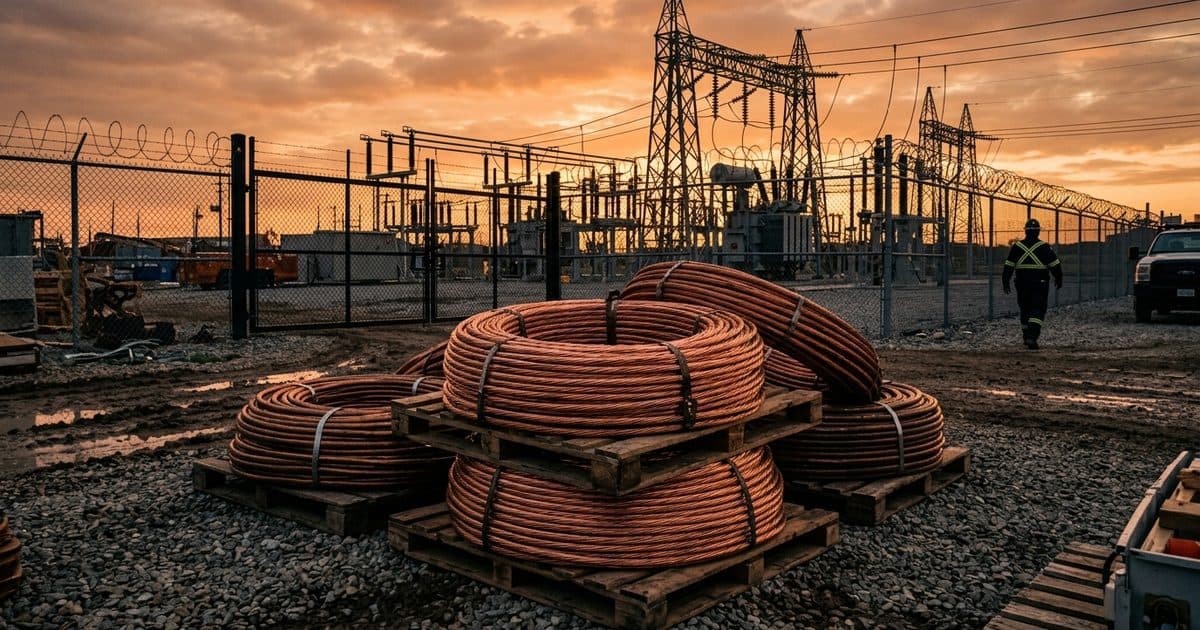
HVAC and Air Conditioner Theft Prevention for Commercial Sites
Rooftop and ground-level cooling units hold copper that thieves can strip in minutes. Physical barriers, clear camera views and live monitoring work best together.
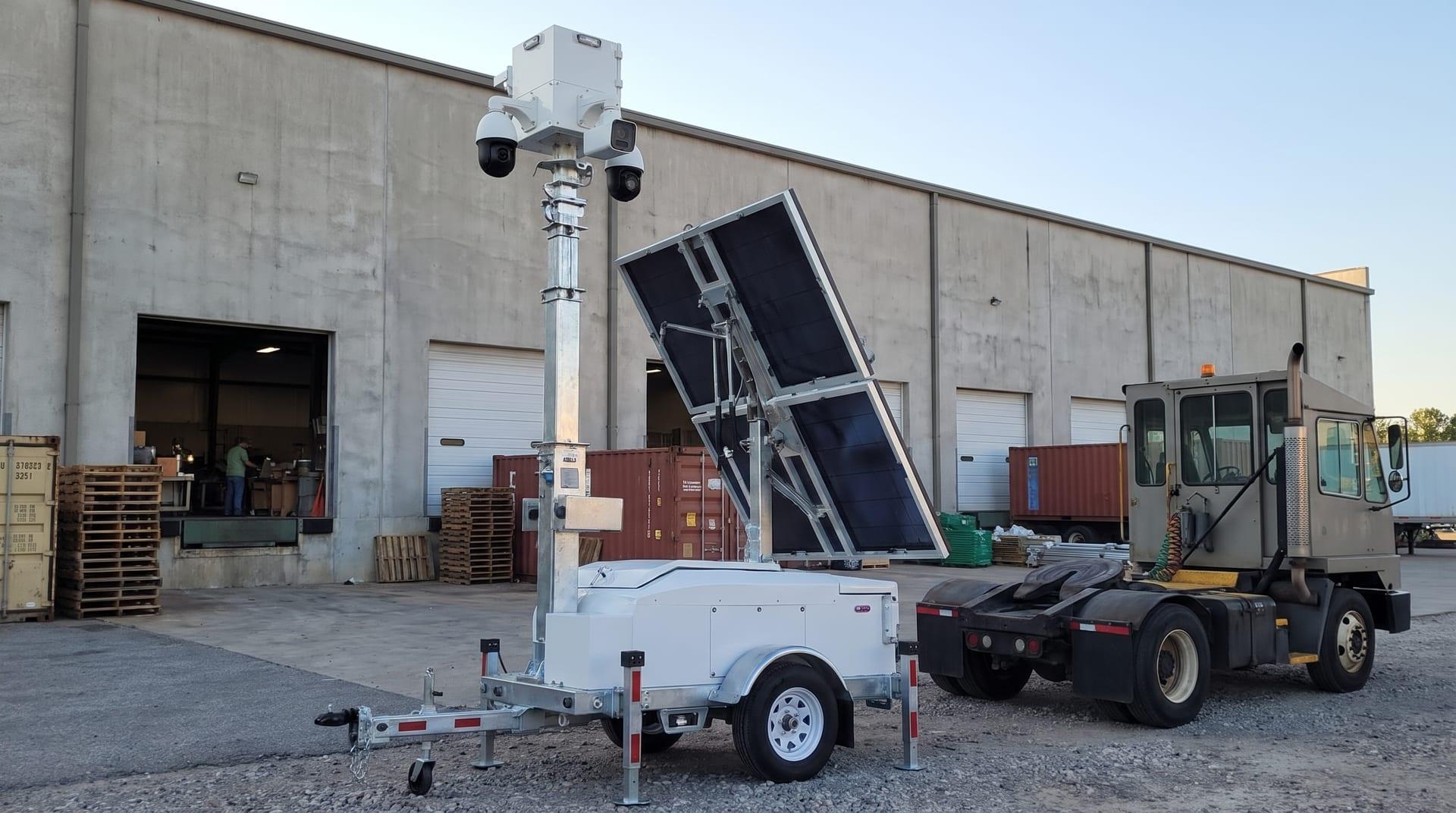
Industrial Park Security Cameras for Multi-Tenant Sites
Industrial parks combine many tenants, parked trailers, stored metal and long fence lines on one property. This guide explains how to plan coverage and monitoring so the whole park is protected.
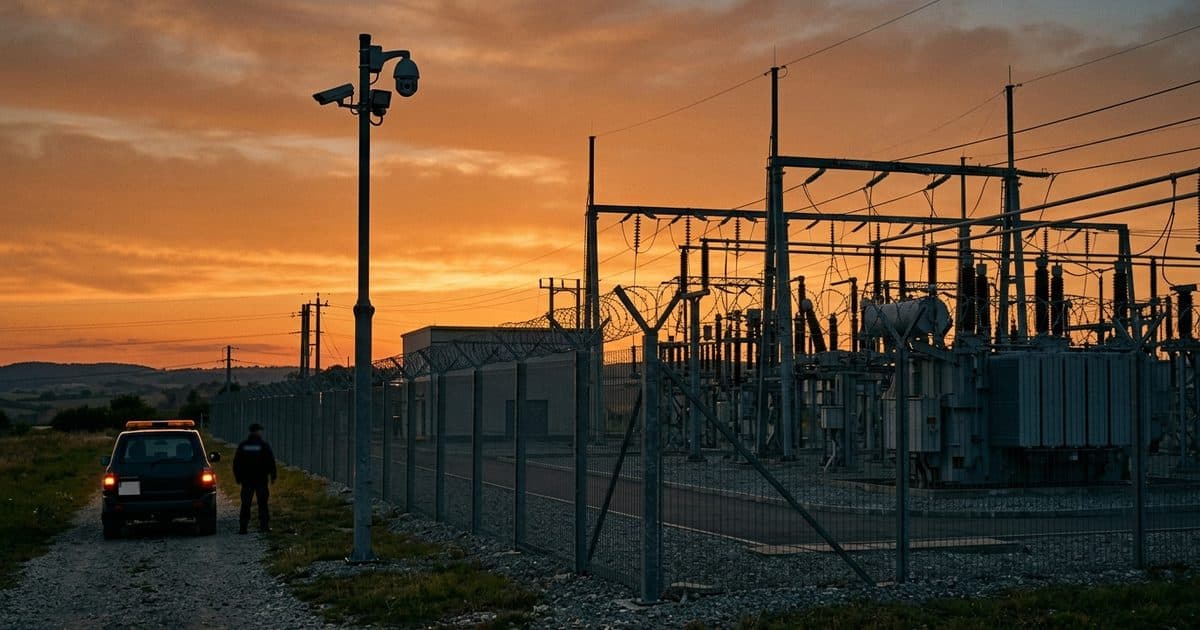
Physical Security for NERC CIP Sites: The Basics
Bulk electric sites face physical security expectations that go beyond a fence and a camera. This guide covers what those expectations commonly address and why evidence and logging matter.
Solar Farm Cable and Inverter Theft: Why It Happens and How to Detect It
Copper cable, inverters and combiner boxes are targeted because they hold recyclable metal and sit far from anyone watching. Here is how these thefts work and how to catch them early.
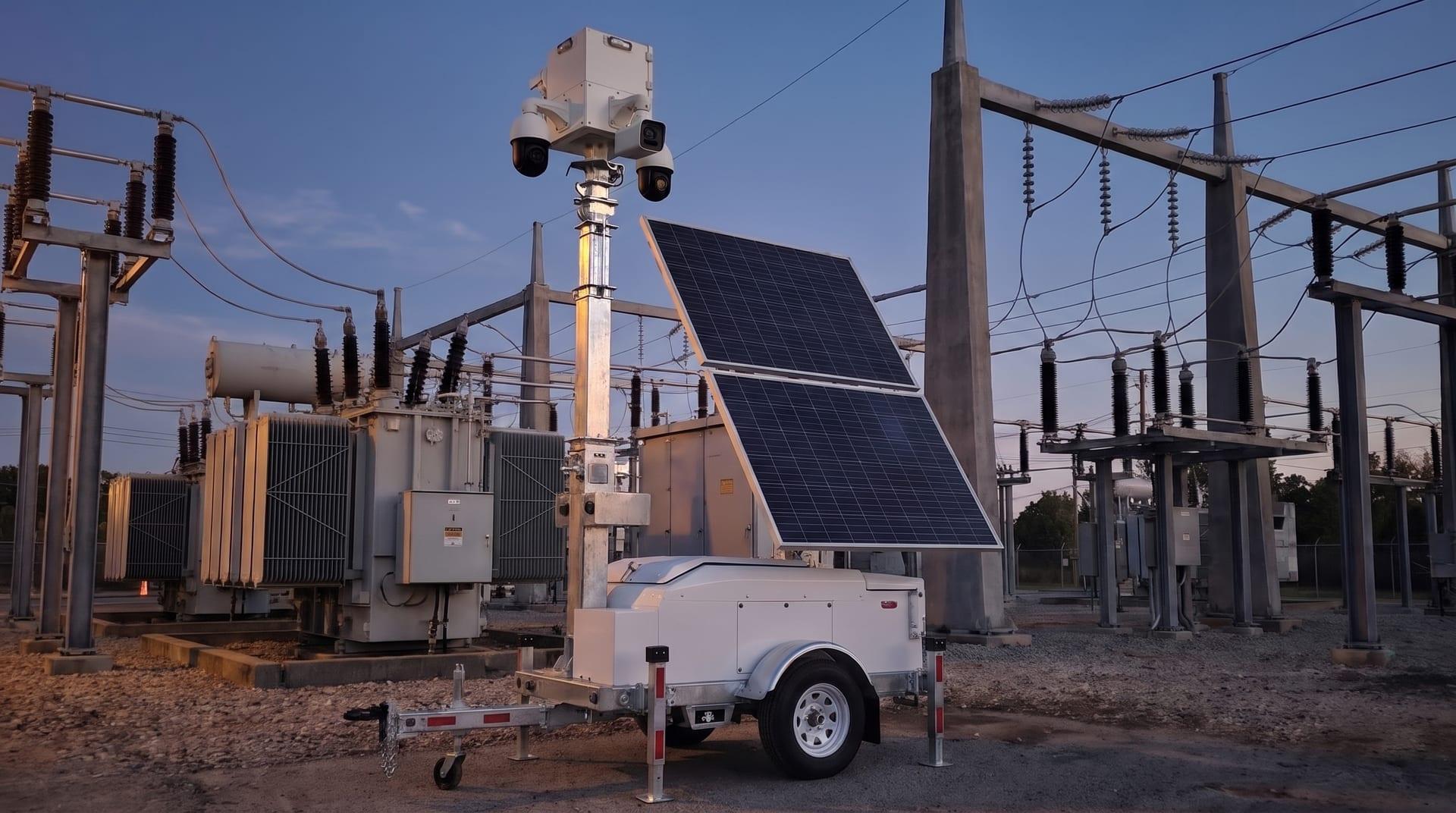
Utility Laydown Yard Security: Protecting Transformers, Wire and Materials
Laydown yards hold transformers, conductor, poles and tools in open storage. This guide explains how theft happens and how to cover a yard so people can act while it is happening.
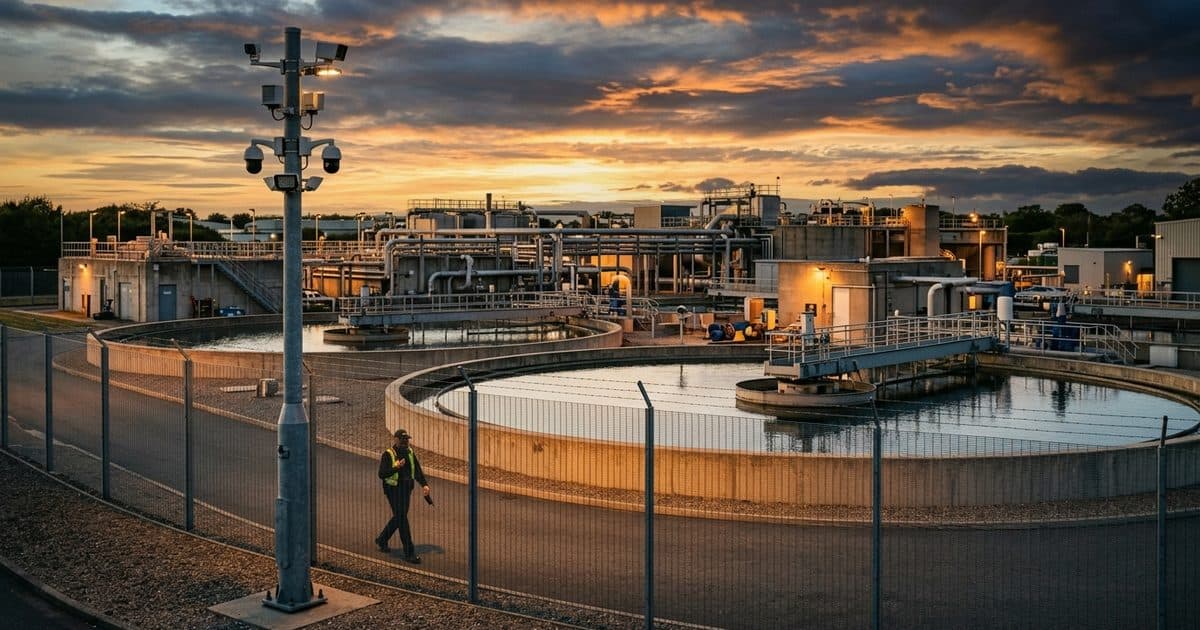
How to Run a Water Utility Physical Security Assessment
A water system is a spread of very different sites, from a fenced treatment plant to a lone well on a county road. Assess each site type on its own terms and then rank them against one another.
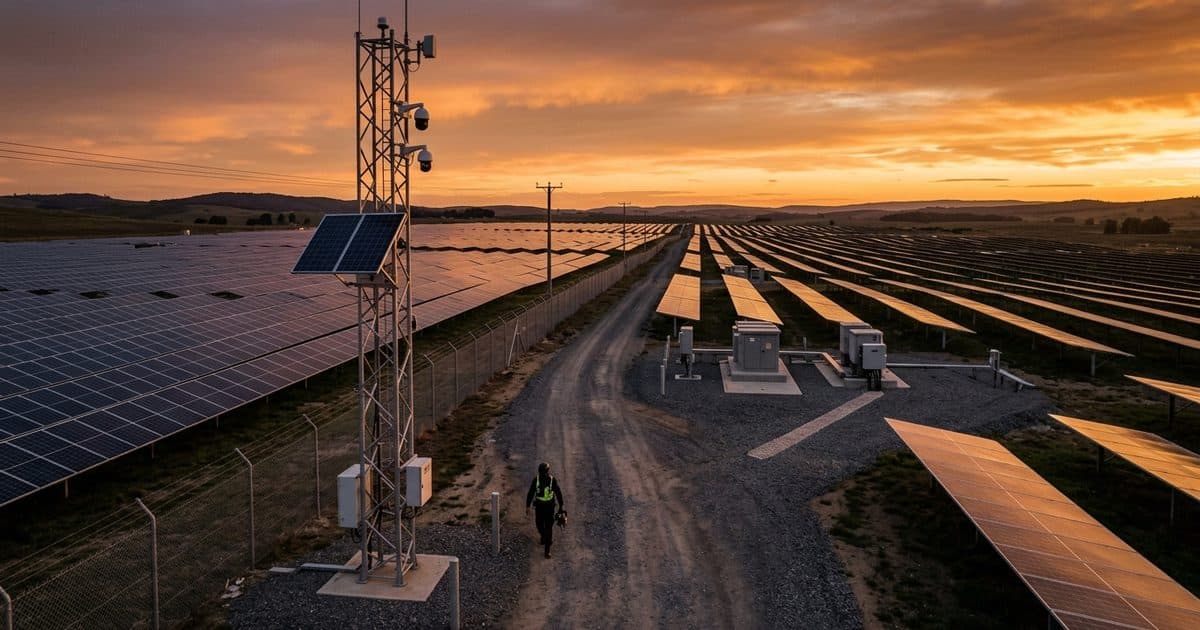
Wind Farm Security Cameras for Remote Turbine Sites
Turbines, access roads and laydown yards sit miles apart with no reliable power or internet. Here is how to cover them with solar-powered, monitored cameras.
Copper Theft in 2026: Record Prices, Organized Crews, and the Laws Catching Up
AT&T disclosed more than 10,000 copper theft incidents in 2025, with losses topping $80 million and what the company called clear evidence of organized crime. Record copper prices, professional crews, and slow scrap-law enforcement have turned metal theft into a critical-infrastructure problem. Here is what changed heading into 2026 and how operators are getting ahead of it.
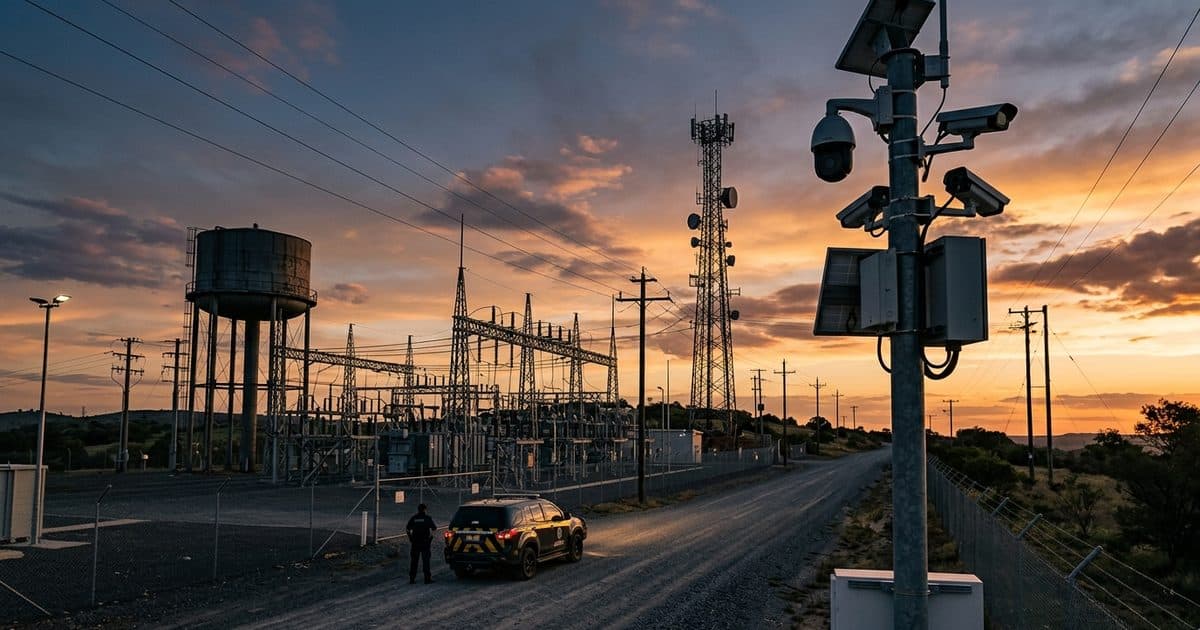
Critical Infrastructure Physical Security: A Practical Playbook for Site Operators
Physical attacks and theft against critical infrastructure are rising across nearly every dataset regulators publish. This playbook covers the threat picture, what regulation does and does not require, and a layered deter-detect-verify-respond model that site operators can apply to substations, water plants, towers, and energy facilities.
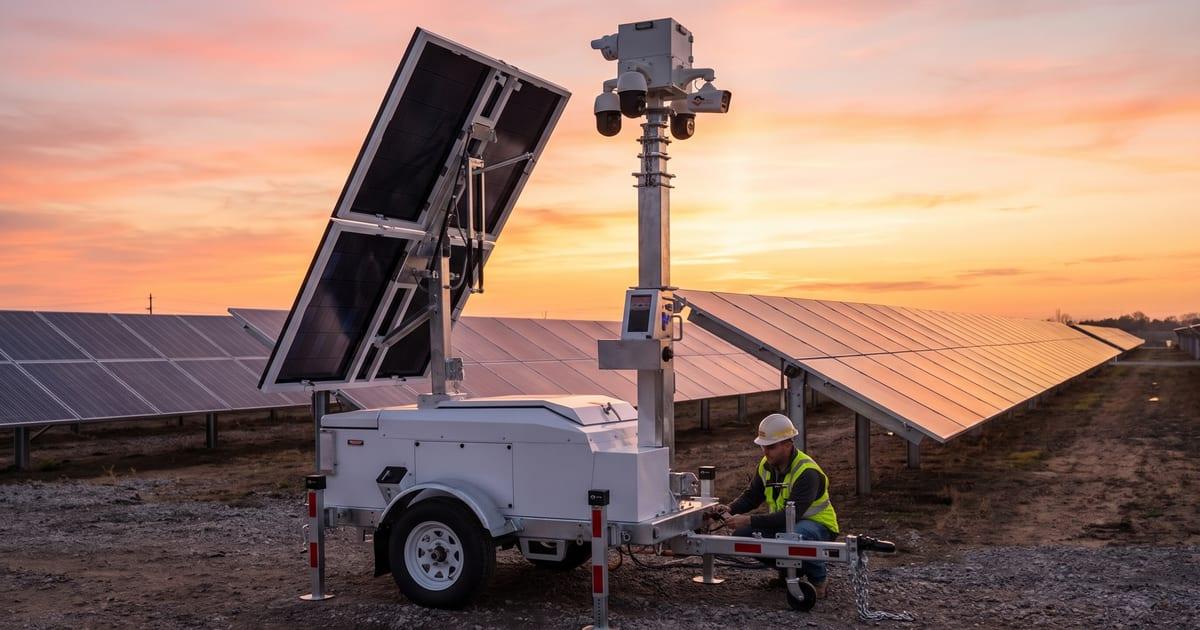
Solar Farm Security Cameras: Protecting Panels, Copper, and Inverters at Remote Sites
The US installed a record 50 GW of new solar in 2024, but trade coverage reports that security spending at PV sites has not kept pace. Copper feeder runs, inverters, and panels at remote, unstaffed sites are drawing repeat theft, and downtime losses routinely dwarf the value of the stolen material. Here is how off-grid camera systems close the gap during construction and operations.
Substation Physical Security and NERC CIP-014: What Utilities Actually Have to Do
Physical attacks on the US grid hit a record in 2023, yet NERC CIP-014 covers only a narrow set of critical transmission substations. This guide explains the standard's scope in plain language, why most distribution substations fall outside it, and what proportionate protection looks like for the sites regulation never reaches.
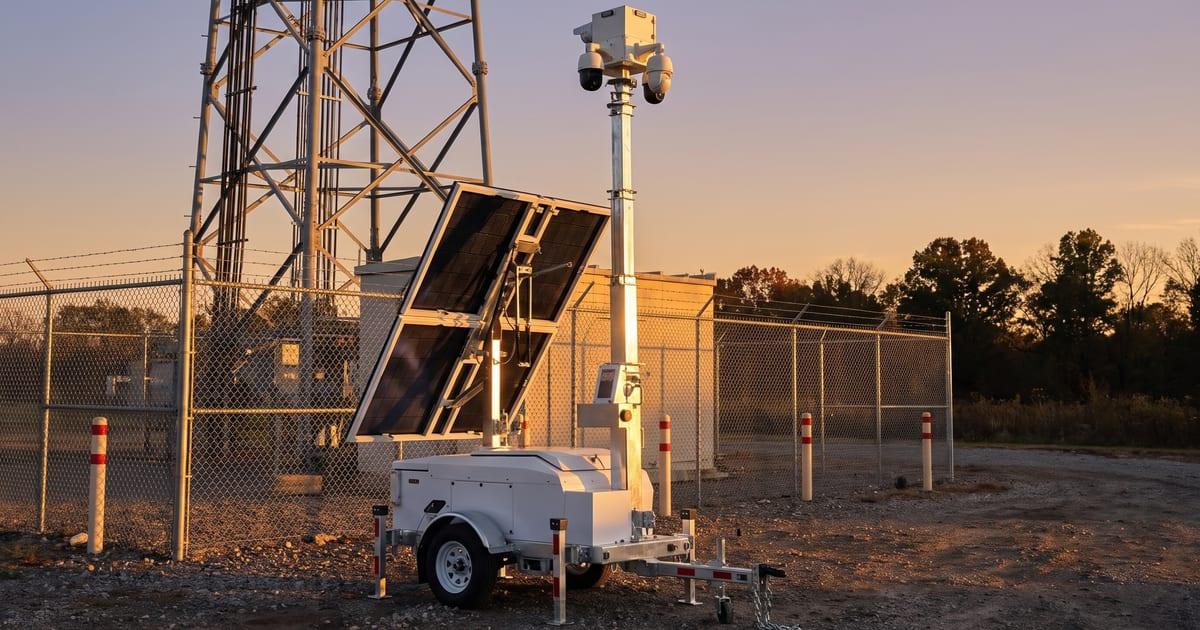
Cell Tower Security: Stopping Copper Theft at Unmanned Sites
Why thousands of unstaffed compounds are the softest target in the network, why fixed CCTV rarely gets installed at all, and how solar-autonomous surveillance with thermal detection and live monitoring closes the gap.
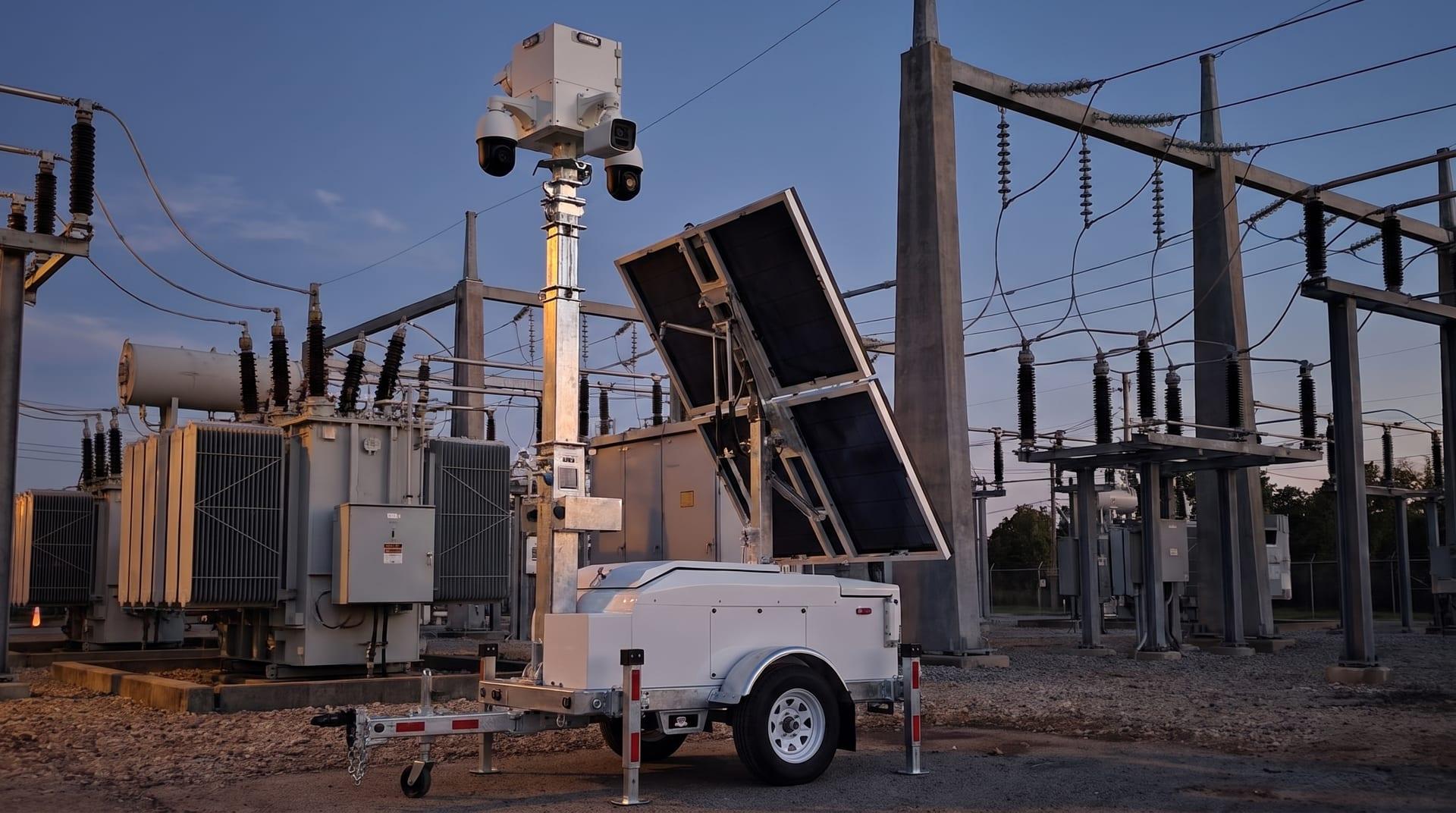
Copper Theft Prevention at Substations: A Utility Security Guide
Detection strategies, perimeter monitoring, thermal cameras, and response protocols tailored to utility infrastructure theft patterns
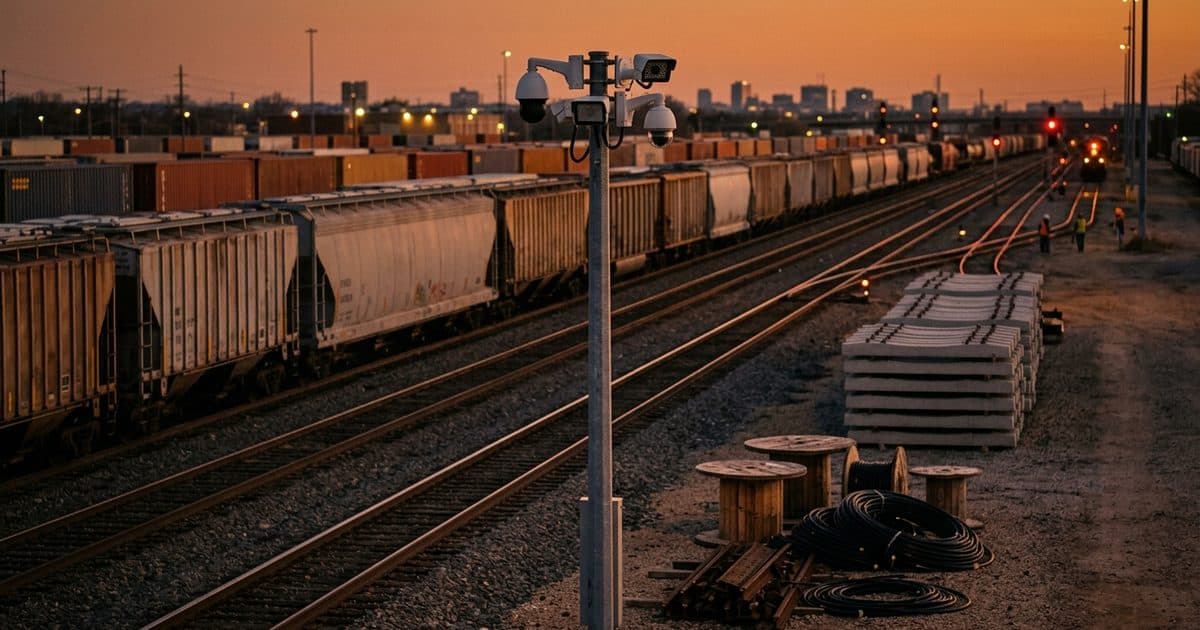
Rail Yard Security: Stopping Copper Theft Without Guards on Miles of Track
Why rail right-of-way and intermodal yards are structurally hard to secure, why fixed cameras and substation-only coverage leave miles exposed, and how solar-autonomous surveillance with gate LPR closes the gap.
Water Treatment Security Cameras: Covering the Plant and Every Unmanned Site Behind It
Why contamination risk, remote pump stations, and copper theft make water utilities one of the hardest systems to secure — and how relocatable solar surveillance with live monitoring covers the whole footprint.