
Technology articles.
14 ARTICLES · NEWEST FIRST
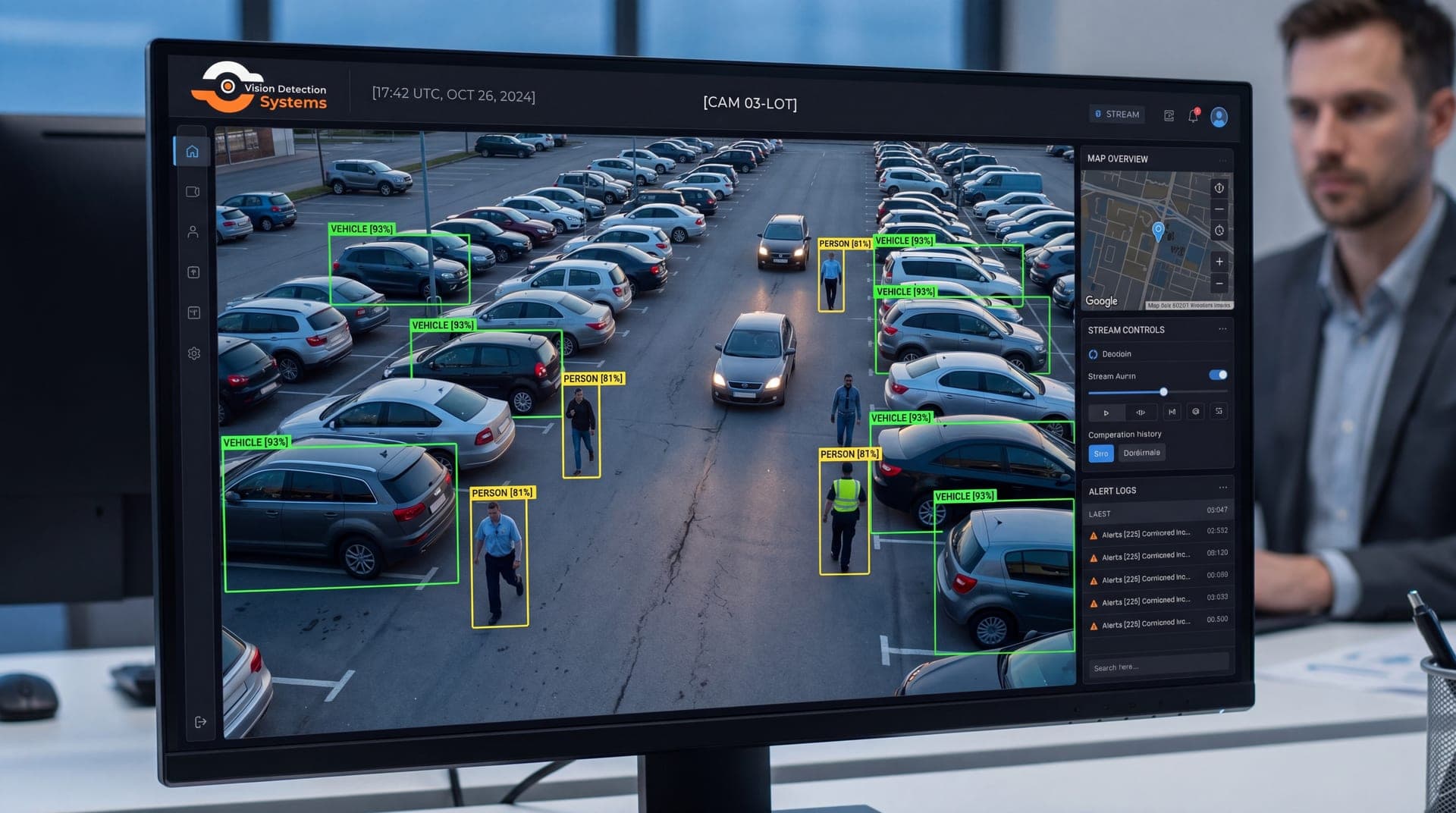
AI Agents in Physical Security: What Works Today
Agent-style AI is showing up in video security products, and the claims range from useful to inflated. This article separates what the technology does well from what still needs a person.
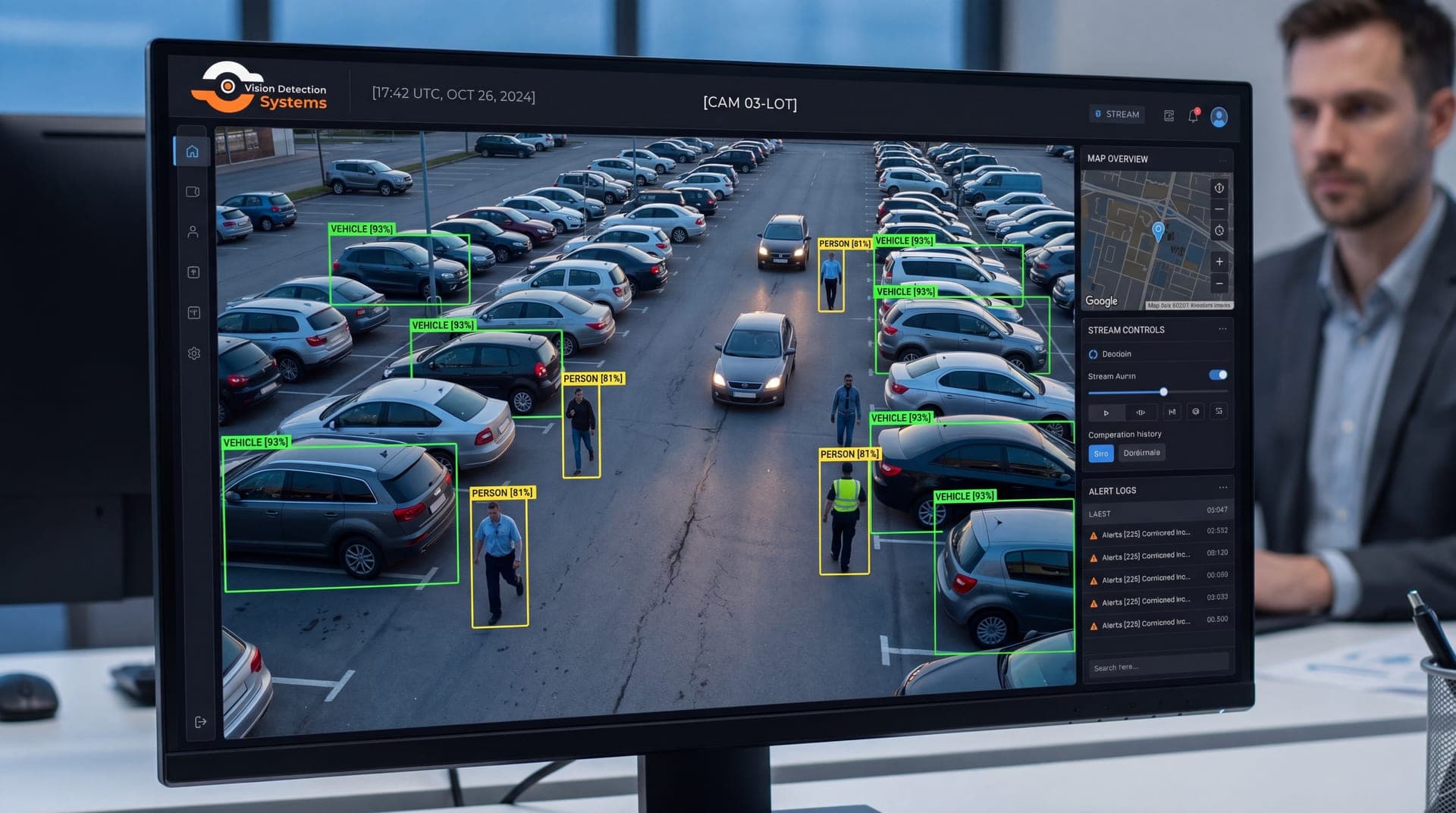
Edge vs Cloud Video Analytics: Where Should the AI Run?
Video analytics can run on the camera or device at the site, in a cloud data center, or in a mix of both. This guide compares the options on bandwidth, delay, updates, cost and resilience, and shows what to ask a provider.
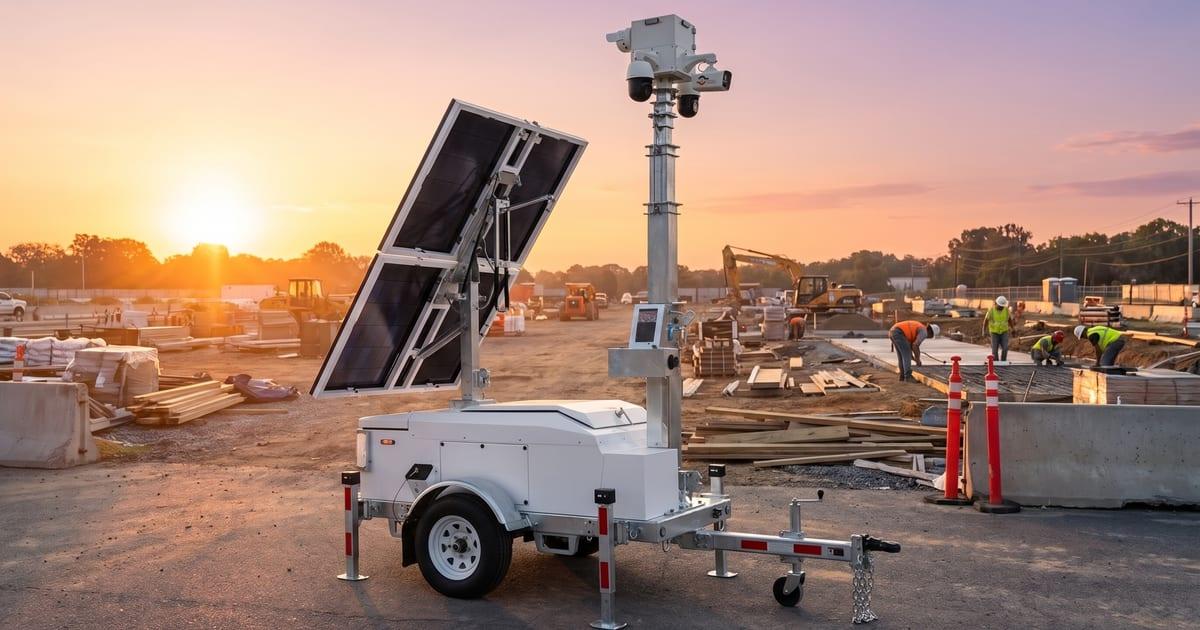
Fire and Smoke Detection Cameras: What They Do and Do Not Do
Video-based fire and smoke detection watches camera images for flames and smoke. It can add early warning in places conventional detectors do not reach, but it never replaces code-required fire protection.
Loitering Detection Cameras: How They Work and Where They Help
Loitering detection turns a camera into a tripwire for behavior, not just motion. This guide explains how it works, where it pays off and how to tune it so alerts stay useful.
Motion Detection vs Video Analytics
Basic motion detection reacts to any change in pixels, so it fires on shadows, insects and weather. Video analytics classify what moved, which cuts noise and makes alerts worth reading.
People Counting Cameras: How They Work and Where They Help
A people counting camera turns video into numbers, such as how many people entered or are in a space. This guide covers how the counting works, what affects accuracy, and how to use it responsibly.
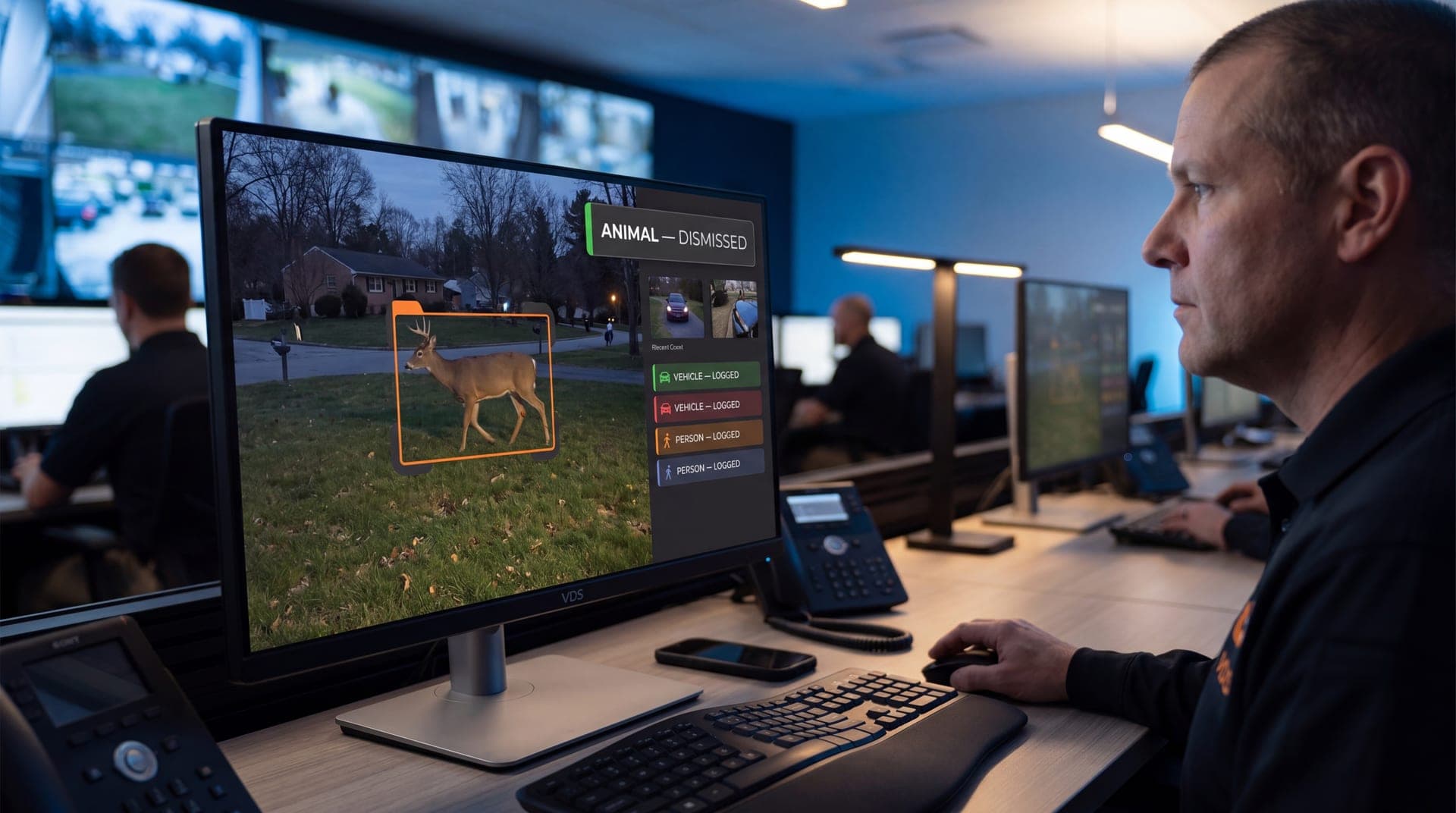
Video Analytics Accuracy Explained: Precision, Recall and How to Test
A single accuracy number hides more than it shows. This guide explains the terms vendors use and gives you a practical way to check a claim on your own site.
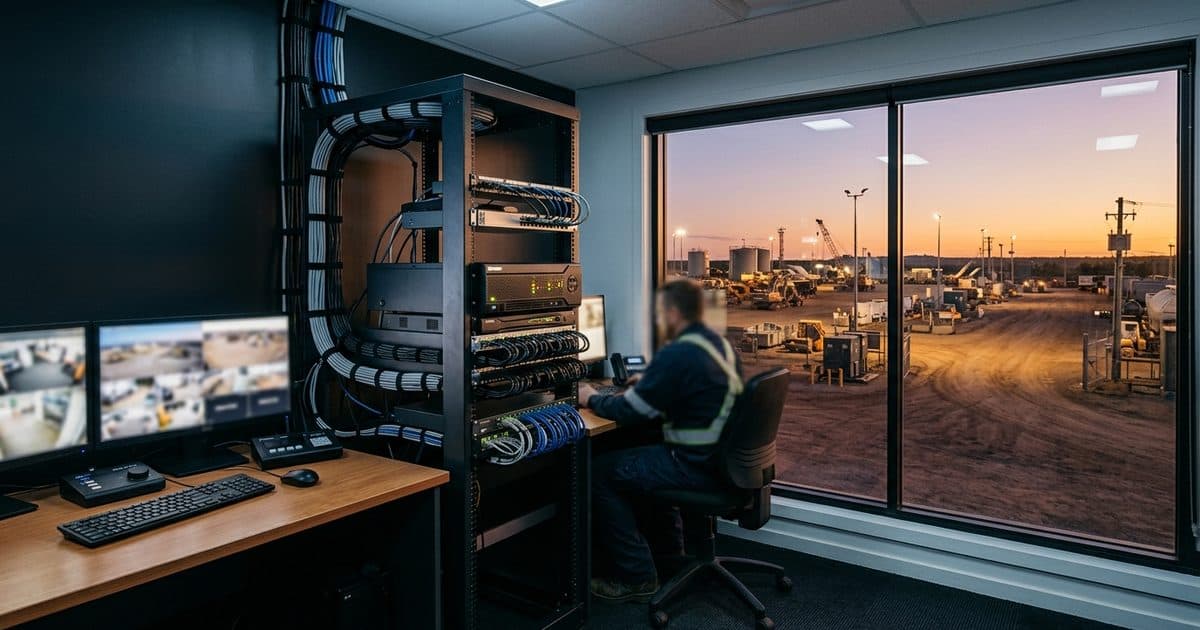
Cloud vs. On-Site Video Storage for Business Surveillance: Which Protects Your Footage?
Cloud storage promises off-site preservation and access from anywhere; local NVRs promise recording that continues when connectivity drops. This guide compares the two on bandwidth, retention, chain of custody, and resilience, and explains why remote and solar-powered sites usually need both.
Can Security Cameras Be Hacked? Cybersecurity Hardening for Video Systems
Most camera breaches start with default passwords, stale firmware, and flat networks, not elite hackers. Here is how video systems actually get compromised, what the FCC Covered List means for your camera supply chain, and a practical hardening checklist your team can run this quarter.
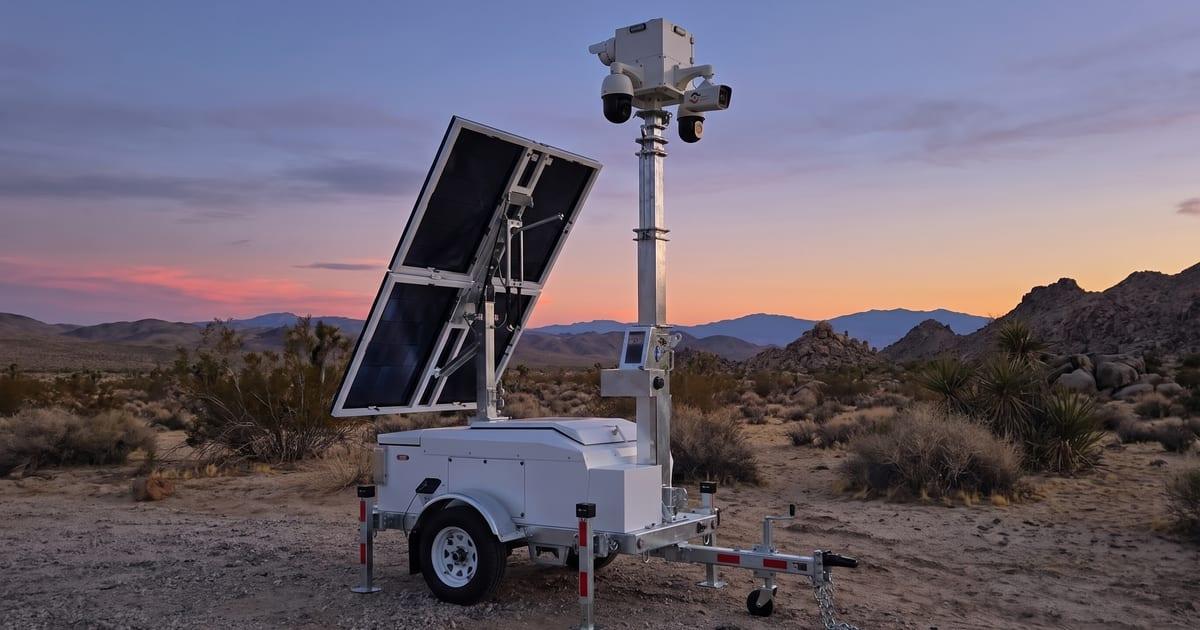
Security Cameras Without Internet or Power: Solar, Cellular, and Satellite Explained
Roughly 24 million Americans, about 7 percent of the country, still lack fixed broadband at 100/20 Mbps, and remote commercial sites sit disproportionately inside those gaps. This guide walks through the full off-grid surveillance stack, from solar power sizing and LTE/5G backhaul to satellite failover and the edge AI that makes live monitoring possible on a thin connection.
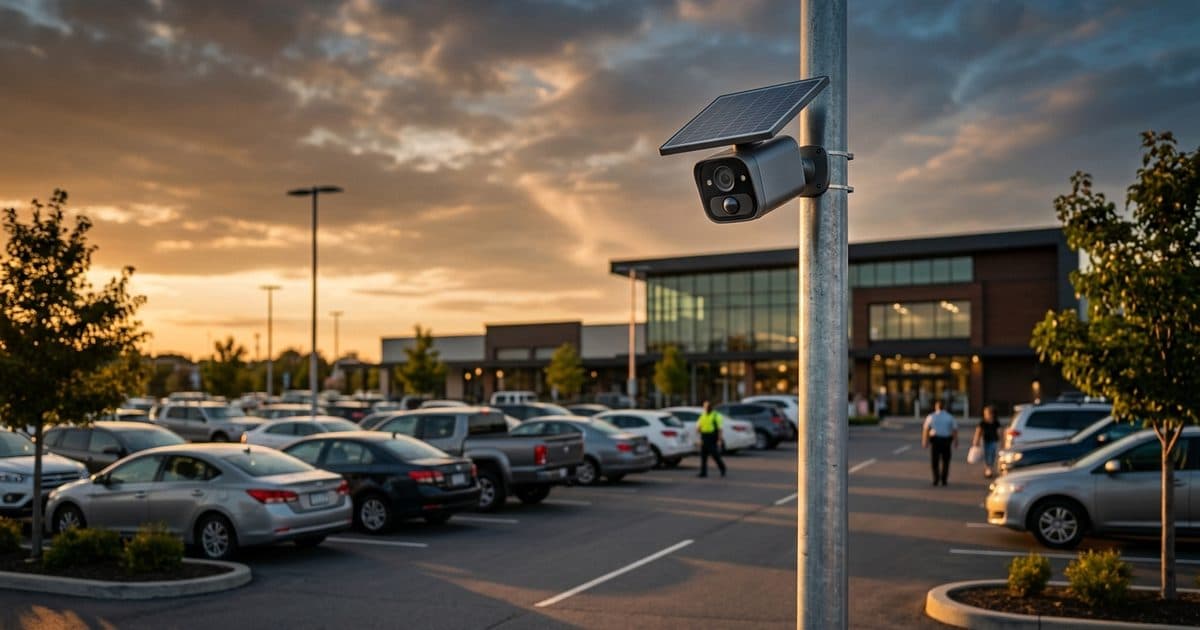
Video Surveillance as a Service: What VSaaS Means for Outdoor and Temporary Sites
Video surveillance as a service replaces upfront camera systems with a cloud-managed subscription, and third-party researchers project the market will roughly double between 2026 and 2031. This guide covers how VSaaS works, what published per-camera pricing looks like, and why outdoor and temporary sites need the entire unit, power and monitoring included, delivered as a service.

What Is Site Intelligence? When Jobsite Cameras Become More Than Security
Site intelligence is what happens when jobsite cameras stop being a single-purpose security expense and start feeding four jobs at once, from theft detection to safety analytics to dispute evidence. Here is what the emerging term actually means, what the technology stack requires, and how to evaluate platforms that claim it.
Can Thieves Jam Your Security Cameras? What the Wi-Fi Jammer Burglary Wave Means for Businesses
Police from Los Angeles to the Houston suburbs have warned about burglary crews using cheap Wi-Fi jammers to blind wireless cameras before breaking in. Consumer cameras fail because they depend on a single wireless link and go silent without anyone noticing. Here is the layered architecture that keeps recording, and keeps alerting, when the airwaves get noisy.
AI Video Analytics for Security Cameras: What It Can (and Can't) Do
Object detection, behavior analysis, false alarm reduction, and a clear-eyed view of where AI surveillance is genuinely useful versus overhyped