
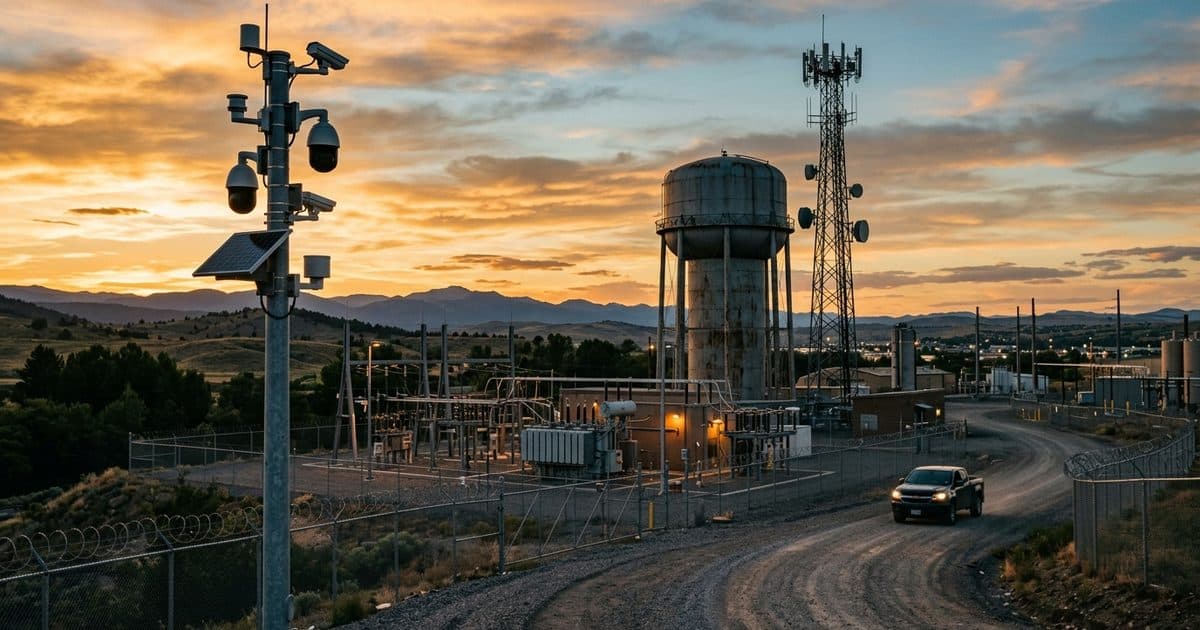
No gaps. No dark hours.No compromises.
Water treatment plants, power generation facilities, telecom towers, and transportation hubs are high-value, low-staffed targets. VDS delivers layered perimeter surveillance, NDAA and NERC compliance, and 24/7 SOC monitoring for facilities that can never go dark.
Critical infrastructure is targeted for what it contains and for what it interrupts. Substations, water treatment plants, telecom hubs, and pump facilities concentrate copper conductors and specialized components on sites that are deliberately unmanned, scattered across a service territory, and often reached faster by a scrap thief than by a responder. The consequence of a breach is measured in outage hours and public-safety exposure, not just replacement cost — and regulators know it, which is why mandates like NERC CIP-014 and CFATS demand documented, defensible physical security at exactly the facilities hardest to staff.
A fence and a recording camera satisfy neither the threat nor the auditor. Footage reviewed after a copper strip documents the loss without preventing it, and an unverified alarm at an unmanned facility far from any responder rarely produces a timely arrival. What changes outcomes is verification in the moment: detection at the boundary, a trained operator confirming intent on live video, an immediate audible warning to the intruder, and an escalation to law enforcement that arrives with evidence instead of a maybe. That same event chain doubles as the audit trail compliance frameworks ask for.
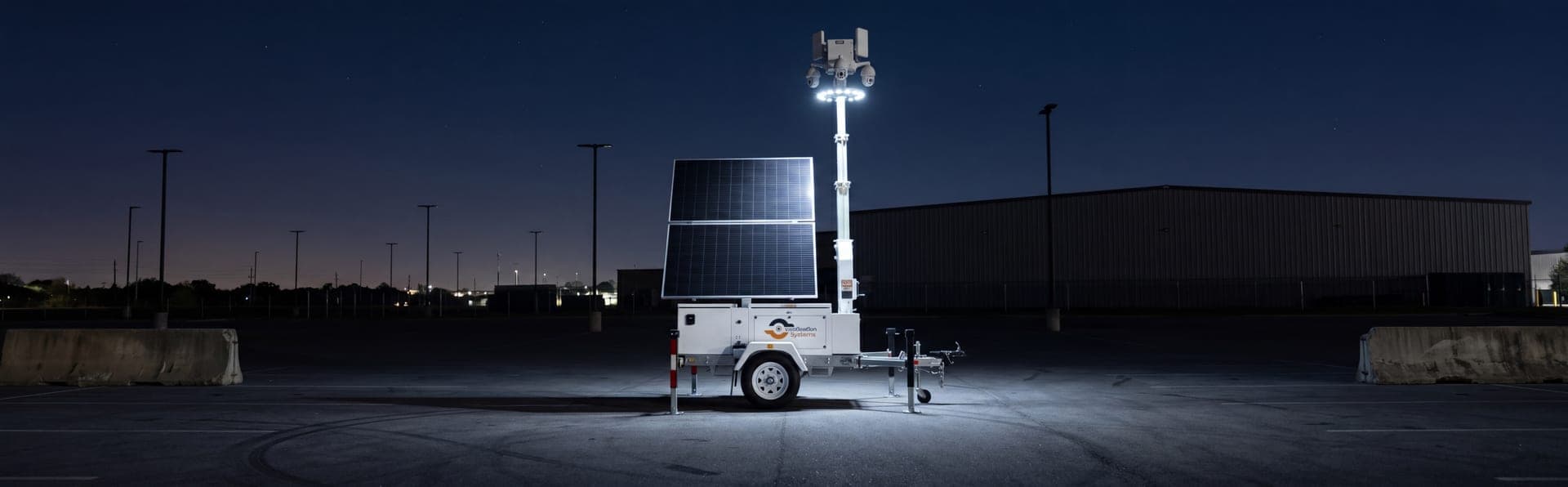
Solar-powered mobile surveillance units suit this sector because the sites themselves resist fixed installation: no spare conduit at a rural substation, no IT closet at a dam access road, no appetite for trenching inside an energized yard. Each unit arrives with its own power and cellular connectivity, raises an elevated mast that watches a long fence line from a single position, and can be paired with others to close overlapping zones around larger facilities. Around the clock, a U.S.-based SOC verifies every alert and coordinates dispatch — critical infrastructure perimeter security that also moves when the risk profile does.
The sections below map the sabotage, metal-theft, and trespass risks facing utility and infrastructure sites; how VDS layers detection, verification, and dispatch at each facility type; customer-reported results from monitored facilities; and answers to the compliance, coverage, and response questions infrastructure security teams raise most often.
One breach can
shut down everything.
Critical infrastructure faces both physical threats and regulatory mandates. The cost of failure is measured in service disruptions, not just dollars.
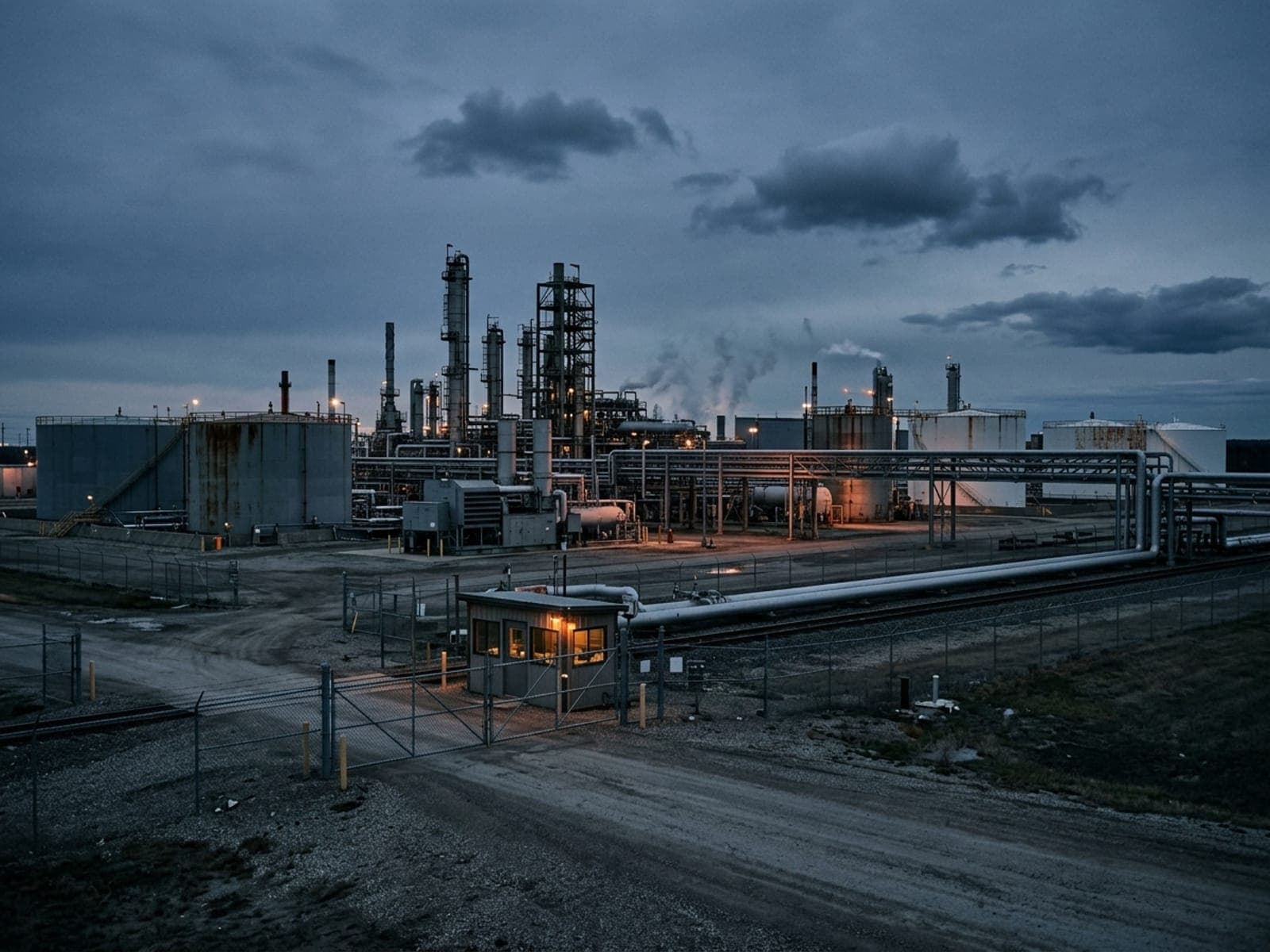
Sabotage & terrorism
Critical infrastructure is a high-value target. A single breach can disrupt services for millions of people.
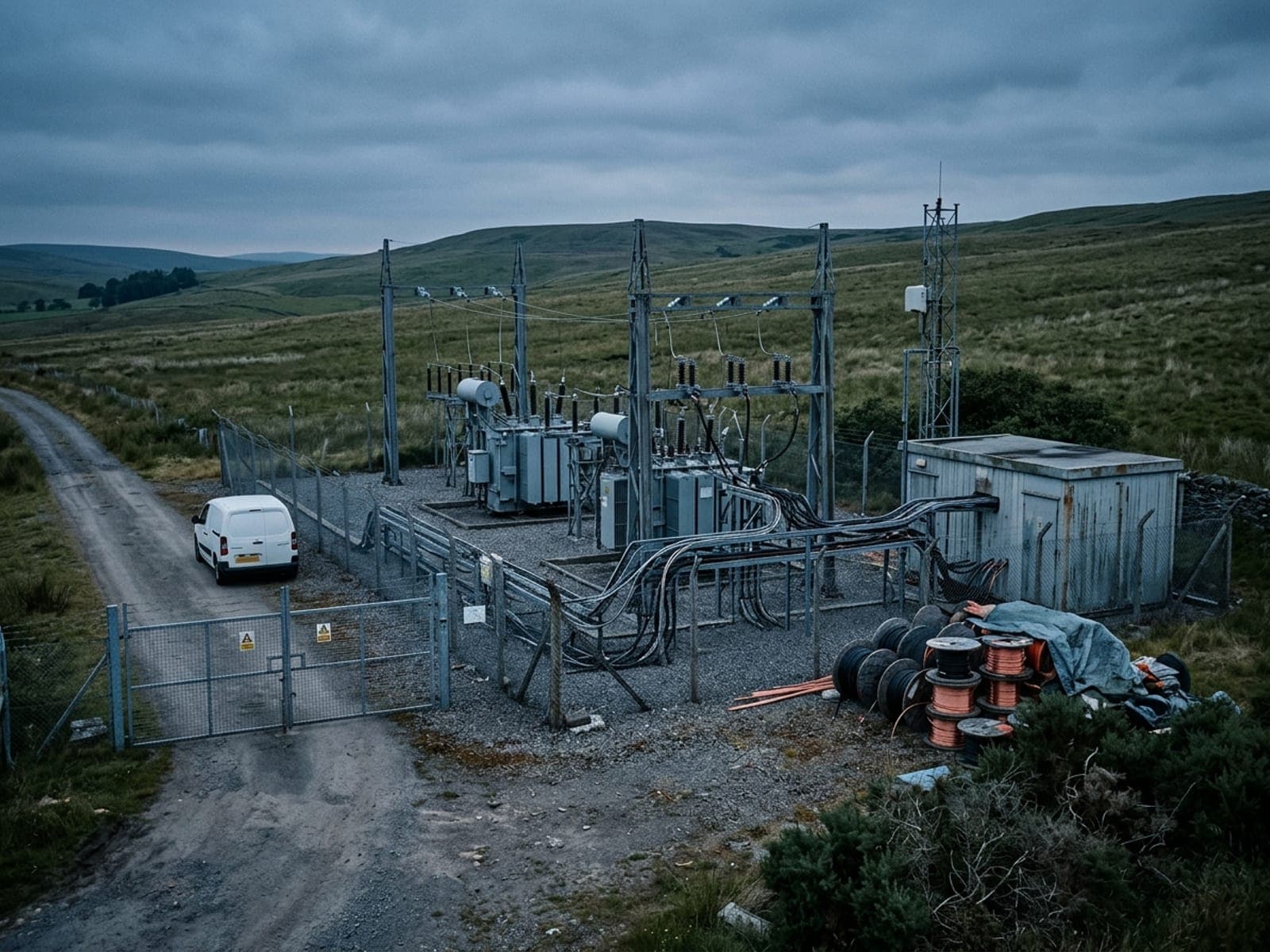
Copper & metal theft
Copper wiring, aluminum conductors, and metal components stripped from remote, unmanned facilities for scrap value.
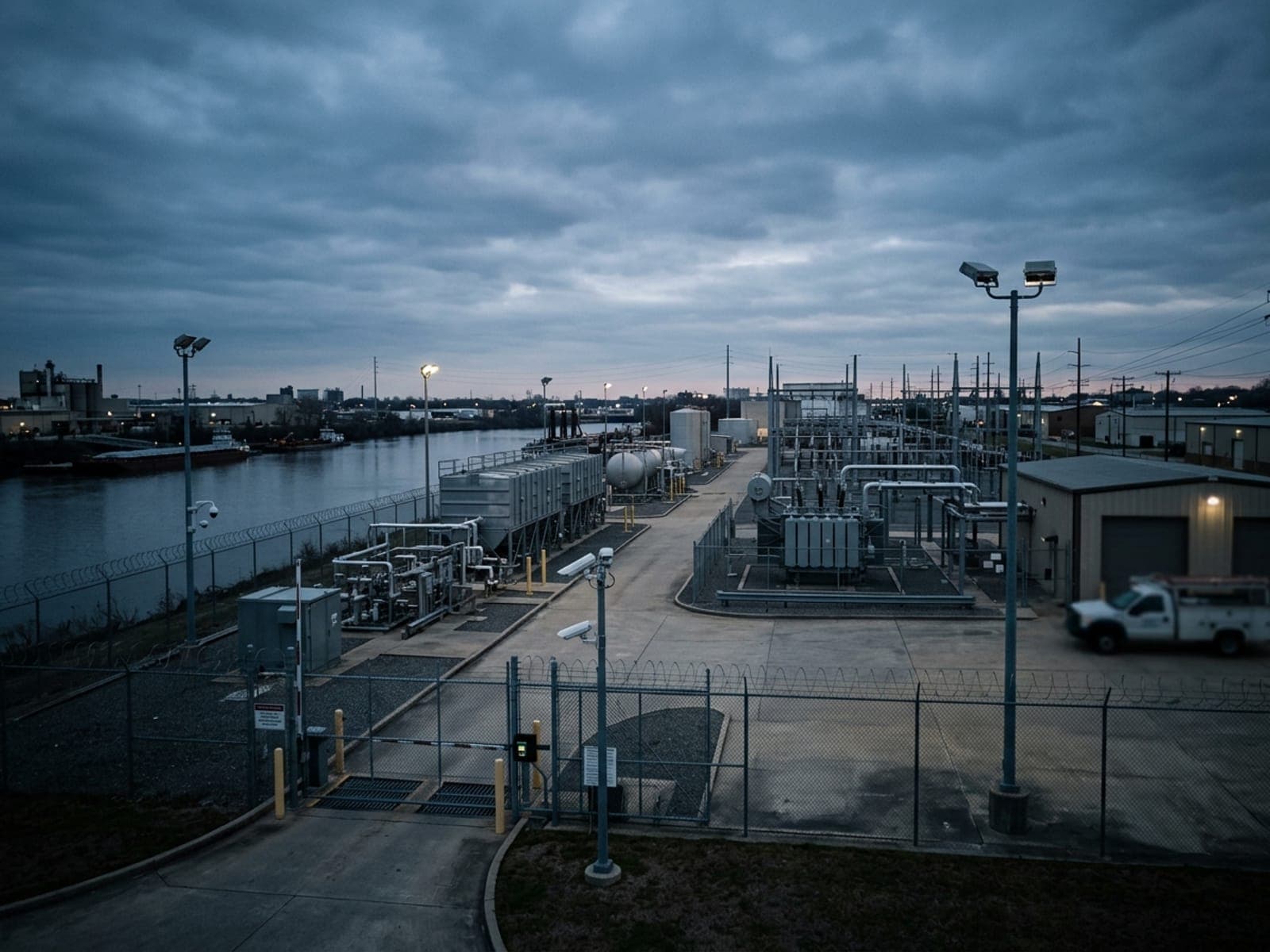
Regulatory compliance
NERC CIP, CFATS, MTSA, and sector-specific mandates require documented physical security with audit trails.
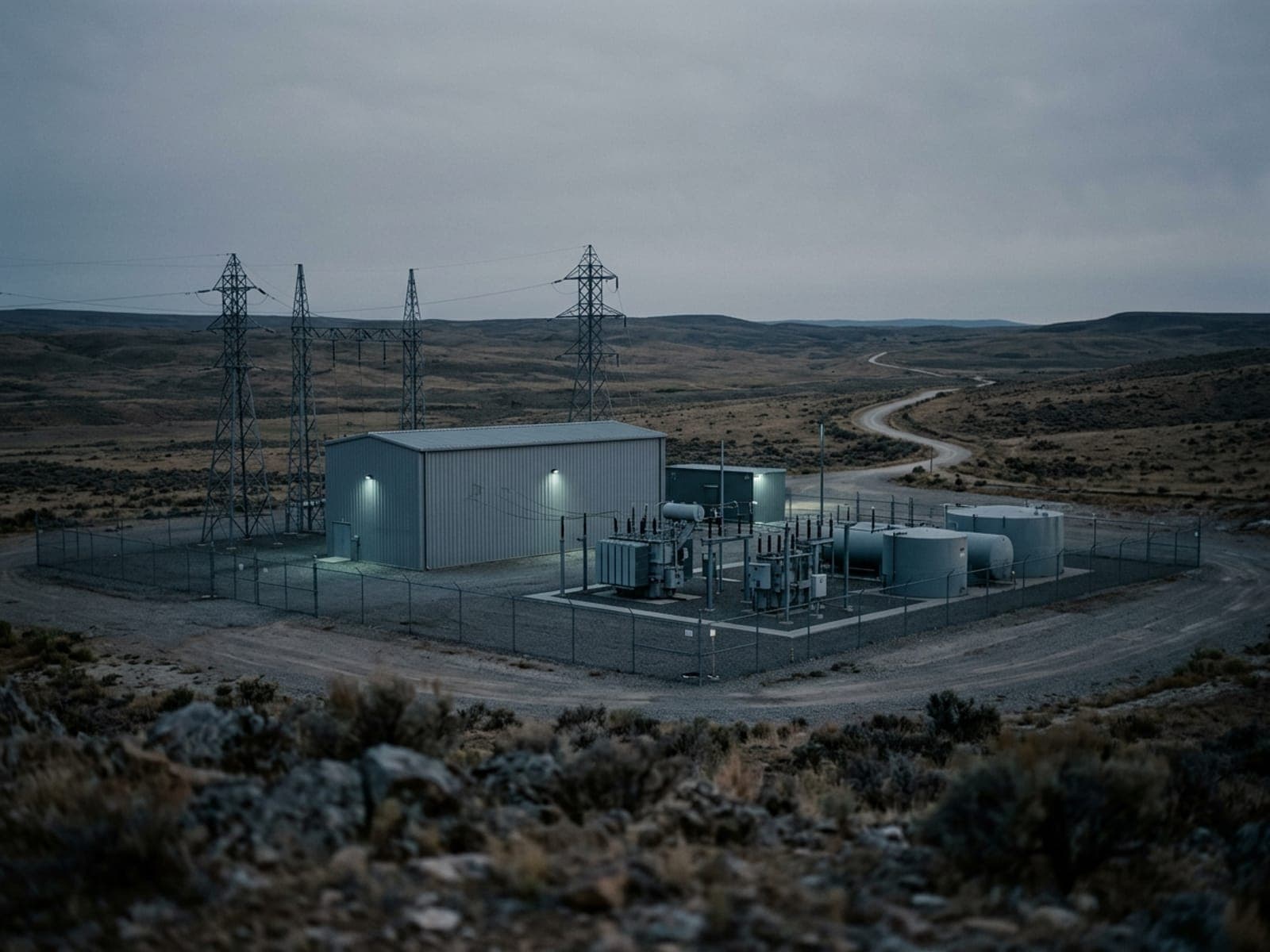
Remote unmanned facilities
No on-site staff. No nearby witnesses. Response times measured in hours. The perfect conditions for intrusion.
Layered detection.
Continuous coverage.
Sensors detect. AI classifies. PTZ identifies. The SOC verifies. PD responds with live video. Five layers, zero gaps.
Detect at distance.
Identify on approach.
Multi-sensor detection identifies human and vehicle targets well before they reach the fence line. Optional thermal imaging confirms classification. The 25× PTZ locks on for positive identification. The SOC knows what is coming before it reaches the perimeter.
- Long-range perimeter detection envelope
- Thermal target classification
- Automatic sensor-to-PTZ handoff
- All-weather, zero-light operation
 STEP 01
Built for auditors.
Not just operators.
Every VDS component meets NDAA Section 889 requirements. For energy-sector assets, we deliver NERC CIP-014 physical security documentation, incident logs, and quarterly compliance packages automatically.
- NDAA Section 889 — zero prohibited components
- NERC CIP-014 documentation and reporting
- CFATS and MTSA alignment available
- Immutable audit trail for all events
 STEP 02
Unmanned doesn't mean
unmonitored.
VDS SOC operators — trained, security-cleared — monitor every alert around the clock. Live verification, audio deterrence, and direct PD dispatch with streaming video. The facility is never truly alone.
- 24/7/365 SOC monitoring
- Live audio deterrence via amplified speakers
- Direct PD dispatch with live video
- Incident reports delivered per SLA
 STEP 03
Zero blind spots.
Zero excuses.
Multi-unit deployments create overlapping coverage zones across the entire perimeter. Coordinated alerting ensures that a target tracked by one unit is handed off seamlessly to the next.
- Overlapping detection coverage zones
- Multi-unit sensor coordination
- Seamless target handoff between units
- Single-dashboard operational view
 STEP 04
Every sector. Every asset.
One platform.
The MSU adapts to your specific infrastructure sector. Here are the scenarios operators deploy for most often.
Water treatment plants
Perimeter surveillance for water and wastewater facilities with chemical storage, pump stations, and reservoir access points.
Power generation
Gas, coal, nuclear, and renewable generation facilities requiring multi-layer perimeter detection and compliance documentation.
Telecom infrastructure
Cell towers, data centers, and fiber hubs. Remote, unmanned, and targeted for copper and equipment theft.
Transportation hubs
Rail yards, port facilities, and intermodal terminals with large perimeters and high-value cargo staging.
Pipeline & refinery
CFATS-regulated chemical and petroleum facilities with extended perimeters and complex compliance requirements.
Dam & reservoir
Remote water infrastructure with restricted access zones, long perimeters, and limited on-site staffing.
Real operators.
Real numbers.
Every metric below comes from a real VDS critical infrastructure customer. Names protected per agreement.
Customer-reported outcomes from VDS deployments. Results vary by site conditions, monitoring configuration, and response protocols. How we measure →
Summer events stretch our personnel to the limit. These VDS mobile units handle our perimeter defense effortlessly. Because the AI filters out false alarms, our operators can deploy officers exclusively to real, verified threats.
 MSU-A · FLAGSHIPMULTI-SENSOR · NDAA
The Mobile Surveillance Unit.
Built for zero compromise.
Layered perimeter detection, multi-regulatory compliance, and 24/7 SOC monitoring from a single solar-autonomous platform.
From assessment
to operational.
Most critical infrastructure deployments go from assessment to live perimeter coverage inside 10 business days.
Site assessment
We review perimeter geometry, threat profile, regulatory requirements, and existing security measures. Fast quote turnaround.
Design & configuration
Multi-unit placement plan, detection coverage mapping, alert rules, compliance documentation templates, and command integration configured.
Deployment & commissioning
Trailers delivered, positioned, and sensors calibrated. Overlapping coverage verified. SOC monitoring begins immediately.
Compliance & reporting
Monthly incident reports, quarterly compliance packages, and annual security reviews delivered automatically.
Common questions.
How fast can VDS deploy at a critical infrastructure site?
A mobile surveillance unit is live in under 20 minutes once it arrives — most critical infrastructure sites go from first call to monitored coverage in days, not months. Most critical infrastructure deployments go from assessment to live perimeter coverage inside 10 business days.
Do the units need power or internet at the site?
No. VDS units are solar-autonomous with battery storage and connect over cellular (4G/5G), so there is no trenching, no generator refueling schedule, and no dependence on site IT. That is what makes them practical for sites where fixed infrastructure is missing or still under construction.
What happens when the system detects someone after hours?
AI detection classifies the event and filters routine motion before a person ever sees it. A SOC operator verifies the live feed, challenges intruders by voice through 120 dB speakers with strobes, and — when it escalates — dispatches police with live video of the scene.
Which critical infrastructure security problems does monitored surveillance address?
The most common incidents at critical infrastructure sites are sabotage & terrorism, copper & metal theft, regulatory compliance, remote unmanned facilities — the same exposure areas covered in the sections above. Monitored coverage addresses them by making the site actively watched instead of just recorded.
Can VDS work alongside our existing guards or security partner?
Yes — that is the standard model. Monitored surveillance carries the perimeter and after-hours watch, so people — yours or your security partner's — handle verified incidents instead of standing watch over empty hours. The SOC can route verified alerts to your team, your guard provider, or police dispatch.
Secure your perimeter this month.
Tell us the facility type, perimeter length, and compliance requirements — we'll quote the deployment — fast.