
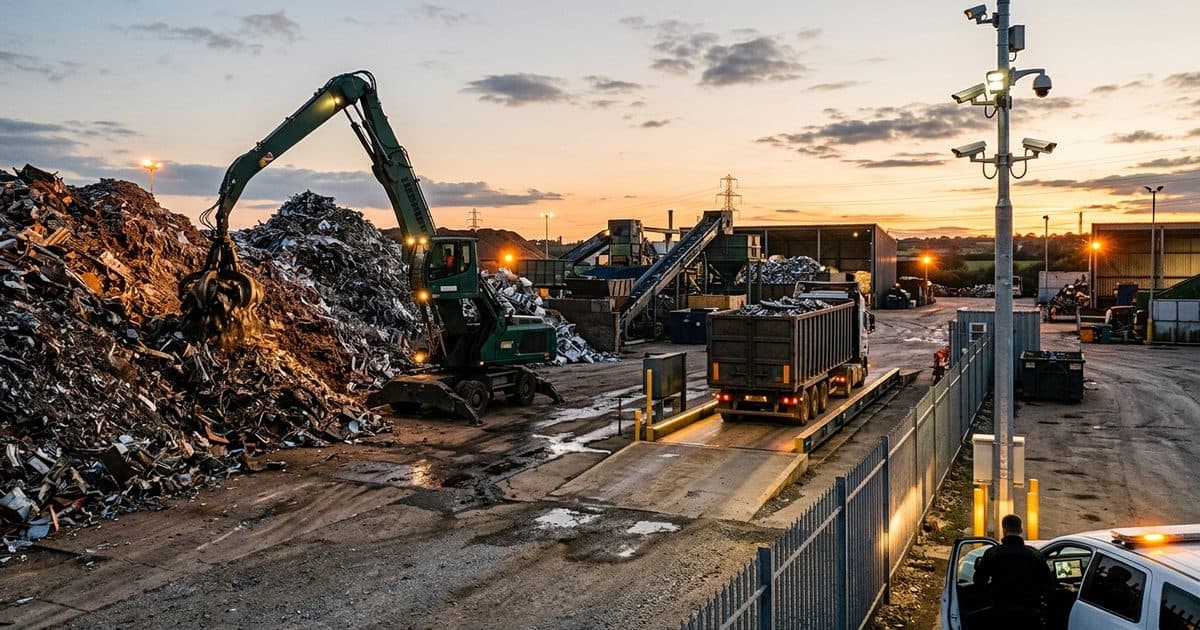
Copper prices set the crime rate.Set your own deterrence.
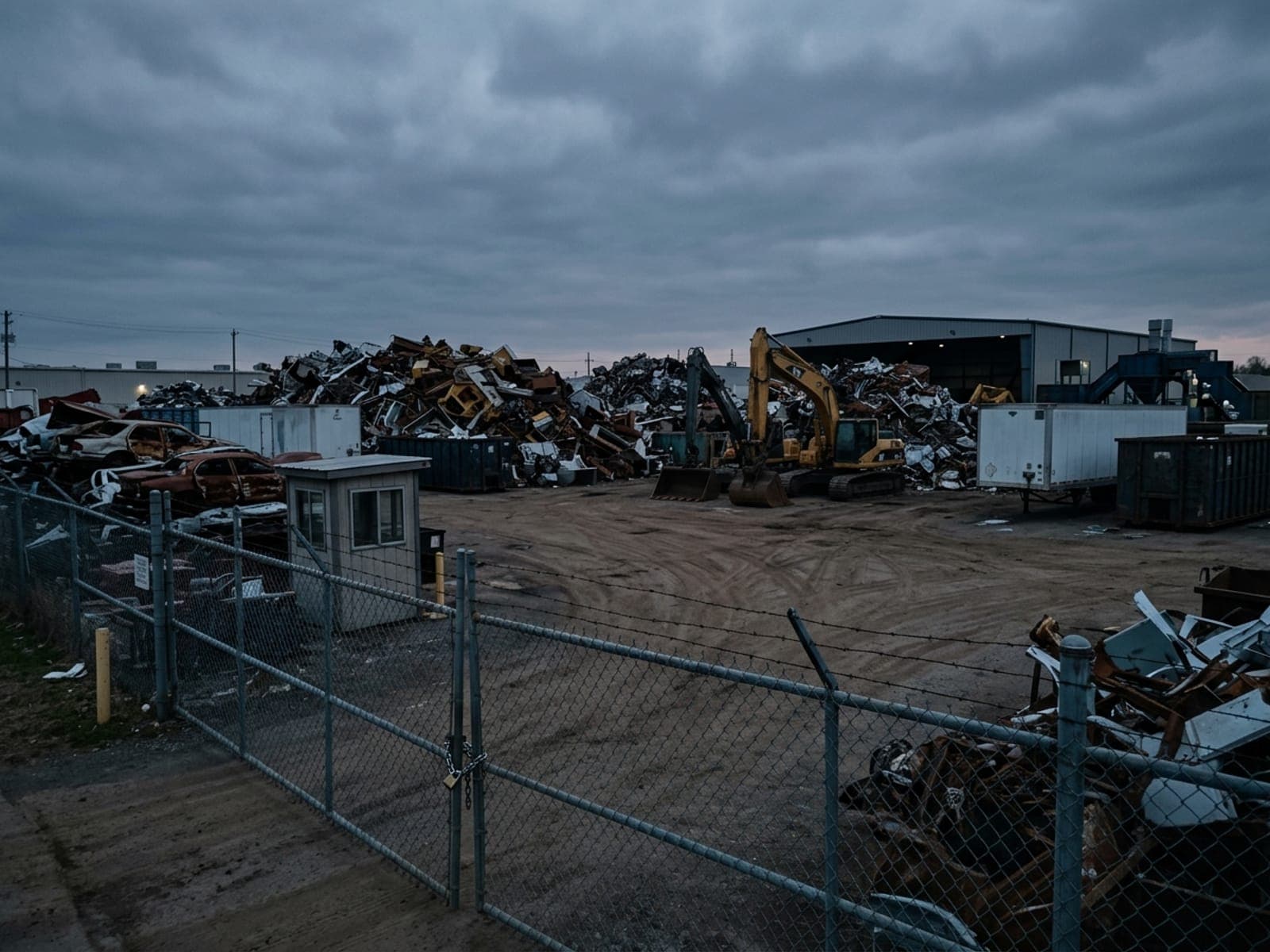
Scrap yards and recycling facilities hold millions in metal, wire, and salvageable material behind chain-link fences. After-hours theft, unauthorized dumping, and arson are constant threats. VDS drops a solar-autonomous trailer at the yard perimeter, puts a live SOC operator on every alert, and tracks every vehicle in and out with LPR.
Scrap theft is one of the few property crimes where the market does most of the recruiting. Commodity metal prices are public, the inventory sits outdoors in open bins and piles, and stolen material can be resold quickly into the same supply chain it came from — often with little to prove where it originated. A yard's own workflow works against it: material has to stay accessible to loaders and trucks by day, which means it stays accessible to anyone who cuts the chain link by night. Add unauthorized dumping at the gate and the fire risk that comes with combustible piles, and an unattended yard carries exposure on several fronts at once.
A padlock and a recorder do not shift that math. Passive cameras at a scrap yard capture theft in useful detail and prevent none of it, and by the time the footage is reviewed the nonferrous material has already changed hands. The intervention has to happen between the fence cut and the loading — which requires someone actually watching when the alert fires, deciding in real time whether it is a scavenger, an organized crew, or a smoldering pile, and responding to each accordingly.
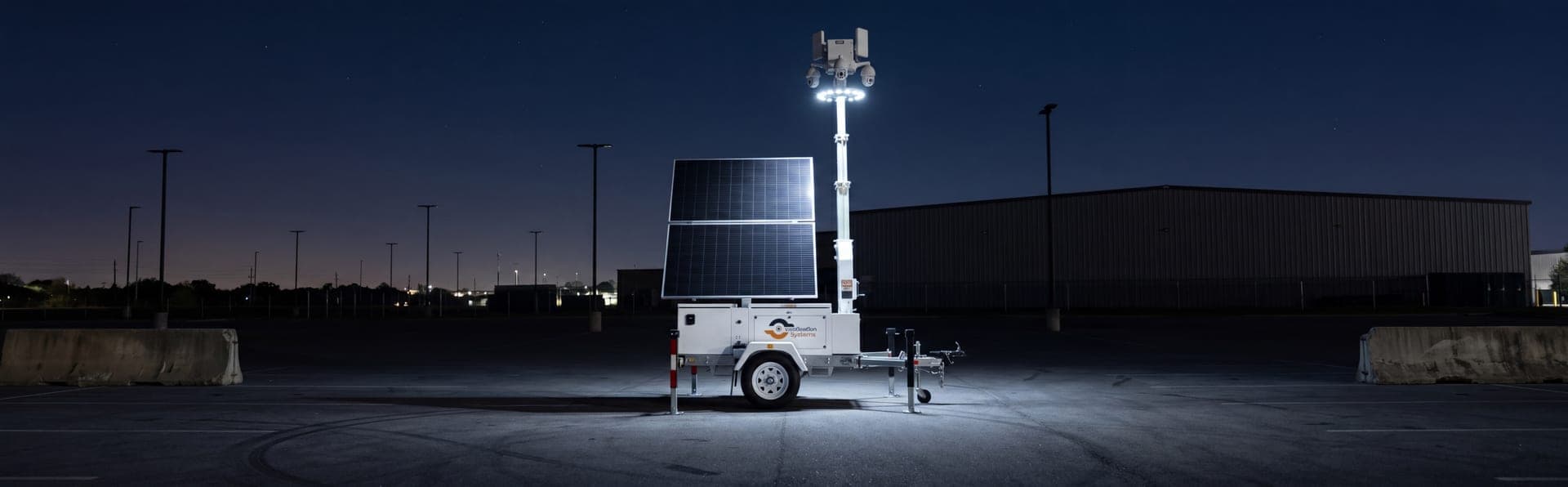
A solar-autonomous surveillance trailer matches how yards actually operate. It parks on gravel or dirt with no utility hookup, sees the whole yard from a raised mast rather than a fence post, and shifts position when the pile layout changes. VDS scrap yard security cameras feed AI detections to a live SOC operator around the clock; the operator challenges intruders over the on-unit speaker — which ends most attempts before material is touched — and dispatches police with streaming video when the situation escalates. License plate recognition logs every truck at the gate, building the record that dumping and theft investigations otherwise lack.
The rest of the page details the after-hours theft, dumping, arson, and trespass exposure yards report, the configuration VDS deploys against each, the outcomes operators have described, and answers to the questions yard owners and recycling operators most often ask.
Chain link and a padlock
vs. a truck with bolt cutters.
High-value scrap behind minimal fencing, no on-site staff after hours, and a market that buys stolen metal with no questions asked.
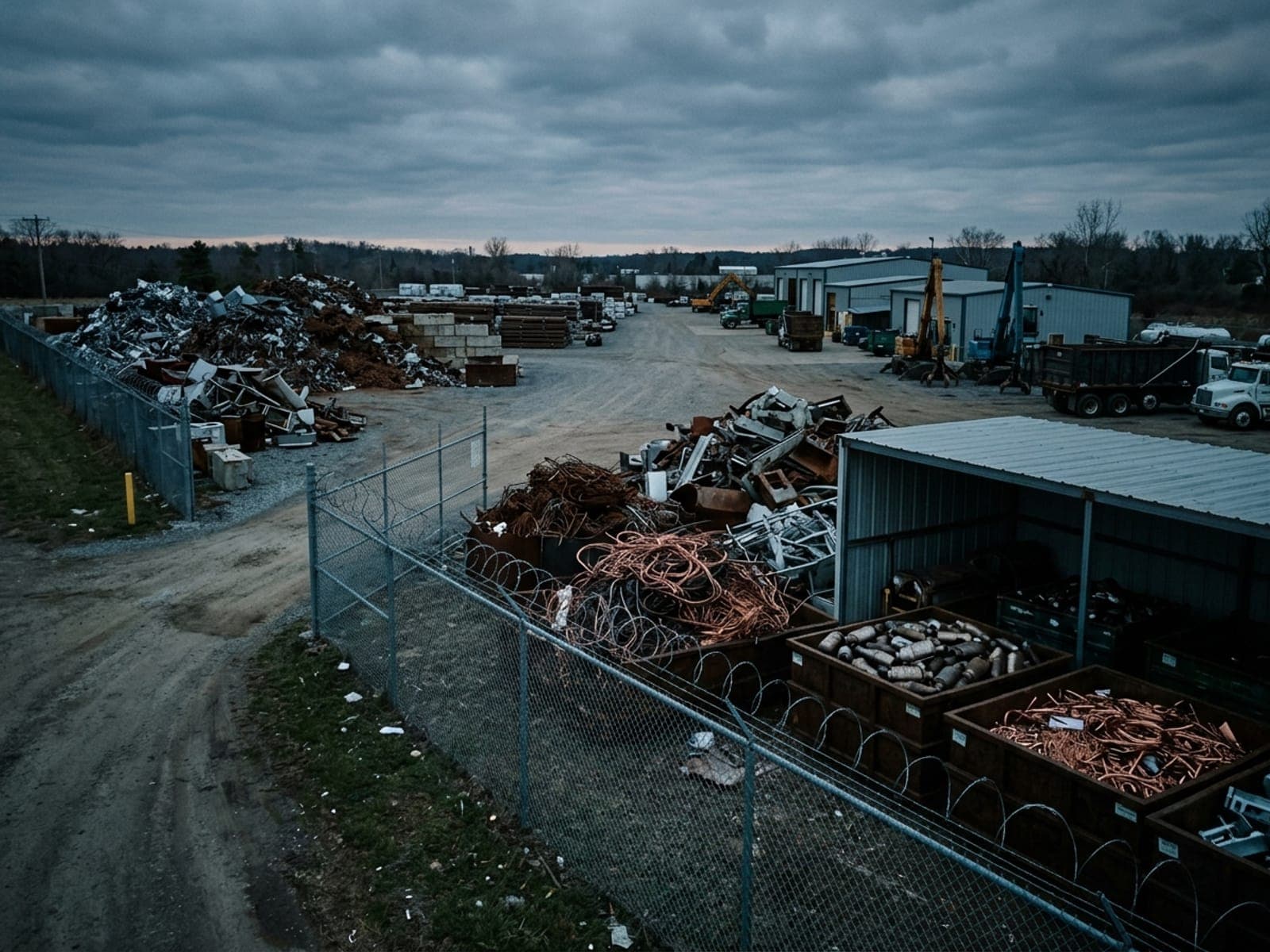
After-hours material theft
Organized crews cut fencing and load trucks with high-value scrap metal, catalytic converters, and copper wire while the yard is unattended.
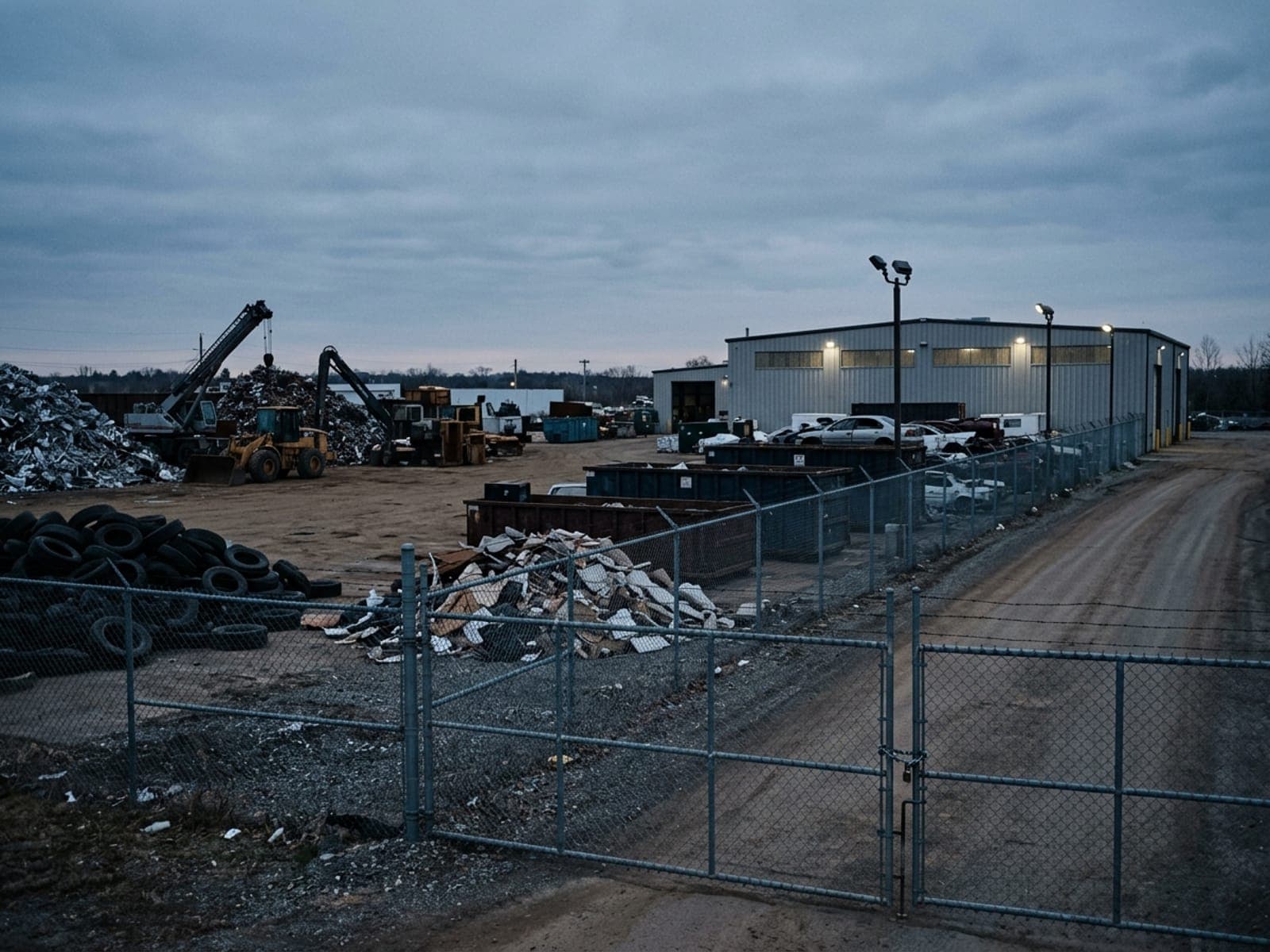
Unauthorized dumping
Illegal dumping of hazardous waste, tires, and construction debris creates environmental liability and costly cleanup obligations.
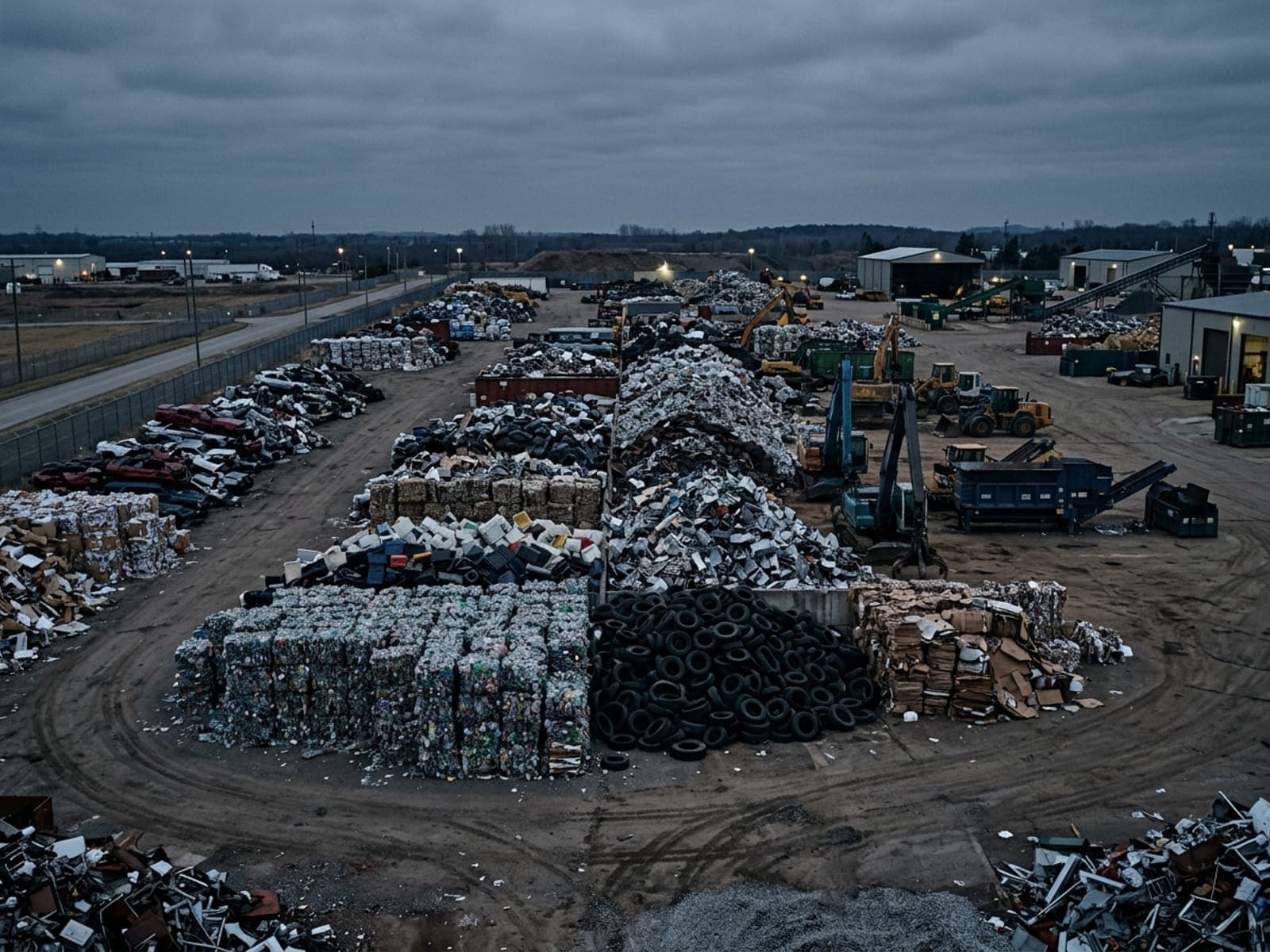
Arson
Combustible materials piled across acres of open yard. A single fire can destroy millions in inventory and shut operations for months.
Trespassing
Unauthorized individuals entering the yard after hours — scavengers, vandals, or trespassers creating liability exposure and safety incidents.
They hear the voice.
They drop the wire.
AI detection, thermal imaging, two-way audio deterrence, and a live SOC operator on every alert. Most intruders flee before touching the scrap.
Fence line to SOC.
In real time.
The MSU monitors the entire yard perimeter from a 22–30 ft mast. AI analytics detect humans and vehicles approaching or breaching the fence line, alerting the SOC before material is touched.
- 360-degree camera coverage from 22–30 ft mast
- AI-powered human and vehicle detection
- Fence-line breach detection day and night
- Real-time SOC alert
 STEP 01
See them in the dark.
Before they see the copper.
LWIR thermal imaging detects intruders by body heat through total darkness, rain, and fog. Most scrap yard theft happens between midnight and 4 AM. Thermal makes that the worst time to try.
- LWIR thermal for 24/7 detection
- Works through darkness, rain, and fog
- Automatic thermal-to-optical handoff
- Evidence-grade recording for prosecution
 STEP 02
They hear the voice.
They drop the wire.
When the SOC confirms an intruder, operators activate amplified two-way audio for live talk-down. The combination of a voice, LED floods, and the knowledge they are being recorded stops most incidents before anything is taken.
- Live SOC operator talk-down
- Amplified speakers audible across the yard
- High-intensity LED flood activation
- Direct law enforcement dispatch with video
 STEP 03
Every truck in. Every truck out.
Every plate logged.
License plate recognition captures every vehicle entering and leaving the yard. Hotlists flag stolen vehicles and known offenders. Pattern analysis identifies suspicious after-hours activity before the theft happens.
- Automatic plate capture at gates
- Hotlist alerts for flagged vehicles
- After-hours vehicle activity alerts
- Evidence packages for law enforcement
 STEP 04
Every yard. Every shift.
One platform.
The MSU adapts to your specific yard operations. Here are the scenarios scrap and recycling operators deploy for most often.
Scrap metal yards
Open-air yards with high-value ferrous and non-ferrous metals, catalytic converters, and copper wire inventory.
Recycling facilities
Indoor/outdoor recycling operations with sorted materials, baled commodities, and heavy equipment.
Auto salvage yards
Vehicle salvage operations with catalytic converter theft risk and parts inventory spread across large lots.
Transfer stations
Waste transfer facilities with illegal dumping risk, after-hours access concerns, and environmental compliance.
Roll-off container yards
Container staging areas with high-value scrap loads sitting overnight before transport to processing facilities.
E-waste facilities
Electronic waste processing sites with precious metals, circuit boards, and regulated hazardous materials requiring secure handling.
Real yards.
Real numbers.
Every metric below comes from a real VDS scrap yard customer. Names protected per agreement.
Customer-reported outcomes from VDS deployments. Results vary by site conditions, monitoring configuration, and response protocols. How we measure →
We were losing $10K a month in copper. VDS paid for itself in the first 30 days. Theft dropped to nearly zero.
 MSU-A · FLAGSHIPAUDIO + LPR · SCRAP
The Mobile Surveillance Unit.
Built for open yards.
Thermal detection, two-way audio deterrence, LPR truck tracking, and 24/7 SOC monitoring — all from a single solar-autonomous trailer.
From assessment
to covered.
Most scrap yard customers go from initial conversation to a live trailer at the yard inside 7 business days.
Yard assessment
We review your yard layout, fencing, gate locations, and threat profile. Fast quote turnaround.
Sensor configuration
Camera presets, thermal zones, LPR capture points, audio deterrence settings, and alert rules configured for your specific yard layout.
Delivery & commissioning
Trailer delivered to the yard, mast raised, cameras calibrated. SOC monitoring begins immediately. No trenching or utility hookup required.
Monitoring & reporting
Monthly incident reports, vehicle logs, and system health reports delivered automatically. Coverage adjusted as yard layout evolves.
Common questions.
How fast can VDS deploy at a scrap & recycling site?
A mobile surveillance unit is live in under 20 minutes once it arrives — most scrap & recycling sites go from first call to monitored coverage in days, not months. Most scrap yard customers go from initial conversation to a live trailer at the yard inside 7 business days.
Do the units need power or internet at the site?
No. VDS units are solar-autonomous with battery storage and connect over cellular (4G/5G), so there is no trenching, no generator refueling schedule, and no dependence on site IT. That is what makes them practical for sites where fixed infrastructure is missing or still under construction.
What happens when the system detects someone after hours?
AI detection classifies the event and filters routine motion before a person ever sees it. A SOC operator verifies the live feed, challenges intruders by voice through 120 dB speakers with strobes, and — when it escalates — dispatches police with live video of the scene.
Which scrap & recycling security problems does monitored surveillance address?
The most common incidents at scrap & recycling sites are after-hours material theft, unauthorized dumping, arson, trespassing — the same exposure areas covered in the sections above. Monitored coverage addresses them by making the site actively watched instead of just recorded.
Can VDS work alongside our existing guards or security partner?
Yes — that is the standard model. Monitored surveillance carries the perimeter and after-hours watch, so people — yours or your security partner's — handle verified incidents instead of standing watch over empty hours. The SOC can route verified alerts to your team, your guard provider, or police dispatch.
Secure your yard this week.
Tell us your yard size, layout, and biggest threat — we'll quote the deployment — fast.