
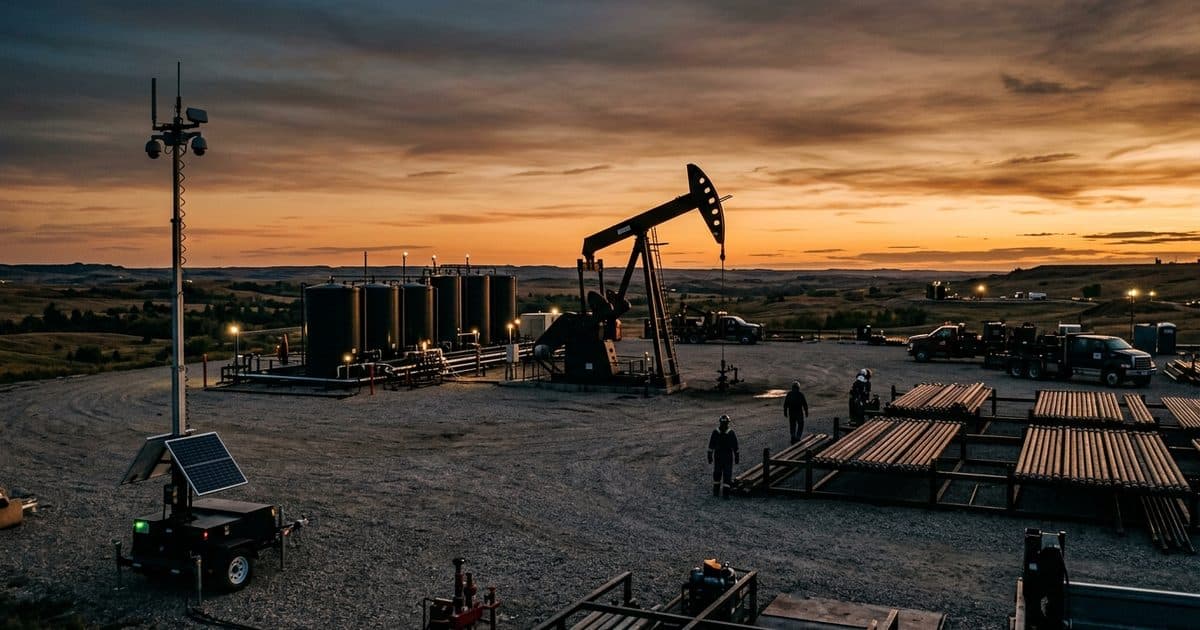
Forty miles from the nearest badge,and still under watch.
Remote wellheads, pipeline corridors, and pump stations sit exposed across thousands of acres with no perimeter and no personnel. Equipment theft and copper stripping cost the industry hundreds of millions annually. VDS deploys solar-autonomous surveillance at the asset, puts a live SOC operator on every alert, and tracks every vehicle that enters the field.
Oil and gas infrastructure is remote by geology, not by choice — wellheads, pump stations, and pipeline valve sites sit wherever the resource is, at the end of lease roads that see one truck a day. That isolation is the security problem. Copper thieves strip pump-station wiring for scrap and cause six-figure downtime; equipment walks off pads between crew rotations; and unauthorized entry into hazmat areas is a life-safety and regulatory exposure before it is a loss number. Whatever watches these sites has to bring its own power, its own connectivity, and its own ability to summon a response from an hour away.
That last requirement is the one that reshapes the program. At a site sixty minutes from the nearest responder, detection without verification is worthless — a false alarm burns a half-day round trip, so unverified alerts get ignored, and ignored alerts train the operation to be blind. The model that works is layered: detection at the perimeter, AI filtering the animal and weather noise, and a human operator confirming what remains before anyone rolls. A verified event gets a live talk-down immediately — deterrence that arrives at the speed of sound instead of the speed of a truck — and dispatch with video when it holds.
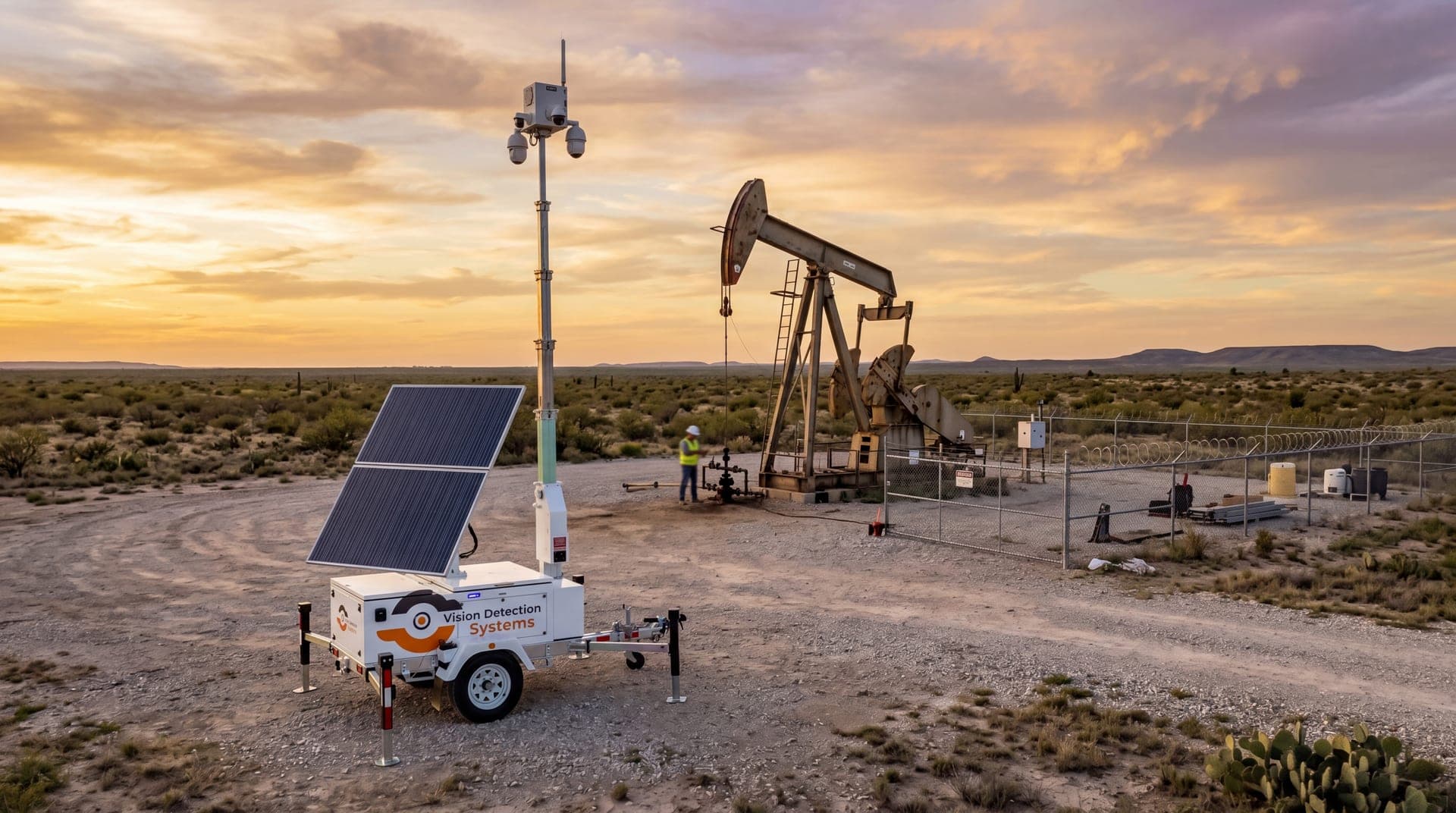
Solar-autonomous mobile units are built for exactly this duty cycle: no grid power, no site network, dual-SIM cellular with optional satellite backhaul where coverage thins, and batteries sized to ride through the dark weeks of winter. Optional thermal imaging classifies approach at distance across open terrain. When the drilling program moves, the units move with it — pad to pad, lease to lease — so security follows the operation instead of being rebuilt behind it.
Below: the theft and intrusion patterns hitting wellheads, pump stations, and pipeline corridors; the off-grid configuration VDS deploys at each; customer-reported outcomes from energy deployments; and the questions field-operations and security leads ask most about power autonomy, connectivity, and response at remote sites.
40 miles from anyone.
Millions in equipment sitting in the open.
Remote locations, unmanned wellheads, high-value copper, and zero natural surveillance make oil & gas sites a magnet for organized theft rings.
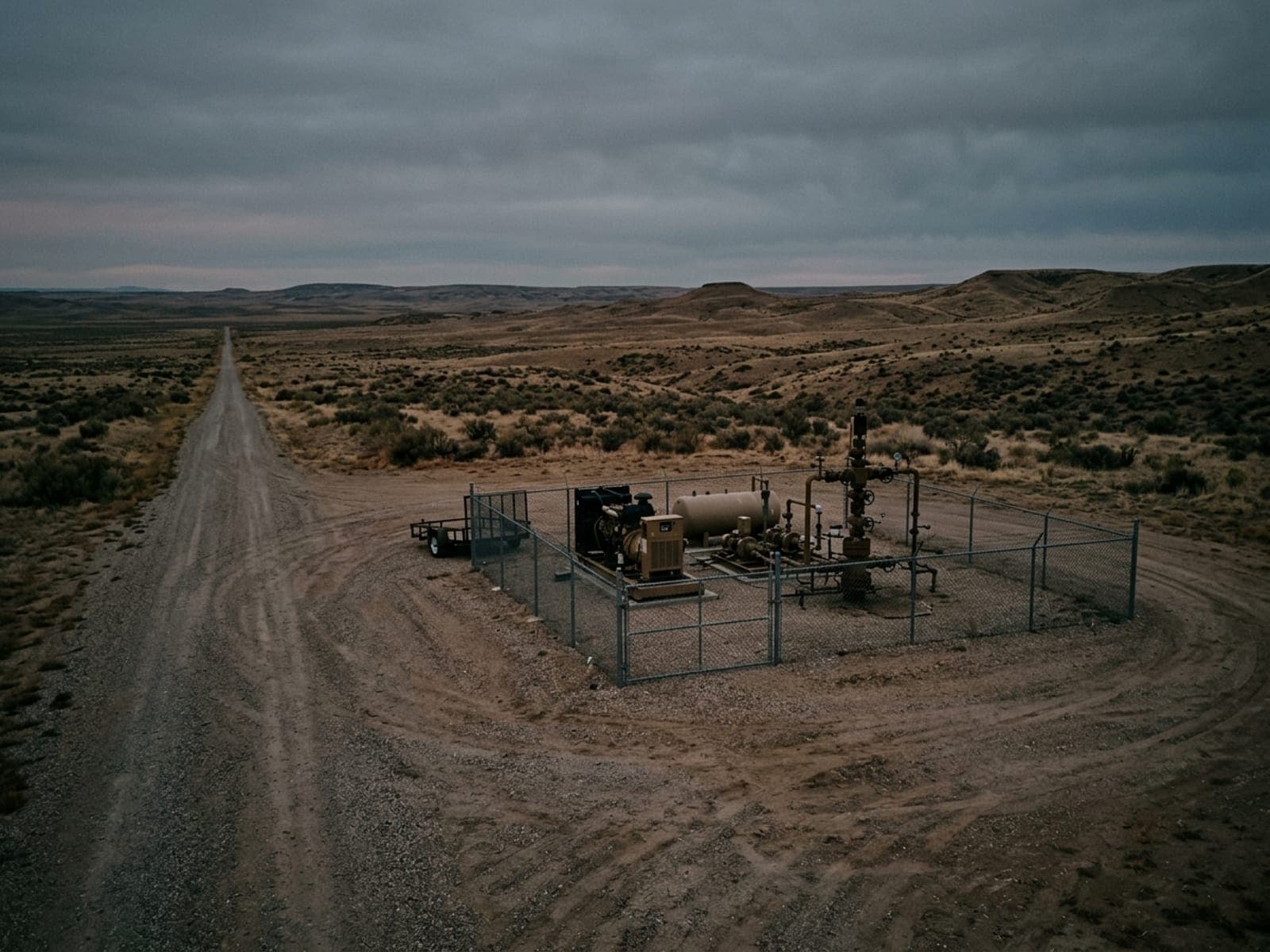
Equipment theft from remote wellheads
Generators, pumps, and wellhead components stripped from unmanned sites miles from the nearest road. Losses compound before anyone notices.
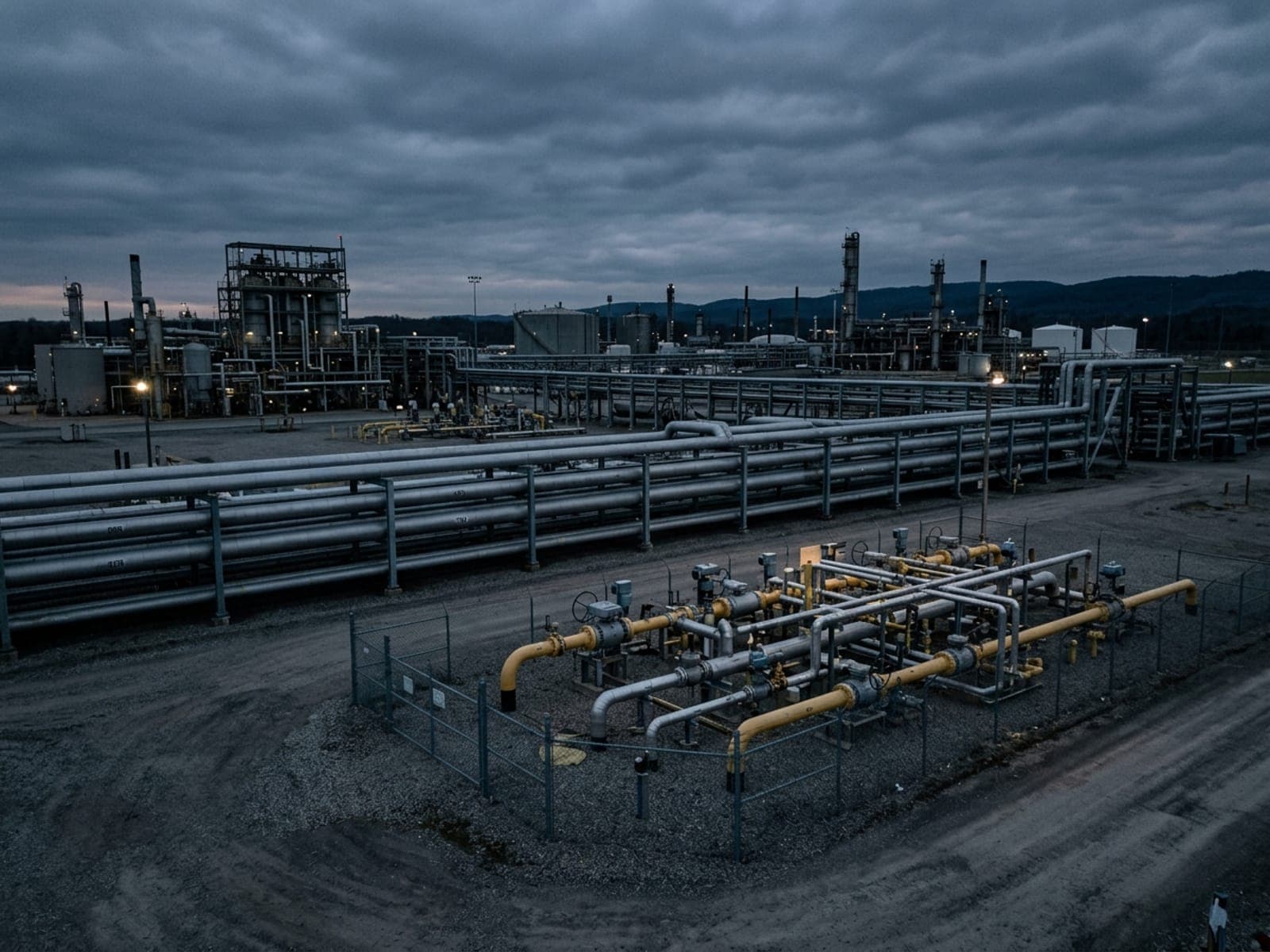
Pipeline vandalism
Intentional damage to above-ground pipelines and valve assemblies — creating environmental incidents and costly shutdowns.
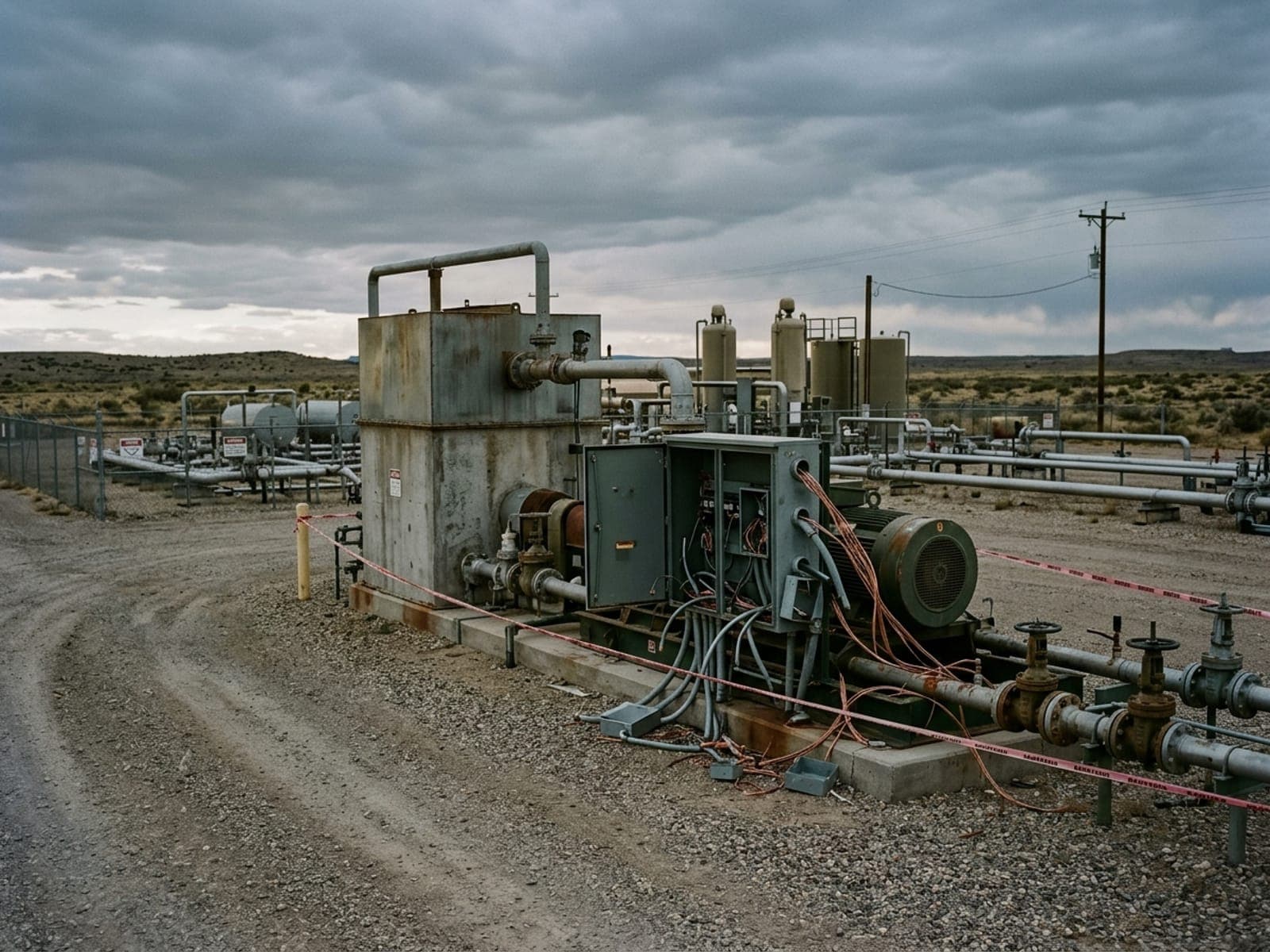
Copper theft from pump stations
Electrical wiring and copper components stripped from pump stations, shutting down production and triggering hazmat protocols.
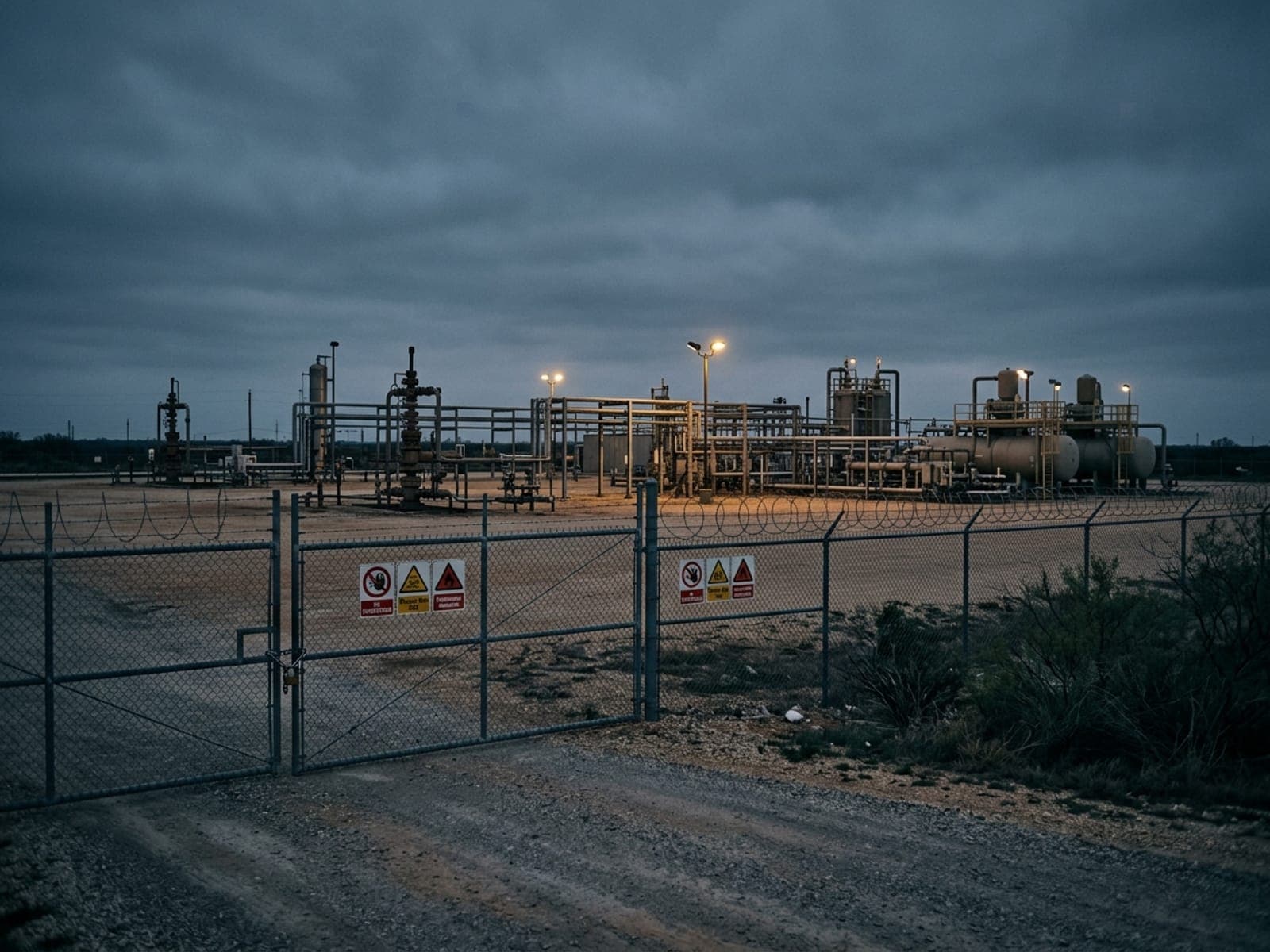
Unauthorized access to hazmat areas
Trespassers entering active well sites, compressor stations, and storage facilities where H2S and flammable materials pose lethal risks.
Drop the trailer.
The SOC takes it from here.
Solar-autonomous surveillance with AI analytics and live SOC operators. No power, no internet, no staffed post required.
Miles from anyone.
Seconds from the SOC.
The MSU establishes a virtual perimeter around remote assets. AI-powered cameras detect human and vehicle intrusions at the boundary, alerting the SOC before a single bolt is loosened.
- 360-degree camera coverage from 22–30 ft mast
- AI-powered human and vehicle classification
- Works in zero-light, dust, and extreme heat
- Instant SOC notification on perimeter breach
 STEP 01
See heat signatures.
Not just headlights.
LWIR thermal imaging detects intruders by body heat — day or night, through dust and smoke. Thermal pairs with optical cameras for positive identification and evidence-grade recording.
- LWIR thermal imaging for 24/7 detection
- Cuts through dust, smoke, and fog
- Automatic thermal-to-optical handoff
- Evidence-grade recording for prosecution
 STEP 02
Every plate. Every visit.
Every time.
License plate recognition logs every vehicle entering and leaving the field. Hotlists flag known offenders. Historical data builds a pattern-of-life that helps investigators connect incidents across sites.
- Automatic plate capture day and night
- Hotlist alerts for flagged vehicles
- Historical vehicle pattern analysis
- Evidence packages for law enforcement
 STEP 03
No fuel runs. No dark hours.
No gaps.
Solar power and 4G/5G cellular mean the MSU operates indefinitely without utility power, fuel deliveries, or site visits. The SOC monitors 24/7/365 from the VDS SOC — no overtime, no turnover.
- Solar-autonomous — no generator or utility power
- 4G/5G cellular backhaul
- Zero staffing or logistics overhead
- Relocatable as field operations shift
 STEP 04
Every asset in the field.
One platform.
The MSU adapts to your specific field operations. Here are the scenarios oil & gas operators deploy for most often.
Remote wellheads
Unmanned well sites spread across miles of open terrain with high-value surface equipment and no perimeter fencing.
Pipeline corridors
Above-ground pipeline segments, valve assemblies, and pig launchers along remote right-of-way corridors.
Pump stations
Intermediate pump and compressor stations with copper wiring, electrical panels, and rotating equipment at risk.
Tank batteries
Storage tank farms with crude oil, produced water, and chemical inventories requiring environmental compliance monitoring.
Compressor stations
Natural gas compressor facilities with high-value rotating equipment and H2S exposure risk from unauthorized entry.
Staging and laydown yards
Pipe yards, equipment staging areas, and laydown yards with millions in inventory and limited access control.
Real operators.
Real numbers.
Every metric below comes from a real VDS oil & gas customer. Names protected per agreement.
Customer-reported outcomes from VDS deployments. Results vary by site conditions, monitoring configuration, and response protocols. How we measure →
We had three wellheads hit in one month. VDS dropped trailers on all of them. We haven't lost a piece of equipment since.
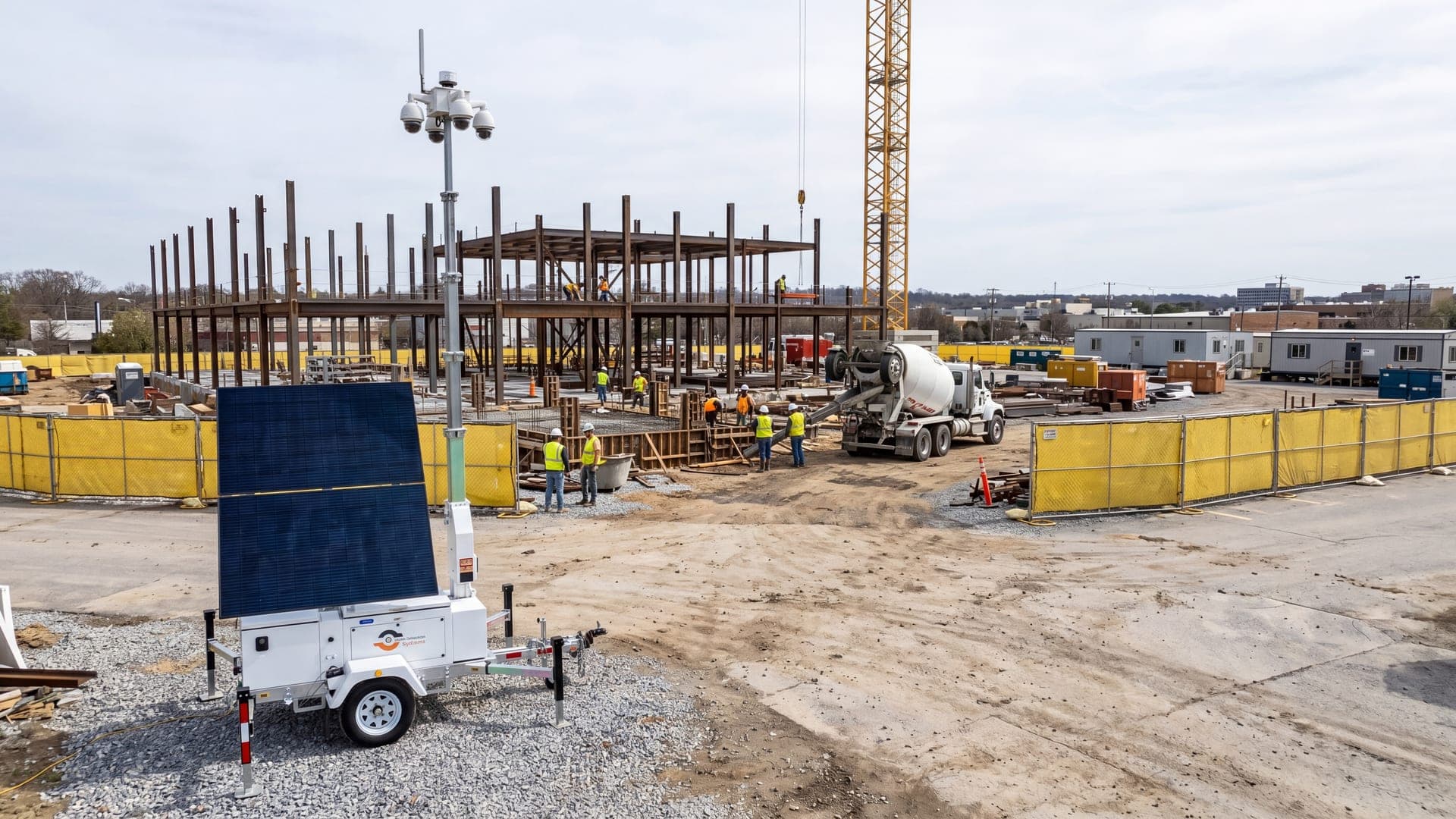 MSU-A · FLAGSHIPTHERMAL + LPR · OIL & GAS
The Mobile Surveillance Unit.
Built for remote fields.
Thermal detection, LPR vehicle tracking, and 24/7 SOC monitoring — all from a single solar-autonomous trailer that goes where the assets are.
From assessment
to covered.
Most oil & gas customers go from initial conversation to a live trailer at the wellhead inside 7 business days.
Site assessment
We review your field layout, asset locations, access roads, and threat profile. Fast quote turnaround.
Sensor configuration
Camera presets, thermal zones, LPR capture points, and alert rules configured for your specific site topology and threat vectors.
Delivery & commissioning
Trailer delivered to the wellhead or pump station, mast raised, cameras calibrated. SOC monitoring begins immediately. No trenching required.
Monitoring & reporting
Monthly incident reports, vehicle logs, and system health reports delivered automatically. Trailer relocated as field operations shift.
Common questions.
How fast can VDS deploy at a oil & gas site?
A mobile surveillance unit is live in under 20 minutes once it arrives — most oil & gas sites go from first call to monitored coverage in days, not months. Most oil & gas customers go from initial conversation to a live trailer at the wellhead inside 7 business days.
Do the units need power or internet at the site?
No. VDS units are solar-autonomous with battery storage and connect over cellular (4G/5G), so there is no trenching, no generator refueling schedule, and no dependence on site IT. That is what makes them practical for sites where fixed infrastructure is missing or still under construction.
What happens when the system detects someone after hours?
AI detection classifies the event and filters routine motion before a person ever sees it. A SOC operator verifies the live feed, challenges intruders by voice through 120 dB speakers with strobes, and — when it escalates — dispatches police with live video of the scene.
Which oil & gas security problems does monitored surveillance address?
The most common incidents at oil & gas sites are equipment theft from remote wellheads, pipeline vandalism, copper theft from pump stations, unauthorized access to hazmat areas — the same exposure areas covered in the sections above. Monitored coverage addresses them by making the site actively watched instead of just recorded.
Can VDS work alongside our existing guards or security partner?
Yes — that is the standard model. Monitored surveillance carries the perimeter and after-hours watch, so people — yours or your security partner's — handle verified incidents instead of standing watch over empty hours. The SOC can route verified alerts to your team, your guard provider, or police dispatch.
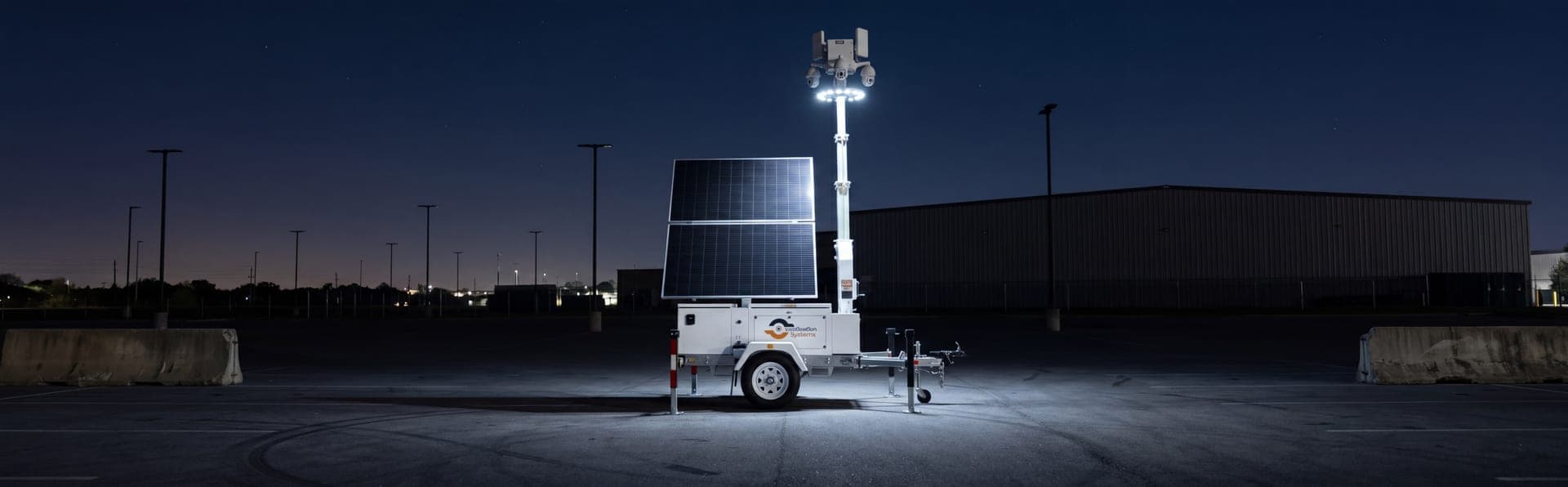
Secure your field assets this week.
Tell us how many sites, their locations, and your biggest threat — we'll quote the deployment — fast.