
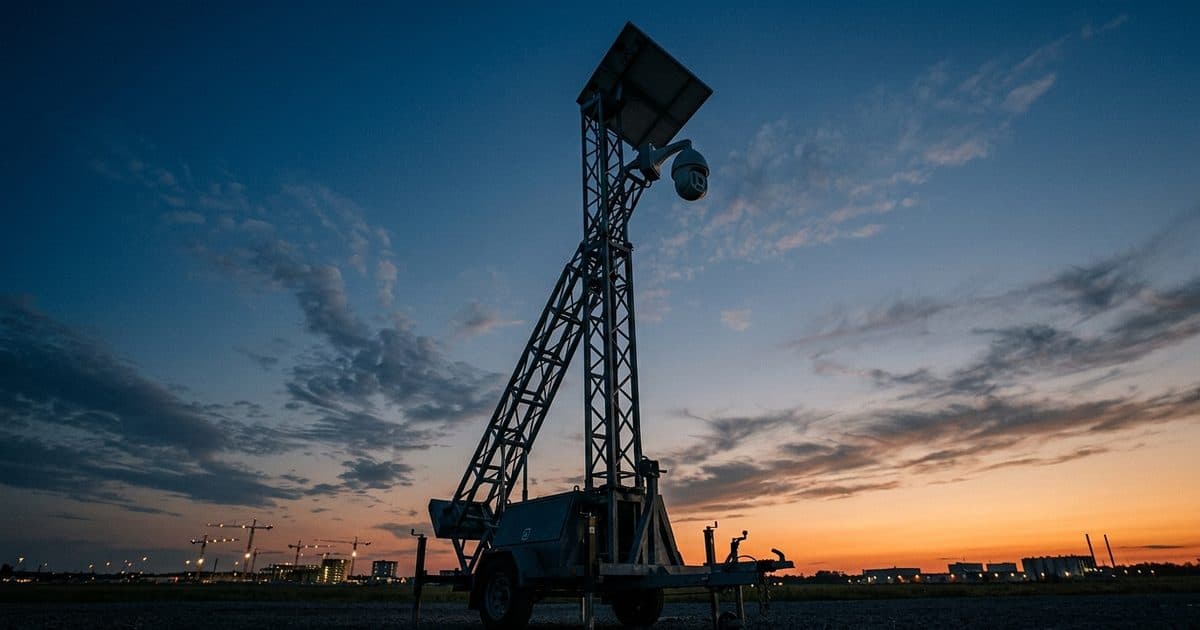
From the field
to the page.
Technical deep-dives, deployment stories, and compliance guidance from the VDS engineering and operations teams.
113 ARTICLES · NEWEST FIRST
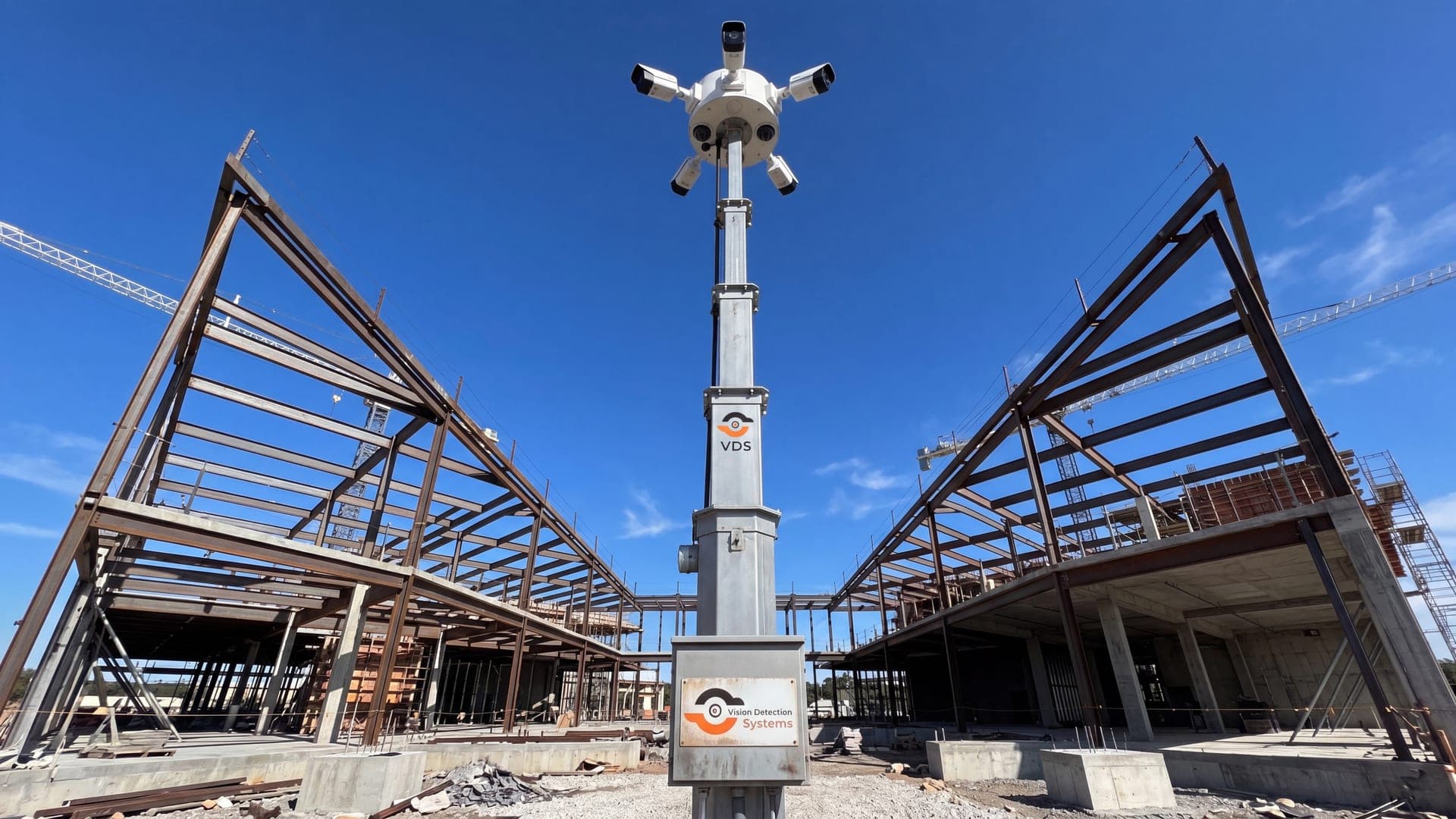
Best Construction Site Security Cameras (2026): Trailers vs. Jobsite Cams vs. Monitored Systems
The best construction site security cameras match your site's power, connectivity, and risk—and someone acts on them while an intrusion is still happening. This guide compares all six types of construction camera so you can pick the right one for each phase of a project.

Construction Site Security Measures: A 20-Point Checklist
Construction site security measures are the physical controls, technology, and procedures that keep people, equipment, and materials safe on an active jobsite. This checklist covers 20 specific measures across six categories, with why each one matters, who owns it, and when to re-check it.
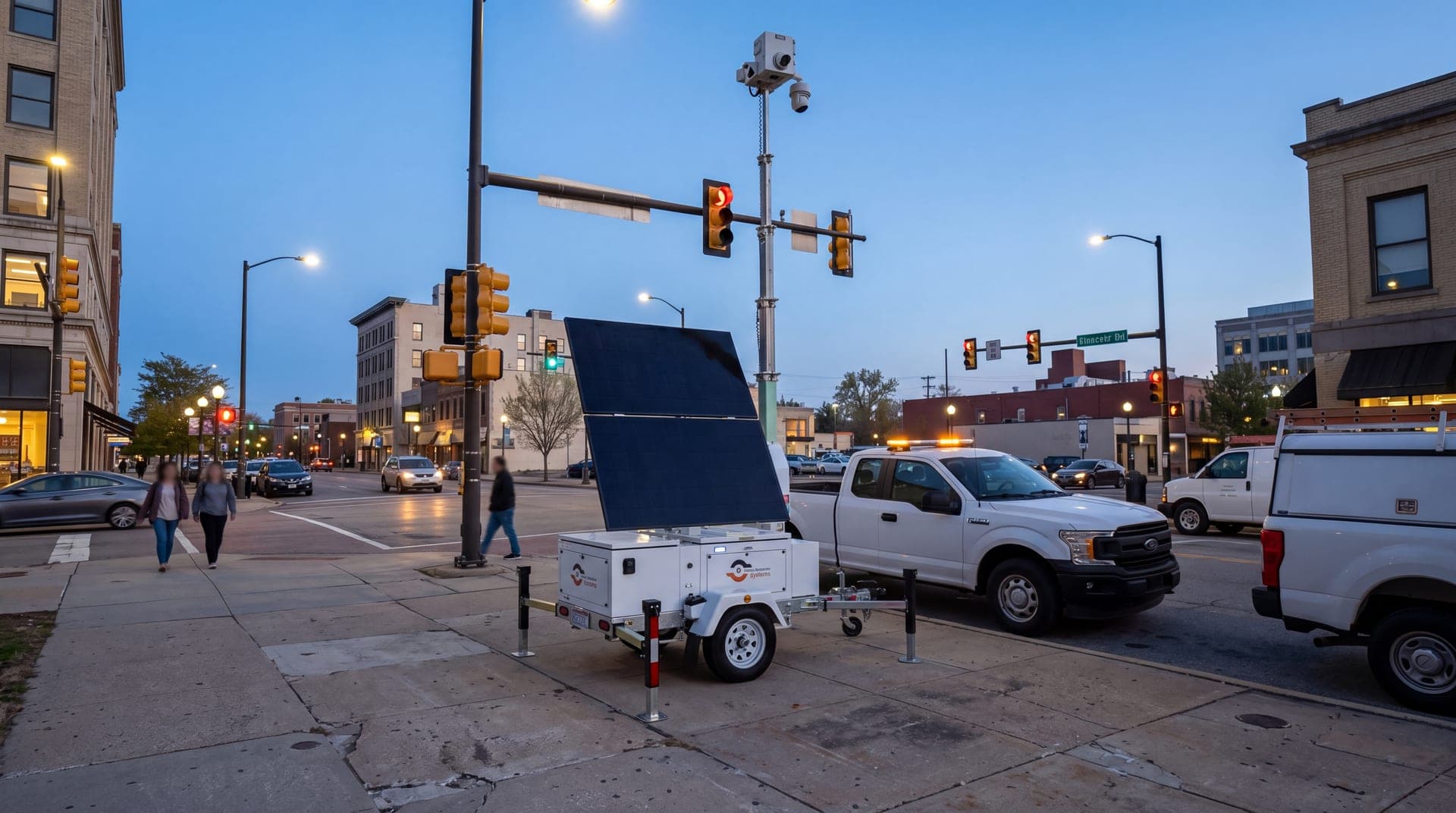
How Police Security Cameras Enhance Public Safety: Benefits, Evidence, and Best Practices
What police security cameras in public places actually do, what four decades of research say about their impact, where they work best, and how agencies build a camera program that delivers measurable results without losing community trust.
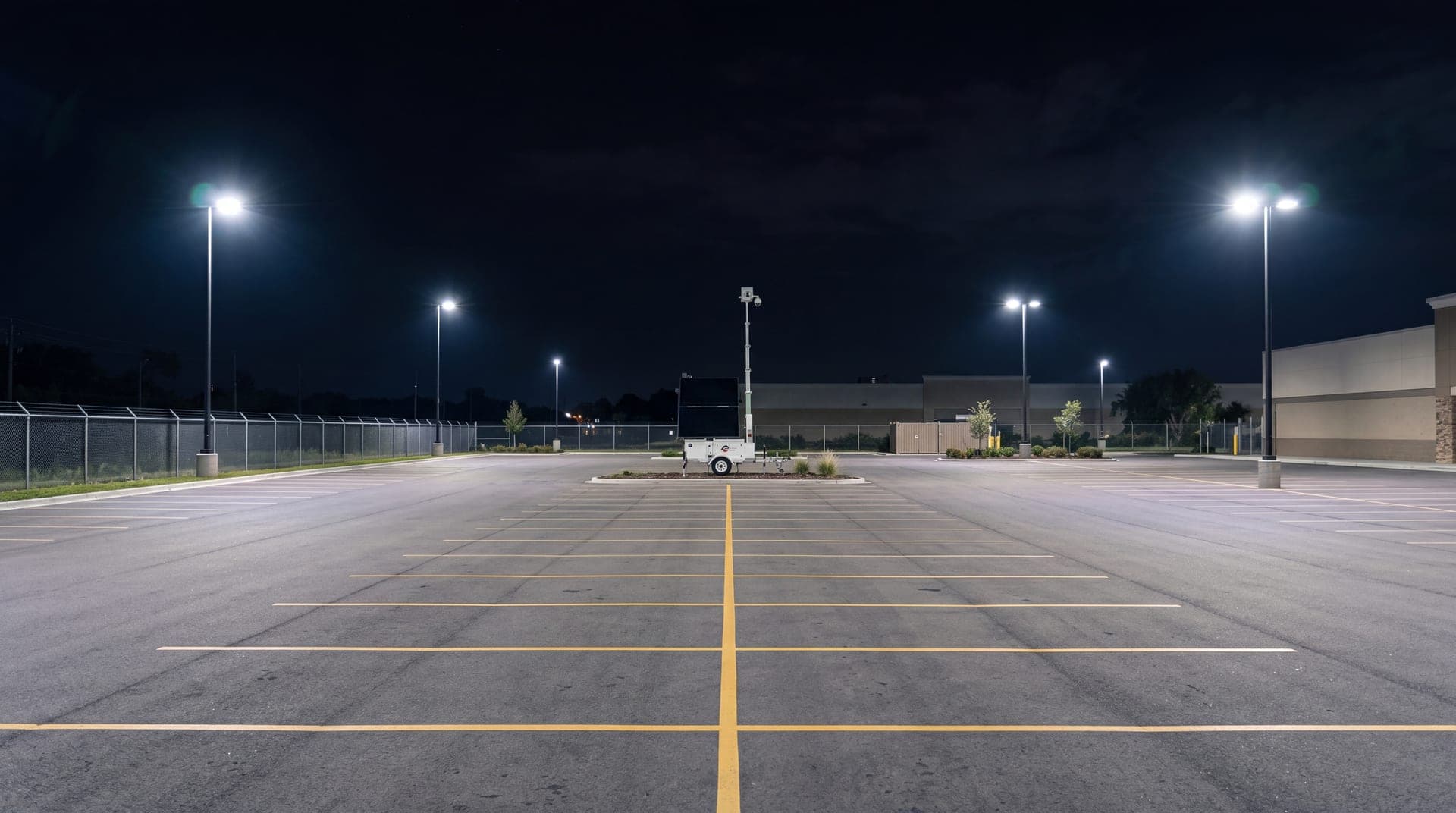
Mobile Security Towers vs. Surveillance Trailers: Differences, Uses, and Costs
A mobile security tower and a surveillance trailer are usually the same category of product. The practical difference is the base—towable axle, skid or ballast, or a fixed pole. Here is how the terms are used, which form factor fits which site, and what actually drives the cost.
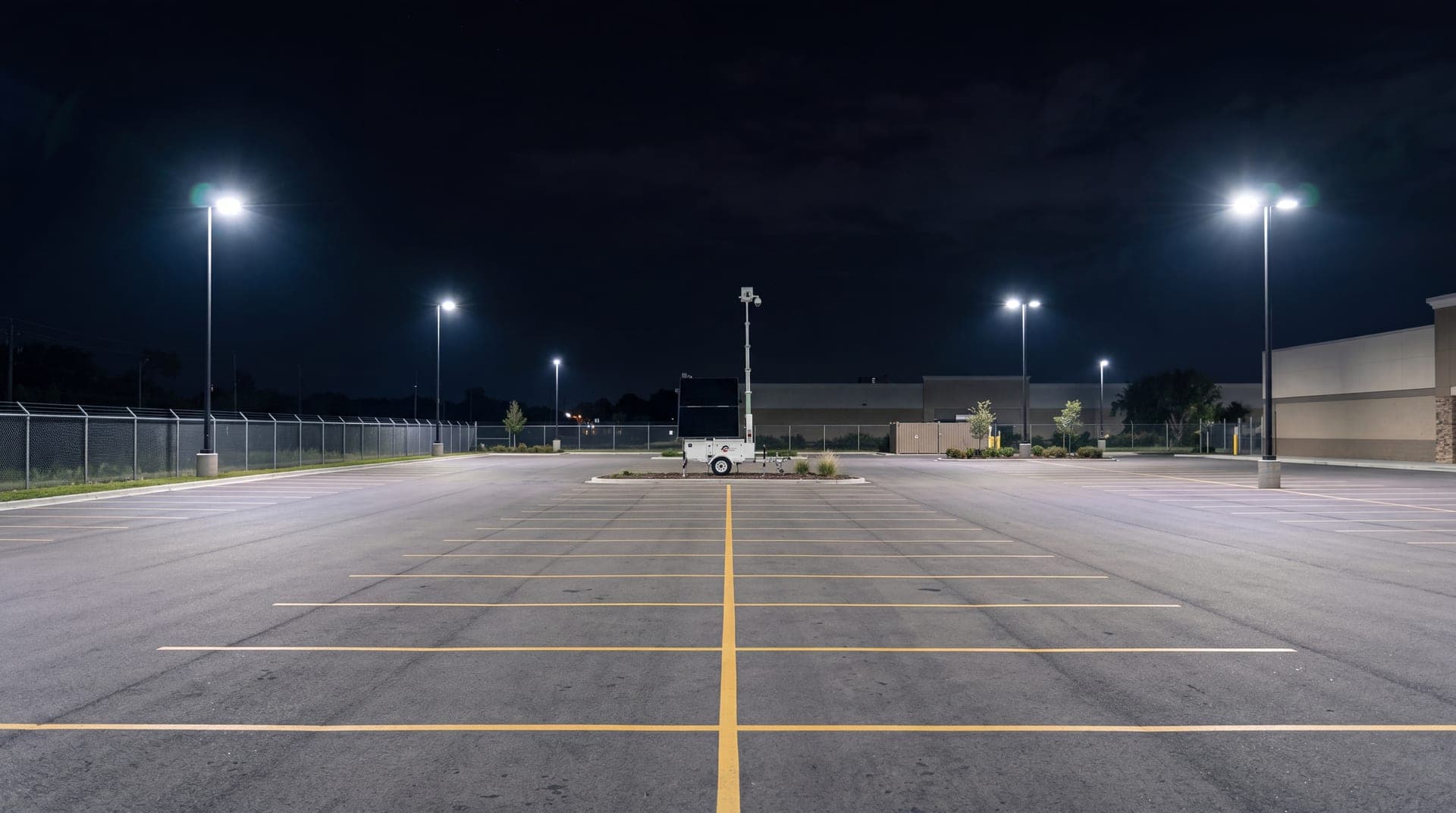
Parking Lot Security: 12 Proven Ways to Prevent Break-Ins and Vehicle Theft
Parking lot security works best as layers—design that removes easy opportunities, technology that detects and verifies incidents, and a process that turns video into a response. Twelve proven measures for property managers, retail operators, HOAs, dealerships, hospitals, and municipalities, with a comparison table and a plain look at cost.
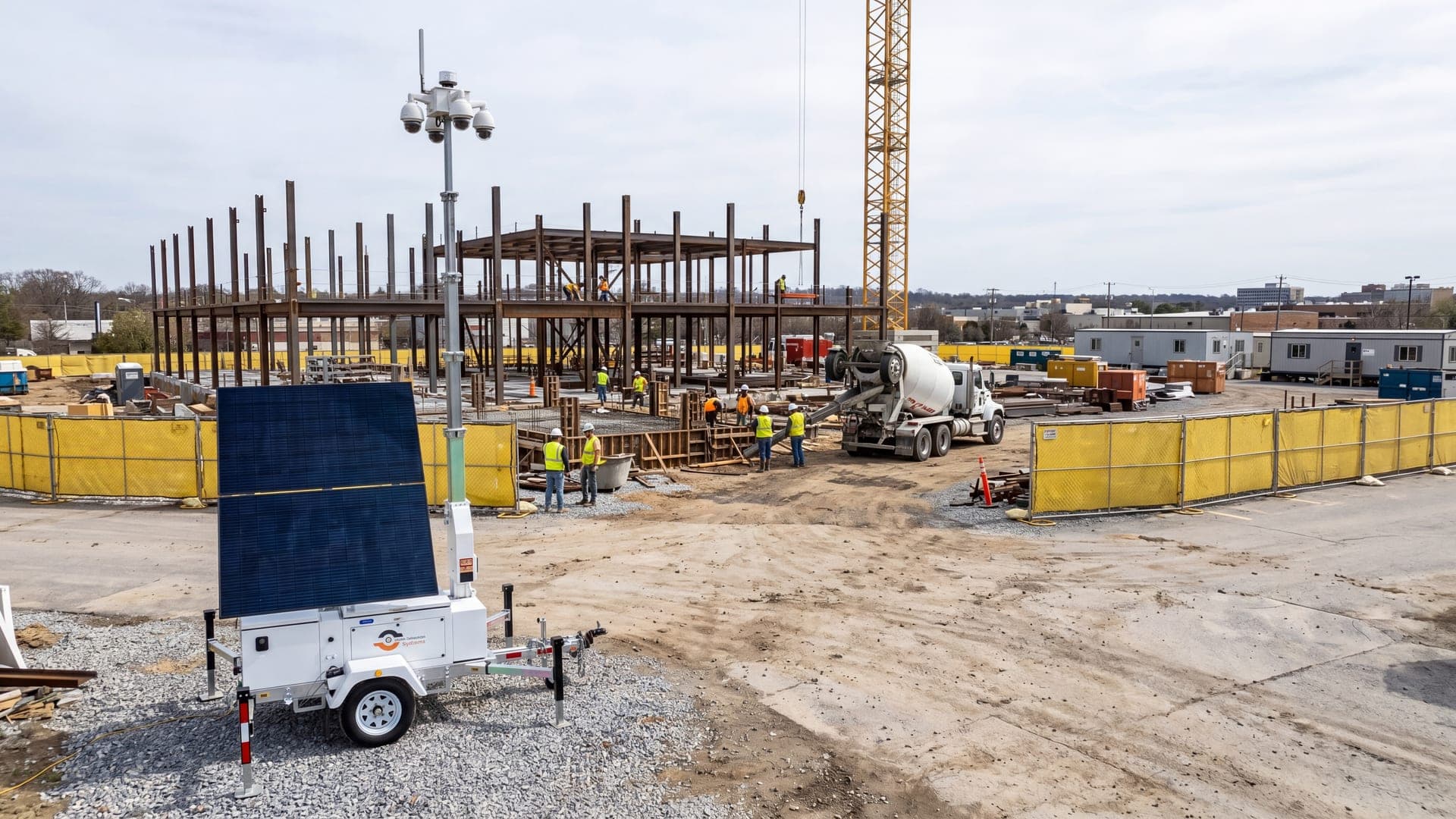
Remote Surveillance Trailers: How They Work, What's Inside, and What They Cost
A remote surveillance trailer packages cameras, solar power, cellular connectivity, and deterrence into one towable unit that watches a site with no power or internet. Here is how the chain works from sunlight to police dispatch, what to ask about each component, and what actually drives cost.
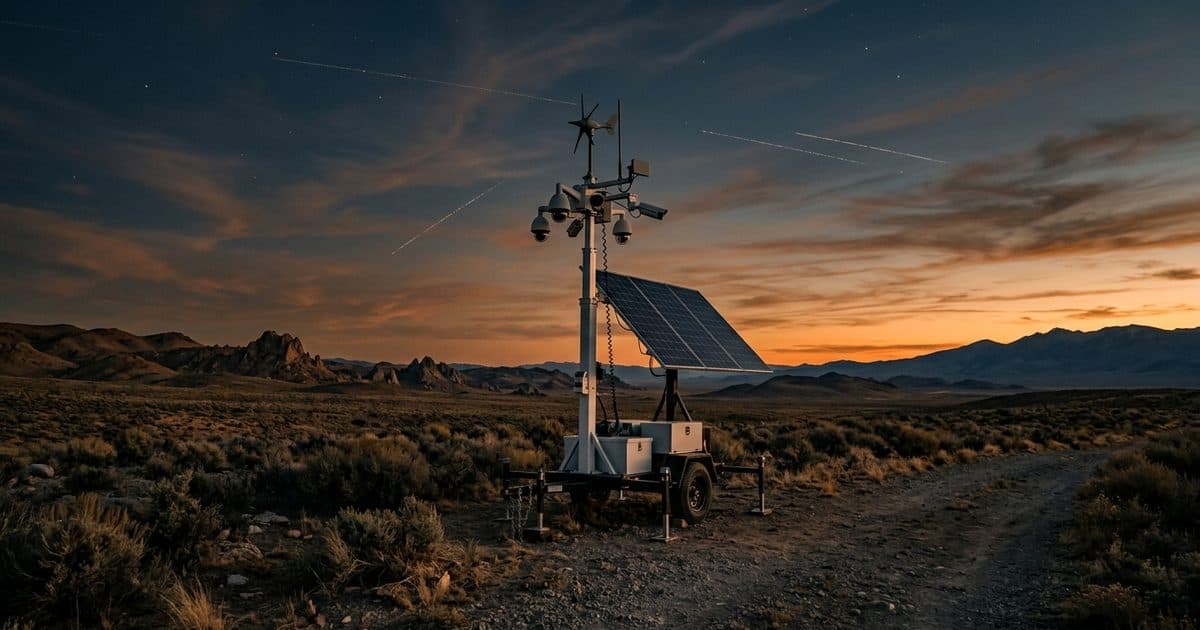
Security Cameras Without Wi-Fi or Power: Cellular and Solar Options for Remote Sites
A security camera can work without Wi-Fi or grid power. Cellular cameras move video over the mobile network, solar and batteries keep them running, and local recording stores footage with no connection at all. This guide compares each option and covers data, solar sizing, and when a solar surveillance trailer is the better fit.
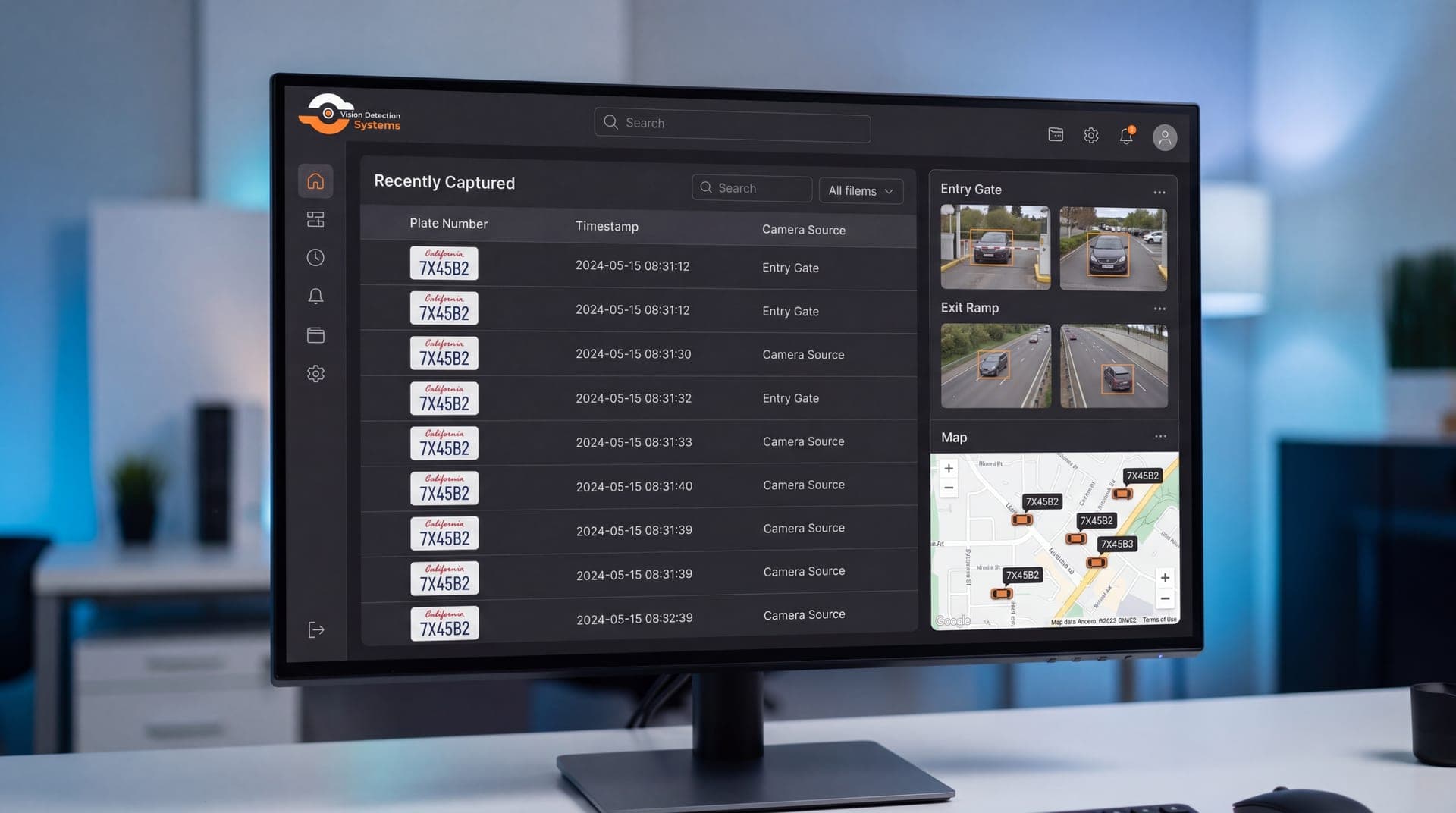
What Is an ALPR System? Automated License Plate Readers Explained
An automated license plate reader captures plate images, converts them to text, and logs each read with a time and location—often matching it against a list and alerting on a hit. How ALPR systems work, the main types, where they're used, the privacy and legal landscape, and what to check before you buy.

AI Jobsite Safety Monitoring: PPE Detection, OSHA Documentation, and What Cameras Can Actually Do
Construction recorded 1,075 fatalities in 2023, more than any other industry. AI safety analytics can flag missing PPE, zone intrusions, and vehicle-pedestrian conflicts in real time, but they cannot run your safety program. Here is what the technology actually does, where it falls short, and how monitored deployment turns detections into supervisor action.

Apartment Complex Security Cameras: A Property Manager's Guide to Lots, Package Theft, and Liability
Crime at apartment communities concentrates in parking lots, garages, and package areas, and multifamily insurance costs are climbing fast. This guide covers where cameras belong, how monitored coverage cuts package theft and liability exposure, and how to respect resident privacy while you do it.
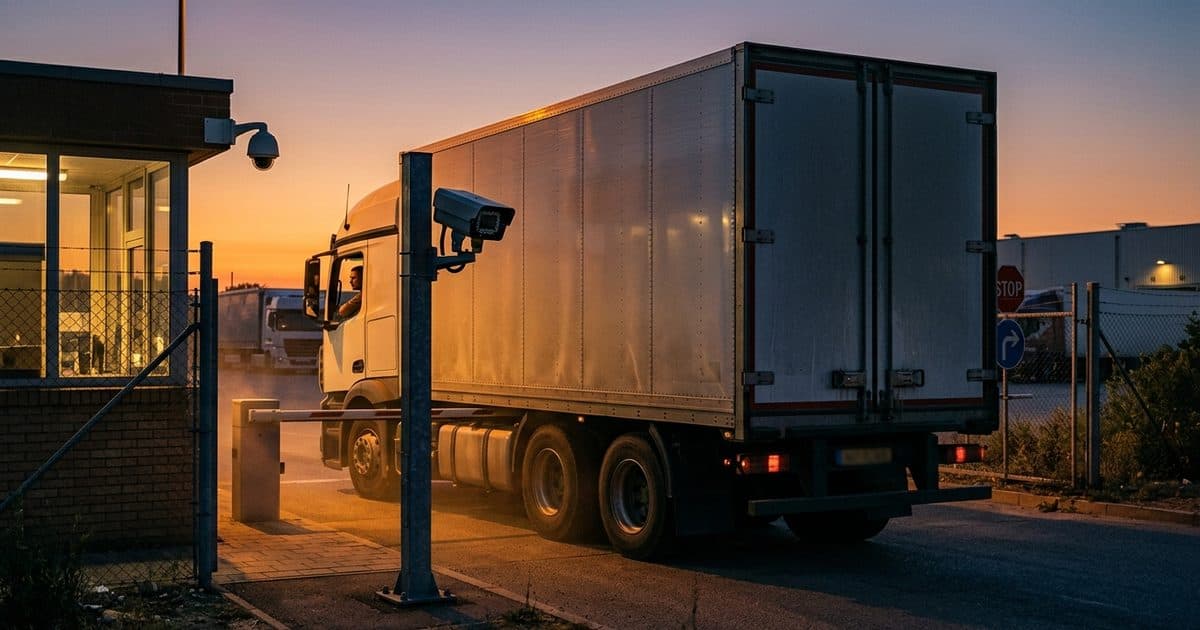
Automated Gate Access: LPR, Credential Verification, and Remote Gate Operations for Yards
Driver detention cost the trucking industry an estimated $15.1 billion in 2023, and much of that dwell starts at the gate. Automated gate access pairs LPR cameras with remote credential verification so routine arrivals roll through in seconds and gate staff handle only verified exceptions.
Business Security Camera Laws: Signage, Audio, Privacy, and What Changed for 2026
Silent video in public-facing business areas is generally legal, but audio capture, biometric analytics, and camera placement each follow separate state and federal rules. This operator's guide covers signage, consent, privacy zones, and the biometric and AI laws that changed for 2025 and 2026.

Property Crime Is Falling. Business Theft Losses Are Setting Records. Both Are True.
FBI data shows property crime fell an estimated 12.4% in 2025, with burglary down in every population group. Over the same year, cargo theft losses reached an estimated $725 million and organized in-store theft rose 52% among retailers tracking it. This analysis explains how both trends are true at once, and what the split means for anyone responsible for a commercial site.
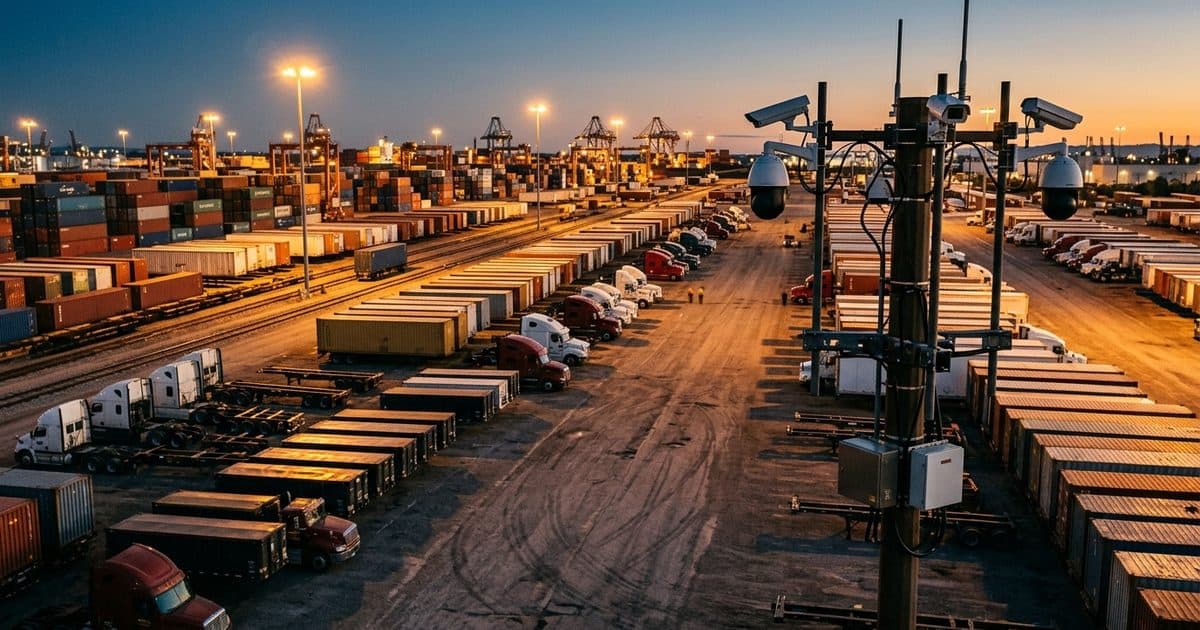
Cargo Theft Hit a Record $725 Million in 2025: What It Means for Yards and Docks in 2026
Cargo theft losses reached an estimated $725 million in 2025, up roughly 60% year over year, even though confirmed incidents grew far more slowly. Thieves are selecting higher-value targets, and that changes how yards, cross-docks, and drop lots need to defend freight in 2026.
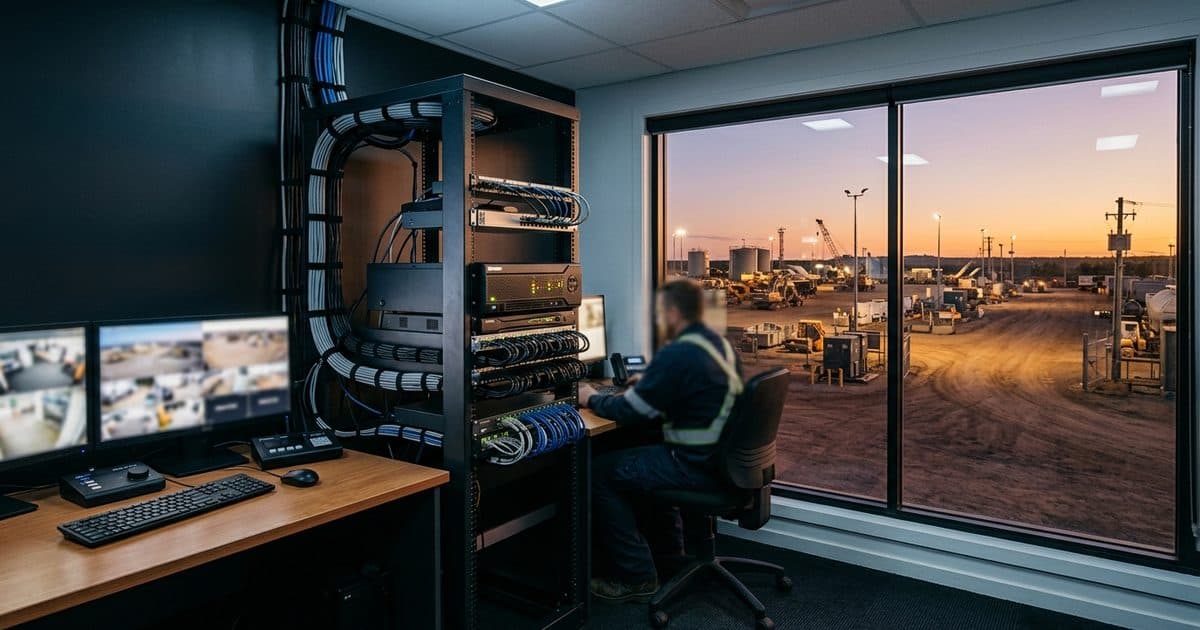
Cloud vs. On-Site Video Storage for Business Surveillance: Which Protects Your Footage?
Cloud storage promises off-site preservation and access from anywhere; local NVRs promise recording that continues when connectivity drops. This guide compares the two on bandwidth, retention, chain of custody, and resilience, and explains why remote and solar-powered sites usually need both.
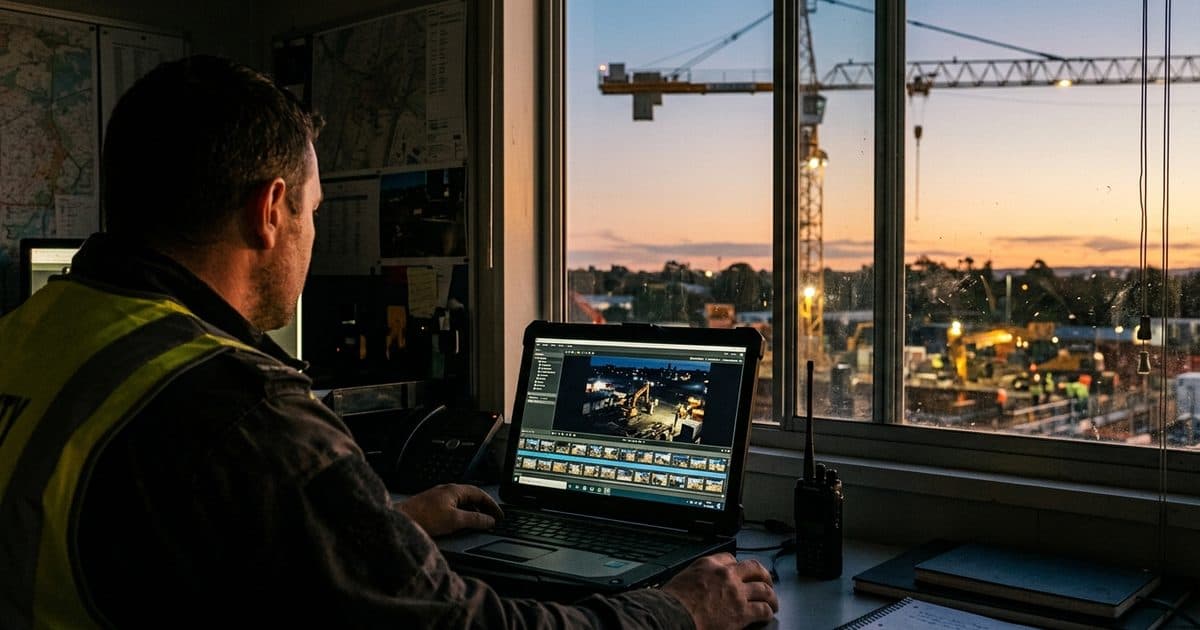
Construction Camera Software: What to Look For in a Jobsite Camera Platform
Camera hardware is only half the purchase. The software layer decides how fast you can find footage, who gets alerted, and whether a clip holds up as dated evidence in a claim or dispute. This buyer's guide covers the platform capabilities worth comparing and the questions to ask each vendor.
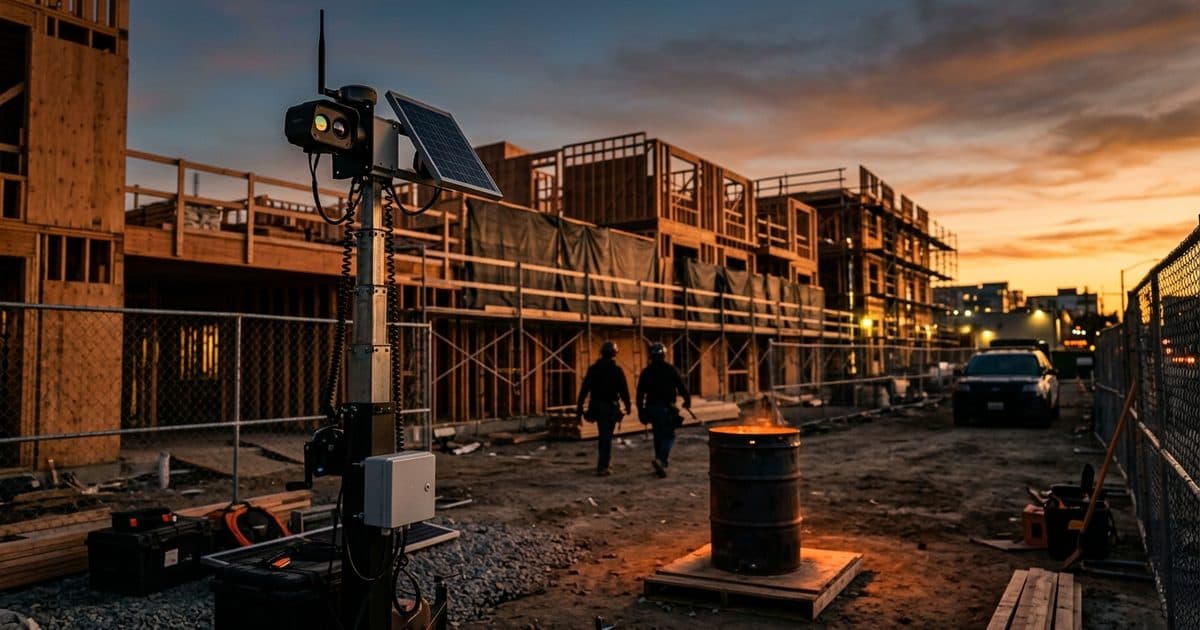
Construction Site Fire Watch: How Cameras Extend NFPA 241 Fire Prevention Programs
US fire departments respond to an average of 3,840 fires per year in structures under construction, according to NFPA research. NFPA 241 requires a fire prevention program, and insurers increasingly mandate fire watch coverage on wood-frame and hot-work projects. Monitored cameras extend that coverage between human rounds and after hours, without replacing the fire watch itself.
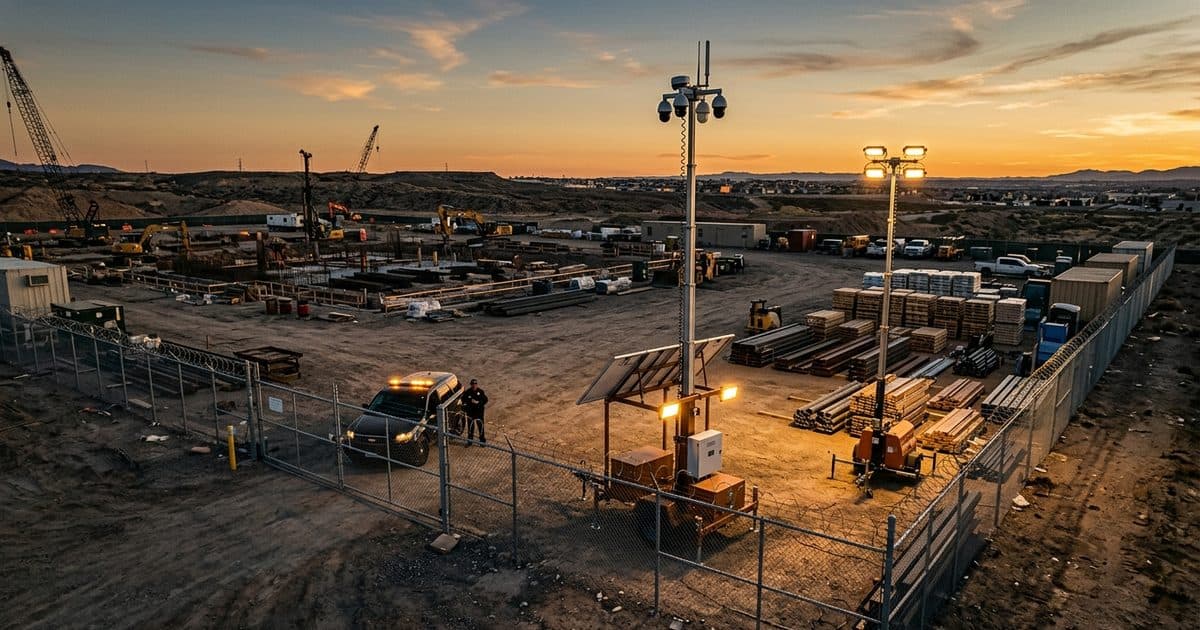
Construction Site Security System: The Complete Planning Guide
Plan your construction site security system by project phase. Cover theft prevention, monitoring protocols, and evidence readiness from ground-break to closeout.
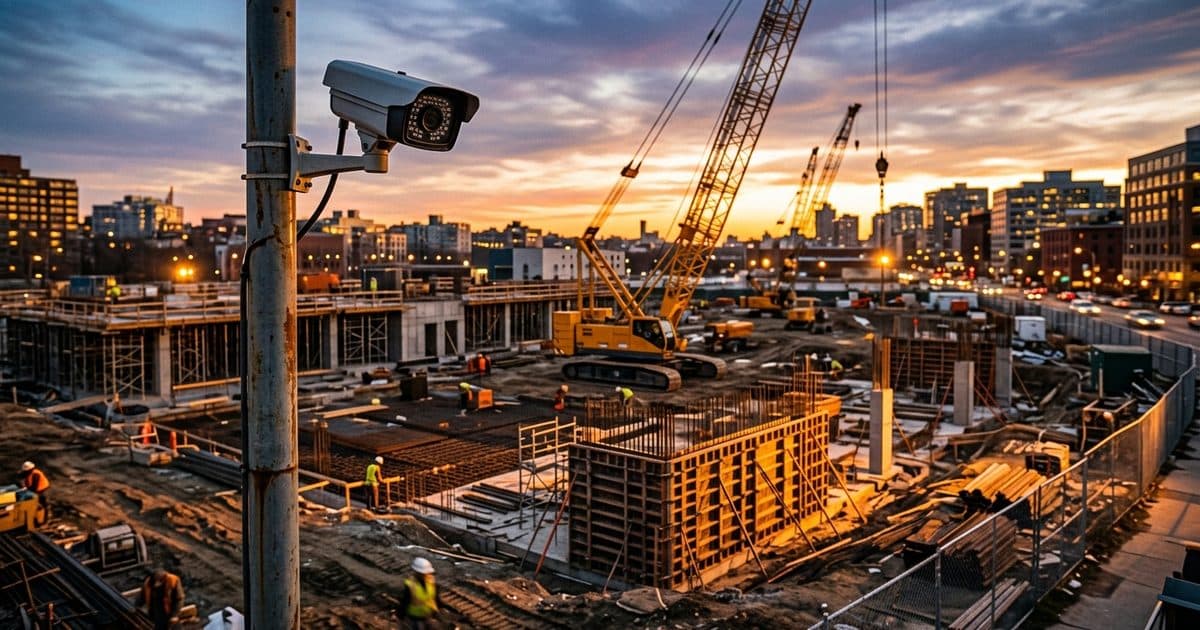
Time-Lapse Construction Cameras vs. Security Cameras: Do You Need Both on Your Jobsite?
Time-lapse cameras document progress for owners, lenders, and marketing teams. Monitored security cameras protect the site after hours. On most active jobsites the deciding factor is a third job both can serve, building the timestamped evidence record that supports delay claims and theft investigations.
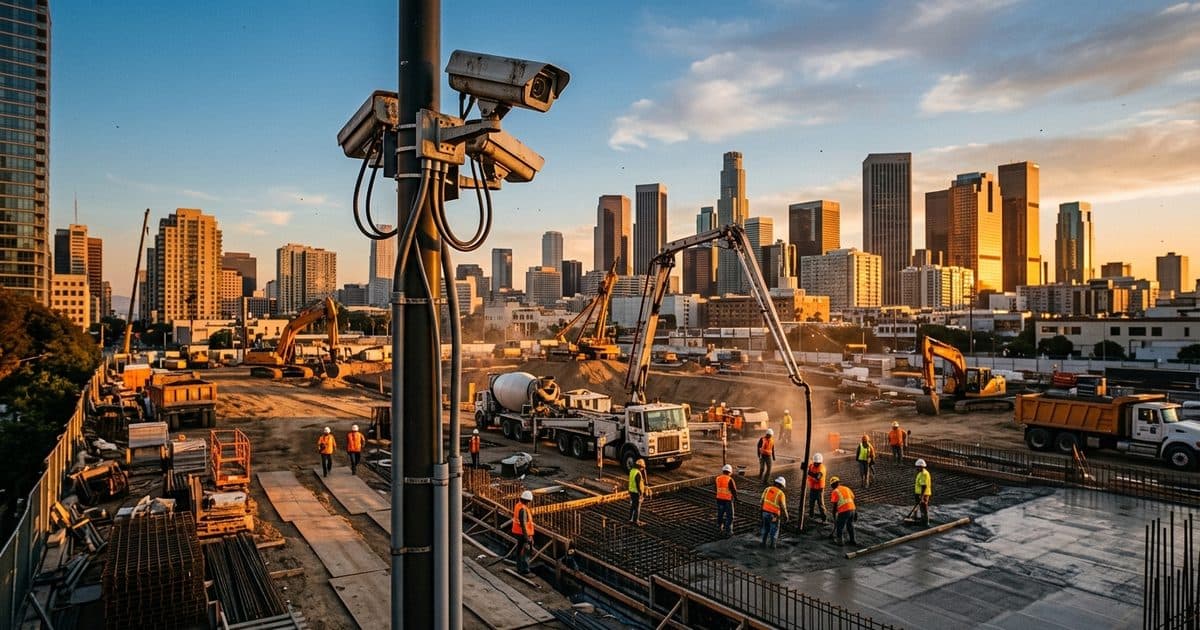
Construction Webcams and Jobsite Live Streaming: One Camera, Three Jobs
A jobsite webcam does not have to be a single-purpose expense. Specced correctly, one camera delivers owner live views and remote progress checks by day, marketing time-lapse at closeout, and monitored security overnight. Here is how to plan bandwidth, privacy, and placement so all three jobs actually work.
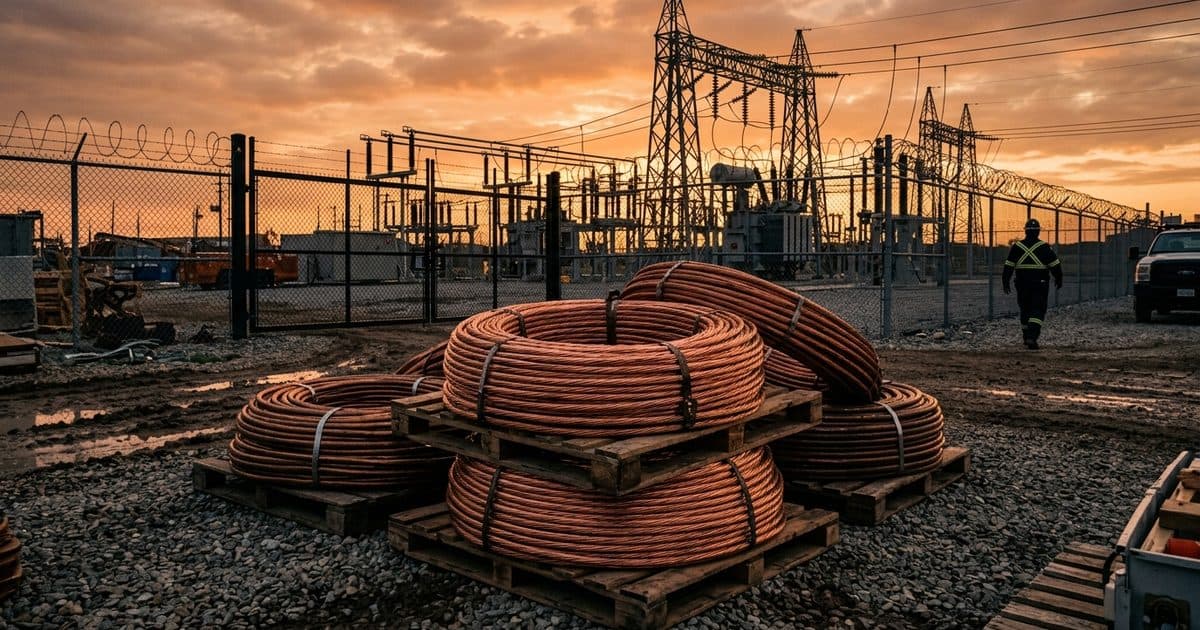
Copper Theft in 2026: Record Prices, Organized Crews, and the Laws Catching Up
AT&T disclosed more than 10,000 copper theft incidents in 2025, with losses topping $80 million and what the company called clear evidence of organized crime. Record copper prices, professional crews, and slow scrap-law enforcement have turned metal theft into a critical-infrastructure problem. Here is what changed heading into 2026 and how operators are getting ahead of it.
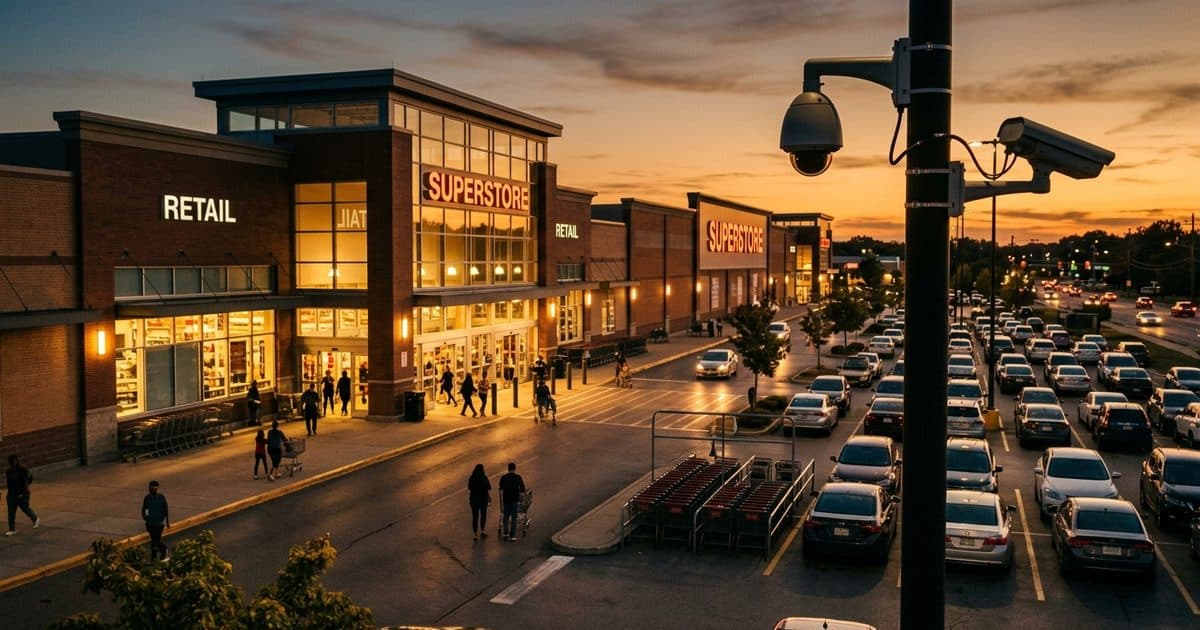
CORCA Passed the House: What the Federal Retail Crime Bill Means for Loss Prevention
The Combating Organized Retail Crime Act passed the House 348–60 in May 2026 and now sits with the Senate. If it becomes law, prosecutors could aggregate theft values across incidents and state lines. That makes plate captures, timestamped video, and cross-location documentation more valuable to loss prevention teams than ever.

Crane Cameras and Lift-Zone Visibility: Safety Monitoring for Vertical Construction
Crane work is one of the most consequential activities on a vertical construction site, and most incidents trace back to something nobody could see. Hook cameras, elevated fixed cameras, and ground-level monitored units each cover a different blind spot. Here is how the three layers fit together on high-rise and data-center projects.
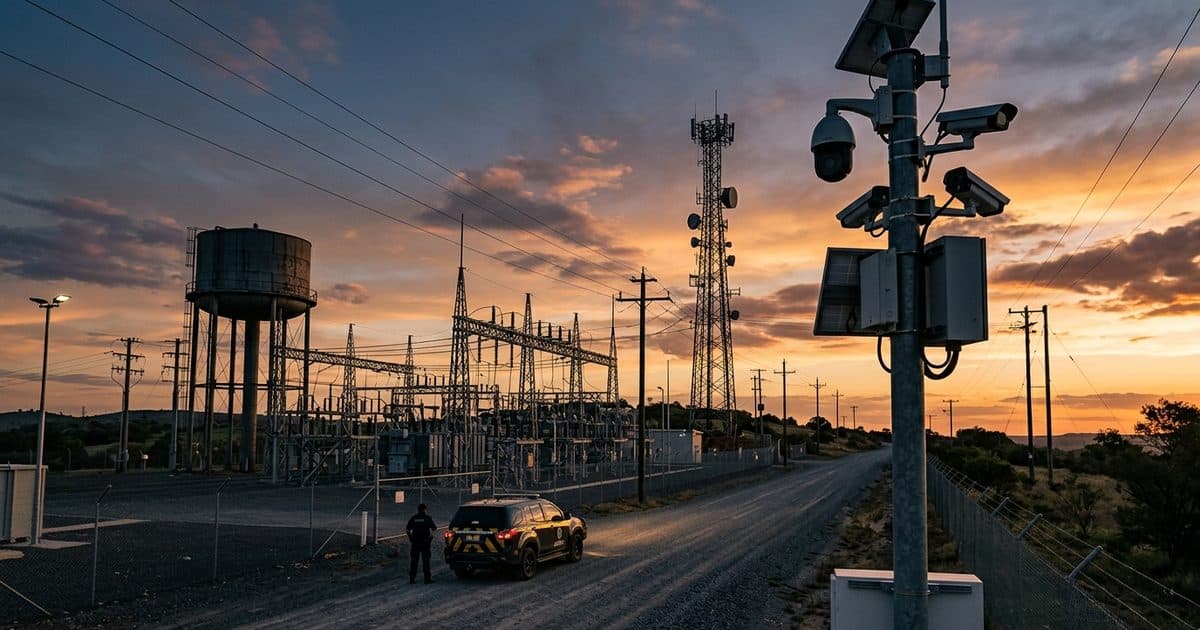
Critical Infrastructure Physical Security: A Practical Playbook for Site Operators
Physical attacks and theft against critical infrastructure are rising across nearly every dataset regulators publish. This playbook covers the threat picture, what regulation does and does not require, and a layered deter-detect-verify-respond model that site operators can apply to substations, water plants, towers, and energy facilities.
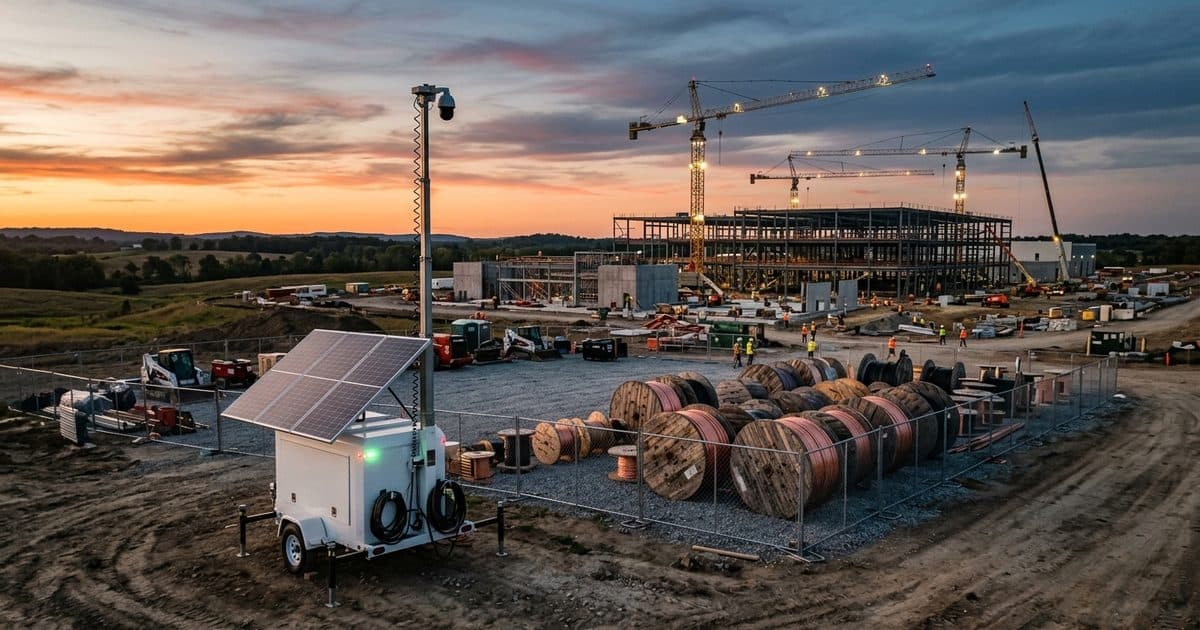
Data Center Construction Site Security: Stopping the Copper Theft Wave Hitting AI Builds
Hyperscale data center builds concentrate more copper, switchgear, and high-value equipment than almost any other project type, and organized theft crews have noticed. This guide covers how to secure a data center construction site from groundbreaking through commissioning, including laydown yard coverage, NDAA-compliant cameras, and monitored surveillance that works before permanent power exists.
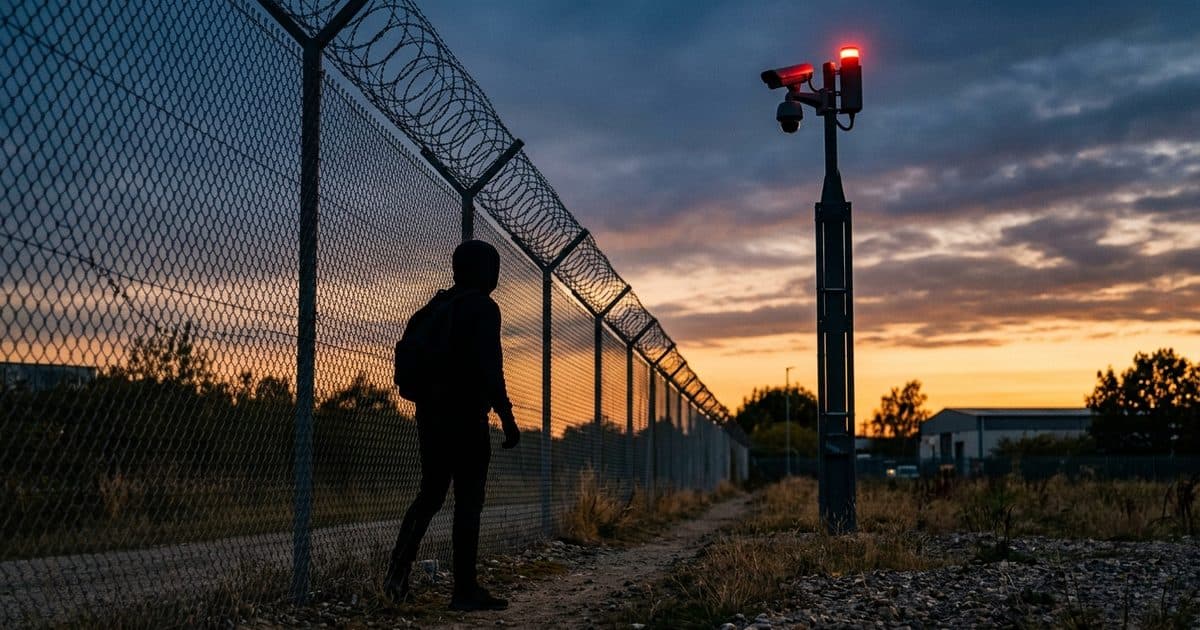
Do Security Cameras Deter Crime? What the Research Actually Shows
Research on offender decision-making shows most burglars screen for cameras and alarms before committing, and many abandon targets that have them. The deterrent effect is strongest when cameras are visible and actively monitored, because monitoring turns detection into real-time intervention. Here is what the studies show, and where their limits are.
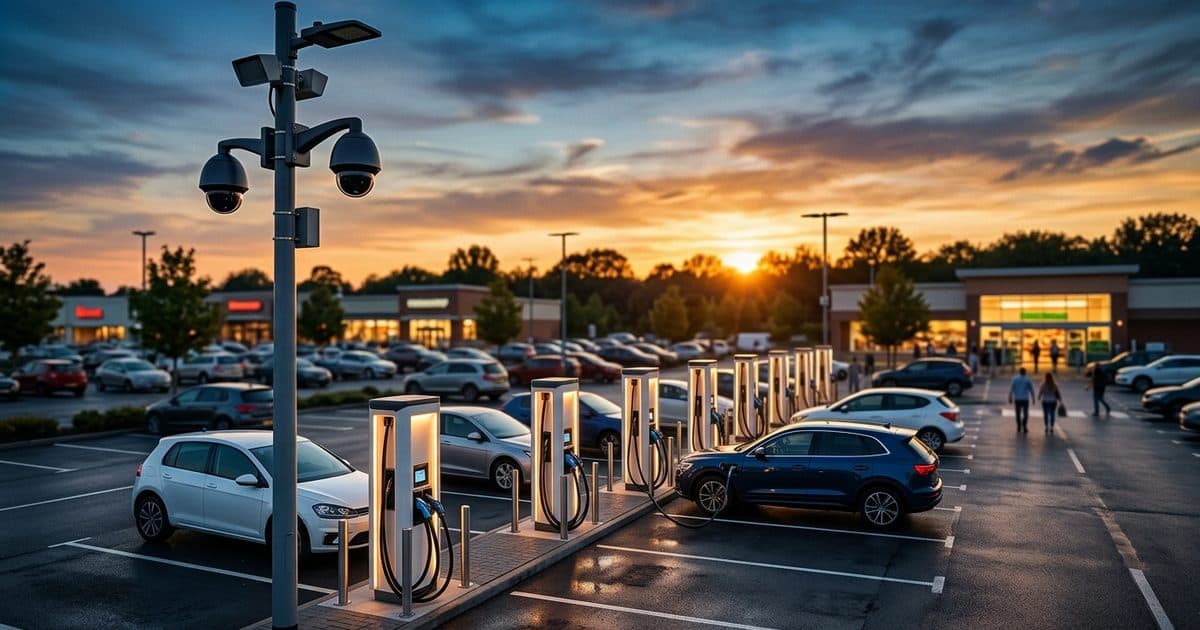
EV Charging Station Security: How to Stop Charging Cable Theft and Vandalism
Charging cable theft is surging alongside record copper prices, and site hosts absorb the losses. A cut cable costs $2,000 to $4,000 to replace and takes the charger offline for days or weeks, while the thief nets roughly $15 to $20 in scrap. This guide covers why chargers are targeted, what theft actually costs, and the layered defenses that work.

Event-Based Monitoring vs. Continuous Live Monitoring: Which Does Your Site Need?
Event-based monitoring uses analytics to flag activity for human verification, while continuous monitoring keeps dedicated operator attention on your cameras for a set window. The right choice depends on your risk profile, incident frequency, hours of exposure, and budget. This guide breaks down how each model works and when each one earns its cost.
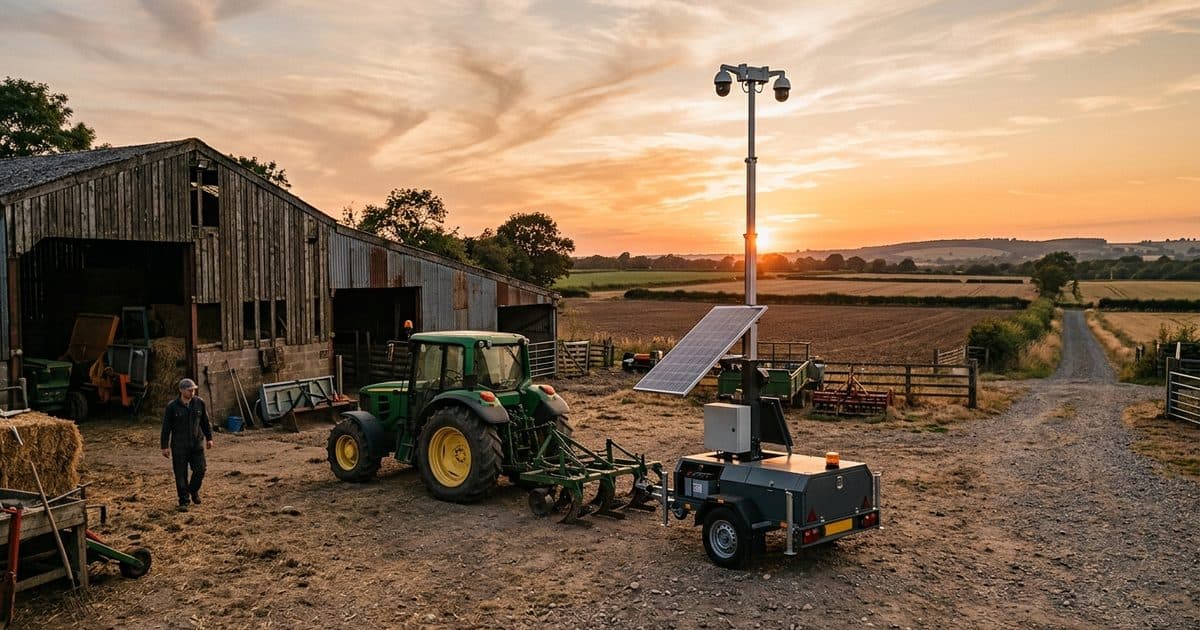
Farm Equipment Theft Prevention: Securing Barns, Fuel, and Machinery on Remote Acreage
Tractors, diesel, and crop chemicals disappear from remote acreage where the nearest deputy may be many miles away and there is no grid power for cameras. This guide covers what thieves target on farms, when risk peaks, and how layered prevention with verified video monitoring interrupts theft in progress instead of just documenting it.
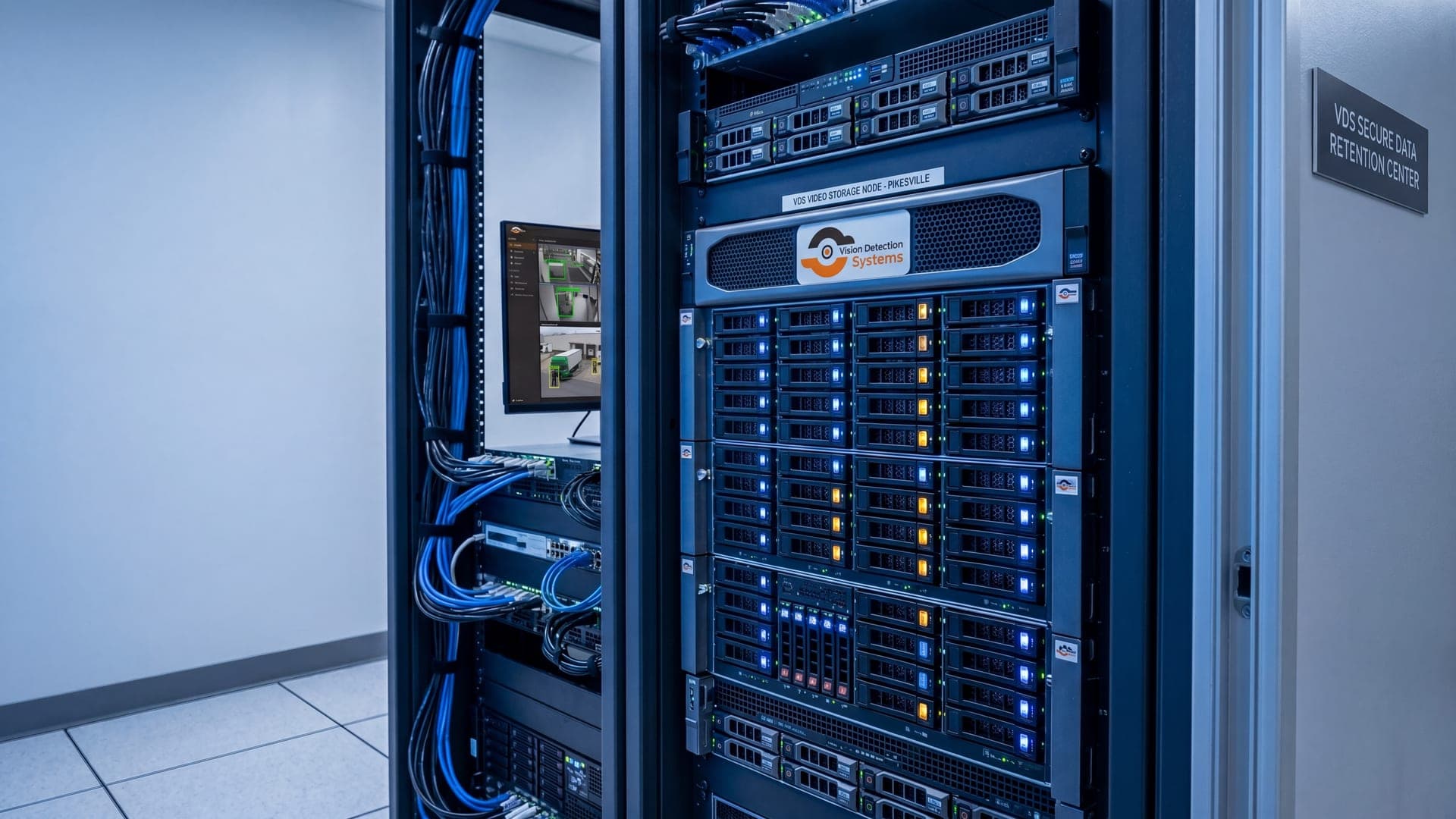
How Long Should Security Camera Footage Be Retained? (A Commercial Guide)
Industry-specific retention windows that protect claims and legal cases
Want to talk security?
Our team is available to discuss your specific use case.