
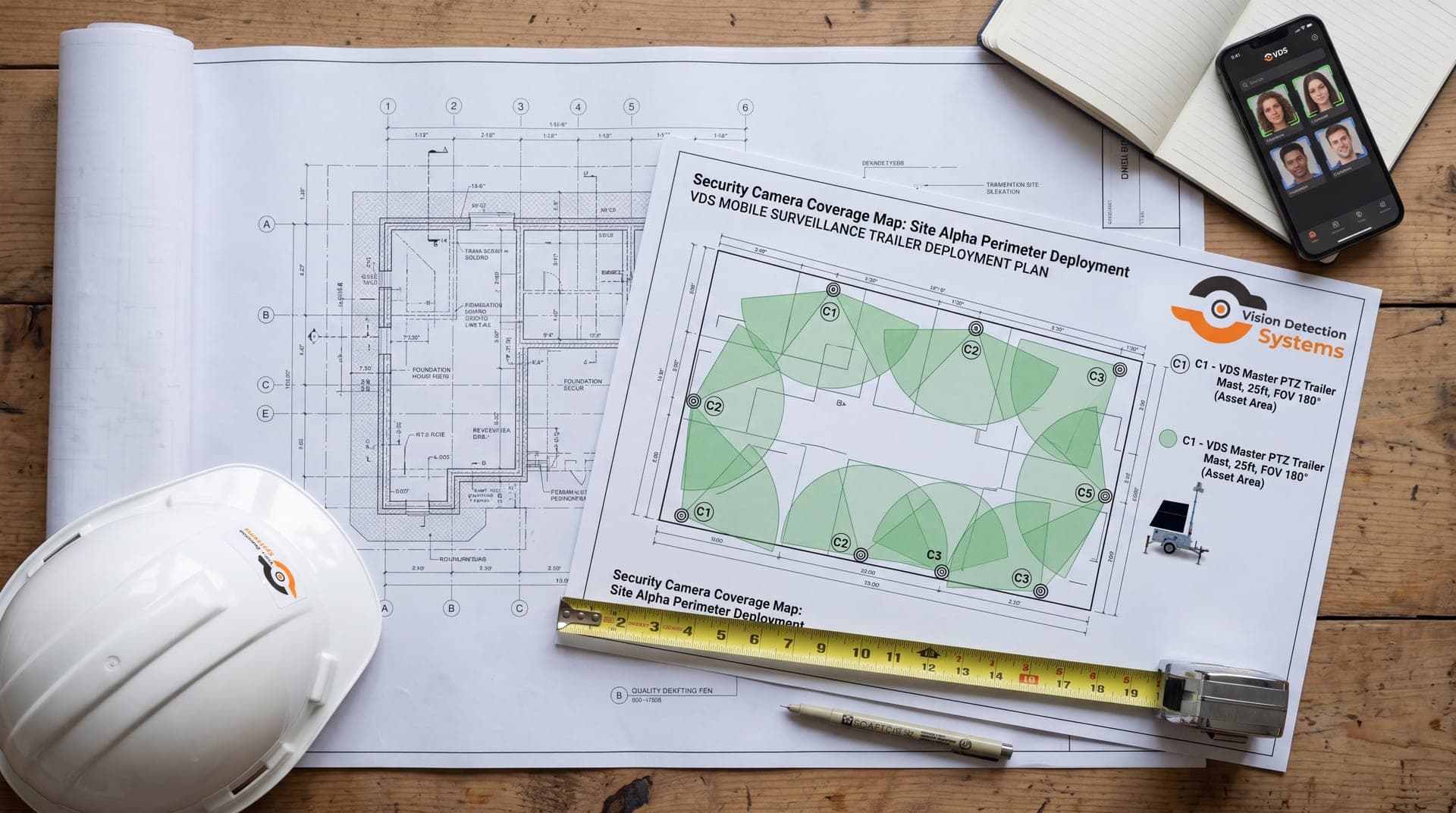
This guide walks project managers through building a construction site security plan that satisfies insurance requirements, protects assets, and establishes clear incident response protocols. Whether you're responding to a recent theft, meeting bonding requirements, or planning security from project start, these six steps create a defensible security framework.
Step 1: Conduct a Site Risk Assessment
Every effective construction site security plan starts with understanding what you're protecting and where vulnerabilities exist. Document these key areas:
Asset inventory: List all equipment, materials, and copper by value and theft appeal. Heavy machinery, generators, and wire spools top most theft lists. Track which assets stay on-site overnight versus return to secured yards.
Map access points including gates, fence gaps, and natural entry routes. Many sites have obvious main gates but overlook drainage areas, adjacent property boundaries, or gaps created during utility work.
High-risk periods: Theft peaks during weekends, holidays, and between shift changes when sites appear unmonitored. Weather delays that extend material storage also increase exposure windows.
Document neighboring properties and lighting conditions. Sites adjacent to residential areas face different risks than remote industrial locations. Existing street lighting reduces some perimeter security needs.
Step 2: Establish Perimeter Control
Physical barriers form your first defense layer and signal active security management to potential thieves.
Fencing requirements: Eight-foot chain link with three strands of barbed wire meets most insurance minimums. Temporary construction fencing works for short projects, but permanent installations suit multi-year developments.
Gate security includes sturdy locks, clear signage about authorized personnel, and documented key holder lists. Avoid padlocks that bolt cutters defeat easily.
Lighting strategy: Motion-activated LED floods cover high-value storage areas and main access points. Solar units work where electrical infrastructure isn't available. Thieves avoid well-lit areas that expose their activities.
Warning signage should reference security monitoring, trespassing penalties, and property owner contact information. Professional signs suggest active management versus hand-written warnings that indicate minimal oversight.
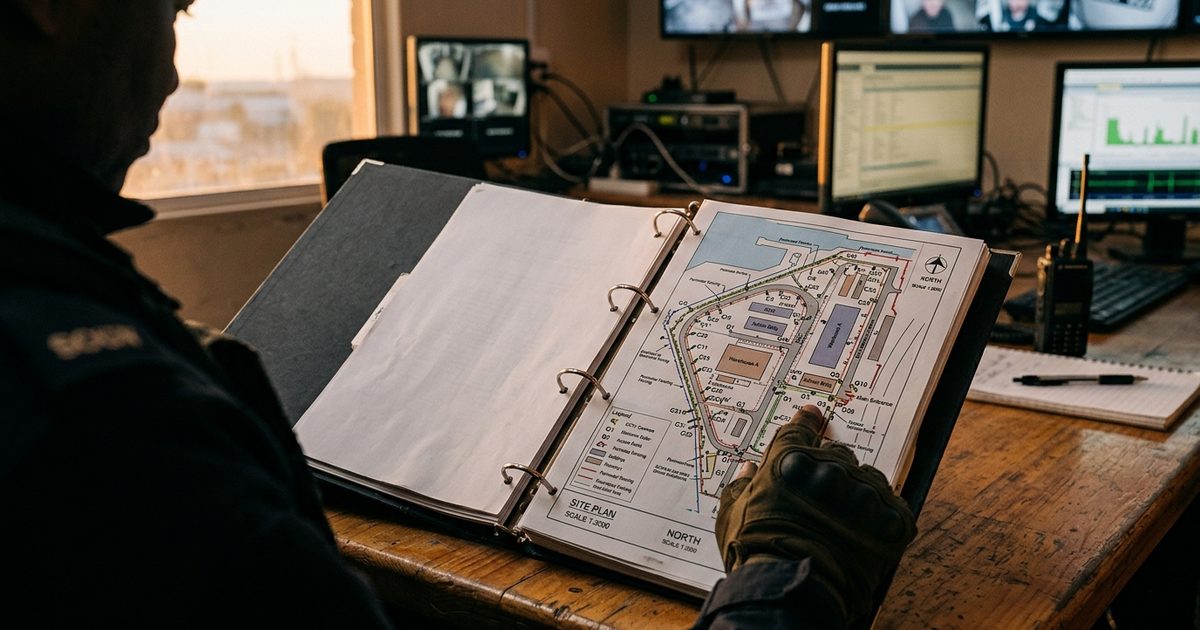
Step 3: Implement Access Management
Controlling who enters your site and when creates accountability and reduces inside theft opportunities.
Maintain current personnel lists including employees, subcontractors, delivery drivers, and inspectors. Update weekly as crew assignments change.
Key control system: Document who holds site keys, gate codes, or equipment keys. Change locks between project phases when personnel turnover occurs.
Establish clear protocols for after-hours access including approval requirements and sign-in procedures. Emergency access should balance security with legitimate operational needs.
Visitor management includes escort requirements for non-regular personnel and delivery scheduling to daylight hours when supervision is available.
Step 4: Deploy Monitoring Technology
Technology extends your security coverage beyond physical presence and provides documentation for insurance claims and law enforcement.
Mobile surveillance trailers offer rapid deployment for construction sites without existing infrastructure. Solar-powered units with cellular connectivity provide 24/7 monitoring capability even in remote locations.
Camera placement should cover equipment storage areas, material stockpiles, site entrances, and perimeter gaps. Night vision capability captures incidents during peak theft hours.
Alert systems: Motion detection, gate sensors, and perimeter breach alerts notify designated personnel immediately rather than discovering theft the next morning. Construction live monitoring services verify threats and coordinate with local law enforcement to reduce false alarm responses.
Equipment tracking through GPS devices helps locate stolen items and provides theft recovery assistance. Many insurance policies offer discounts for GPS-equipped machinery.
Step 5: Develop Incident Response Procedures
Clear response protocols reduce confusion during security events and improve recovery outcomes.
Alert escalation: Define who receives notifications and in what order. Site supervisors, project managers, and security monitoring companies need current contact information including after-hours numbers.
Law enforcement coordination includes pre-established relationships with local police departments, case report procedures, and evidence preservation requirements. Some jurisdictions prioritize construction site thefts when sites demonstrate active security management.
Documentation requirements: Incident reports, photographic evidence, witness statements, and insurance notification timelines. Most policies require theft reporting within 24-48 hours.
Recovery procedures: Equipment serial numbers, purchase receipts, and GPS tracking data assist law enforcement and insurance recovery efforts. Maintain digital copies of ownership documentation off-site.
Step 6: Document and Report Security Activities
Insurance companies and project owners require documented security efforts to validate coverage and demonstrate risk management.
Weekly security reports should document personnel changes, equipment movements, incidents, and any security system maintenance. Many general contractors require this reporting from subcontractors.
Compliance documentation: Some projects require specific security standards for bonding or regulatory compliance. Federal projects often mandate enhanced security protocols beyond standard commercial requirements.
Insurance coordination includes sharing security plans with carriers, reporting system upgrades that may reduce premiums, and maintaining required documentation for claim processing.
Update security plans quarterly or when project phases change significantly. What protects a foundation phase differs from finish work security needs.
Construction Site Security Checklist
Use this checklist to verify your construction site security plan covers essential elements:
- Asset inventory completed with values and theft risk ratings
- All site access points identified and secured
- Perimeter fencing meets minimum height and material requirements
- Lighting installed at storage areas and main entrances
- Warning signage posted at all access points
- Personnel access list updated weekly
- Key control system documented and maintained
- Security cameras cover high-risk areas with night vision capability
- Alert notification system connects to designated personnel
- Incident response procedures documented and shared
- Insurance company notified of security measures
- Weekly security reporting established
Once the plan is written, walk the site against the full 20-point construction site security checklist at mobilization and at every phase change.
Get Professional Help with Your Security Plan
Building a construction site security plan doesn't have to start from scratch. Vision Detection Systems helps general contractors implement comprehensive security frameworks that satisfy insurance requirements while protecting assets throughout every project phase.