
Older articles.
PAGE 3 OF 13 · NEWEST FIRST
Hospital Parking Garage Security for Staff and Visitors
Hospital garages run around the clock and serve people who are tired, stressed or worried. This guide covers how lighting, cameras and monitoring support the safety of staff and visitors.
Hotel Parking Lot Security: Guest Vehicle Break-Ins, Liability and Camera Coverage
Guests expect their vehicles and belongings to be safe overnight. This guide covers lighting, camera coverage and monitoring that protect guests and reduce liability.
Security Cameras for Churches and Houses of Worship
A house of worship needs to be open and welcoming and also safe. This guide covers where cameras help most, how to involve volunteers, and how to set a clear policy.
How High Should Security Cameras Be Mounted?
Mount a camera higher and it sees more and is harder to reach, but it shows less facial detail. This guide explains the trade-off, how to choose a height for entrances and open areas, and how angle, poles and lighting change the answer.
How Many Security Cameras Do I Need to Protect My Business?
There is no fixed number per square foot. Count the places that must be seen, decide how much detail each one needs, and the camera count follows.
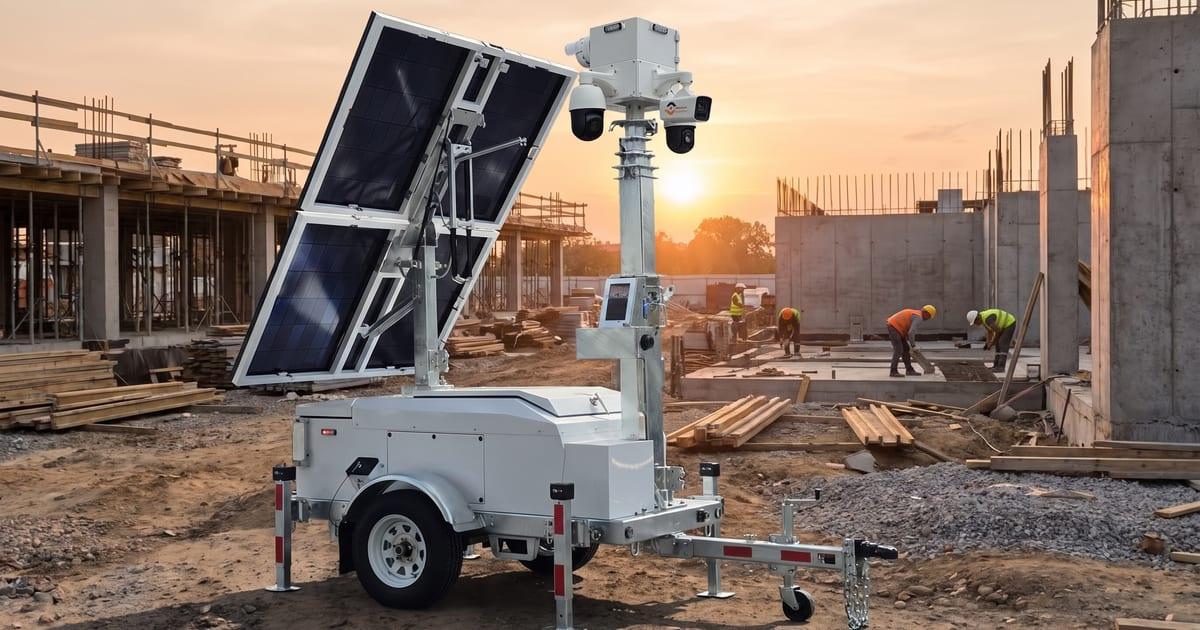
How to Set Up and Place a Surveillance Trailer
Where a trailer stands and how it is aimed decide what it can see and how long it stays powered. This guide walks through survey, placement, setup and testing step by step.
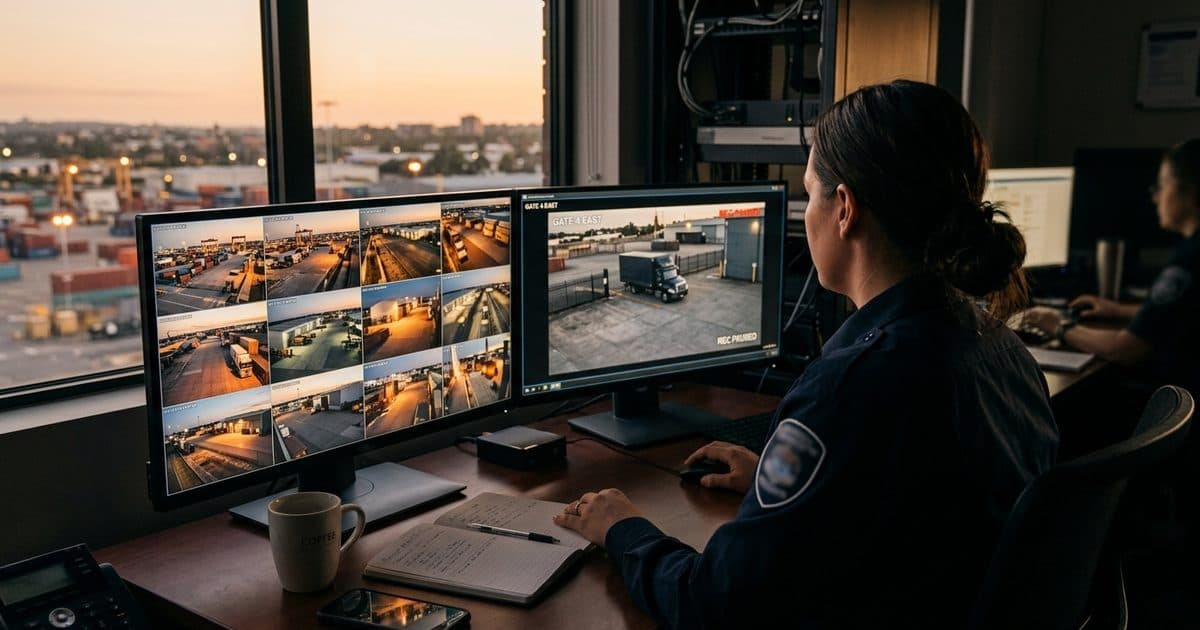
How to Share Security Footage With Police
Footage is most useful to investigators when it is preserved quickly, exported cleanly and documented. This guide covers the basics, with a reminder that rules vary and counsel should confirm your approach.
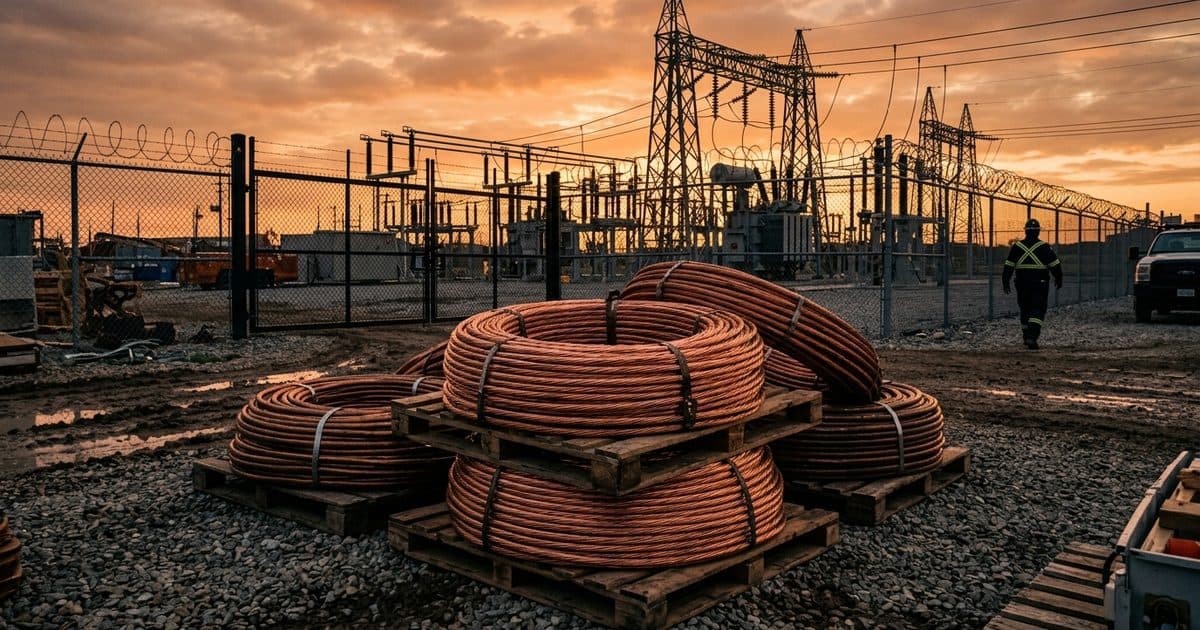
HVAC and Air Conditioner Theft Prevention for Commercial Sites
Rooftop and ground-level cooling units hold copper that thieves can strip in minutes. Physical barriers, clear camera views and live monitoring work best together.
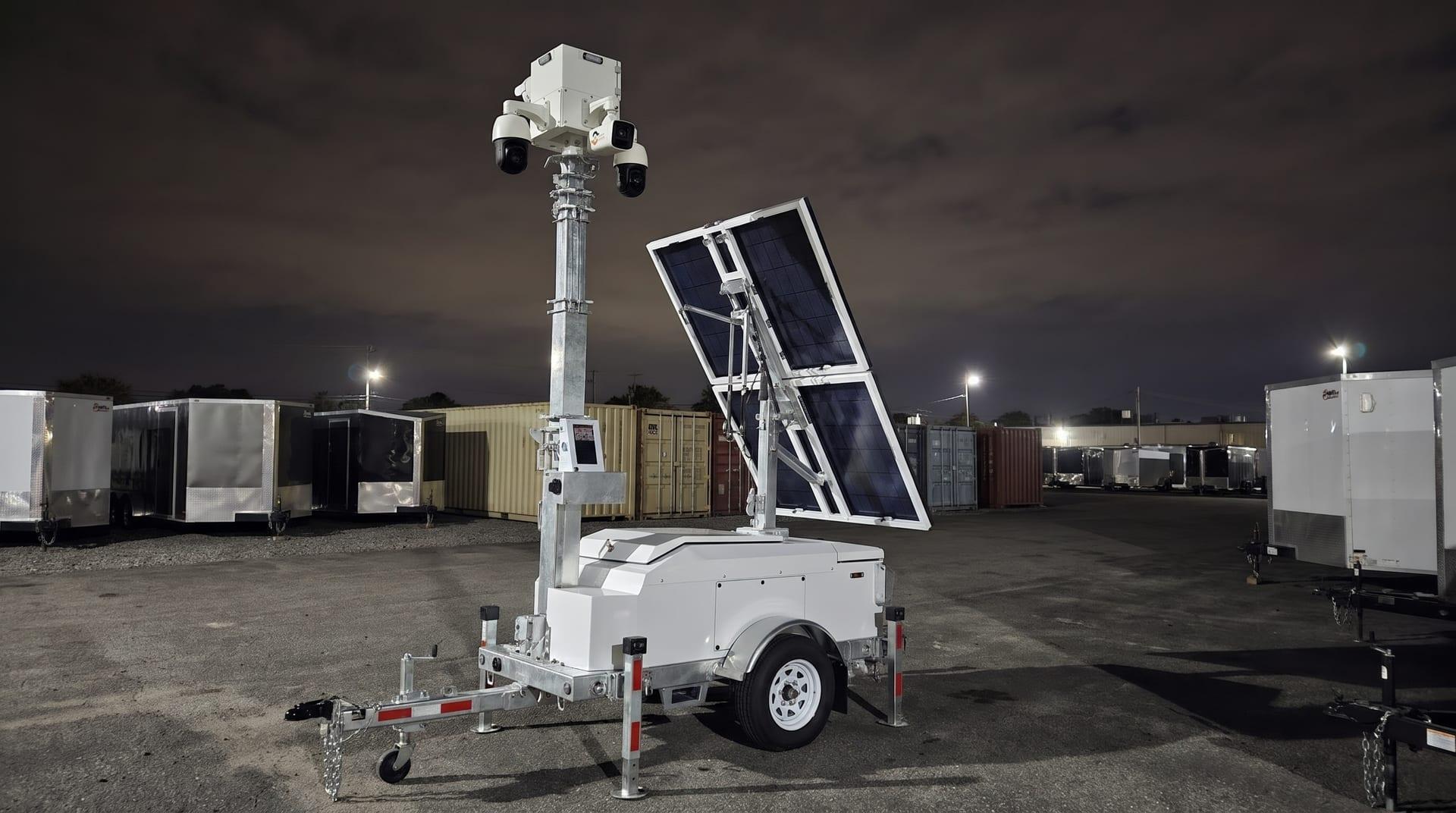
Impound Lot Security: Cameras, Gate Logs and Damage Claims
A tow yard holds other people's vehicles, which makes every scratch, missing part and disputed release a potential claim. Good records and monitored cameras turn those disputes into questions you can answer.
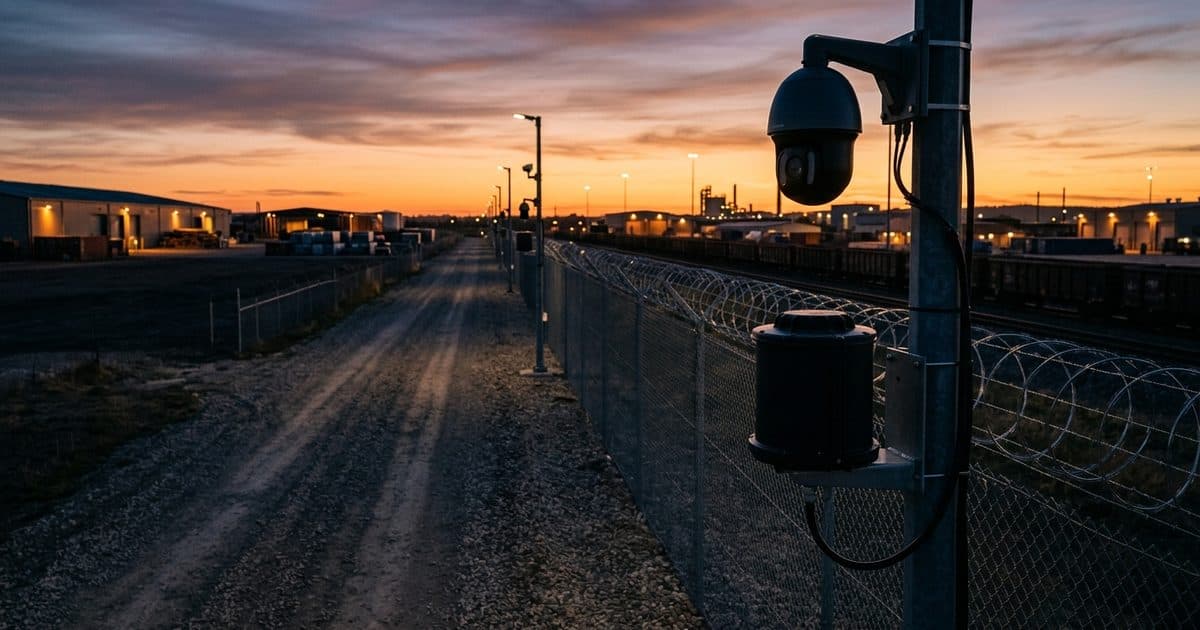
Industrial Facility Perimeter Security: Layers, Detection and Response
Industrial sites have long fence lines, large yards and many ways in. This guide explains how to layer physical barriers, detection and monitoring so the boundary actually gets watched.
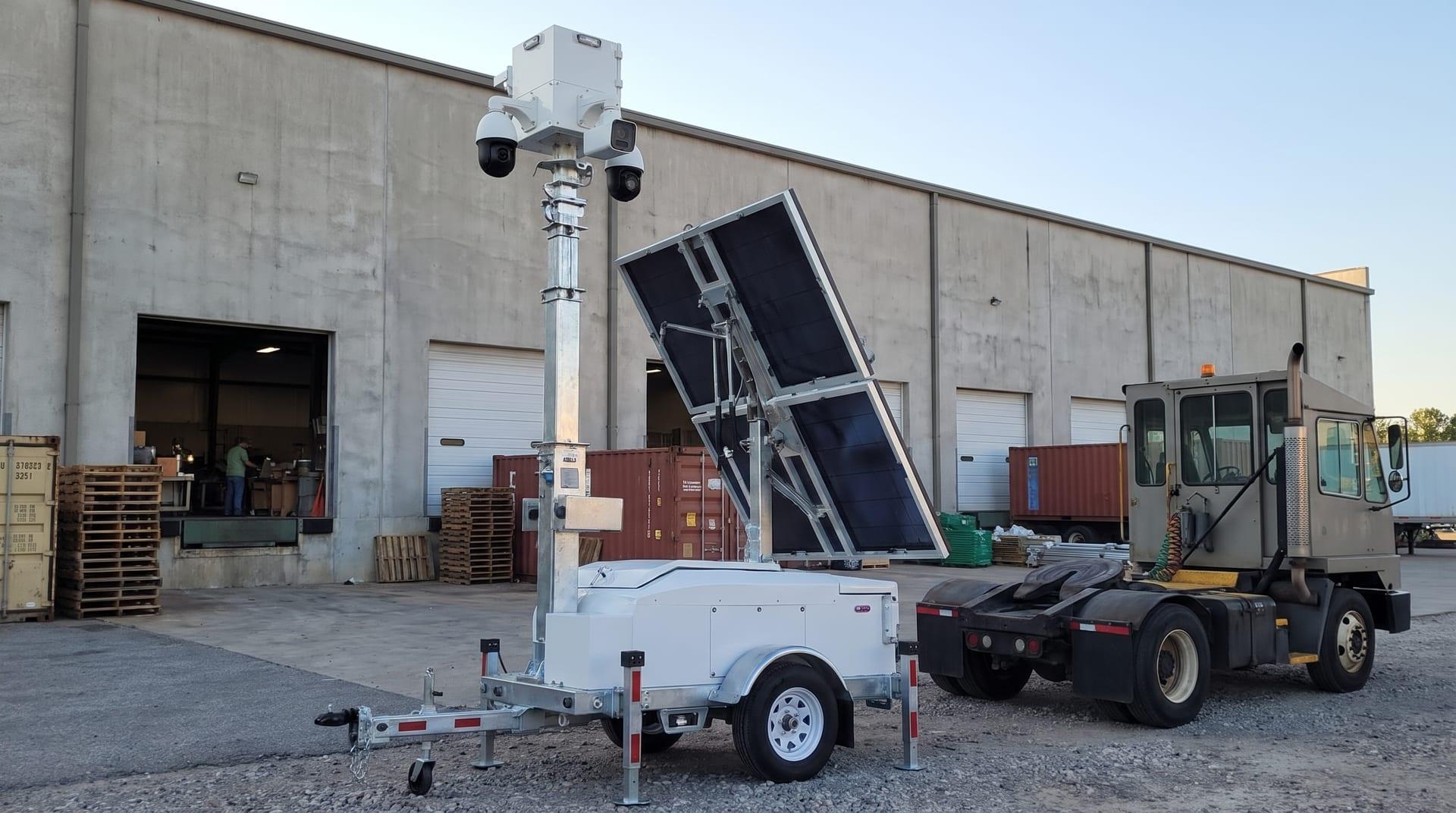
Industrial Park Security Cameras for Multi-Tenant Sites
Industrial parks combine many tenants, parked trailers, stored metal and long fence lines on one property. This guide explains how to plan coverage and monitoring so the whole park is protected.
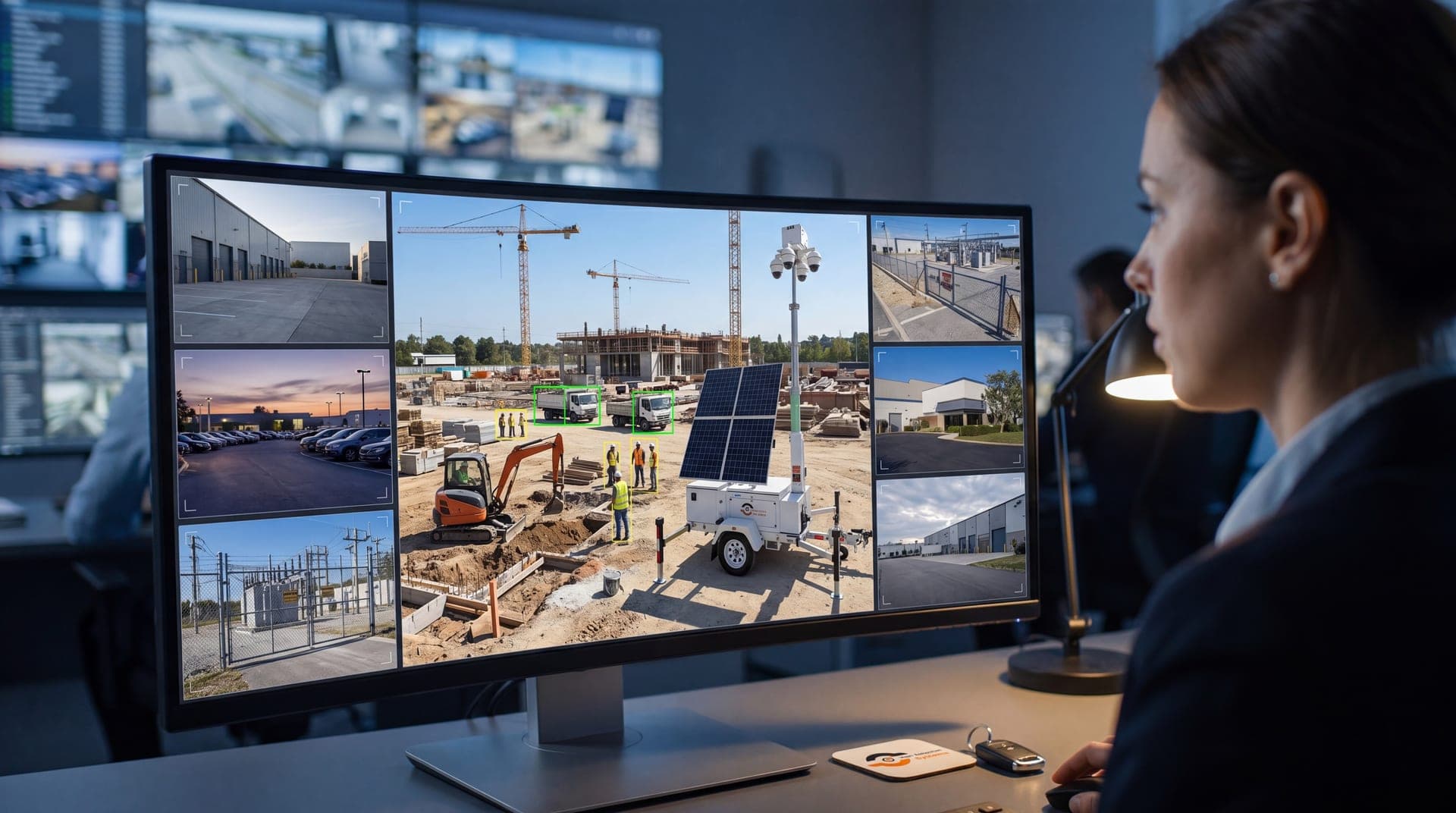
Job Site Cameras: What Contractors Need to Know Before They Buy
Job site cameras are the single fastest way to cut material theft, settle liability disputes, and prove what actually happened on a project without relying on anyone's memory. A jobsite without cameras isn't just blind at night—it's blind during the exact hours when theft, vandalism, and equipment damage are most likely to happen.
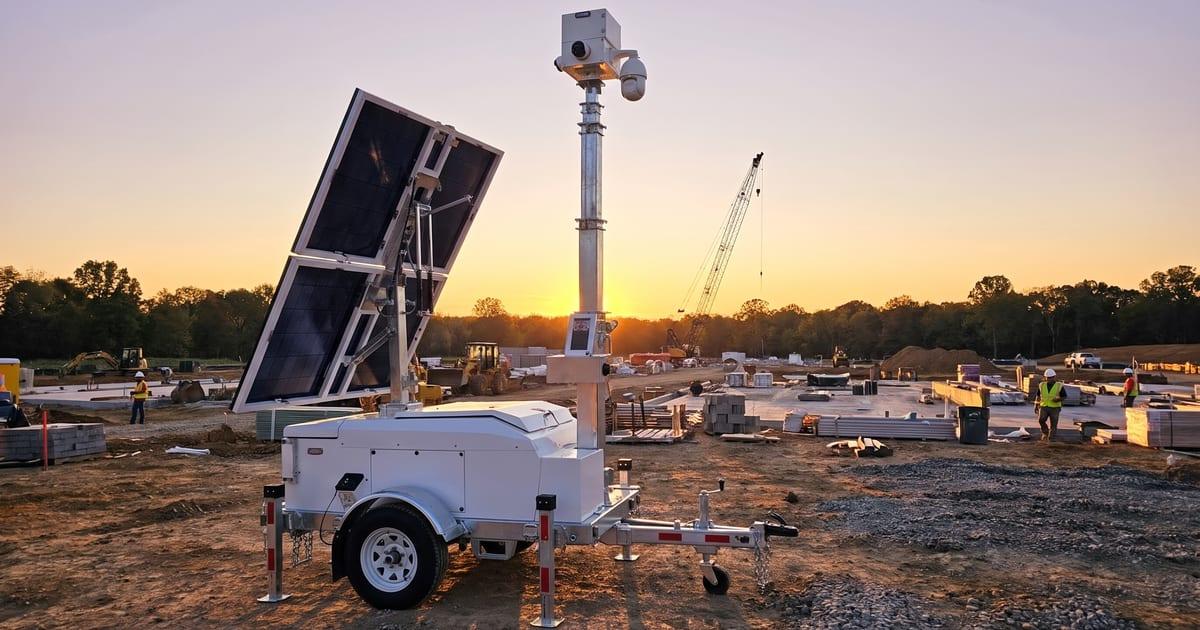
Jobsite Tool Theft Prevention: A Practical Guide
Tools are small, valuable and easy to resell, so they disappear from jobsites in ways that are hard to trace. This guide covers storage, marking, inventory control, site security and monitored video that make theft harder and recovery more likely.
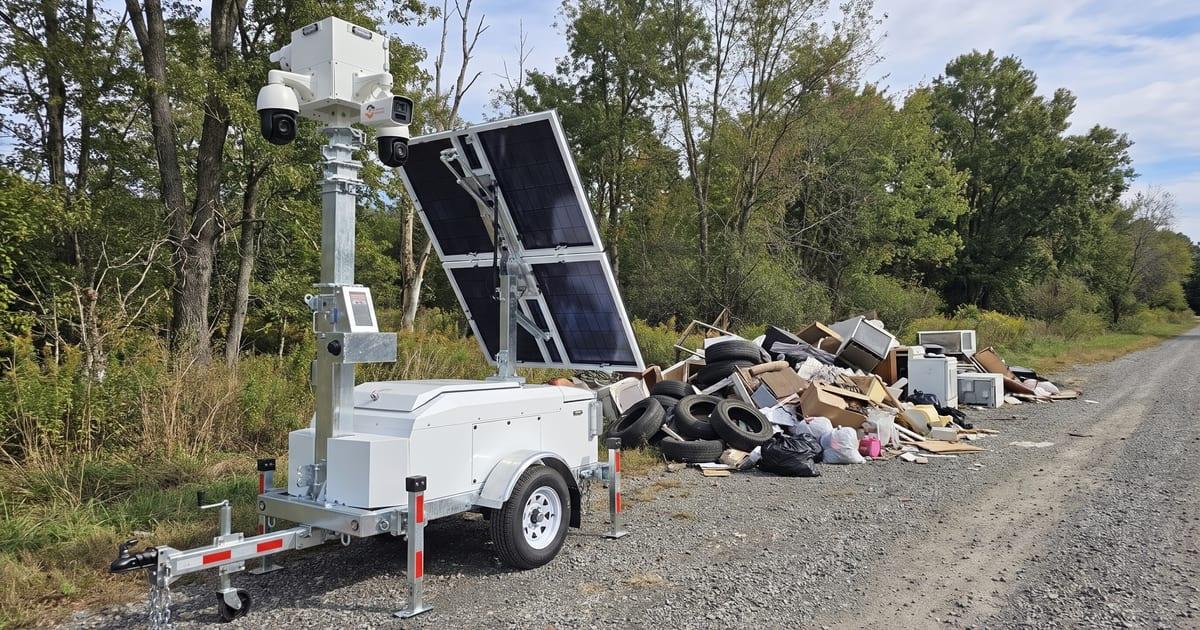
Landfill and Transfer Station Security: Dumping, Scavenging, Fires and Equipment Theft
Landfills and transfer stations are large, open and quiet after closing. This guide covers the common problems and how to cover a site without relying on constant patrols.
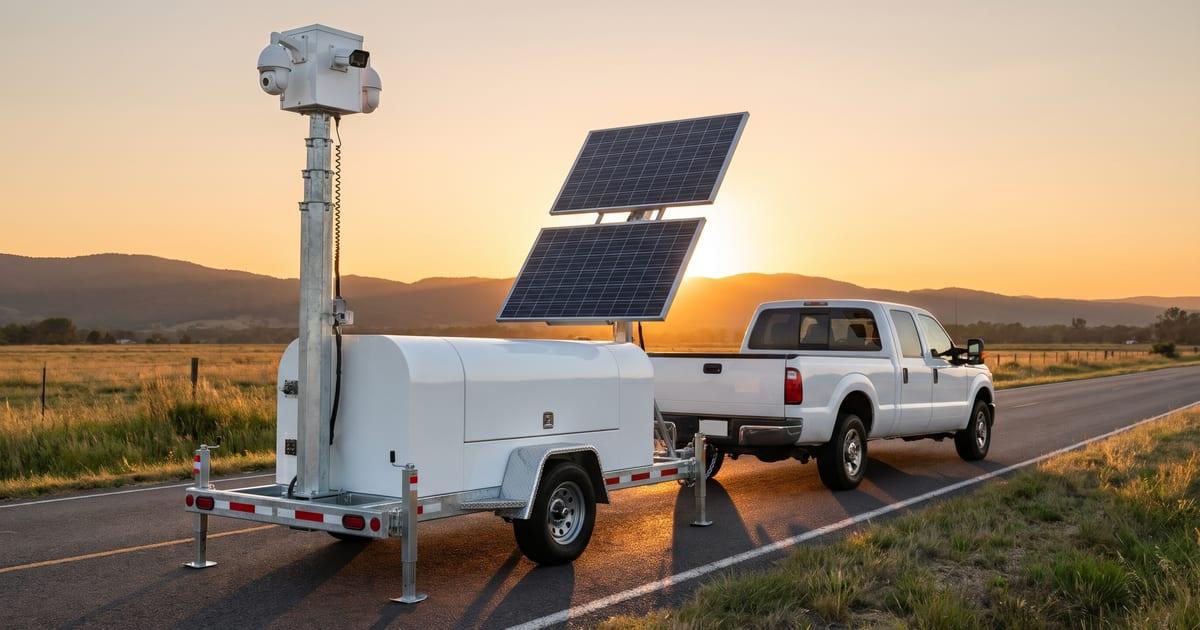
Lease vs Buy Surveillance Trailers
The right answer depends less on the sticker and more on how long you need coverage, who maintains the equipment and how fast the technology changes. This guide walks through the questions that settle it.
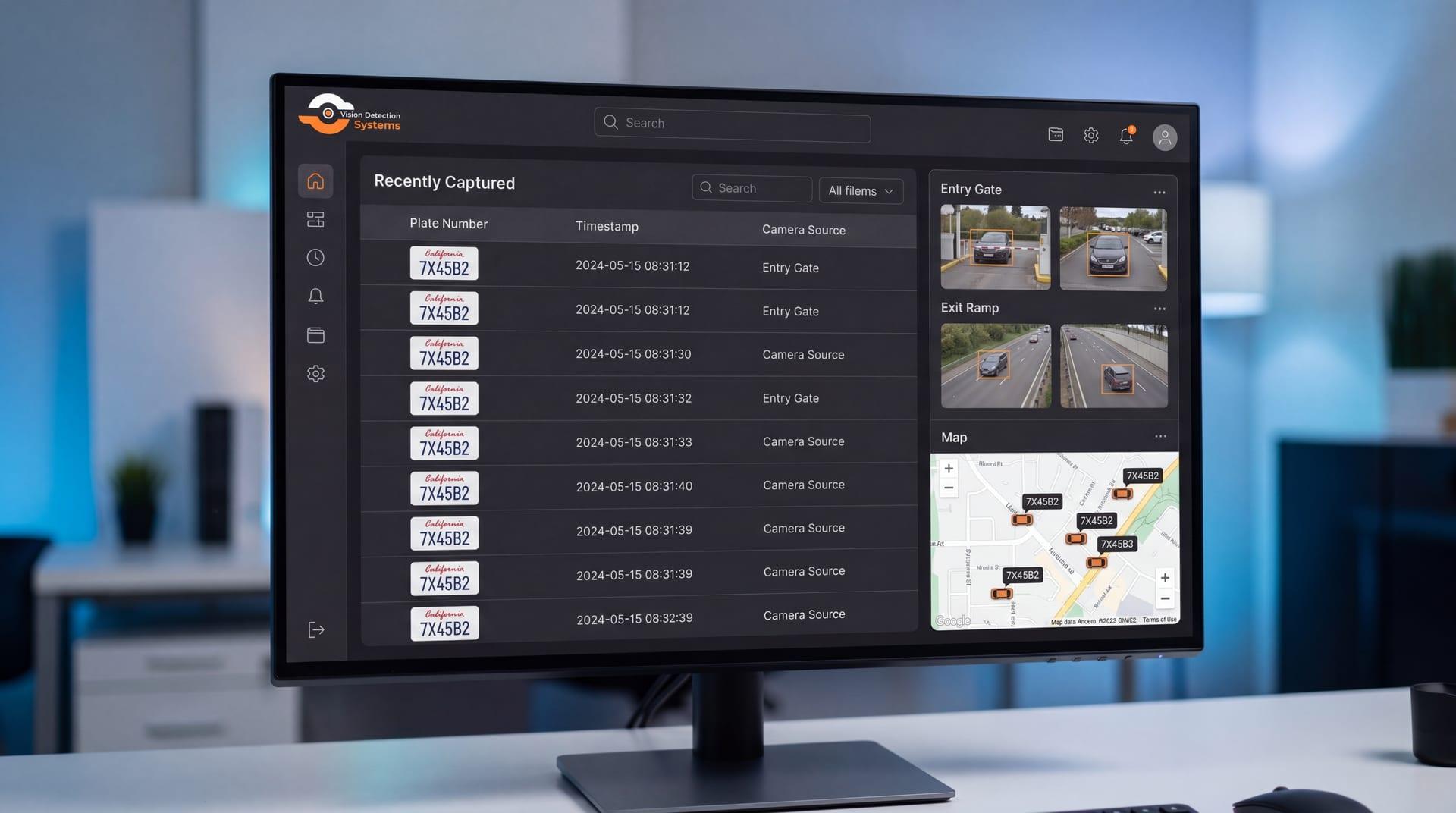
License Plate Reading at Industrial Gates: Setup and Workflow
Industrial gates see trucks, contractors and visitors around the clock. This guide covers how to capture plates reliably, what to do with the data and where gate readers go wrong.
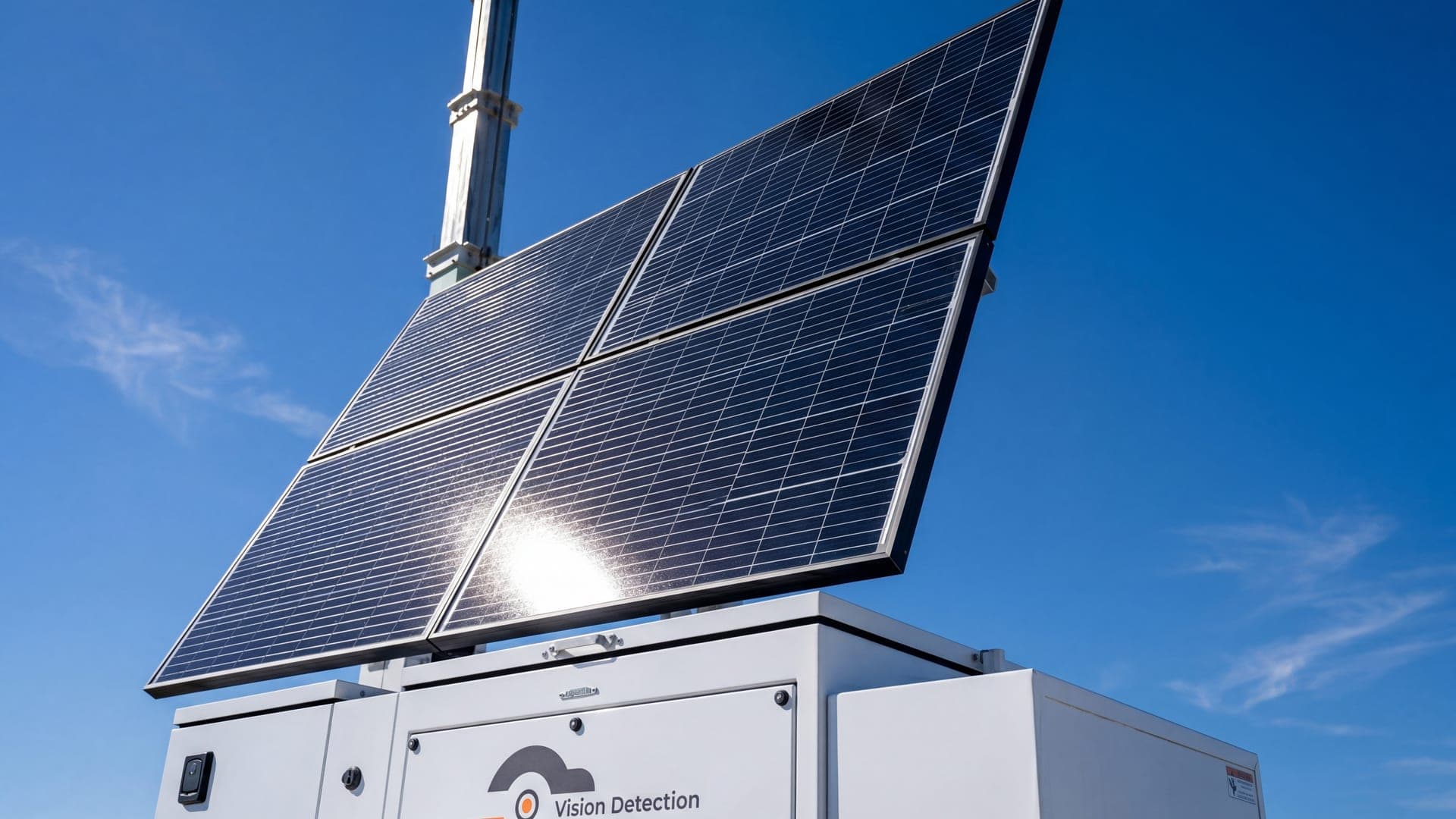
LiFePO4 vs Lead Acid Batteries for Surveillance
Battery chemistry decides how long an off-grid camera system lasts and how well it handles winter. This guide compares lithium iron phosphate and lead acid in plain terms.
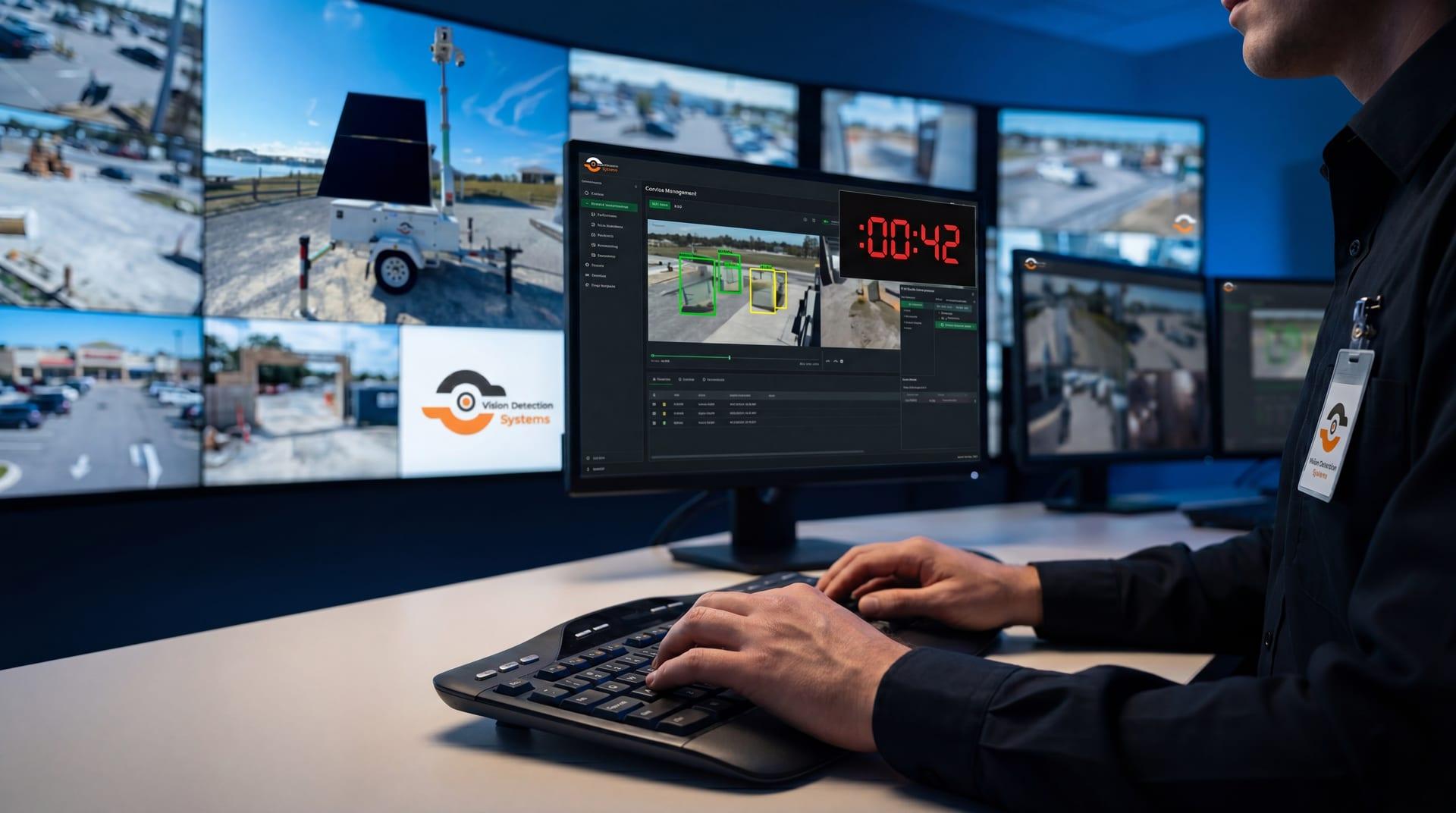
Talk-Down Speakers and Audio Deterrence for Security Cameras
A speaker on a camera lets someone address a person on your property in real time. This guide covers live voice versus recorded messages, where each fits, and what to check before you use audio.
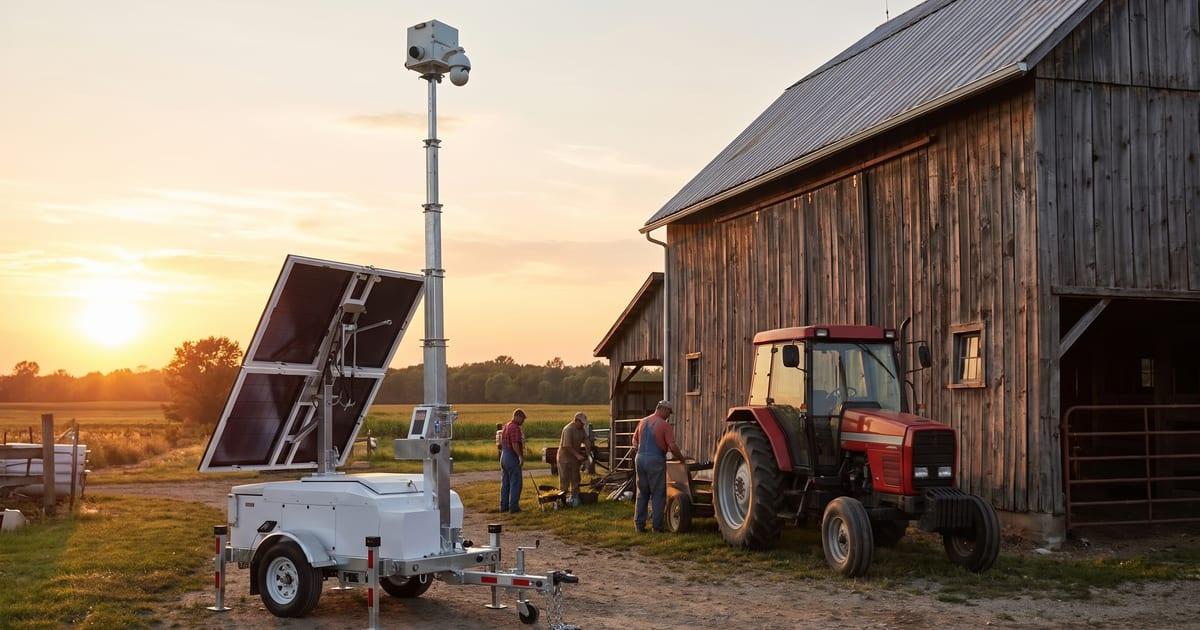
Livestock and Cattle Theft Prevention for Remote Ranches
Cattle and livestock theft often happens at gates, loading areas and far pastures where nobody is watching. This guide covers practical layers that work without power or internet.
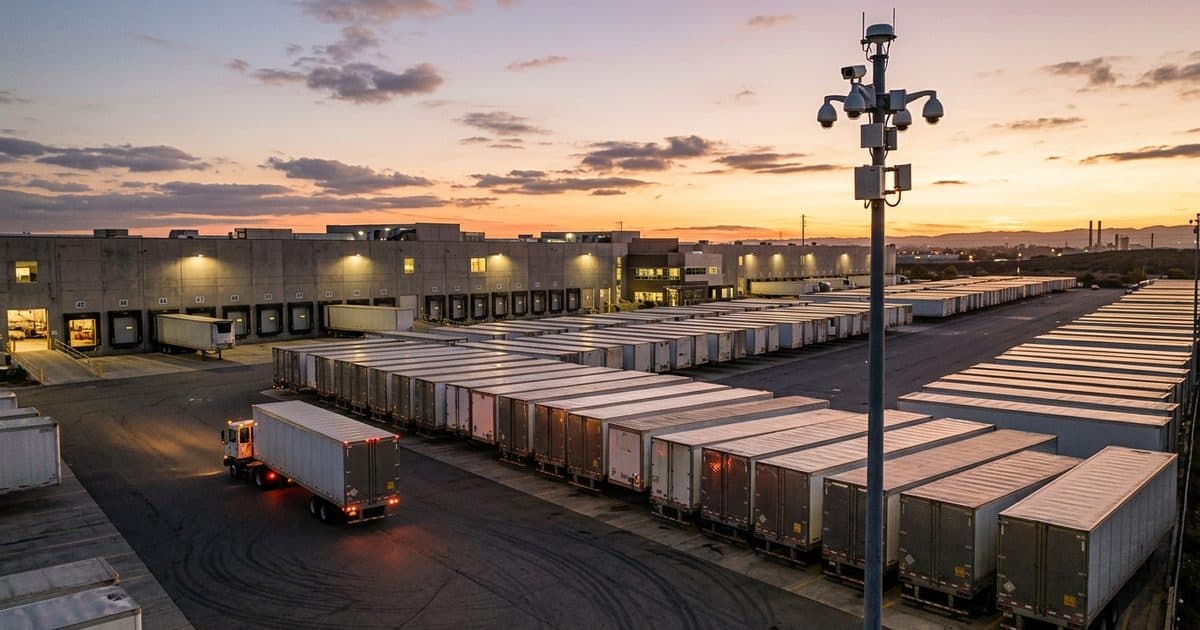
Logistics Hub and Distribution Center Security: Gate, Yard and Dock
Distribution centers move high-value freight through gates, yards and dock doors at all hours. This guide covers where losses happen and how to layer cameras, access control and monitoring across the site.
Logistics Yard Cargo Theft Prevention Checklist: 10 Checks Before the Holiday Shutdown
Cargo thefts are fewer and far more expensive than a year ago, and the fourth quarter is historically the riskiest stretch. This checklist walks a yard manager through ten checks to finish before the holiday closures.
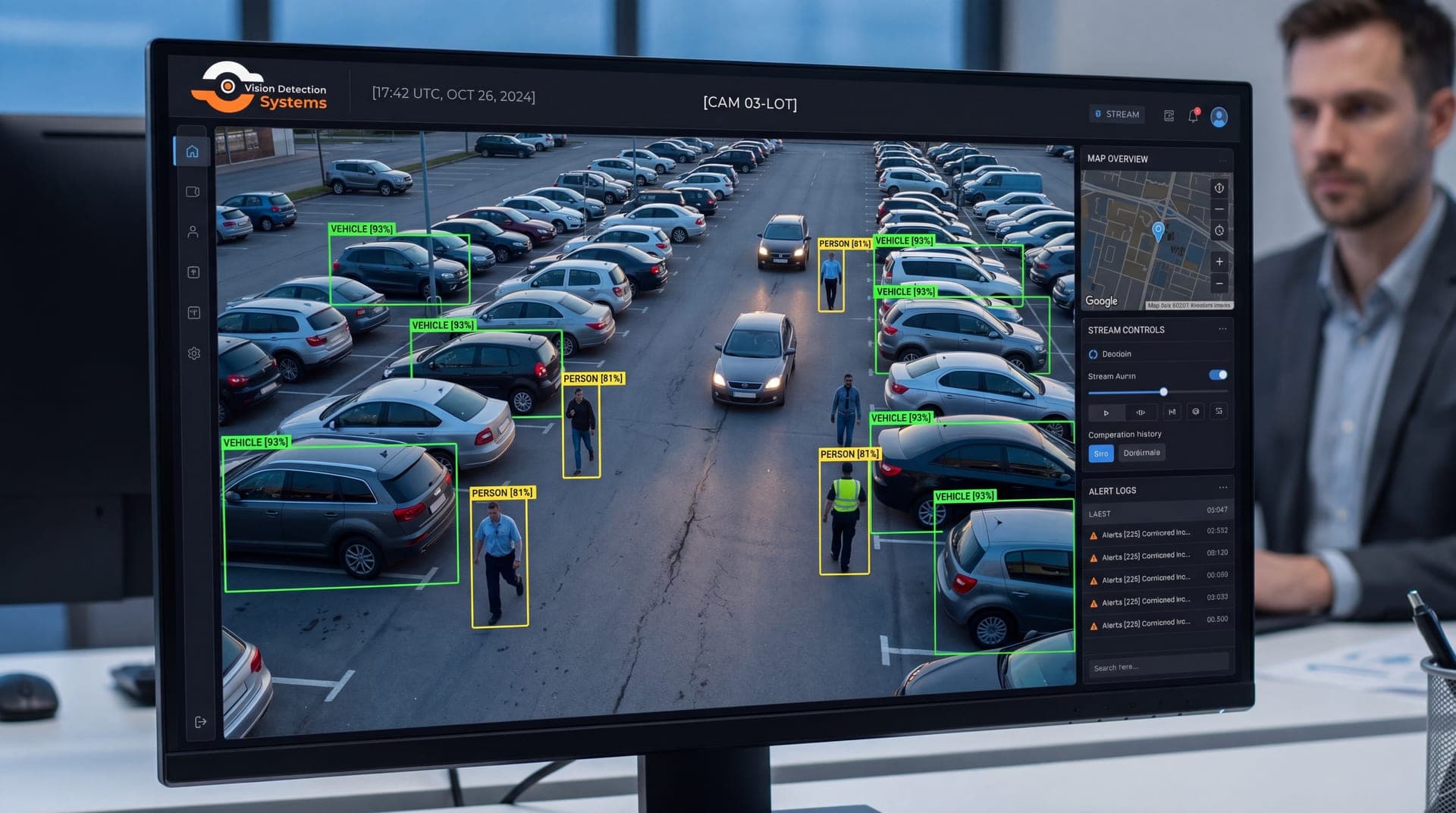
Loitering Detection Cameras: How They Work and Where They Help
Loitering detection turns a camera into a tripwire for behavior, not just motion. This guide explains how it works, where it pays off and how to tune it so alerts stay useful.
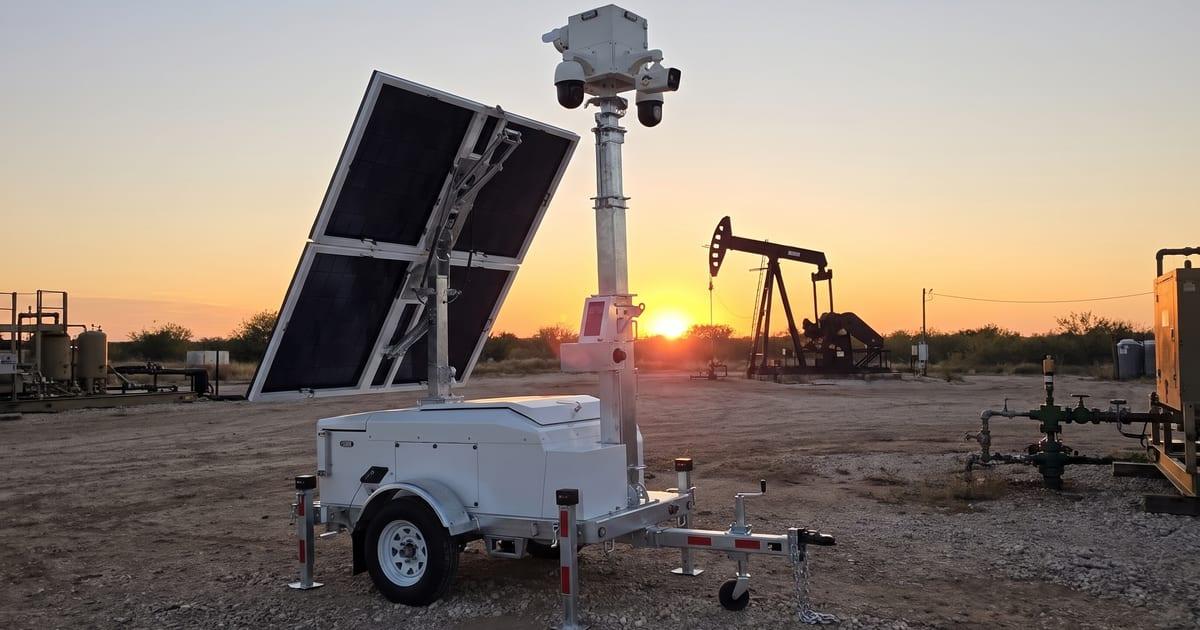
Lone Worker Safety at Remote Sites
Remote sites put people far from help, often with no cell coverage at the work area and no one nearby who would notice a problem. Cameras and live audio can add a second set of eyes, but they work best on top of a written check-in plan.
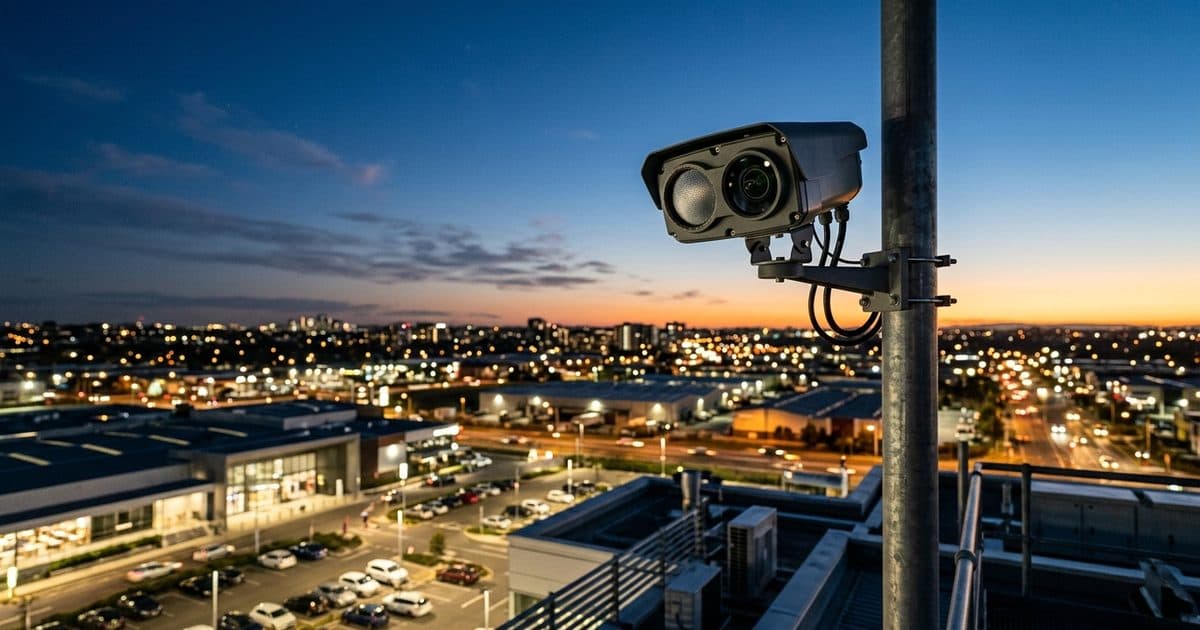
Low-Light Security Cameras Explained
Good night footage comes from three things working together, a sensitive sensor, infrared illumination and real lighting. Each has limits that the others cover.