
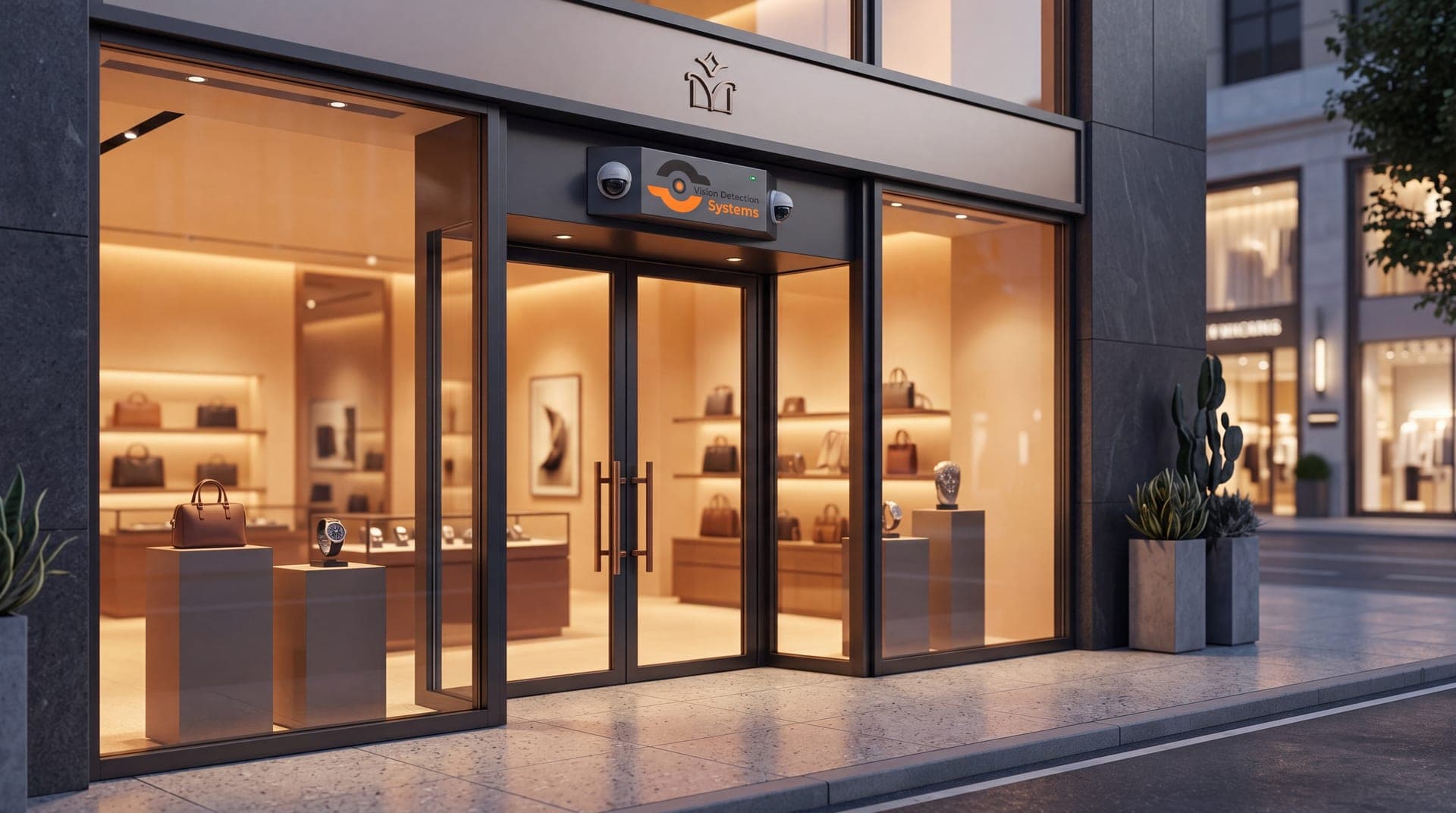
What makes a pop-up different from a store
A permanent store has years of accumulated security. Wiring is in place, a recorder sits in a back office, locks have been upgraded, staff know the routine and the landlord understands the building. A pop-up has none of that.
Instead, you have a short lease or host agreement, a space you did not design, staff who may be new, and a fixed window to make sales. The inventory is real, though. Limited-run products, seasonal goods and trending items are often exactly what thieves want. And because pop-ups are advertised, people know where they are and when they open.
The risks fall into four groups: shoplifting during hours, theft of cash, burglary or break-in after hours and loss of unattended stock or fixtures.
Read the host agreement first
Before buying a single camera, read what you have signed. A host agreement or short-term lease usually settles several questions that shape your plan.
- Who provides security, and during what hours?
- Who is responsible for losses, and are there limits?
- May you install cameras, locks or alarms, and who approves them?
- What are the rules on recording customers, and what signage is required?
- What insurance does the host require, and what does it expect of you?
Recording rules and notice requirements vary by state, and some places restrict audio recording. Confirm with counsel if you are unsure. Our guide to temporary security cameras covers how short-term setups are typically approached.
Protecting inventory
Inventory control is the foundation. Good habits at a pop-up are simple and cheap.
- Count stock at open and close every day, and record the difference.
- Keep only what you need on the floor, with the rest in a locked space.
- Place small, high-value items behind the counter or in a locked case.
- Position the register and counter where staff can see the entrance.
- Use a clear receiving process, and sign for deliveries.
- Never leave a stockroom door propped.
Daily counts matter more than they seem. They show a loss within a day, while the memory is fresh and footage is easy to review, rather than at the end of the run when a week of stock has quietly disappeared.
Staffing deserves its own thought. Short-run shops often rely on temporary staff, so keep cash handling rules short and clear, limit who has keys and avoid leaving one person alone with the till and the stockroom.
Handling cash and the day's takings
Cash is the most portable asset in a pop-up. Keep the float low, drop larger bills into a safe or secure box through the day and never count money in view of customers. Plan the end-of-day deposit so the person carrying cash is not alone and not following a predictable route.
If cash handling is a concern, push customers toward card payments and keep signage about limited cash on hand visible. Take security of the payment terminals seriously, since devices can be stolen or tampered with.
Camera options by location type
The right camera setup depends mostly on where the pop-up sits.
| Location | Main challenge | Camera approach |
|---|---|---|
| Inside a mall or shop unit | Host rules, shared systems | Ask the host about existing cameras, then add a battery or cellular unit if allowed |
| Standalone storefront | No alarm, unfamiliar building | Short-term cameras with cellular or battery power, plus lighting |
| Outdoor lot or plaza | No power or internet | Self-powered cellular units placed on the lot |
| Market or event stall | Open sides, crowds | Staff discipline and locked storage, with perimeter coverage if fenced |
| Holiday or seasonal lot | Long dark hours, valuable stock | Monitored outdoor coverage, see seasonal sales guidance |
Indoors, battery-powered and wireless cameras can work, but they depend on a signal and on battery changes. Consumer-grade equipment records but may not alert anyone in time to act. Check what happens when an event occurs: who is notified, how quickly, and what they can do.
Outdoors, the picture changes. A lot or plaza pop-up has no outlet, no network and no walls, which rules out standard wired cameras. Self-contained units that run on solar power and cellular fill that gap. See security cameras without Wi-Fi or power for how those setups work.
Lighting, signage and layout
Cheap measures often beat clever ones.
- Lighting. A lit entrance and lit sides discourage after-hours attempts. Dark corners attract them.
- Signage. A visible notice that the site is monitored and recorded supports deterrence and may be required by local rules.
- Layout. Keep lines of sight clear, arrange displays so staff can see all aisles and avoid blocking windows with posters.
- Locks. Use a lock appropriate to the door, and replace any lock whose keys have gone out to unknown people.
Seasonal selling creates its own pressure, with long hours of darkness and high-value stock. Our pages on seasonal sales lots and holiday season retail security go deeper on these periods.
Make a plan for the overnight hours
The hours after close are where an unattended pop-up is most exposed. Decide before opening day who watches the site overnight. The options are host security, a patrol, a monitoring service or nobody. "Nobody" is a legitimate choice only if nothing of value stays on site.
If valuable stock or equipment stays on an outdoor site, monitoring matters more than recording. A camera that only records tells you what you lost. A monitored one lets a person verify an event and speak to the intruder before anything leaves. Define in advance who is called, in what order, and when police are contacted.
How VDS fits
VDS does not secure the interior of a shop unit. The fit is outdoors: pop-ups on lots, plazas and open sites, and the staging or storage areas around them. VDS builds solar-powered mobile surveillance trailers that need no site power, internet or trenching, with a 5MP PTZ camera with 25x optical zoom and three 8MP wide-angle cameras on a 22 ft telescopic mast and dual-SIM 4G/5G cellular.
AI detects people, vehicles, loitering, objects and license plates. A 24/7 US-based security operations center verifies events, uses live talk-down through the loudspeaker and sends video to police dispatch when needed, so people, yours or your security partner's, handle verified incidents. Rental, month-to-month and term subscriptions fit short runs, and most deployments go live within about a week. See the retail industry page, review the mobile surveillance unit or talk to our team at (410) 401-1986.