
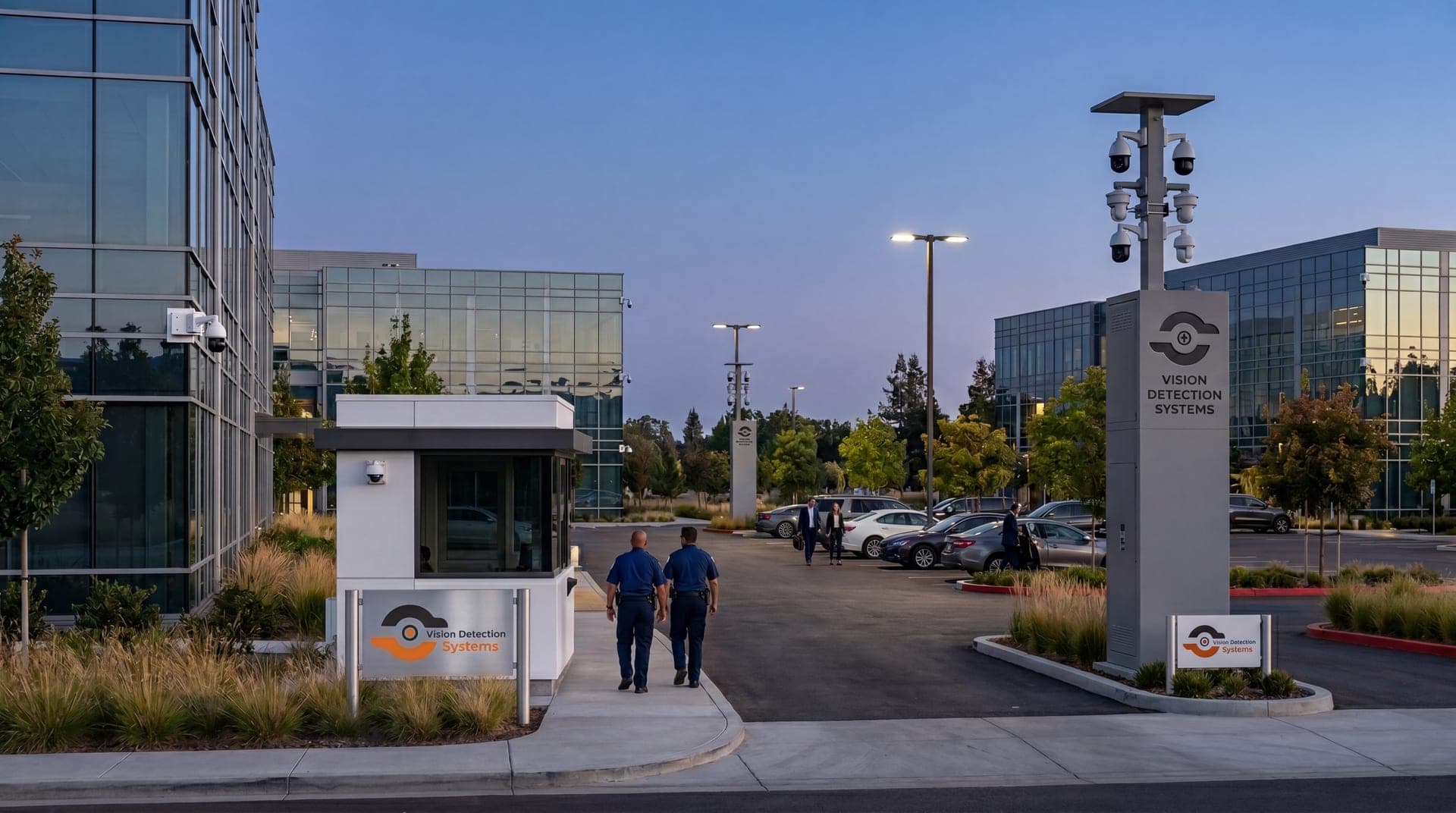
This guide explains what commercial surveillance actually does, the main system options (fixed, mobile, monitored), and how to choose the right approach for your site—without overbuying. If you need rapid coverage without permanent installs, start with a remote surveillance trailer. If you need a defined escalation workflow, add remote video monitoring.
What Is Commercial Surveillance?
Commercial surveillance refers to business-grade video security systems designed for environments like construction sites, parking lots, shopping centers, logistics yards, and public-sector locations. Unlike consumer camera setups, commercial surveillance typically includes:
Wide-area coverage planning (perimeters, entrances, drive lanes, loading zones)
Reliable recording and retention policies (evidence-ready footage)
Access controls (who can view/export video)
Optional monitoring workflows (alerts, escalation, reporting)
When designed correctly, commercial surveillance supports both security outcomes and operational visibility.
What Commercial Surveillance Does
Most commercial surveillance projects succeed when they’re designed to deliver these three outcomes:
1) Deterrence
Visible cameras and smart placement reduce opportunistic theft and vandalism—especially when coverage is obvious at entrances, high-value areas, and access points. Deterrence improves further when the system is paired with an operational response plan.
2) Evidence and accountability
Commercial surveillance provides clear documentation for investigations, insurance claims, and internal accountability. “Evidence-ready” footage means:
Correct camera angles (not too high, not too wide)
Usable night performance (lighting and exposure settings)
Reliable retention (footage exists when you need it)
Quick retrieval (you can export clips without friction)
If your footage isn’t usable, it doesn’t matter how many cameras you have.
3) Faster response
Response is where surveillance becomes security. If incidents happen after-hours or in low-visibility areas, adding monitoring can substantially reduce time-to-awareness and standardize escalation.
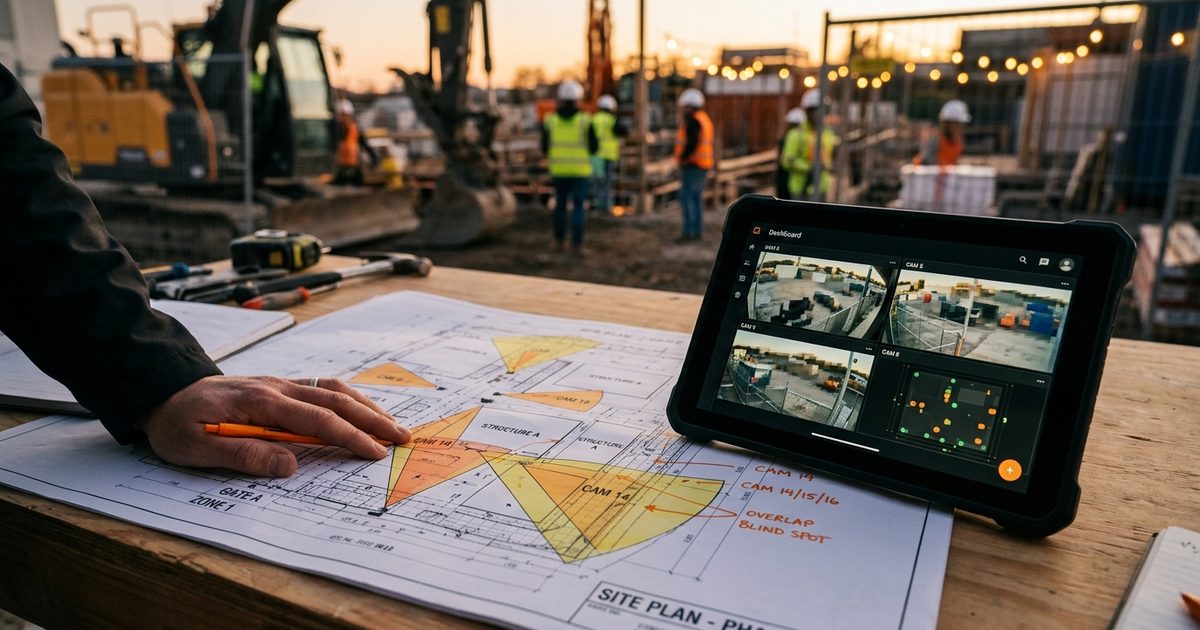
Commercial Surveillance System Options: Fixed Vs Mobile Vs Monitored
Most buyers fall into one of these approaches. The best choice depends on how fast you need coverage and how stable your site layout is.
Option A: Fixed (Installed) Camera Systems
Installed systems are best when you have a permanent facility and stable infrastructure. They’re designed around:
Long-term coverage
Consistent camera angles
Indoor + outdoor needs
Predictable perimeter and traffic patterns
If you’re protecting a stable facility, installed cameras can be the most durable long-term solution.
Option B: Mobile Surveillance Trailers
Mobile deployments are ideal when you need coverage quickly or your site changes frequently. Trailers often make sense for:
Construction sites that evolve by phase
Large parking lots where risk shifts by zone or season
Temporary high-risk periods after a theft or vandalism event
Locations where permanent installation is delayed or impractical
If speed matters, start with a remote surveillance trailer that can be deployed without waiting on permanent infrastructure.
Option C: Remote Video Monitoring
If your goal is not just recording but improving outcomes, monitoring is often the biggest lever. Remote video monitoring can add:
Alert triggers and verification
Escalation workflows (who gets notified and when)
Reporting for accountability and follow-up
Monitoring is most valuable when incidents happen after-hours, you manage multiple sites, or you need consistent operational oversight.
Commercial Surveillance By Use Case
Here’s how commercial surveillance is typically applied across common environments.
Construction Sites
Construction risk spikes early (before fencing/access control is finalized) and after-hours. Mobile surveillance at construction sites often works well because it can move as the site changes.
Good fit when you need:
Rapid deployment
Flexible coverage during shifting phases
Deterrence for equipment and perimeter access points
Parking Lots And Shopping Centers
Parking lots are large, exposed areas where incidents often happen at night and in low-visibility corners. The right design focuses on:
Entrances and exit lanes
Pedestrian corridors
High-risk zones (loading areas, outparcel edges)
Evidence-ready night performance
Explore our Shopping Center Remote Monitoring services to learn more about securing your site.
Logistics Yards And Warehouses
Yards combine perimeter risk with high-value inventory. Surveillance is most effective when paired with consistent incident review and response workflows.
What Affects Commercial Surveillance Cost?
Commercial surveillance cost is driven less by “the camera” and more by how you plan to operate the system:
Coverage scope: Site size, entrances, perimeters, lighting challenges
Camera configuration: Wide-area coverage vs detail capture (identification)
Recording and retention: Retention duration, storage health, retrieval workflows
Monitoring requirements: Hours covered, escalation expectations, reporting
Multi-site needs: User roles, standardization, centralized oversight
Procurement strategy also matters. Many organizations compare purchase vs lease vs rental depending on timeline, budget structure, and whether the risk is temporary or long-term.
Common Mistakes Businesses Make
If your current surveillance “isn’t working,” it’s usually one of these:
Coverage is too generic (no focus on entrances/perimeters/high-value zones)
Night footage isn’t usable (lighting and exposure not designed)
Retention fails silently (storage fills or overwrites incorrectly)
No response workflow exists (footage is reviewed too late)
Cameras are placed too high (faces/plates become unusable)
A system doesn’t fail because it’s missing cameras. It fails because it wasn’t designed around real outcomes.
How To Choose The Right Commercial Surveillance Approach
Use this simple decision logic:
How fast do you need coverage?
If you need coverage quickly, start with a trailer deployment.
Is the site stable or changing?
Changing site = mobile advantage. Stable site = fixed installs can win.
Do you need response or just recording?
If you need response, monitoring is often the differentiator.
What is the primary risk zone?
Entrances, drive lanes, perimeter access points, loading docks, high-value storage.
If you want the fastest path to action, start with a coverage plan and the right deployment model.
Commercial Surveillance FAQs
1) What is commercial surveillance?
Commercial surveillance is business-grade video security that combines camera coverage, recording/retention, access controls, and optional monitoring workflows to deter incidents, capture usable evidence, and support faster response.
2) What’s the difference between CCTV and commercial surveillance?
CCTV often refers to camera recording. Commercial surveillance typically includes system design, retention, access controls, and optional monitoring workflows for response and reporting.
3) Do I need remote video monitoring?
If incidents happen after-hours, you manage multiple sites, or you need a defined escalation process, remote video monitoring can materially improve outcomes by reducing time-to-awareness and standardizing response.
4) When should I use mobile surveillance trailers instead of installed cameras?
Trailers are best when you need rapid deployment, the site layout changes frequently (construction phases), or permanent installation is delayed or impractical.
5) What affects commercial surveillance cost?
Cost depends on coverage scope, camera configuration, retention needs, monitoring requirements, and whether you choose purchase, lease, or rental.
Commercial Surveillance: Next Steps
If you’re evaluating commercial surveillance, the right next step is to match the system type to your timeline and site conditions.
If you need rapid coverage, start w