
Critical coverage zones for dealership security camera systems
Effective dealership security requires cameras positioned across six primary zones, each with specific coverage requirements and technology needs. Outdoor inventory areas demand the highest camera density, with positioning that captures both perimeter access and movement between vehicle rows.
Service bay entrances need dedicated coverage for parts theft prevention and employee safety documentation. Many dealerships lose thousands annually to service bay incidents that occur outside normal supervision hours.
Showroom floors require interior coverage that documents customer interactions and protects against liability claims during sales consultations. LPR cameras at all vehicle entry and exit points capture every plate that enters the lot, creating an audit trail for theft investigations and insurance claims.
License plate recognition: essential for vehicle lot surveillance
LPR technology transforms standard security cameras for car lots into active inventory protection systems that track every vehicle entering and leaving the property. Dealerships using LPR systems document plate numbers automatically, creating searchable databases for theft investigations.
The most valuable LPR applications for car dealerships include monitoring unauthorized vehicle removal during off-hours and creating documentation trails for insurance claims. When theft occurs, investigators can search plate records to identify suspicious vehicles that entered without corresponding sales or service appointments.
Modern license plate recognition cameras capture readable plates at distances up to 100 feet, even with headlight glare or nighttime conditions. This range allows single-camera coverage of entry lanes while maintaining the image quality required for law enforcement investigations.
Remote video monitoring vs. recording-only systems
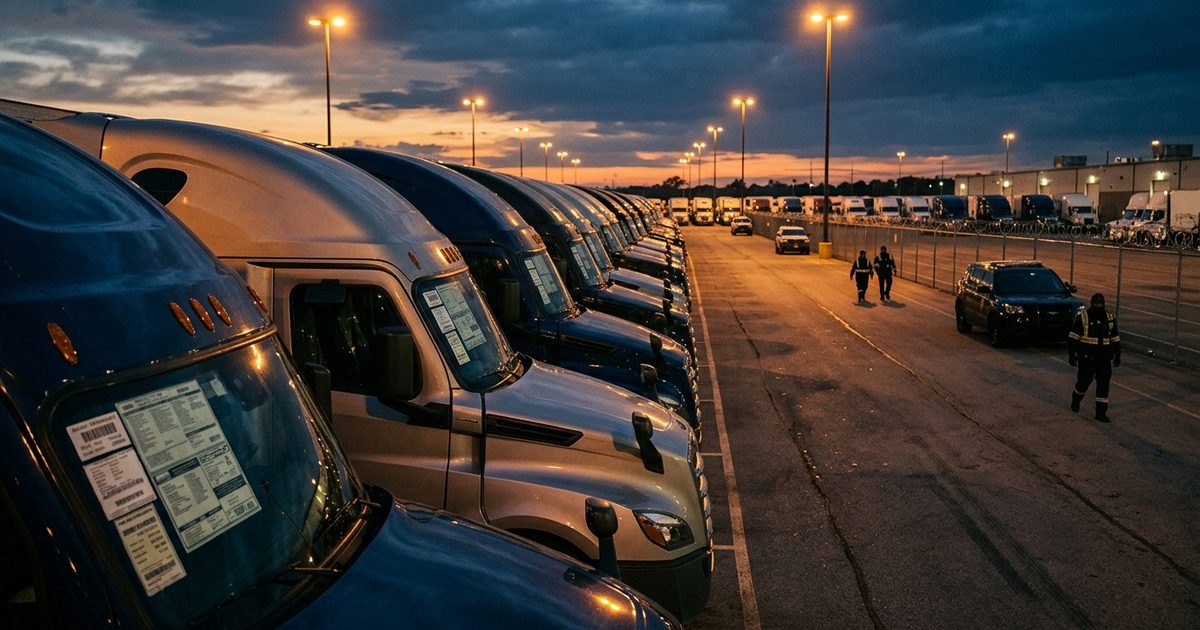
Most dealership theft occurs between 10 PM and 6 AM when lots are unoccupied and incidents go unnoticed until morning inventory checks. Recording-only camera systems document these incidents but provide no real-time intervention capability to prevent theft completion.
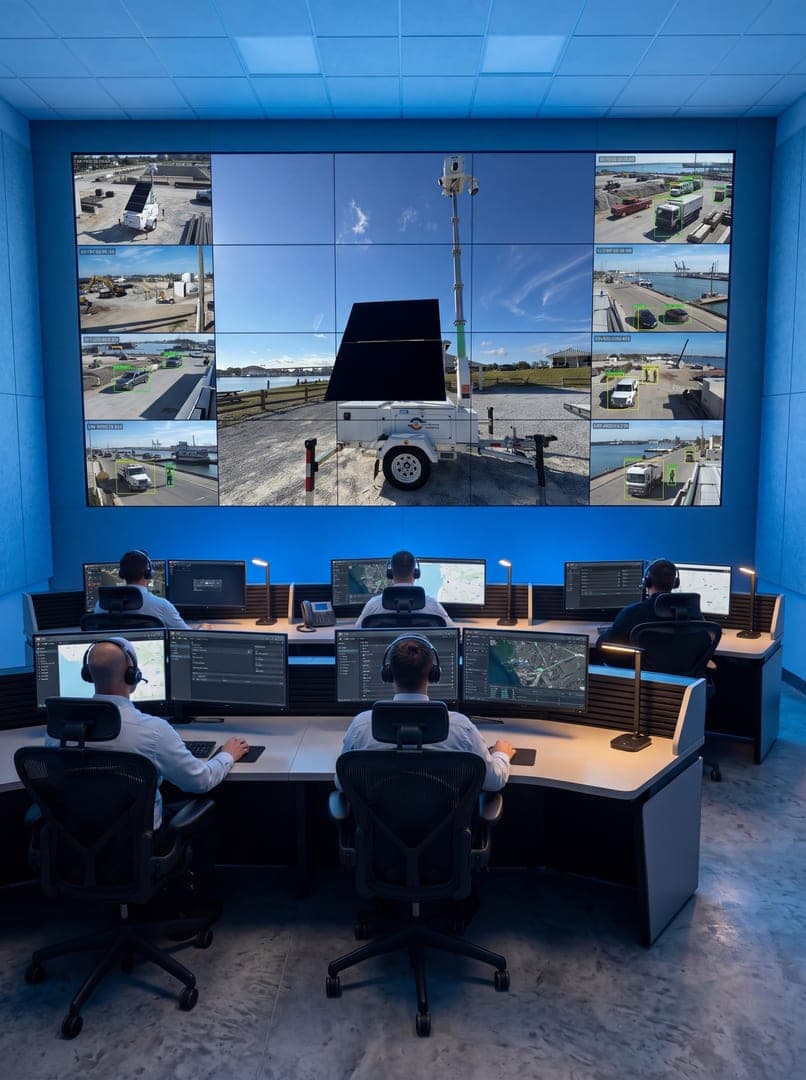
Remote video monitoring services verify alerts as they happen and initiate immediate law enforcement response while theft is in progress. This verified response approach results in arrests rather than insurance claims, deterring repeat incidents at the same location.
Monitoring operators trained in dealership security patterns recognize legitimate activity (cleaning crews, service technicians) versus suspicious behavior patterns that indicate theft attempts. This human verification eliminates false police dispatches while ensuring genuine threats receive immediate escalation.
Mobile surveillance for overflow lots and temporary locations
Dealership expansions, overflow inventory areas, and temporary sales locations often lack the electrical infrastructure required for traditional fixed camera installations. Mobile surveillance trailers deploy within hours without trenching, permits, or electrical work.
These self-contained units provide the same camera quality and remote monitoring capabilities as permanent installations while adapting to changing lot layouts. Trailers relocate easily as inventory patterns shift or seasonal sales events require different coverage priorities.
Solar-powered mobile units operate independently for weeks without external power, making them ideal for remote lot locations or properties where electrical installation costs exceed equipment budgets.
Cost comparison: security guards vs. complete camera coverage
Security guard coverage for a typical automotive dealership lot requires multiple guards to cover all zones effectively, with annual costs often exceeding $200,000 for around-the-clock protection. A single posted officer also faces line-of-sight limits — nobody can watch every row of a multi-acre lot at once.
A complete dealership security camera system with remote monitoring provides superior coverage at approximately 60% of guard costs while documenting all incidents with evidence-ready footage. Camera systems also carry the overnight watch without scheduling conflicts, and keep people out of risky late-night confrontations — verified incidents route to your team or your security partner with full context.
The cost-per-square-foot coverage advantage becomes more significant for larger dealership properties where guard-based security would require teams rather than individual officers. Multi-location dealership groups achieve additional savings through centralized monitoring contracts that cover all properties.
Common security mistakes dealerships make
- Showroom-only camera coverage — Most theft and vandalism occurs on outdoor lots where inventory sits exposed overnight, yet many dealerships only install cameras inside showrooms and offices.
- No license plate capture at entry points — Standard security cameras cannot capture readable plate numbers at vehicle speeds, missing the primary identification method for theft investigations and insurance claims.
- Recording without monitoring workflow — Cameras that only record incidents provide no theft prevention value since most dealership break-ins occur over several hours when immediate response could prevent completion.
- Inadequate video retention for insurance requirements — Insurance claims and law enforcement investigations often require footage from 30-90 days prior, but many dealership systems only retain 7-14 days before overwriting.
- Insufficient night vision coverage — Standard cameras lose effectiveness after sunset, when most dealership theft occurs, requiring infrared or thermal technology for usable nighttime footage.
Integration with dealership management systems
Modern automotive dealership security cameras integrate with existing DMS platforms to correlate security footage with sales and service appointments. This integration helps verify customer visit times, document test drive departures and returns, and investigate discrepancies in inventory counts.
Video management systems can trigger alerts when vehicles leave the lot outside normal business hours without corresponding service appointments or sales records. These automated alerts help identify potential theft before morning inventory reveals missing vehicles.