
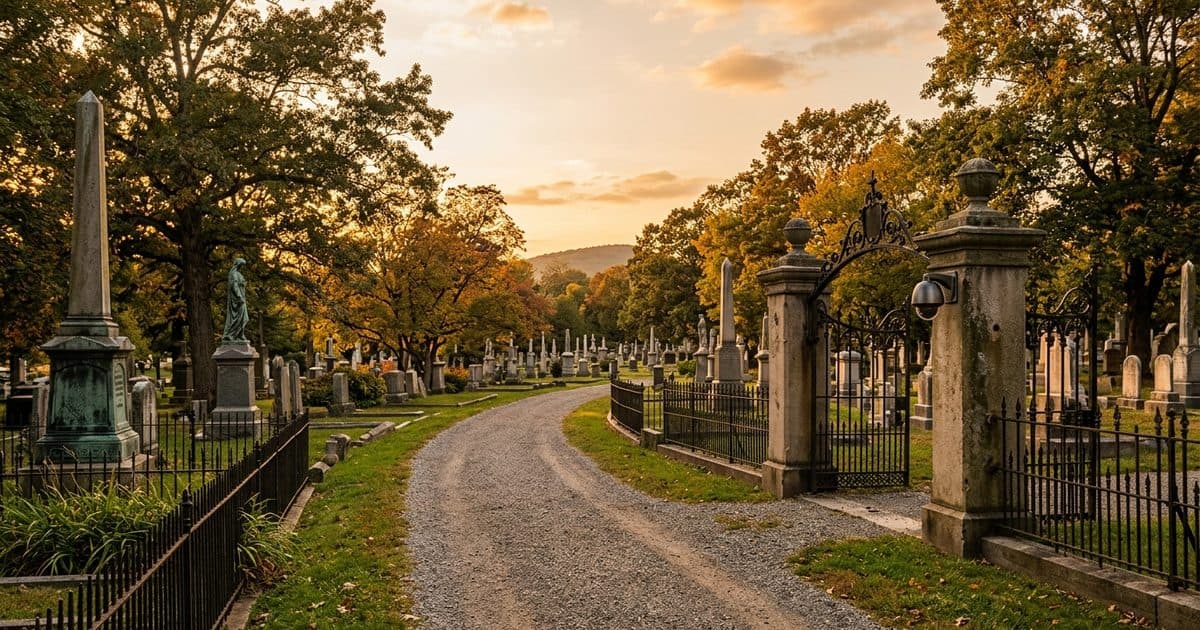
Watched over on Shabbat.Without anyone lifting a finger.
On Shabbat and Yom Tov, no one may touch a phone or a screen. VDS places a solar trailer on your property so a live operator watches the lot, the entrances, and the school wing, and calls police on a verified event without anyone on site acting.
A synagogue is a place where security has to work around observance. On Shabbat and Yom Tov, many congregants do not drive, use phones, or operate electronic systems, so a security plan that depends on someone checking an app or pressing a button does not fit. Add the High Holidays, when buildings fill beyond normal capacity, and the daily pattern of minyan, classes, and school drop-off, and a board or security committee has a lot to cover with volunteers who have other duties.
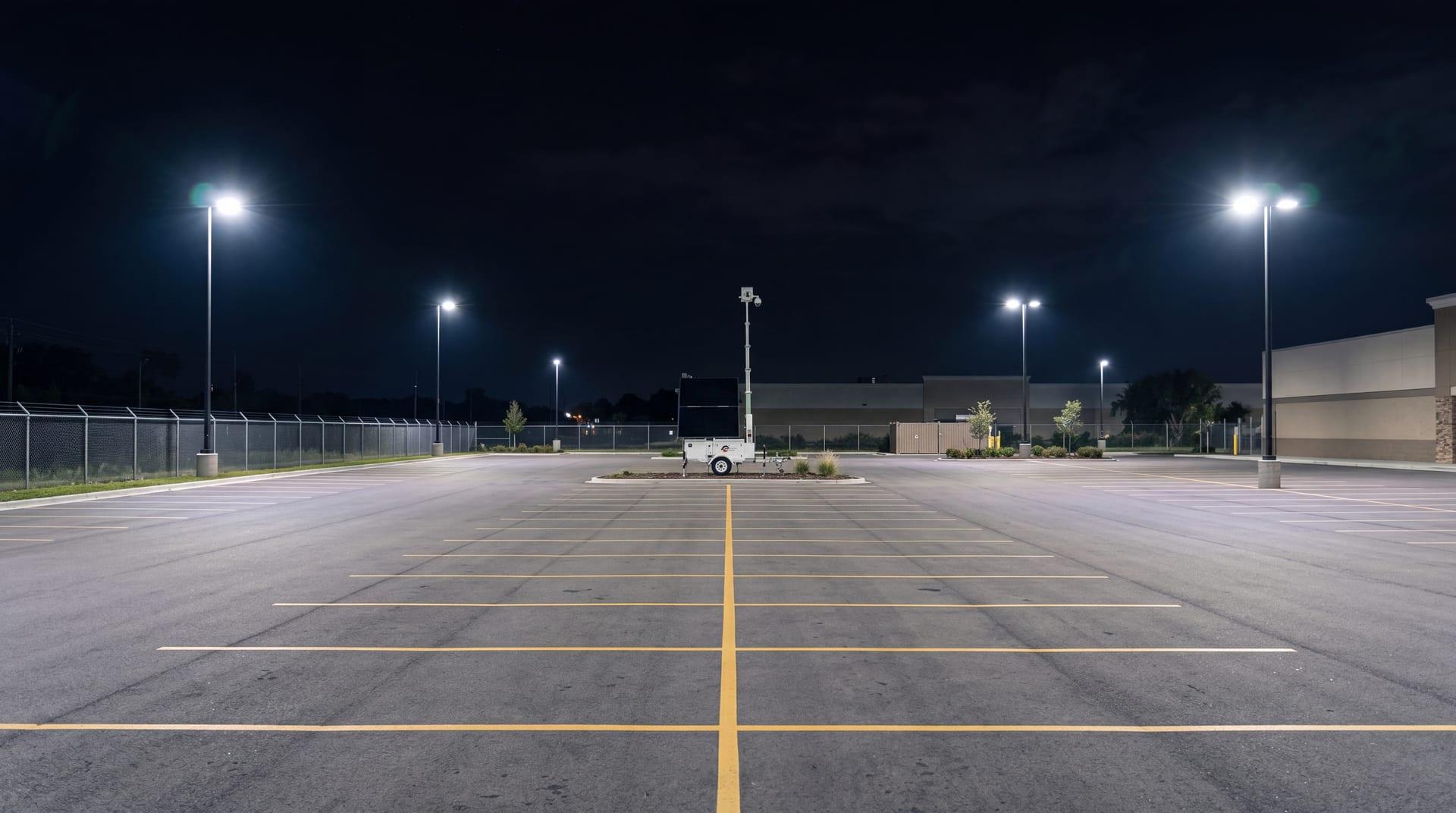
The risks vary across the week. Overnight and between services, the concern is vandalism, break-ins, and damage to signs and entrances. Hate-motivated vandalism is especially painful for a community, and what helps most is clear evidence: a verified record of what happened, when, and from which direction, so police have something concrete to act on. During gatherings, the concern shifts to the lot, the sidewalk, and the doors, where congregants arrive on foot and visitors approach unfamiliar. Mikvah and school wings often have their own entrances that deserve separate attention.
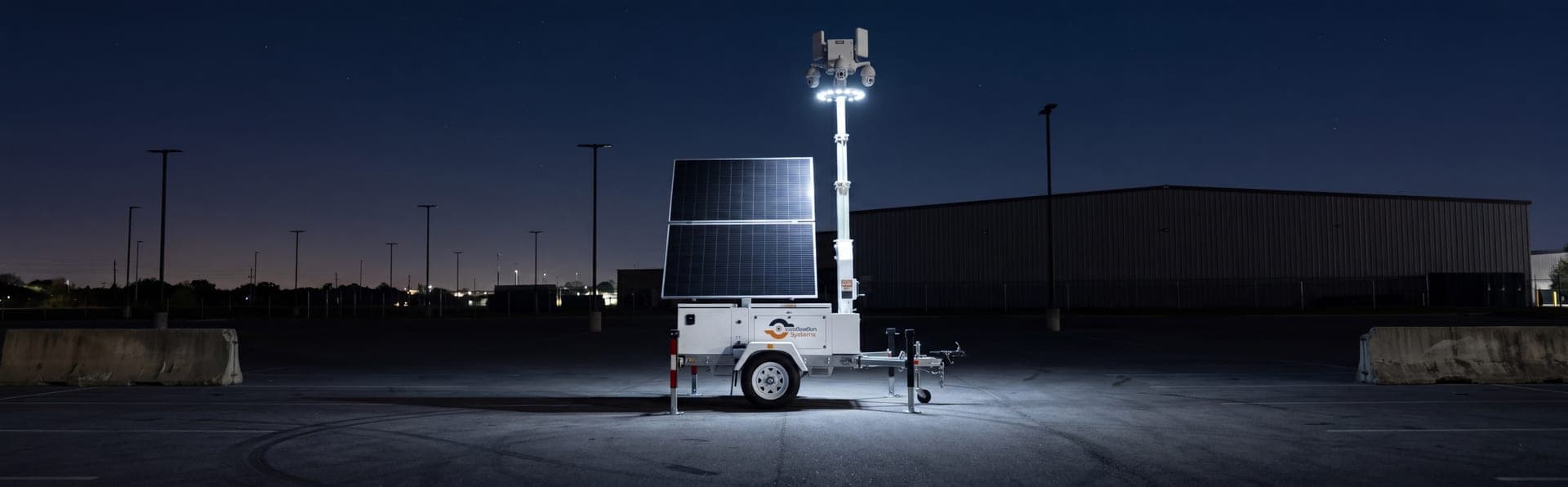
A VDS trailer is towed to the campus and placed where it sees the street frontage, the lot, and the main approaches, or at a side entrance that the building does not cover well. The mast goes up in under 20 minutes. Solar panels and batteries power the unit and a cellular link carries video to our security operations center, so nothing needs to be wired into the building or switched on or off by hand. Many communities coordinate placement with their security committee and any neighborhood patrol group.
When the AI detects a person or vehicle in an area that should be quiet, an operator checks the live view, can speak through the trailer speakers, and can send video to police when the event is verified. The operator does not unlock doors, enter the property, or decide who belongs, so share your schedule and known contacts in advance. For legal questions on recording and signage, confirm with counsel or the local authority, and work with your own security partner or volunteers on the response.
Exposed sites.
High-value targets with no one watching.
Synagogue campuses hold services, classes, a mikvah, and often a school. Risk follows the calendar, with the quietest hours and the largest crowds both needing attention.
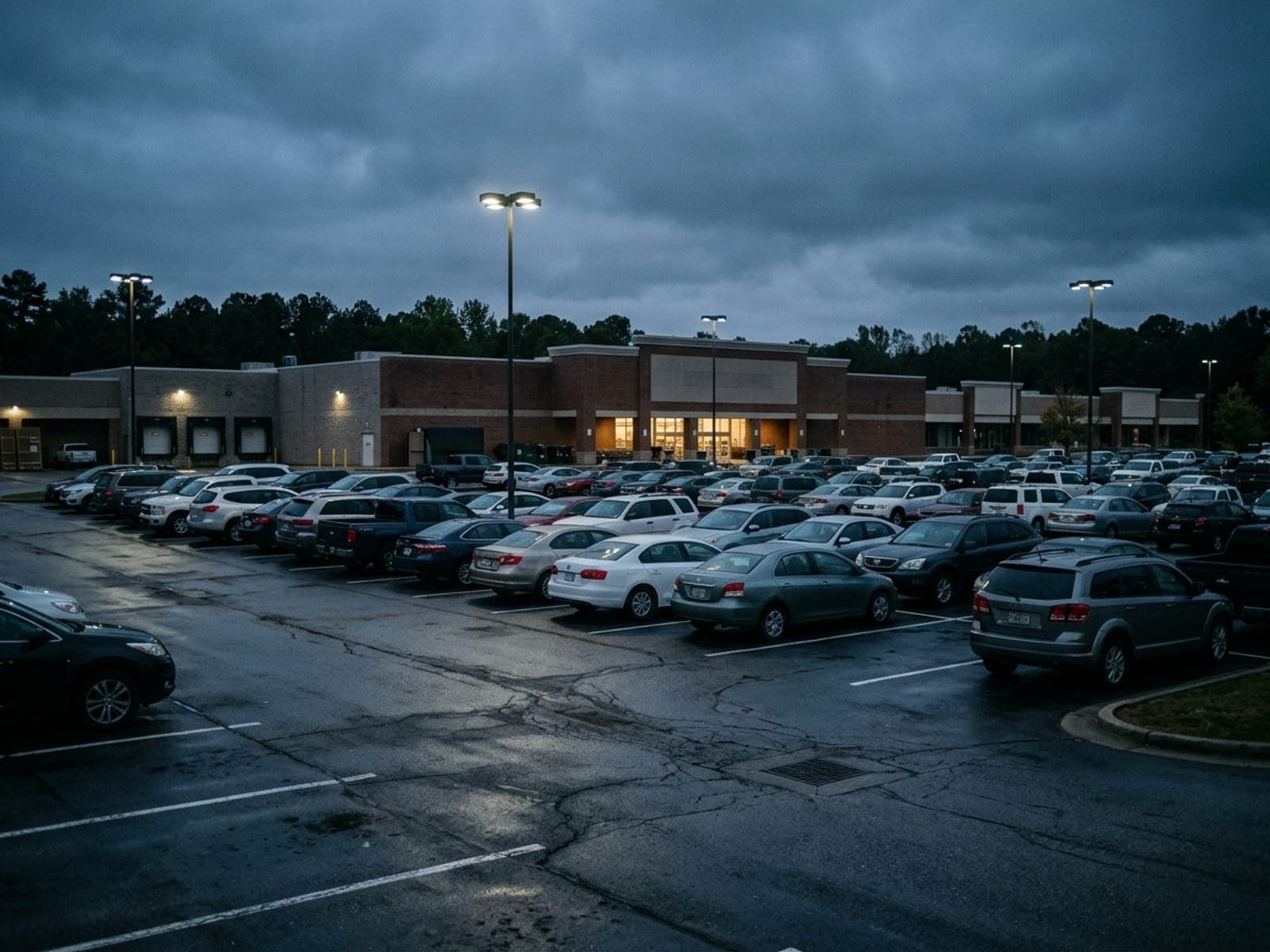
Hours when no one can act
During Shabbat and Yom Tov, the community cannot check a phone or press an alarm. Remote monitoring that verifies and calls police on its own fills that gap.
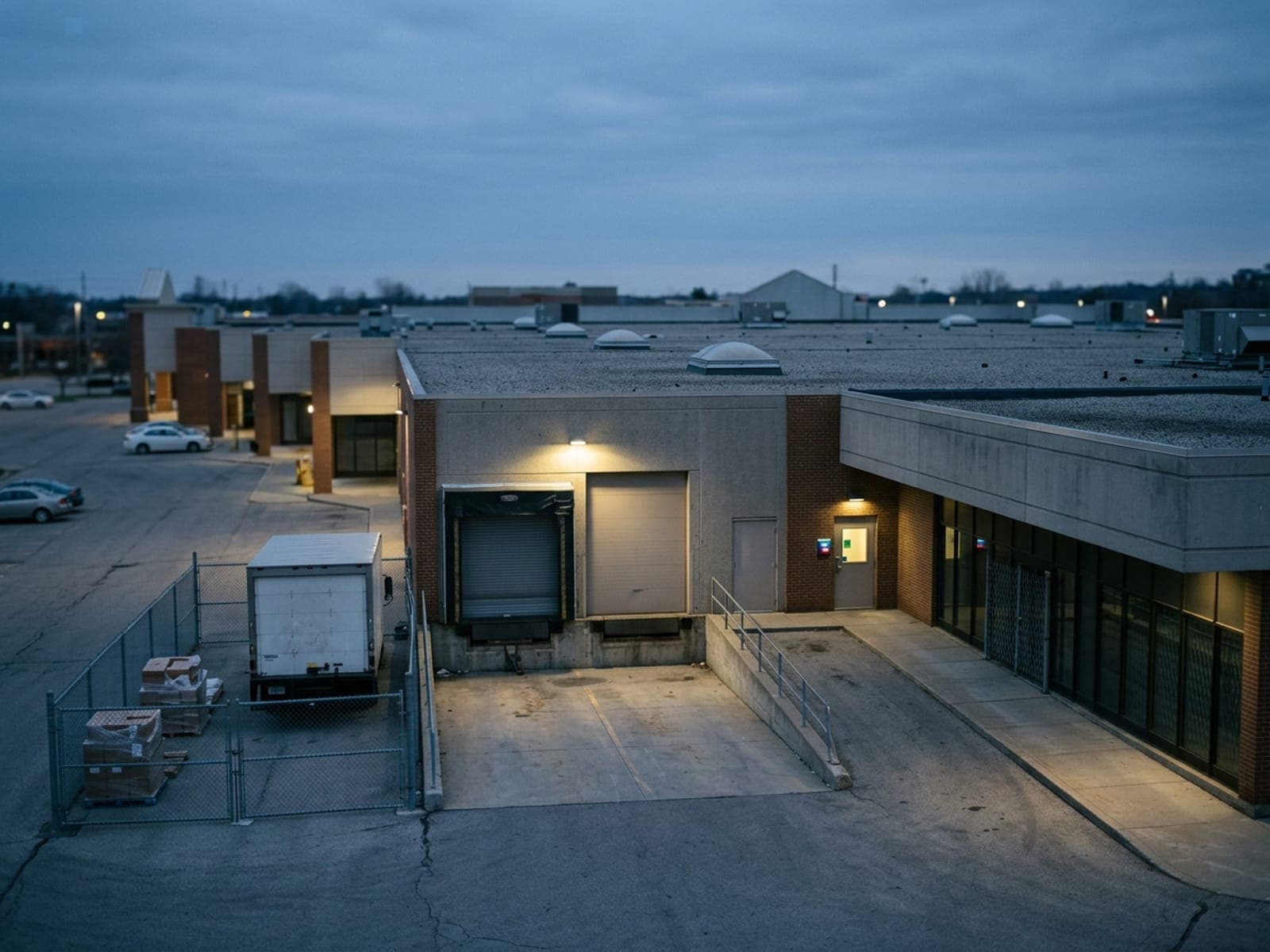
Hate-motivated vandalism
Graffiti, damaged signs, and broken windows hurt a community deeply. Clear, time-stamped video helps document what happened and gives police concrete evidence to work with.
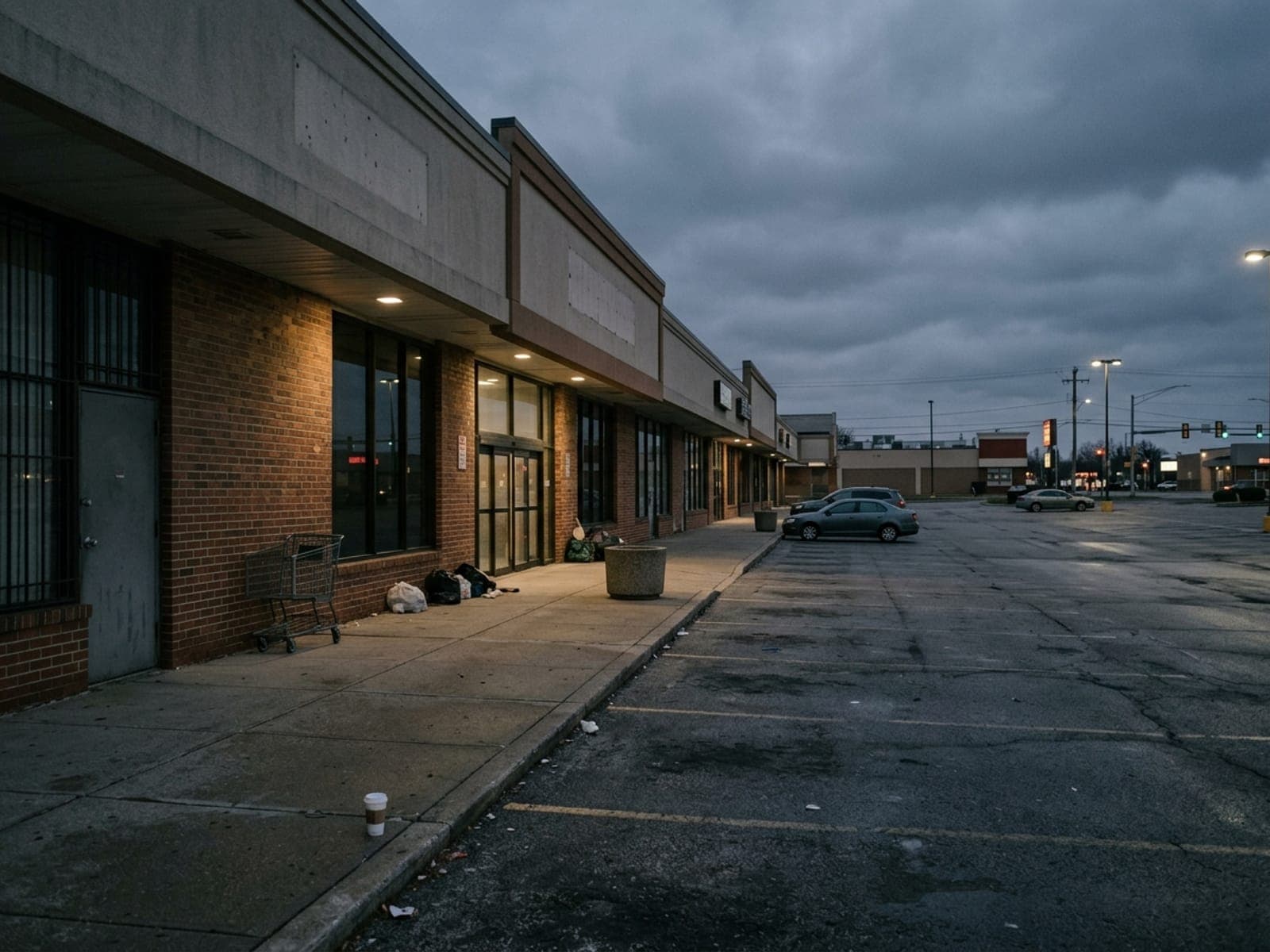
High Holiday and event crowds
Rosh Hashanah, Yom Kippur, weddings, and bar and bat mitzvah events fill the lot and sidewalks. Watching arrivals and the perimeter helps volunteers and security staff respond to verified concerns.
Mikvah, school, and side doors
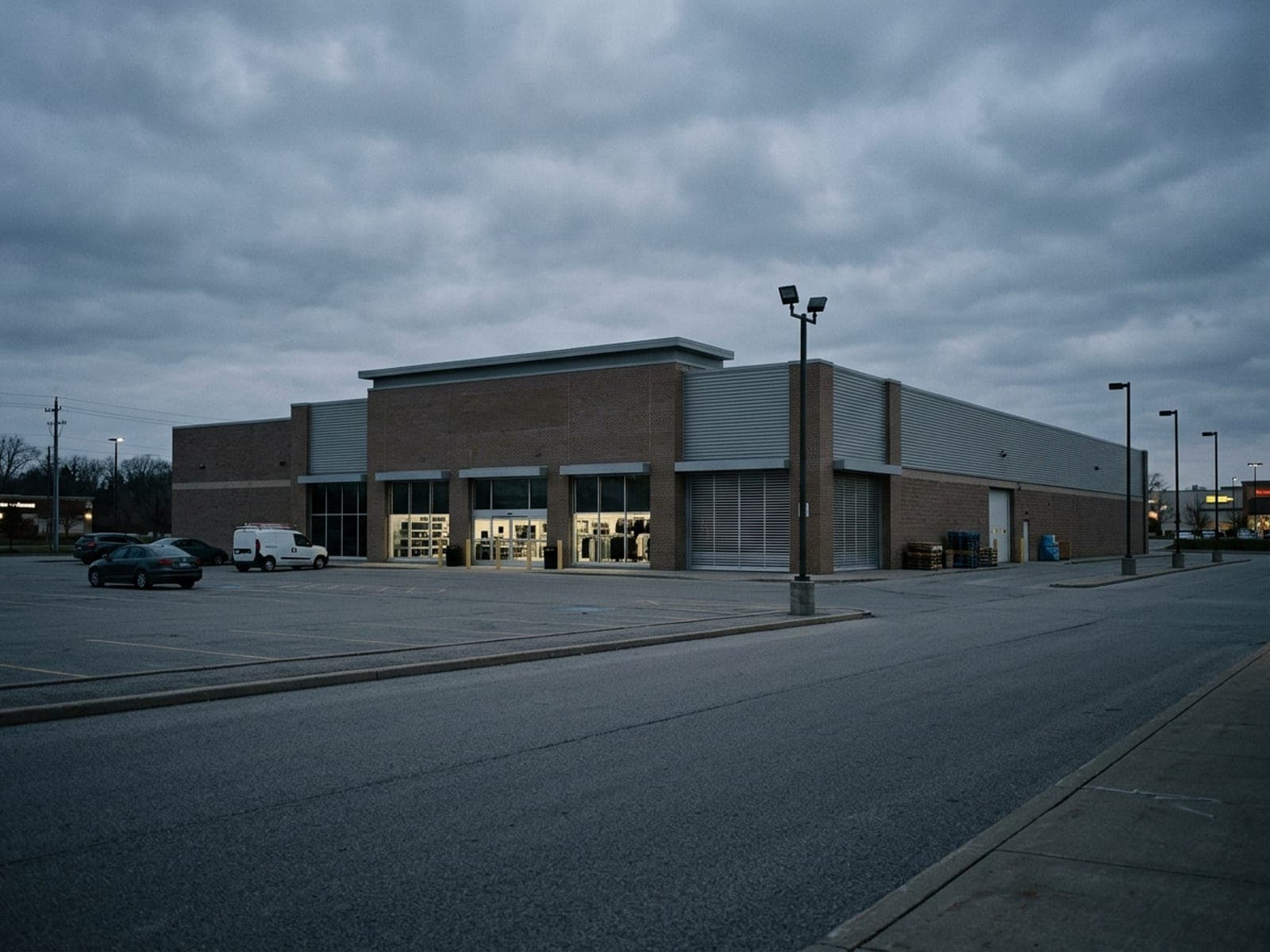
Wings with their own entrances, such as the mikvah, a school, or a social hall, are easy to overlook. A trailer can face the approaches that the building cameras miss.
Drop the trailer.
The SOC takes it from here.
The trailer is monitored by a live operator around the clock, so verification and calls to police happen remotely, which matters most when the community cannot act on a device.
Monitoring that needs no one
on site to act
Alerts go to our operators, not to a congregant's phone. They verify live video and contact police themselves, which means Shabbat and Yom Tov observance is respected while the property stays watched through the night and through the holiday.
- No device or app use by congregants
- Operator verifies live video
- Police contacted on verified events
- Schedule shared in advance with the committee
 STEP 01
Clear evidence for
police and insurers
Time-stamped video, plate logs, and operator notes create a factual record of vandalism or trespass. The aim is to verify, document, and help police respond, in neutral terms that support whatever the police or the insurer needs for the investigation.
- Time-stamped clips by event
- License plate recognition option
- Operator notes on each verified event
- Exports for police and insurers
 STEP 02
One position, several
entrances in view
Place the trailer where it sees the street, the lot, and a secondary door. Rent for the High Holidays or a season, or buy if the committee wants ongoing coverage. Placement is planned with your security lead.
- Solar and cellular, no wiring
- Mast up in under 20 minutes
- Rental or purchase
- Placement planned with your committee
 STEP 03
Every asset on site.
One platform.
Communities use the trailer to match the rhythm of their calendar.
Shabbat and Yom Tov coverage
Monitoring that needs no device use by the community, so verification and police contact happen remotely while services go on.
High Holiday parking and arrivals
Watch the lot, sidewalk, and approaches during the largest gatherings of the year, supporting volunteers and security staff.
Overnight building watch
Cover entrances, signs, and windows through the night, so damage is seen, recorded, and reported rather than found at morning minyan.
Day school wing and drop-off
Face the school entrance and carpool lane, giving the head of school and the board a record of arrivals and departures.
Mikvah and side entrance
Cover a secondary door or discreet approach that the main building cameras do not reach.
Neighborhood patrol partnership
Work alongside an eruv committee or community patrol group, who can focus on the street while the trailer watches the property.
 MSU-A · FLAGSHIPAI DETECTION · LIVE TALK-DOWN · 4G LTE
The Mobile Surveillance Unit.
Built for this site.
A solar-powered trailer with a mast that goes up in under 20 minutes, AI cameras, speakers, and a cellular link. It needs no building power or internet and is monitored remotely around the clock.
From assessment
to covered.
No power hookup, trenching or internet is needed on site, so deployment is quick once the plan is agreed.
Site review
Share the address, layout and what you need covered. A specialist returns a coverage plan and quote.
Configuration
Camera views, detection zones, arming schedules and alert routing are set for your property.
Delivery and activation
The trailer is positioned and the mast raised. Monitoring starts with no trenching or electrical work.
Account support
Incident reports and periodic reviews, with the trailer moved or adjusted as your needs change.
Common questions.
How does monitoring work when we cannot use phones on Shabbat?
Alerts go to our security operations center, not to your community. Operators verify the live video and contact police themselves. No one at the synagogue needs to touch a device. Share your observance schedule with us so the monitoring plan fits it.
Can the trailer help after hate-motivated vandalism?
It helps by recording what happened, when, and from which direction, so police have clear evidence. The operator verifies the event and sends video to dispatch. It cannot prevent every incident, but it can deter and document. We keep the language factual and neutral.
Can we rent for the High Holidays only?
Yes. Many communities rent for Rosh Hashanah and Yom Kippur or for a season, then return the trailer. Purchase is available if the board wants ongoing coverage. Contact us early so placement and the mast raise are planned before the first service.
Who decides where the trailer goes?
Usually the security committee, the board, or the executive director, together with us and any volunteer coordinator. We walk through sightlines, the lot, and entrances such as the mikvah or school wing, then recommend a spot. You approve before the trailer is delivered.
Are there legal rules on cameras and signage?
Rules differ by location, and by whether the camera sees public areas or neighbors. We recommend that you confirm with counsel or the local authority, and we can aim the cameras at your own property and entrances to keep the view appropriate and focused.
Get a deployment plan for your synagogues site
Three fields. A deployment specialist replies with a coverage plan and timeline. Prefer to talk? Call (410) 401-1986
Secure your property this week.
Share your calendar, your campus layout, and your security committee's priorities. We will propose a placement and monitoring plan that respects your observance.