
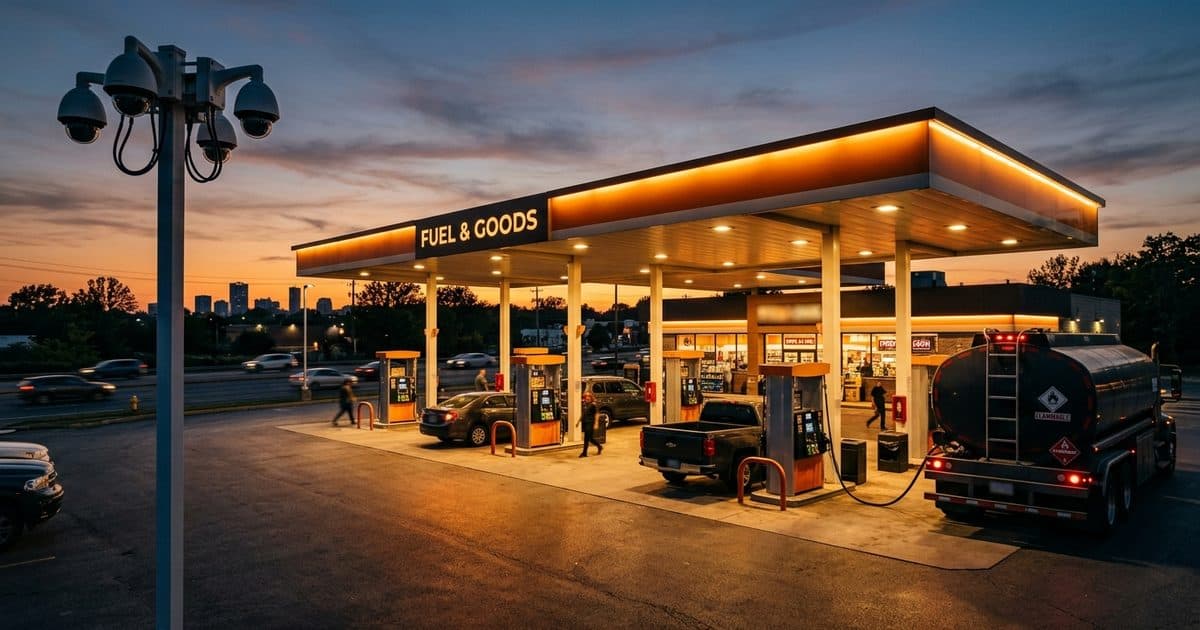
The kitchen closes at night.The lot doesn't.
Drive-thru lanes, dumpster corrals, and back doors sit outside the building and outside your cameras, often after the doors lock. VDS parks a monitored trailer where the risk actually is, so franchise owners get verified alerts and a live operator instead of a morning-after surprise.
A restaurant is open to the public by design, and that is exactly what makes the exterior hard to protect. Doors are unlocked for hours, cash and card terminals sit near the counter, and staff are focused on the line, the window, and the grill. The risk is rarely in the dining room. It sits in the drive-thru lane, the side lot where employees park after a late close, the grease and dumpster enclosure, and the back door that gets propped open during a rush. These are spots a camera on the building edge often cannot frame well, and nobody watches a recording until something has already gone missing.
Threats follow the operating day. During service, the concerns are lot loitering, vehicle break-ins while guests eat, and drive-thru disputes that spill into the lot. After close, they shift to attempted entry at the rear, copper and equipment theft from rooftop units, bin tampering, vandalism, and people sleeping in the vestibule or lane. Opening crews arrive in the dark, so a manager walking to a back door alone is a real worry. Franchise owners with several locations feel this most, because they cannot stand in every lot, and a pattern at one site is easy to miss.
A trailer is placed at a corner of the lot where one raised mast can see the drive-thru lane, the bin area, and the rear approach together. It arrives on its own power and its own cellular link, so there is no trenching, no electrician, and no waiting on the landlord. The mast goes up in under twenty minutes. AI watches for people and vehicles in the zones you care about, with an optional plate read on cars that enter the lane after hours. When it flags something, an operator in the security operations center checks the live view before anyone is bothered.
What the operator can do is specific. They can speak through the trailer's speakers to tell a person the site is monitored and recorded, send video to police when an event is verified, and log it for the owner or manager. They cannot lock a door, stop a vehicle, or see inside the kitchen or dining room. For franchise groups, a rented trailer can be moved between sites as problems shift. Rules on recording near customers or employees, and on signage, vary by location, so confirm with counsel or the local authority before deploying.
Exposed sites.
High-value targets with no one watching.
Restaurant risk lives at the edges of the property: the lane, the bins, the rear door, and the lot after close. Staff are busy inside and rarely see any of it.
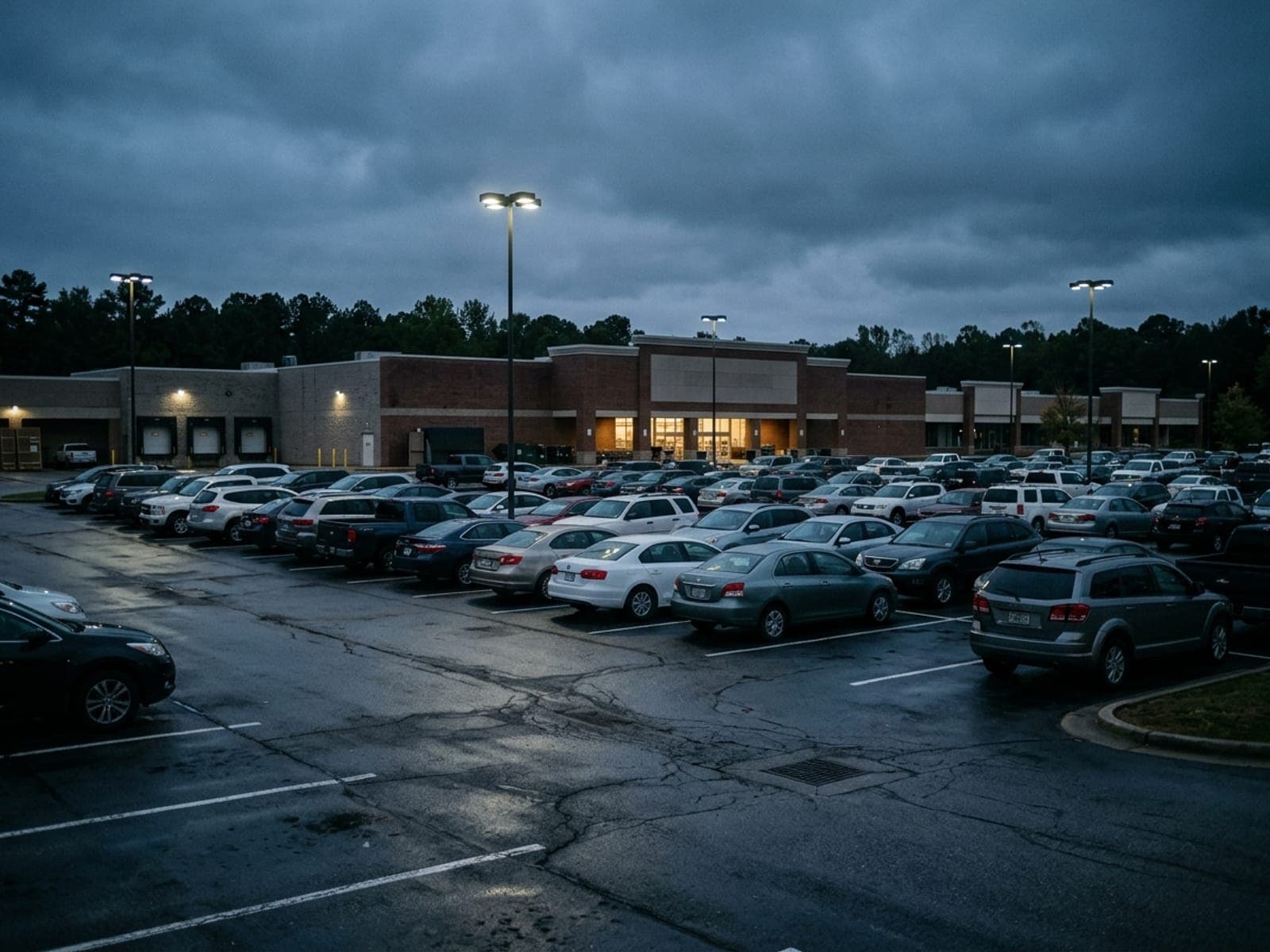
Lane disputes and loitering
Arguments at the window, vehicles that circle after close, and people who linger in the queue. Building cameras are aimed at orders, not at what happens before and after the line.
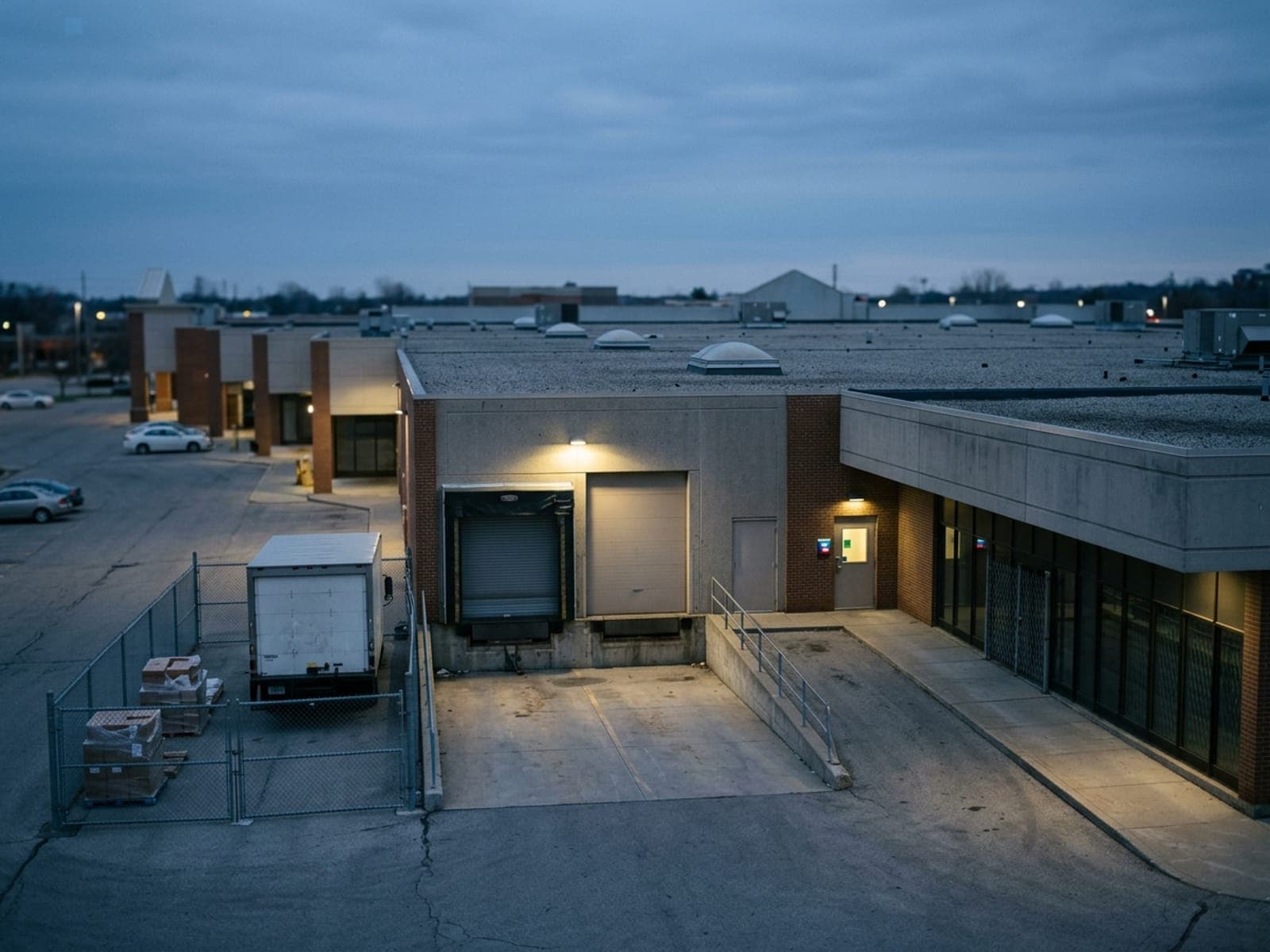
Bin and grease areas
Enclosures draw dumping, scavenging, and tampering, plus people who use the cover to loiter or sleep. Staff avoid the area after dark, so problems sit unreported for hours.
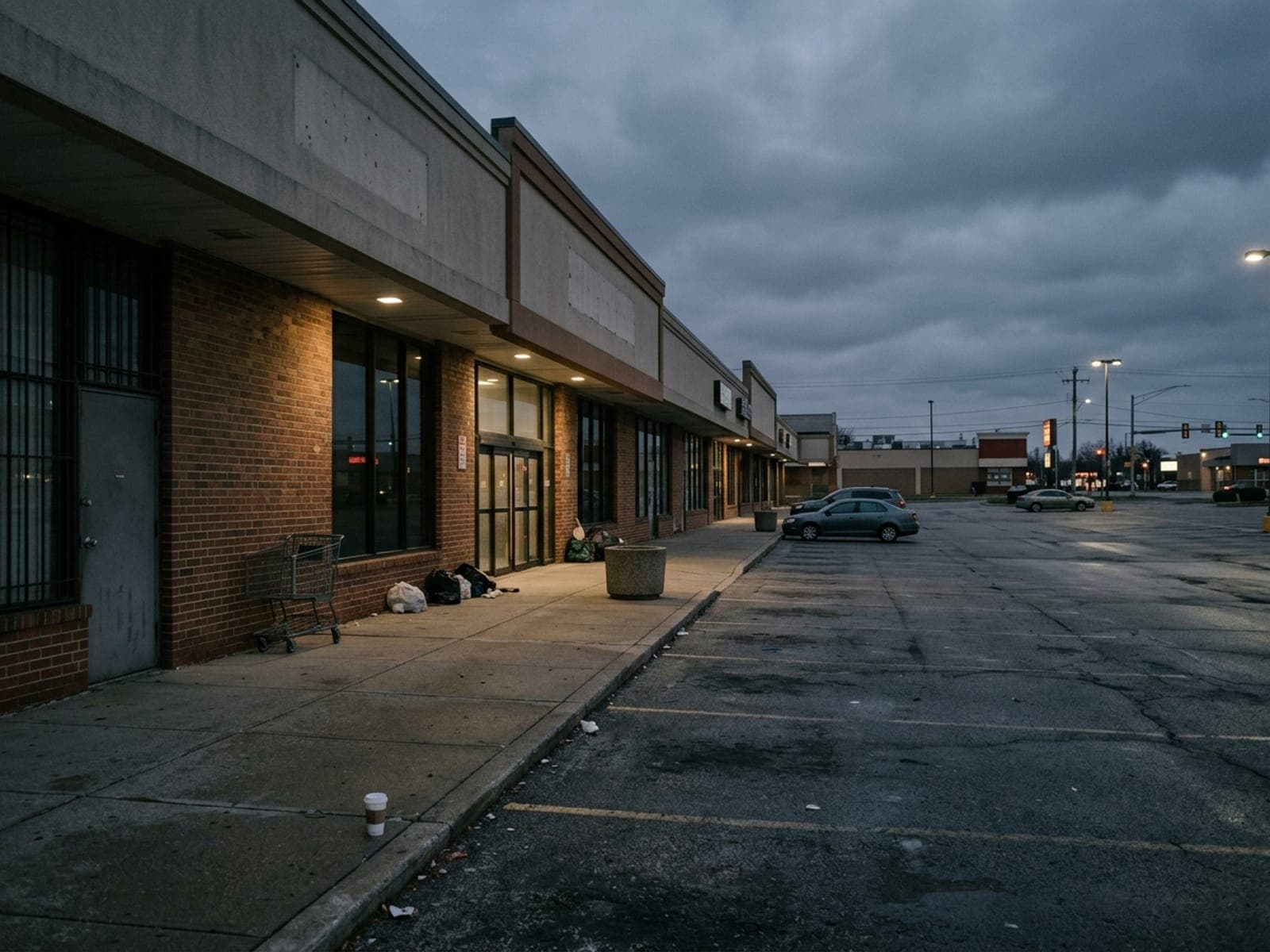
Propped rear doors
Doors propped for deliveries or smoke breaks are the easiest way in. Early openers and late closers also walk to them alone, in the dark, carrying cash or keys.
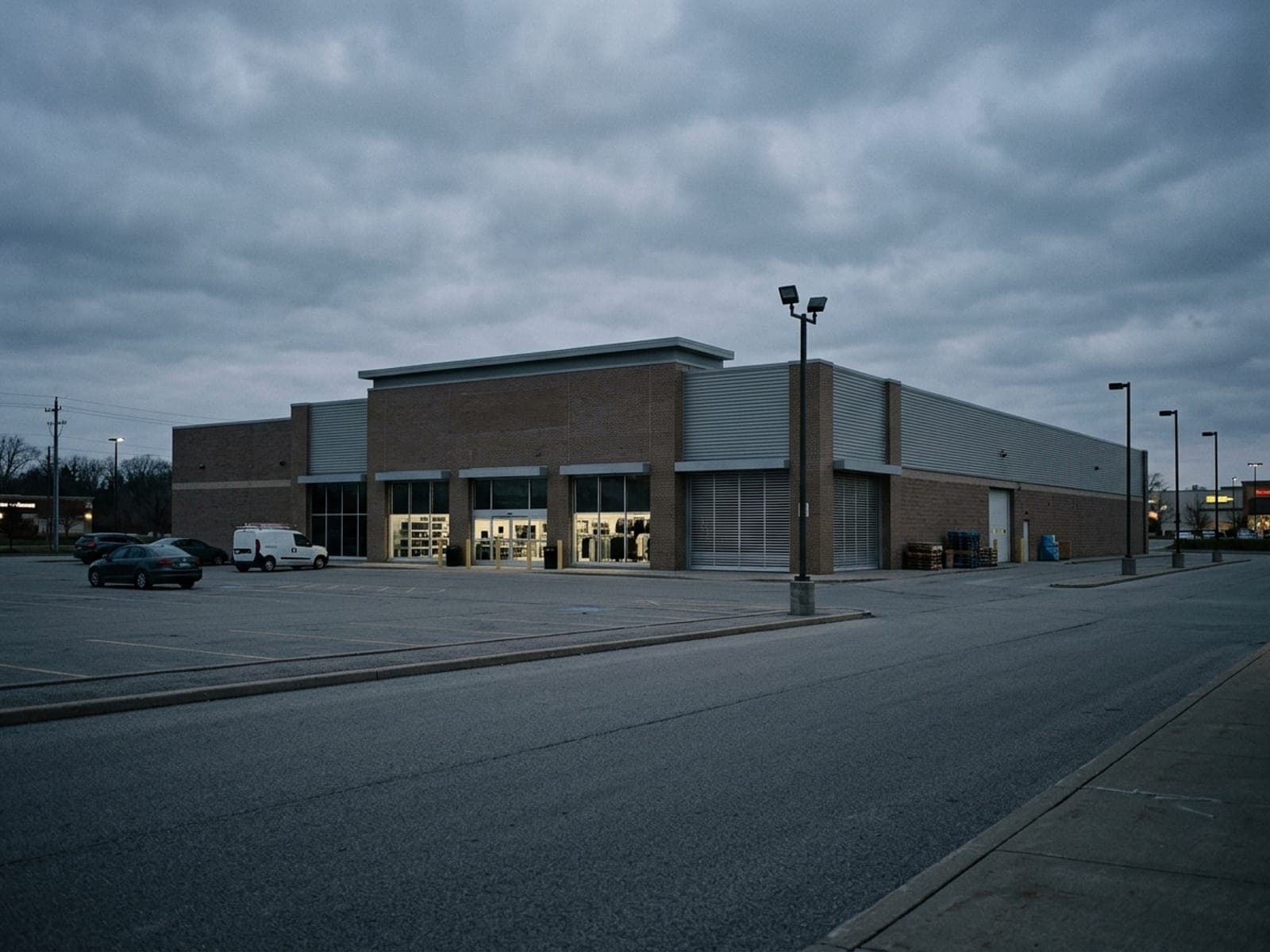
The empty building
Once the lights go off, rooftop equipment, delivery pallets, and the building itself go unwatched. Break-in attempts, vandalism, and metal theft are quiet and usually found at opening.
Drop the trailer.
The SOC takes it from here.
One trailer covers the whole footprint from a raised position. AI flags people and vehicles, a live operator verifies, and the speaker can speak up before anyone reaches the door.
One raised view over
lane, bins, and door.
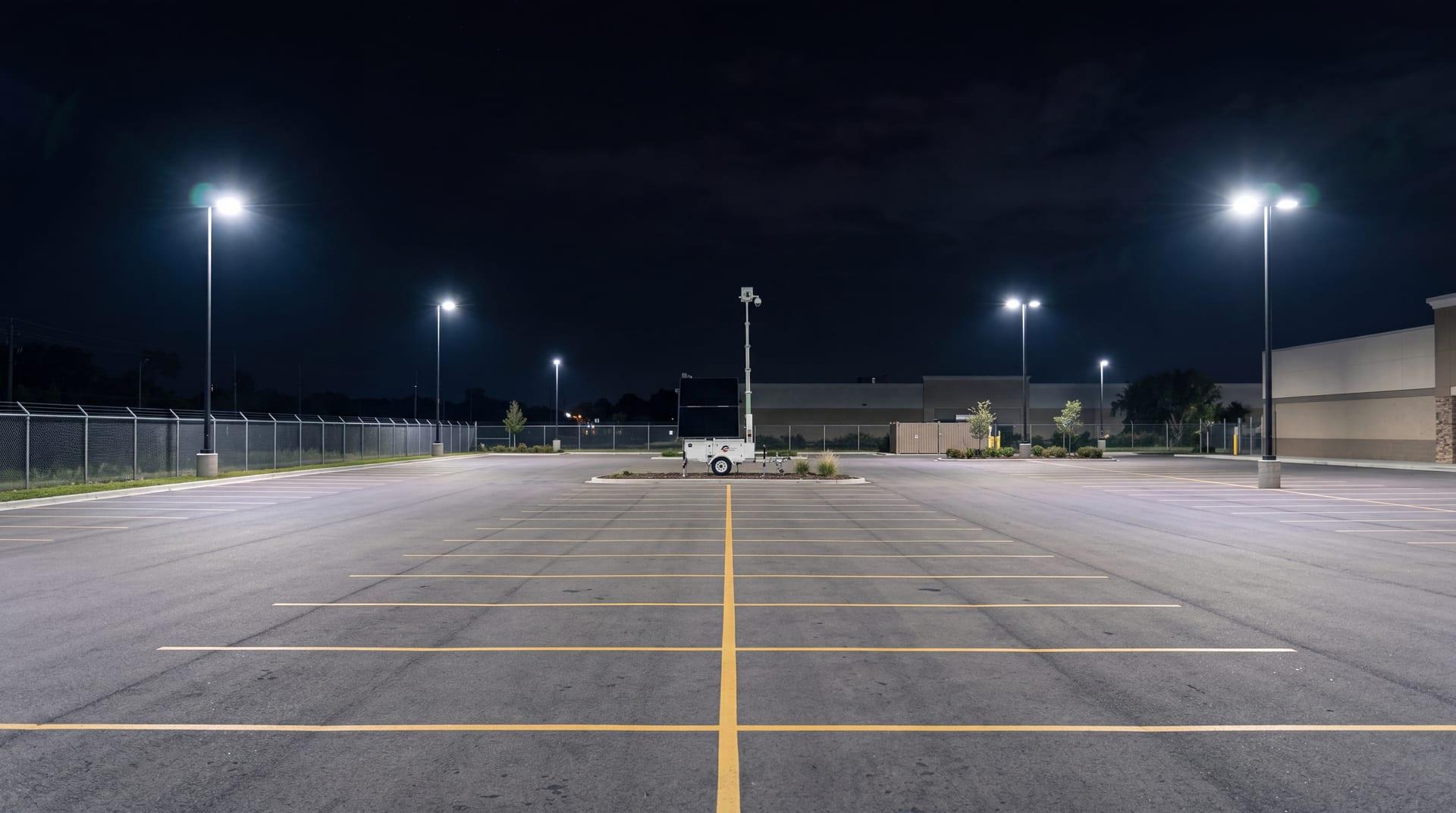
A mast lifts the camera above parked cars and the drive-thru queue, so a single position frames the order lane, the pickup window approach, the bin enclosure, and the rear walk. Wide and zoom views let an operator read a situation instead of guessing at it.
- Drive-thru lane coverage
- Dumpster enclosure view
- Rear and side door approach
- Employee parking visibility
 STEP 01
AI that wakes up when
you lock up.
Detection zones can be set to arm at close, so the trailer ignores normal service hours and flags people and vehicles entering the lane, bin area, or roof access when the building should be empty. A live operator verifies before anything is escalated.
- Arm and disarm by schedule
- People and vehicle detection
- Optional plate capture in the lane
- Verified alerts, not motion noise
 STEP 02
Speak up before
they reach the door.
When an operator confirms someone is where they should not be, they can speak through the trailer's speakers and say the site is monitored. If it escalates, video goes to police and the owner gets a record of what happened.
- Live operator voice
- Video to police on verified events
- Incident log for the owner
- Move between locations as needed
 STEP 03
Every asset on site.
One platform.
Restaurant operators place a trailer wherever the building's own cameras run out.
Drive-thru overnight watch
Cover the lane and window after close, when cars still circle, and flag anyone who stops, lingers, or approaches the building.
Dumpster and grease area
Keep watch on the enclosure where dumping, scavenging, and tampering happen out of sight of the dining room.
Franchise group rotation
Move one trailer between locations as problems shift, so an owner with several sites can answer a trouble spot without a new install.
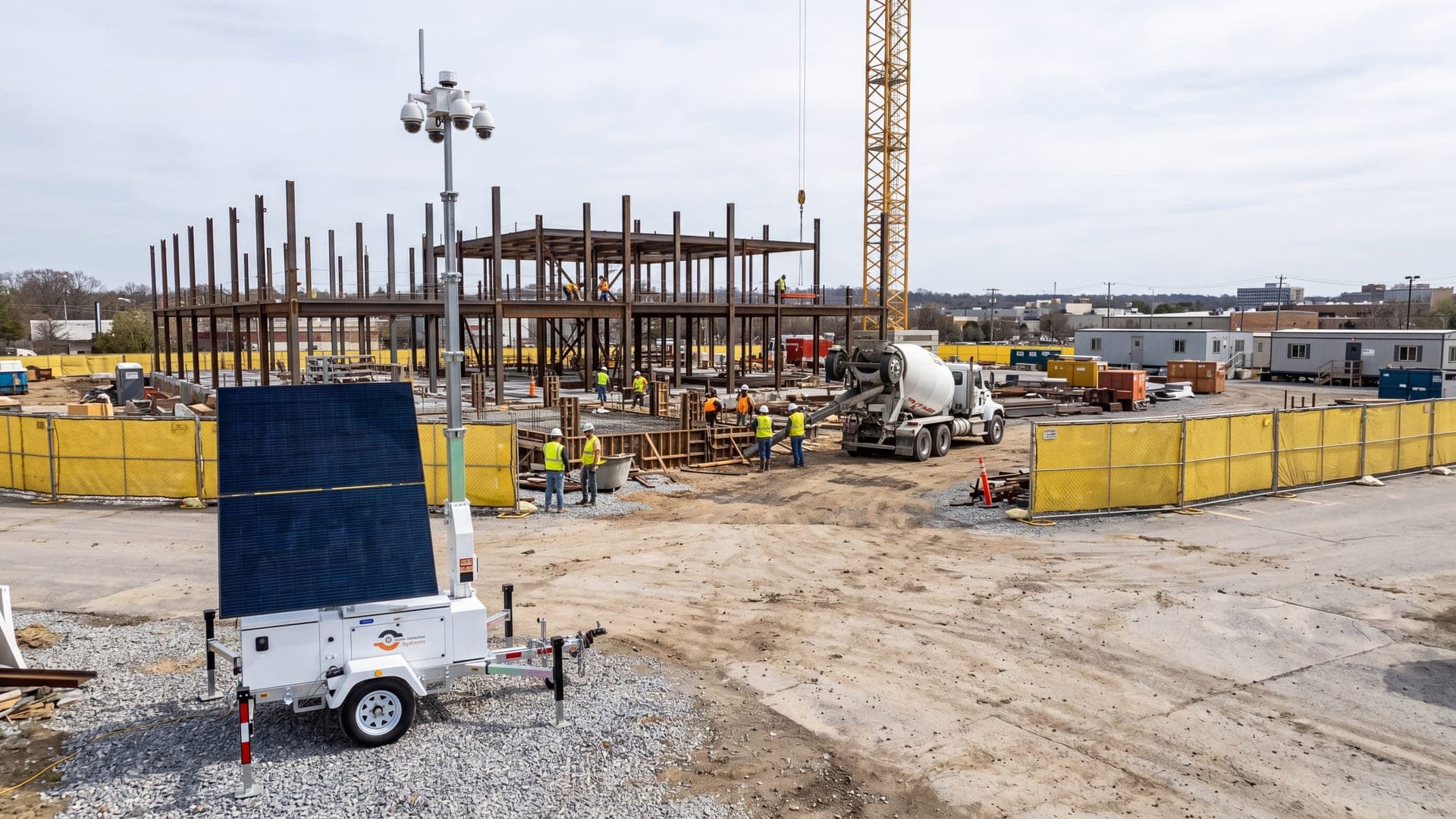
New build and remodel sites
Protect a restaurant under construction or remodel, when tools and materials sit exposed and the building has no working cameras yet.
Late-close staff safety
Watch the walk from the back door to employee parking so closing crews are not alone in a dark lot with deposit bags.
Pad site and shared lot
Cover a freestanding pad with a shared parking field, where loitering and vehicle activity spill in from neighboring businesses.
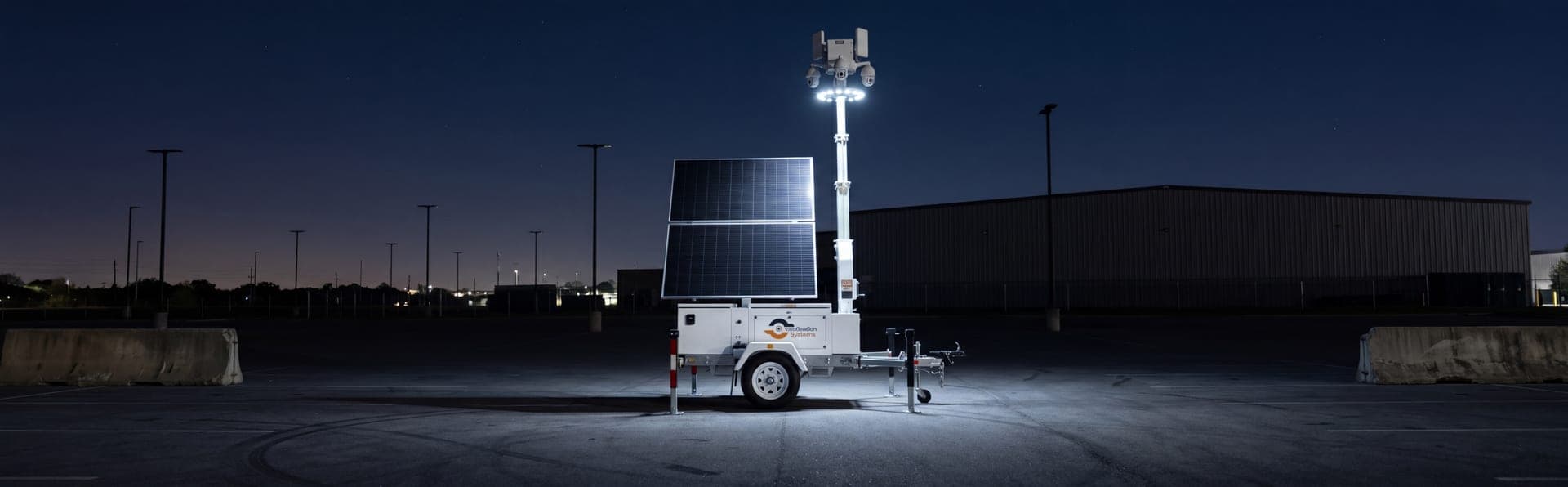
 MSU-A · FLAGSHIPAI DETECTION · LIVE TALK-DOWN · 4G LTE
The Mobile Surveillance Unit.
Built for this site.
A self-contained trailer with solar power, a cellular link, and a mast that raises in under 20 minutes. It sets up in a corner of the lot, needs no building power, and moves to the next location when you need it.
From assessment
to covered.
No power hookup, trenching or internet is needed on site, so deployment is quick once the plan is agreed.
Site review
Share the address, layout and what you need covered. A specialist returns a coverage plan and quote.
Configuration
Camera views, detection zones, arming schedules and alert routing are set for your property.
Delivery and activation
The trailer is positioned and the mast raised. Monitoring starts with no trenching or electrical work.
Account support
Incident reports and periodic reviews, with the trailer moved or adjusted as your needs change.
Common questions.
Can one trailer cover a drive-thru and the dumpster area?
Often, yes. A raised mast gives a wide view over parked cars, so one position can frame the lane, the window approach, the bin enclosure, and the rear door together. Exact coverage depends on your layout, so a site review before placement is the right first step.
Does it work when the restaurant is closed and the power is off?
Yes. The trailer runs on its own solar power and cellular connection, so it does not depend on the building's electricity or internet. Monitoring can be scheduled to arm when you close, with operators checking live video whenever the AI flags a person or vehicle.
Can the operator stop someone from breaking in?
Operators cannot physically stop anyone. They can verify what the AI flagged, speak through the speakers to tell the person the site is monitored, and send video to police on verified events. That helps deter and gives responders better information, but it does not guarantee any outcome.
Do I need a trailer at every location?
Not necessarily. Multi-unit operators can start at the location with the biggest problem and move or rent a trailer between sites as needs change. Rental and purchase options exist, so you can match coverage to where risk is actually showing up.
Are there rules about recording customers or employees?
Rules on video, audio, and signage differ by state, city, and landlord, and they may differ near employees or guests. We cannot give legal advice, so confirm with counsel or the local authority before deploying, and tell us your requirements so we can set up coverage zones to match.
Get a deployment plan for your restaurants & qsr site
Three fields. A deployment specialist replies with a coverage plan and timeline. Prefer to talk? Call (410) 401-1986
Secure your property this week.
Tell us which lots, lanes, and rear doors worry you most. We will help you pick a placement and a monitoring schedule that fits how your locations operate.