
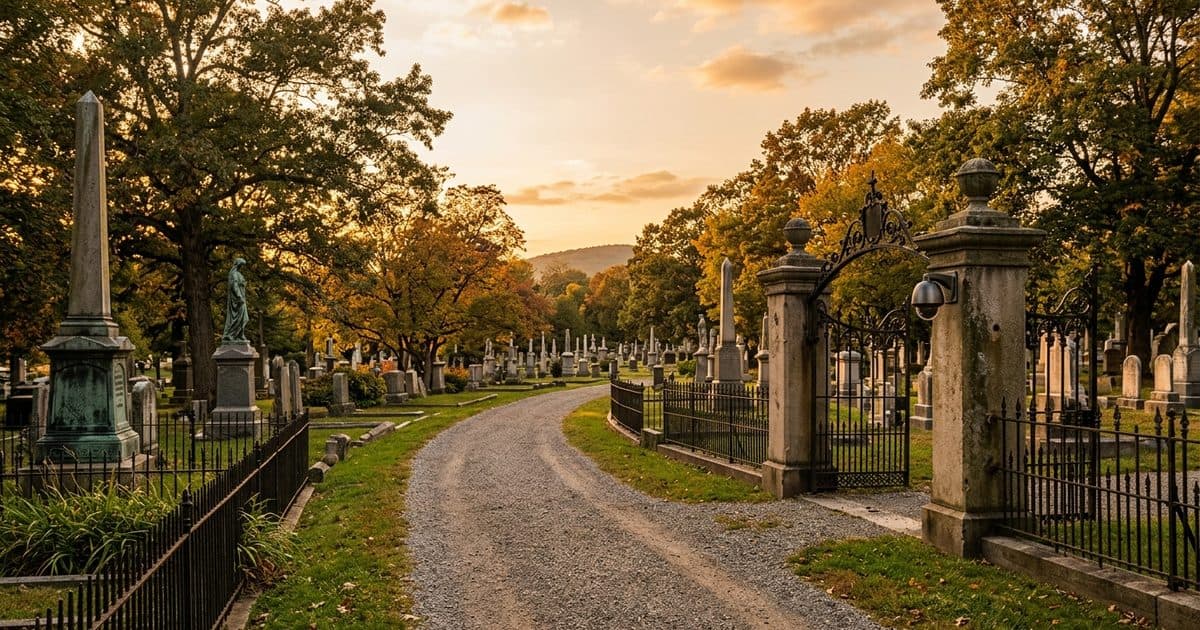
Keep the doors open.Watch the grounds.
Congregations want a welcoming building, not a fortress. VDS places a solar-powered trailer on the lot or lawn, watches the grounds around the clock from our operations center, and speaks to anyone who should not be there, so members arrive to a calm, cared-for property.
A house of worship runs on donations and volunteer time, so a break-in or a vandalized sign costs far more than the repair. Insurance deductibles, replaced sound equipment, a forced office door and the hours spent on police reports all come out of a budget meant for programs and care. Buildings sit empty for much of the week, which gives anyone looking for copper, electronics, tools or cash boxes plenty of quiet time to work. Side entrances and back lots are rarely lit or watched between services, and a property that feels unwatched also quietly discourages newcomers from coming back.
The threats look different from a retail center or a warehouse. There is the overnight visitor checking doors, the person stripping metal from an air conditioning unit behind the sanctuary, graffiti on a wall that volunteers will spend a weekend cleaning, and vehicles prowled in the lot during a long service. There is also the harder category: concern for people gathering, especially during holidays and events. A camera cannot prevent every possibility, but a watched lot and a visible trailer change how a property looks to someone deciding where to try something.
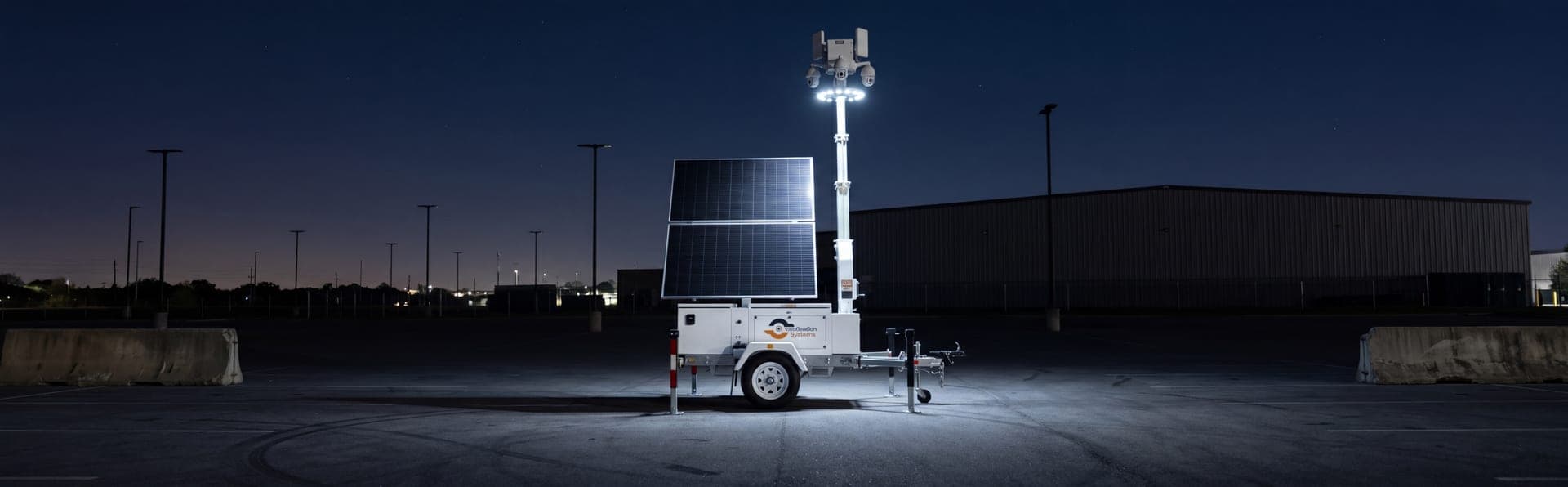
Placement is practical. The trailer usually goes where sight lines are longest: a corner of the parking lot, beside a side entrance, or at the rear of the building where equipment and the office are exposed. The mast is raised in under 20 minutes, the unit runs on solar power with cellular connectivity, and nothing needs to be dug, trenched or wired into an older building. The trailer can be repositioned for a festival, a building project or a season when the risk moves, and a board does not have to commit to permanent construction.
Monitoring is what separates this from a camera that records a crime for later. The AI detects people and vehicles, and a live operator in the security operations center verifies each alert. If someone is in the lot at two in the morning, the operator can speak through the trailer's speakers, and if it is a real intrusion, video goes to police. The operator cannot enter the building or physically stop anyone, and policies on recording and signage vary, so confirm with counsel or the local authority. Your own team handles the people.
Exposed sites.
High-value targets with no one watching.
The building is empty for much of the week, and the risks follow that rhythm: quiet break-ins, stripped equipment and vandalism, then crowded arrivals and departures on service days.
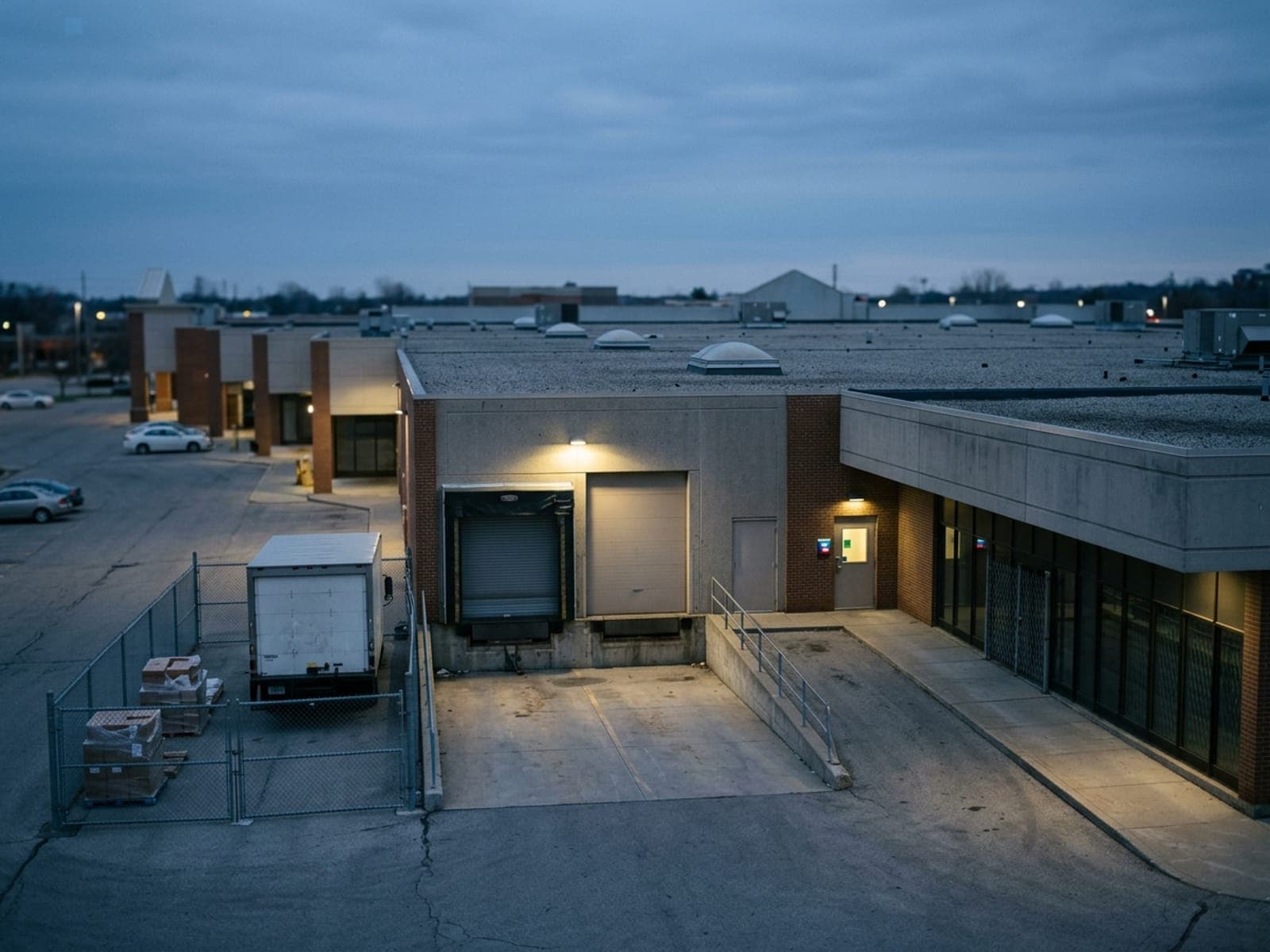
Offices and equipment rooms
Forced doors and windows aimed at cash boxes, laptops, audio gear and tools. Empty weekdays and nights give intruders time, and one theft can disrupt programs for weeks.
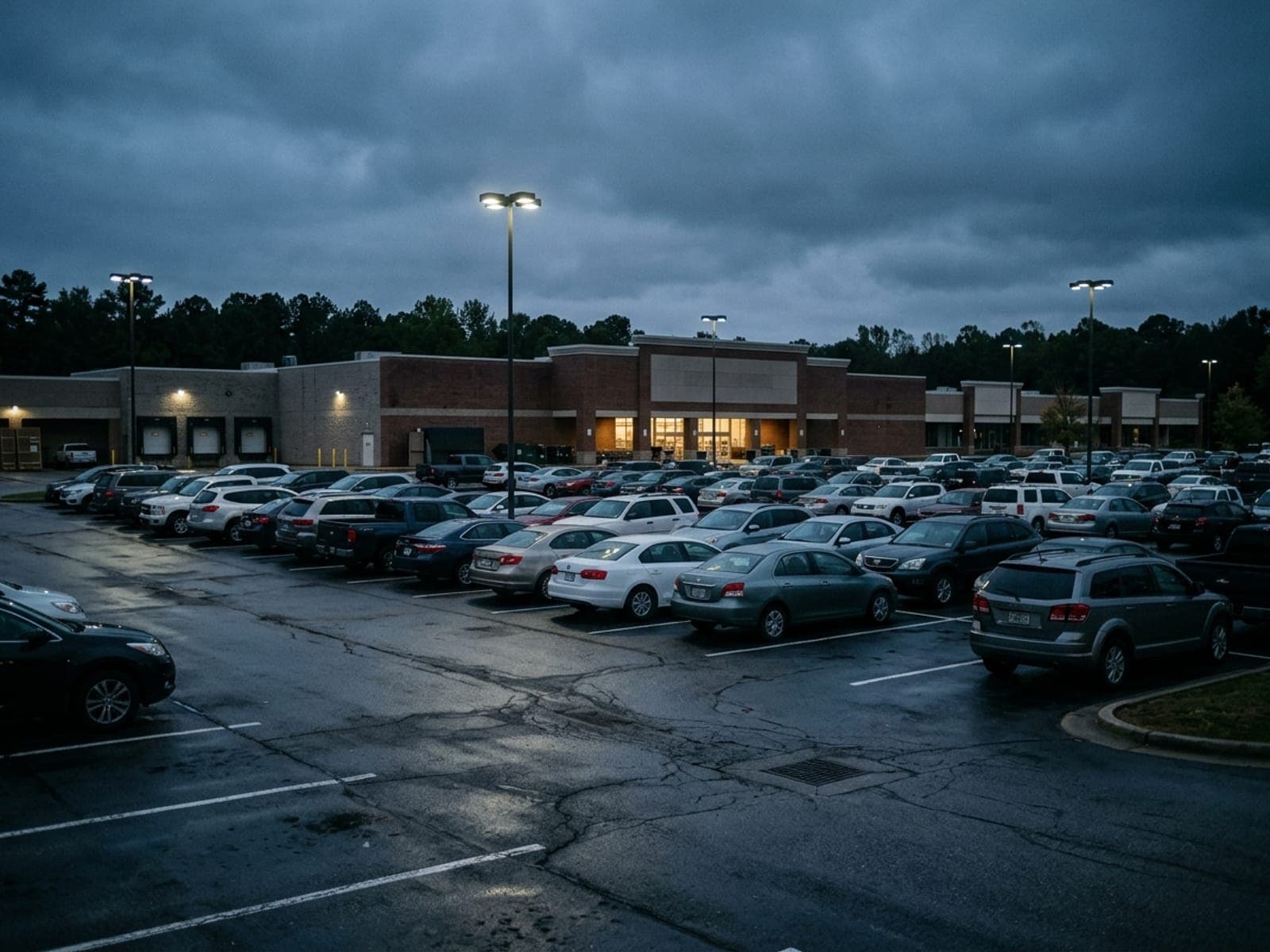
Graffiti and property damage
Defaced walls, broken windows, damaged signs and playground equipment. Repairs fall on volunteers and the building fund, and visible damage tells the neighborhood nobody is watching.
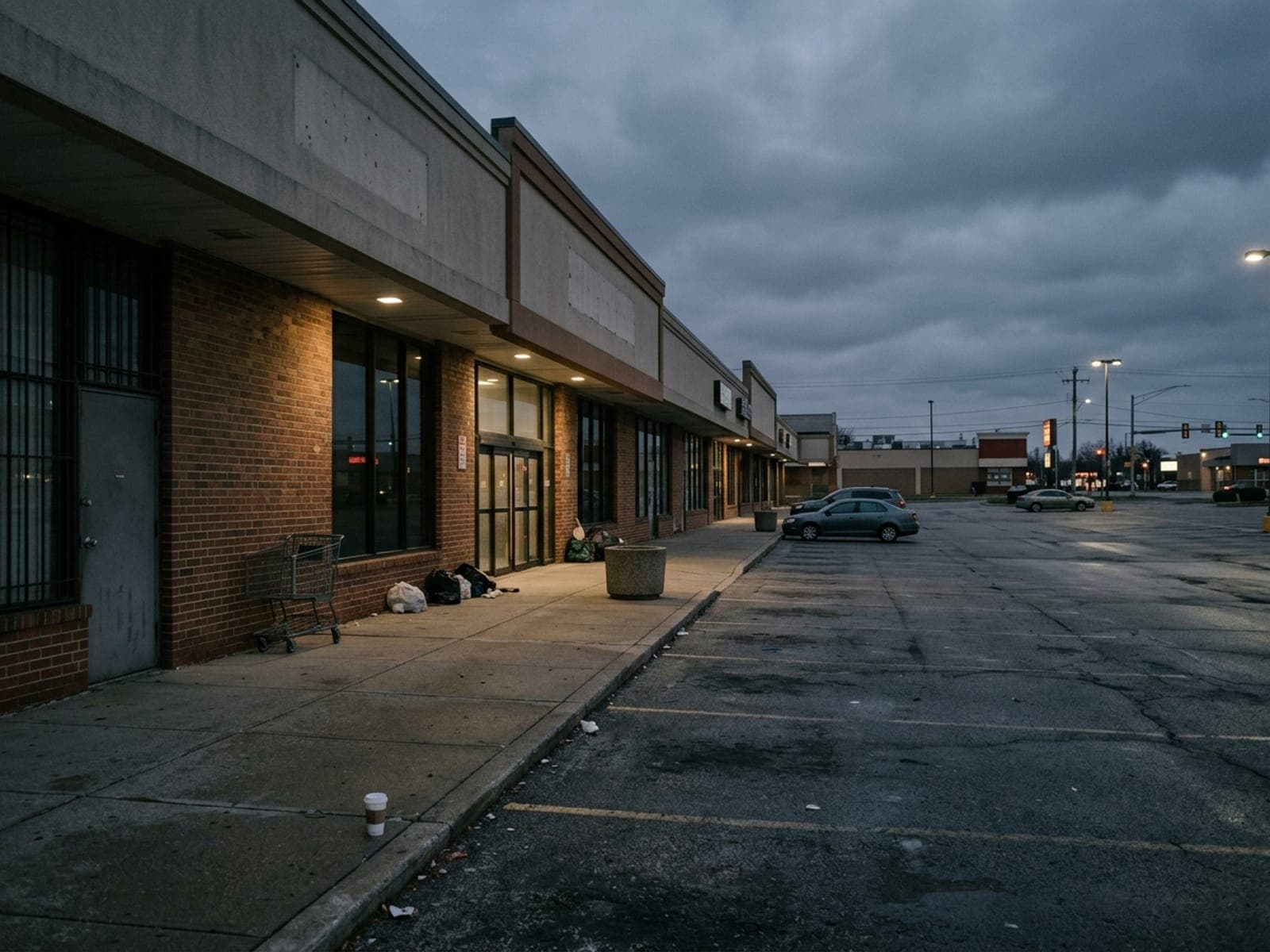
Stripped copper and exterior units
Air conditioning condensers, wiring and exterior fixtures at the rear of the property are easy targets when the grounds are dark, secluded and unwatched for days.
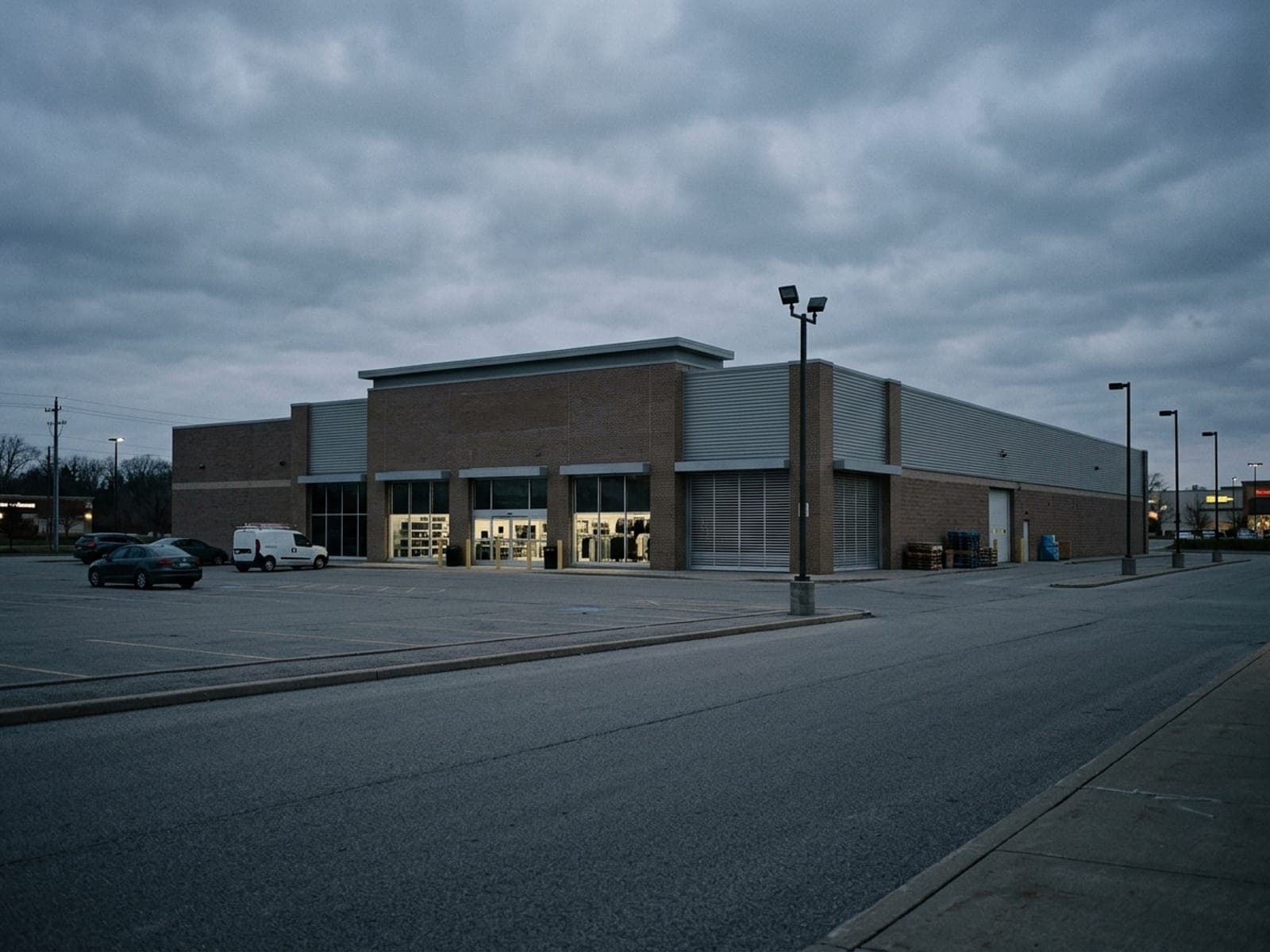
Safety during services and events
Large arrivals, children in the lot, holiday crowds and visitors nobody knows. Leaders want awareness of the perimeter without turning a welcoming service into something that feels guarded.
Drop the trailer.
The SOC takes it from here.
A trailer watches the lot and the building edges when nobody is there, and a live operator verifies what the AI flags before anyone is called out of bed.
Eyes on the property
between services
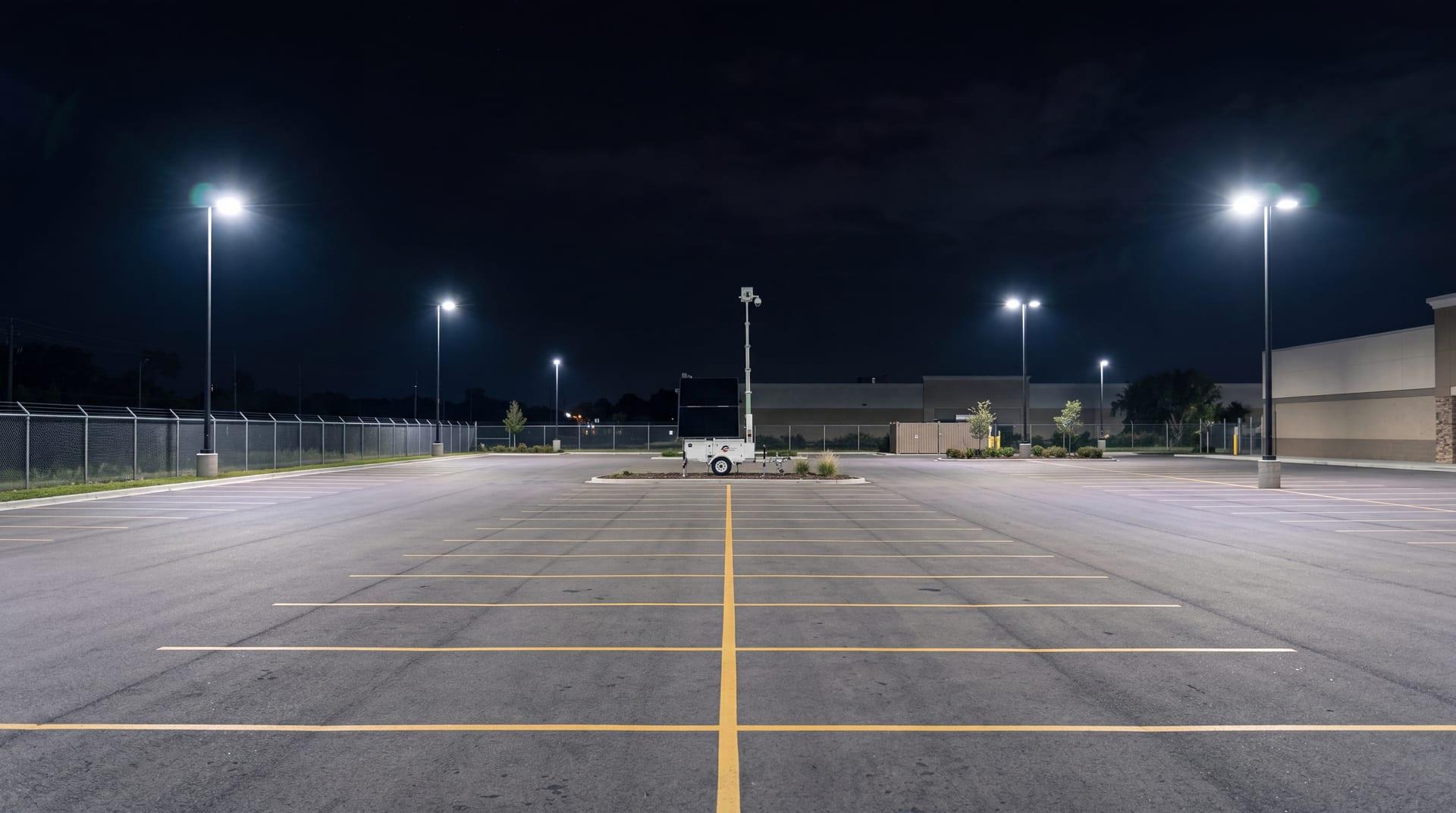
The trailer watches the lot, side doors and rear of the building all week. AI separates people and vehicles from wind, animals and passing headlights, so your volunteers and staff are not woken for false alarms, and attention goes to real activity.
- Day and night imaging
- People and vehicle detection
- Rear and side entrance views
- Solar powered, no wiring
 STEP 01
A calm voice
before a crisis
When someone is where they should not be, a trained operator speaks through the trailer's speakers and tells them they are being watched. A human voice often persuades a visitor to leave before anything is damaged, and the building stays untouched.
- Operator talk-down
- Verified before any call
- Clear, professional wording
- Escalates to police if needed
 STEP 02
Video the board
can actually use
Clear, time-stamped footage and event logs give leadership, insurers and police something concrete to work from after an incident. Verified events can be sent to police with video, so the report starts with facts instead of guesses.
- Event history by date
- Video sent on verified events
- Optional plate recognition
- Shareable clips for insurers
 STEP 03
Every asset on site.
One platform.
Each congregation has its own layout, calendar and comfort level, and one portable unit adapts to all of them.
Overnight and weekday coverage
Watch the empty building and lot when staff have gone home and the risk is highest for forced entry and theft.
Parking lot during services
Keep awareness of arriving cars, children crossing the lot and vehicle break-ins while members are inside.
Holiday and festival events
Bring extra coverage to a large gathering, then redeploy the trailer when the calendar returns to normal.
Construction and renovation
Protect materials, tools and an open building during an expansion, when scaffolding and open doors invite visitors.
Schools, daycares and halls
Cover shared grounds for programs on the same property, with the board deciding where cameras may point.
Remote cemetery and annex lots
Reach satellite grounds, storage lots and offsite buildings that have no power or internet to support fixed cameras.
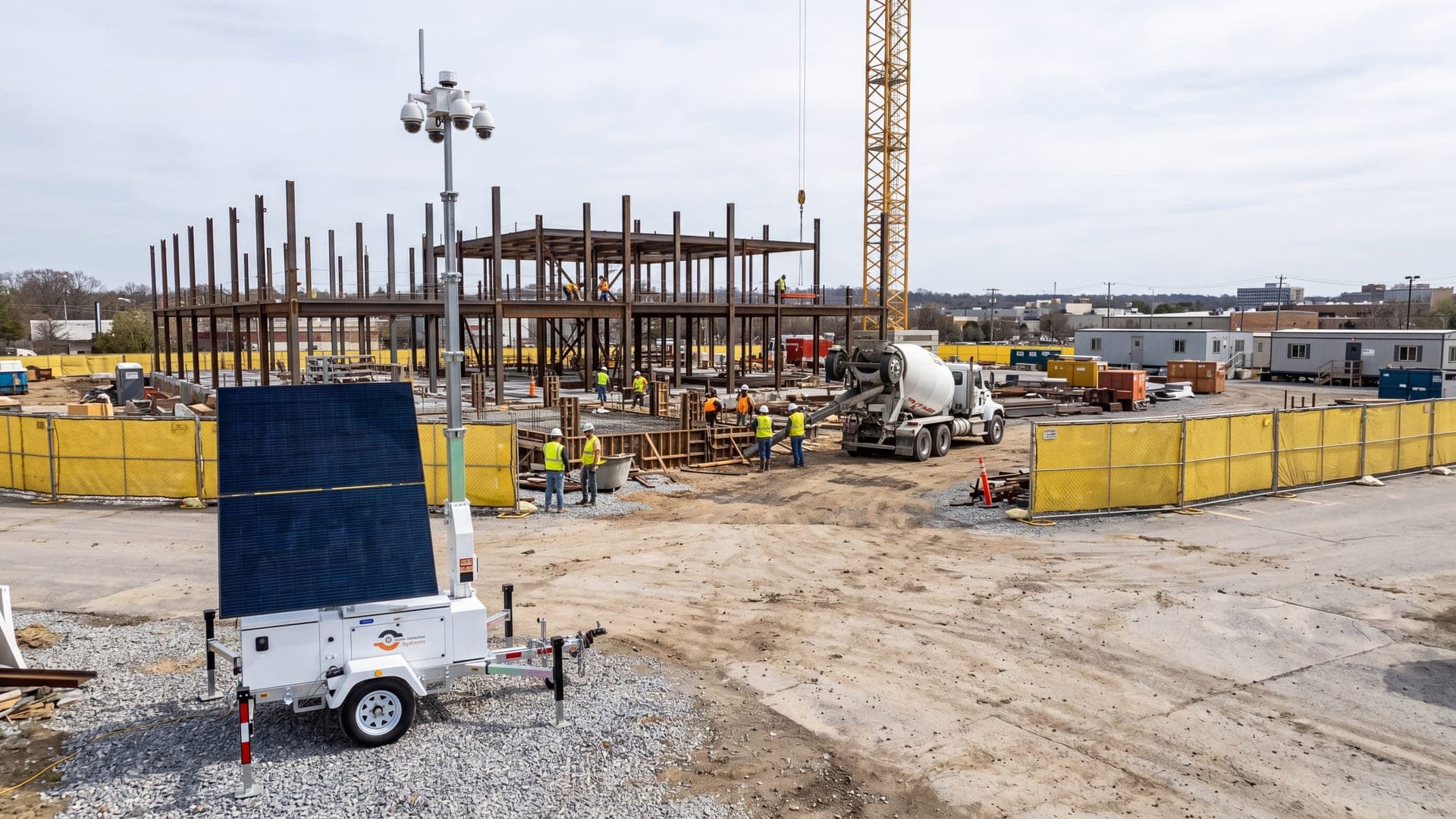 MSU-A · FLAGSHIPAI DETECTION · LIVE TALK-DOWN · 4G LTE
The Mobile Surveillance Unit.
Built for this site.
A self-contained solar trailer with a raised mast, AI cameras, speakers and cellular connection. It needs no building power or internet, stays discreet on church grounds, and moves when your calendar or risk changes.
From assessment
to covered.
No power hookup, trenching or internet is needed on site, so deployment is quick once the plan is agreed.
Site review
Share the address, layout and what you need covered. A specialist returns a coverage plan and quote.
Configuration
Camera views, detection zones, arming schedules and alert routing are set for your property.
Delivery and activation
The trailer is positioned and the mast raised. Monitoring starts with no trenching or electrical work.
Account support
Incident reports and periodic reviews, with the trailer moved or adjusted as your needs change.
Common questions.
Will a surveillance trailer make our congregation feel less welcoming?
Congregations often worry about this. The trailer sits at the edge of the lot or the rear of the building, not at the entrance, and what members notice is a well-kept property. Leadership decides placement and signage, and we can discuss options that fit your community.
Who decides what the cameras can see?
Your board or leadership does. We recommend placements based on sight lines and risk, and cameras can be aimed to focus on lots, doors and equipment. Rules on recording and posting notices vary, so confirm with counsel or the local authority before finalizing.
Can the operator stop someone from entering the building?
No. The operator watches, verifies alerts, speaks through the speakers and sends video to police on verified events. Physical response belongs to police and your own people, whether volunteers, staff or your security partner. The goal is early warning and deterrence, so people can respond with better information.
Do we need power or internet at the building?
No. The trailer is solar powered and connects over cellular, so it works in a lot or on a lawn with no outlet and no network. That also means no trenching, no wiring into an older building, and no permanent changes to the property.
Can we rent the trailer for a season or an event?
Yes. Congregations often start with a rental to cover a holiday period, a building project or a period of concern, then decide whether to extend or buy. The unit can be repositioned as the calendar and risks change, and your board stays in control of the commitment.
Get a deployment plan for your houses of worship site
Three fields. A deployment specialist replies with a coverage plan and timeline. Prefer to talk? Call (410) 401-1986
Secure your property this week.
Tell us about your property, your calendar and what the board is comfortable with. We will recommend a placement and a monitoring plan that fits a congregation.