
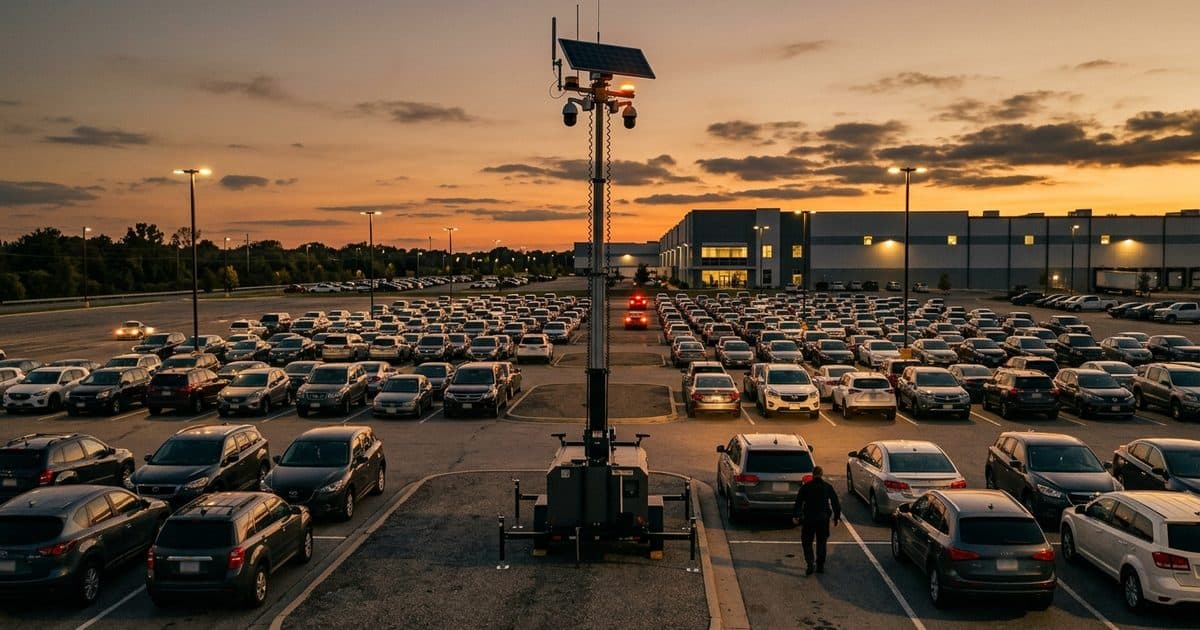
Guests judge the lot first.Then the room.
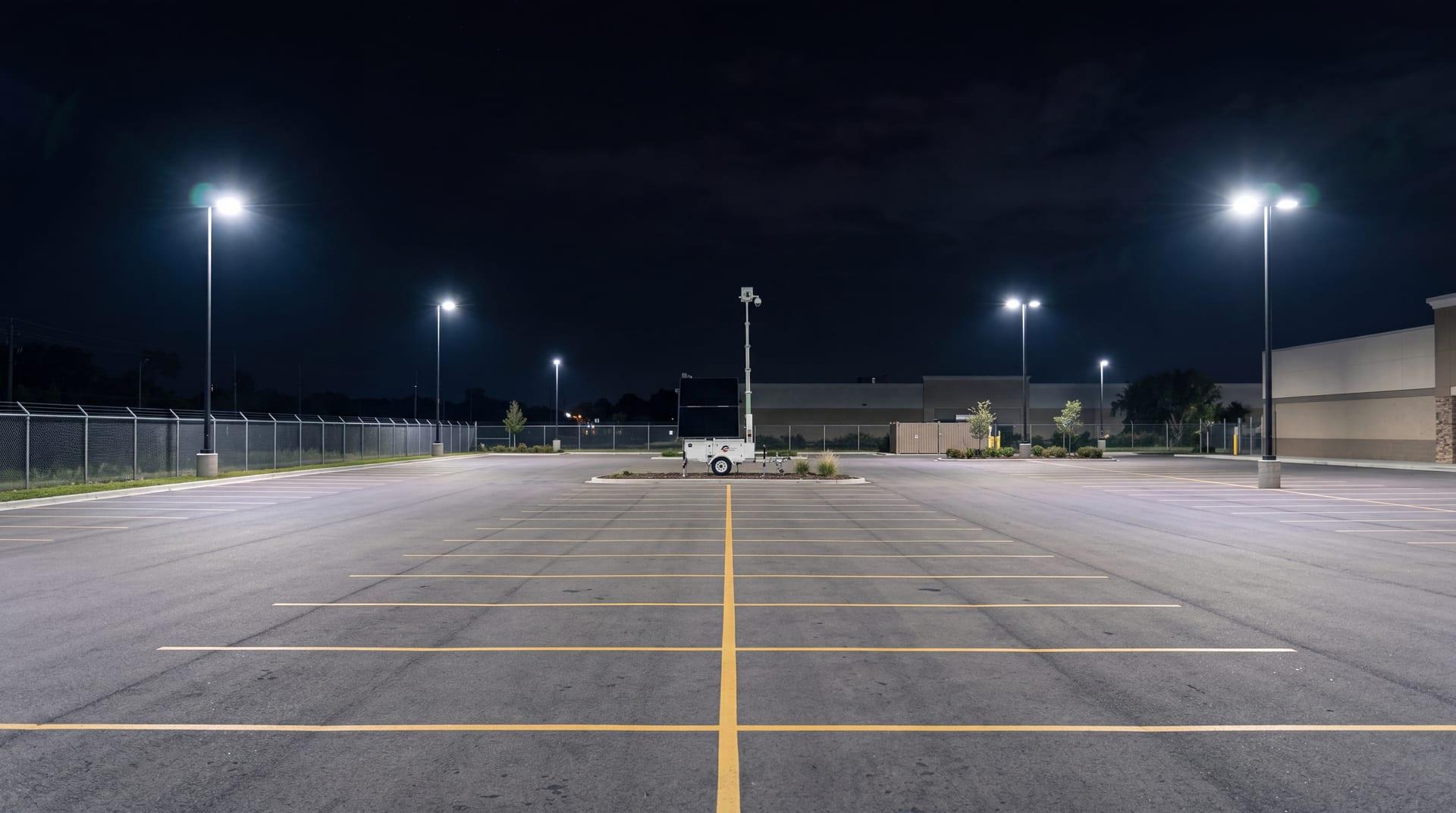
Guests park, unload, and walk exterior corridors before they ever see a room. VDS places a monitored trailer over guest parking, pool decks, and event overflow areas, so general managers get verified alerts and a live operator without adding anything to the building.
A hotel has an unusual security problem: it must be welcoming to strangers at every hour. The lobby is staffed, but the property around it is not. Guests leave bags in cars, park under dim light, walk exterior corridors to their doors, and use pools or fitness areas late at night. Vehicle break-ins are a familiar concern at hotels because visitors arrive with luggage, electronics, and rental cars that stand out. A single incident can lead to a complaint, a bad review, and a call to the general manager at midnight, and the front desk usually has no footage to show the guest or the police.
The risk changes through the day and the week. Overnight, the issues are car prowling, loitering near exterior doors, unauthorized people using the pool or sleeping near stairwells, and visitors walking corridors looking for unlocked rooms. Mornings bring checkout congestion and loaded cars left unattended. Event nights, such as weddings, conferences, and banquets, add crowds, valet confusion, rideshare traffic, and after-party gatherings in the lot, often at hours when staffing is thin. Owners also worry that staff cannot easily tell who belongs on the property, so a stranger can pass for a guest.
A trailer is placed where one raised mast can see guest parking, the main drive, and the nearest exterior corridor or pool gate, often on a back corner of the lot or beside the amenity deck. It needs no building power and no network drop, which matters on older properties where running cable across lots and landscaping is expensive and disruptive. The mast goes up in under twenty minutes. Detection zones can be set for the pool after hours, the lot overnight, or a banquet entrance during an event, and they can change from one night to the next.
Operators monitor the trailer around the clock. When the AI flags a person or vehicle, an operator checks live video, can speak over the speakers to say the area is closed or monitored, and sends video to police on verified events. They cannot open a gate, enter a room, or tell who is a registered guest. Cameras are aimed at exterior areas, never into rooms or other private spaces. Recording, signage, and guest notice rules vary, so confirm with counsel or the local authority before deploying.
Exposed sites.
High-value targets with no one watching.
Hotels hold strangers, vehicles, and luggage on one open property around the clock. The exposure is in the lot, the corridors, and the amenities, not behind the front desk.
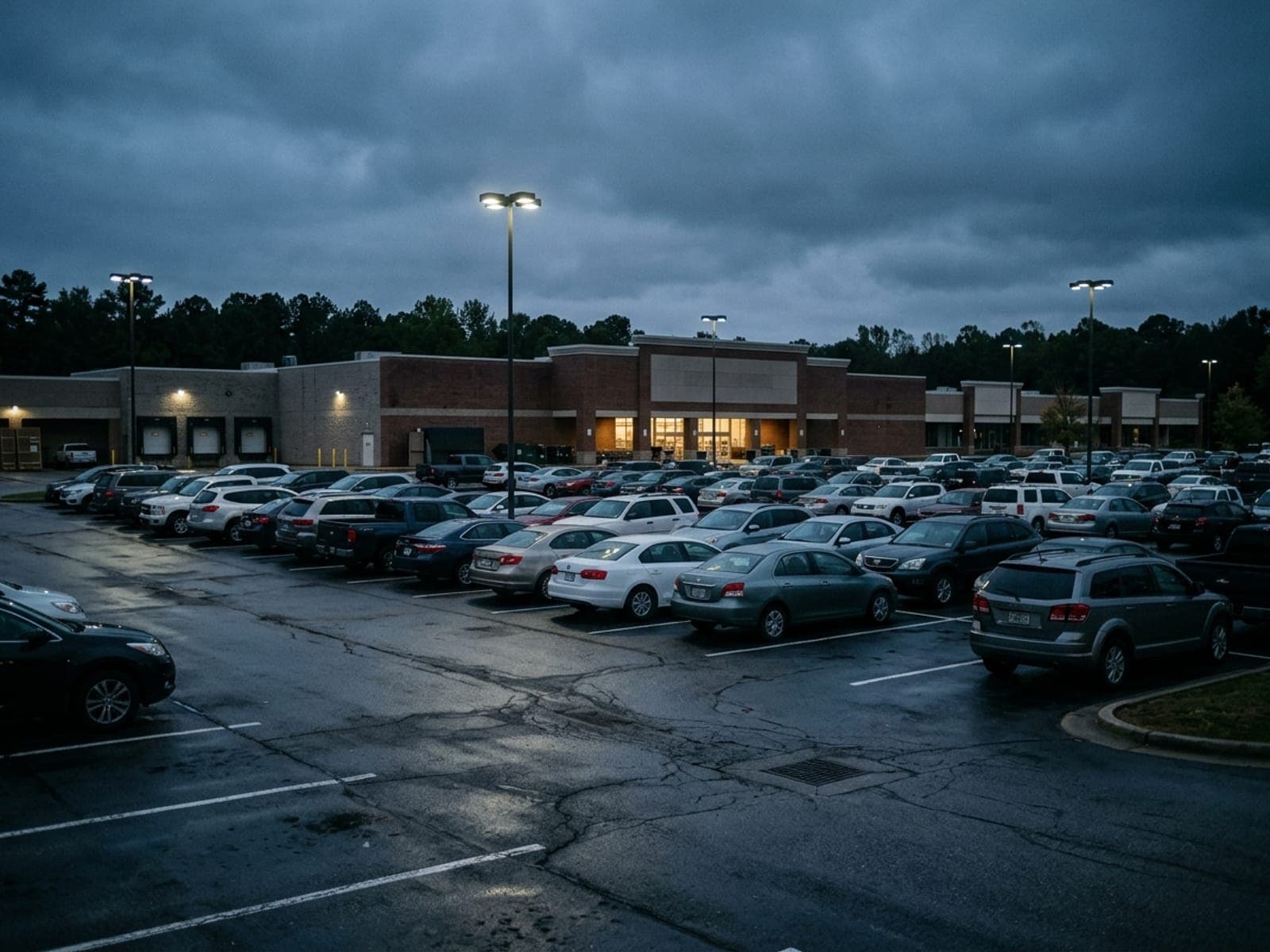
Vehicle break-ins
Break-ins and attempted theft target visitors' luggage, laptops, and rental vehicles. Guests discover it at checkout, and the property rarely has footage to share with them or with police.
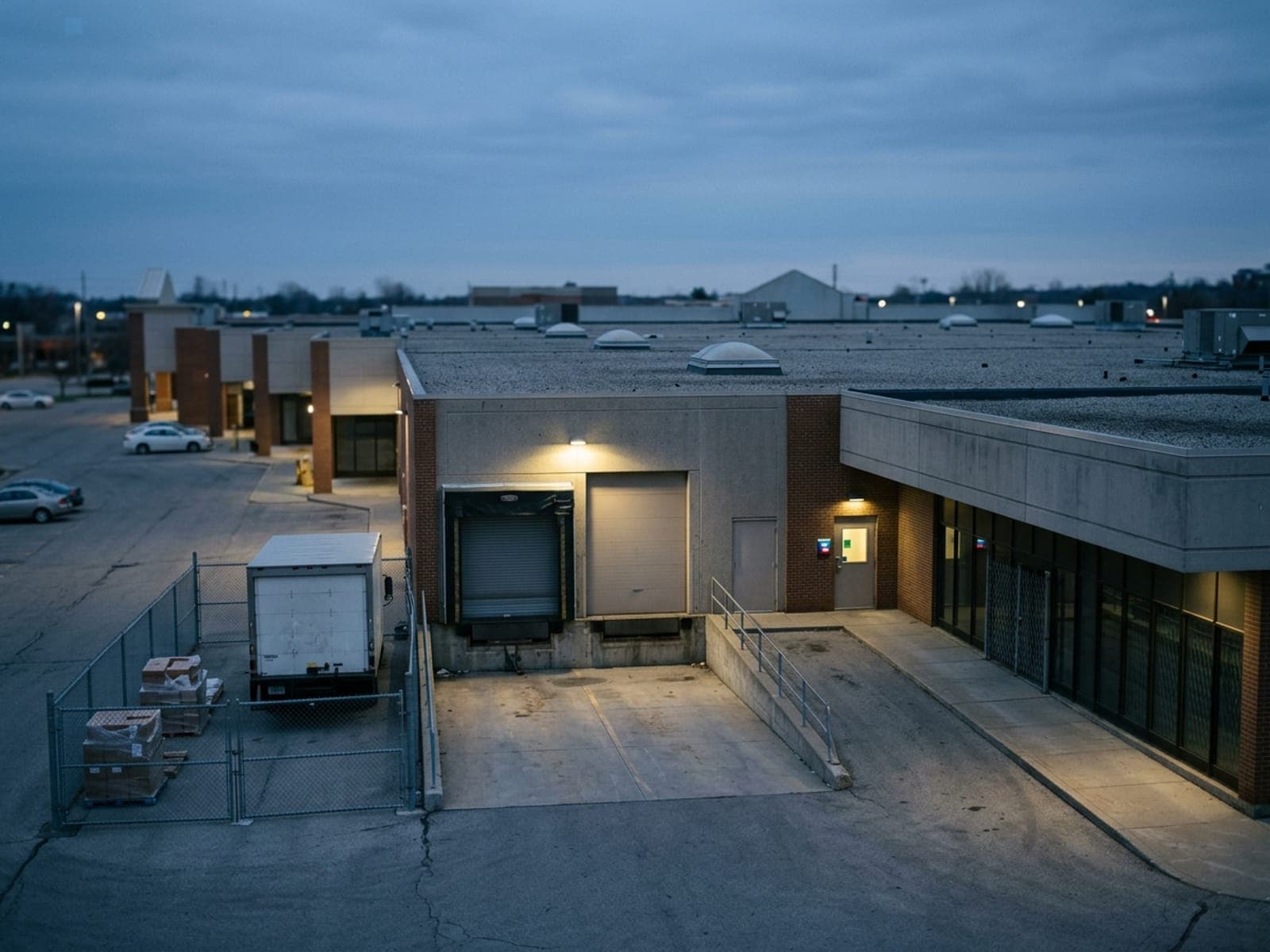
Exterior corridors
Open-air corridors and stairwells give unauthorized people a quiet way to test doors, follow guests, or loiter near rooms. Staff cannot see them from the lobby.
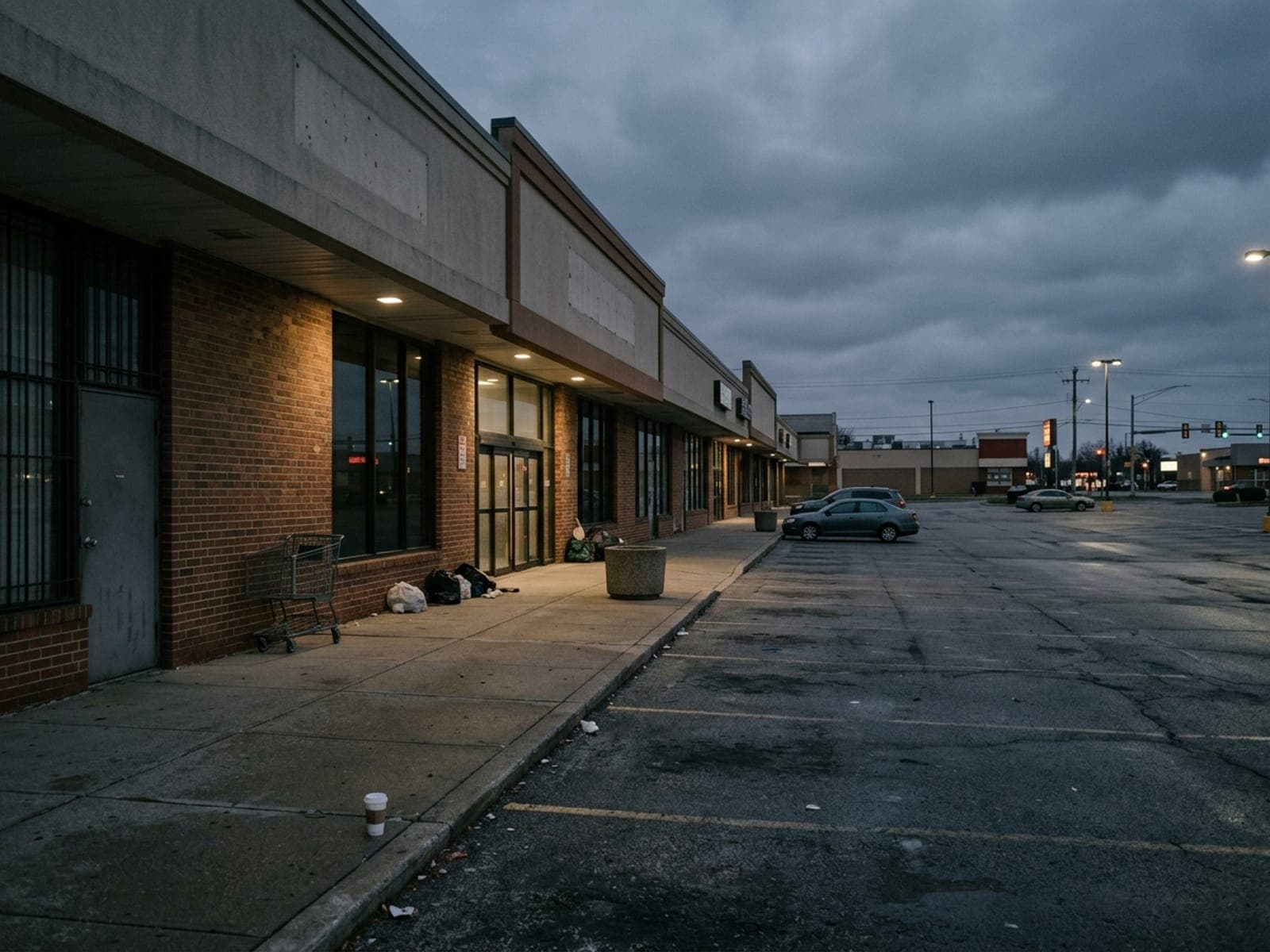
Pools after hours
Pools, gates, and fitness entrances draw late-night trespassers after closing, bringing safety and liability worries, noise complaints, and damage. Nobody is at the desk to notice.
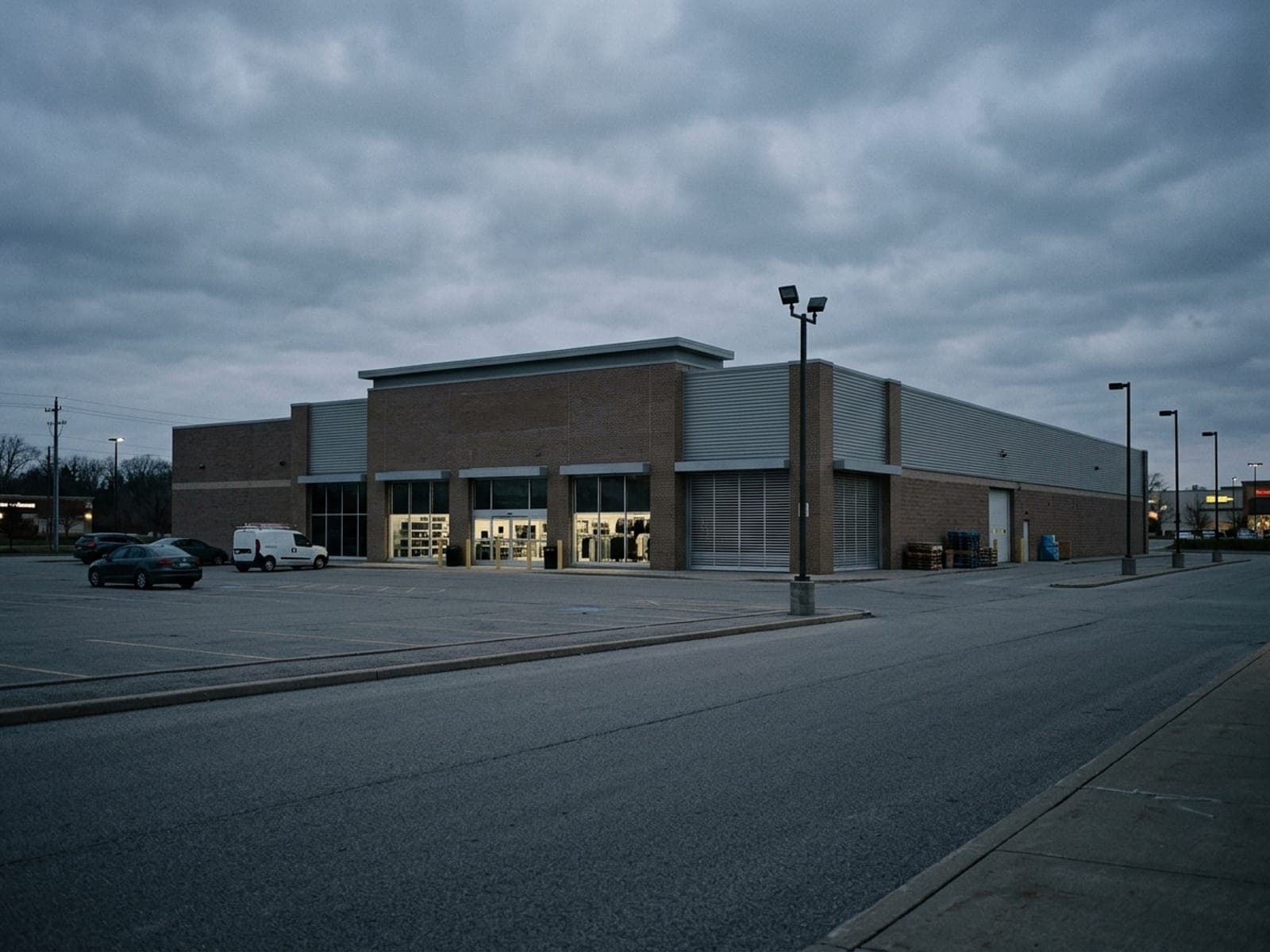
Crowds and overflow
Weddings, conferences, and banquets bring crowds, valet traffic, and after-party gatherings. Staff are stretched thin, and the lot is hardest to supervise exactly when it matters.
Drop the trailer.
The SOC takes it from here.
A trailer adds a watched outer layer without touching the guest experience. AI flags the activity, an operator verifies, and the speaker can address it before a guest ever notices.
Eyes on every
car and corridor.
From a raised mast, the camera sees parked cars, the approach drive, and the nearest exterior walkways. Operators zoom in to read a situation, such as someone checking car handles, and can respond with a spoken warning before a guest returns.
- Guest parking and drive coverage
- Exterior corridor approach
- Optional plate capture at entry
- Overnight arm schedule
 STEP 01
Close the pool,
and mean it.
Set a detection zone around the pool deck or amenity gate to arm when the area closes. If someone enters, an operator verifies and speaks to them directly, and your staff or security partner are notified with a clear picture of what is happening.
- Scheduled arming at close
- People detection in a zone
- Live voice to the area
- Notify on-site staff or partner
 STEP 02
Extra coverage for
the nights that matter.
Place a trailer for a wedding, conference, or banquet weekend, then move it when the event ends. Operators watch the lot, entrance, and drop-off area while your team focuses on guests, and you get an incident record afterward.
- Short-term placement
- Entrance and drop-off view
- Crowd and vehicle awareness
- Incident record afterward
 STEP 03
Every asset on site.
One platform.
Hotel operators place a trailer wherever the building's own cameras do not reach the exterior.
Guest parking lot
Watch the lot overnight for people checking car doors, so suspicious activity is detected and addressed while guests are asleep.
Pool deck after hours
Arm the pool area at close and speak to anyone who enters, before they cause damage or get hurt.
Exterior corridors
Cover the approach to open-air corridors and stairwells at motels and resorts, where staff at the desk cannot see.
Event overflow lots
Add temporary eyes on overflow parking and valet areas during weddings, conferences, and banquets, then move the trailer afterward.
Renovation and closed wings
Protect a wing or building closed for renovation, when tools and materials are on site and no guests are present.
Extended-stay and rear lots
Watch the back lots and side entrances of extended-stay properties, where long-term vehicles and rarely visited corners go unobserved.
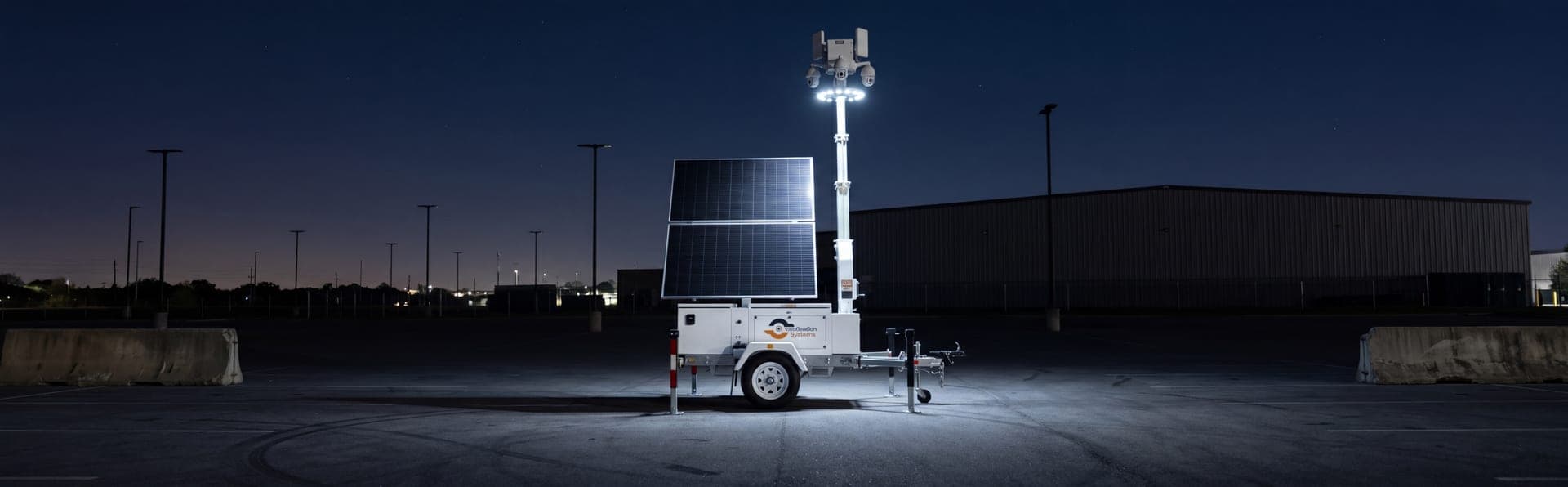
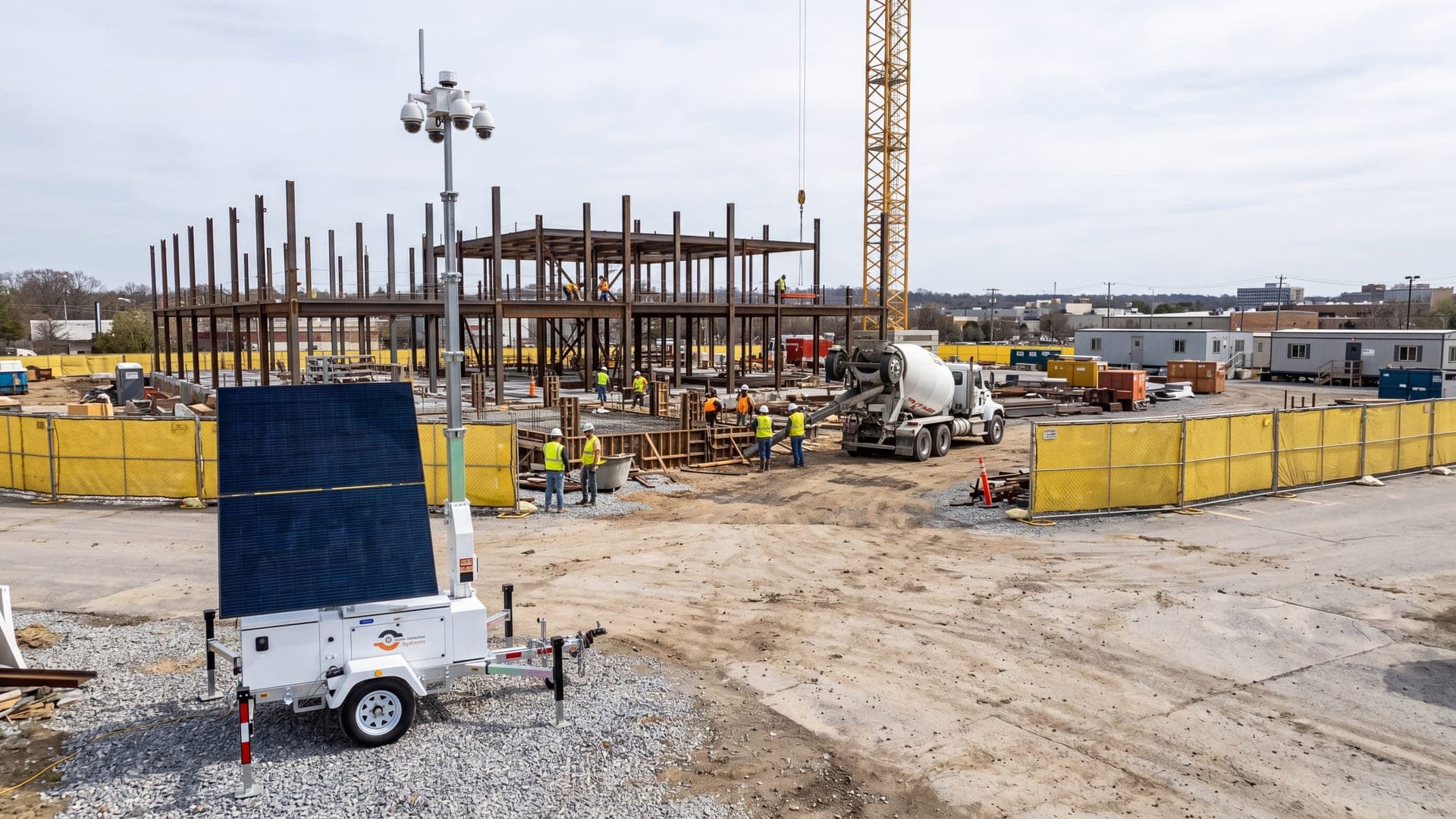 MSU-A · FLAGSHIPAI DETECTION · LIVE TALK-DOWN · 4G LTE
The Mobile Surveillance Unit.
Built for this site.
A self-contained trailer with solar power, a cellular link, and a mast raised in under 20 minutes. It sits on a lot corner or beside the amenity deck with no building power, and moves for event weekends.
From assessment
to covered.
No power hookup, trenching or internet is needed on site, so deployment is quick once the plan is agreed.
Site review
Share the address, layout and what you need covered. A specialist returns a coverage plan and quote.
Configuration
Camera views, detection zones, arming schedules and alert routing are set for your property.
Delivery and activation
The trailer is positioned and the mast raised. Monitoring starts with no trenching or electrical work.
Account support
Incident reports and periodic reviews, with the trailer moved or adjusted as your needs change.
Common questions.
Will the cameras point into guest rooms?
No. The trailer is placed to cover exterior areas such as lots, drives, and amenity decks, and zones are set so rooms and private spaces are not part of the view. Rules on recording and guest notice vary, so confirm with counsel or the local authority and set zones with your own policy in mind.
Can the trailer cover an event weekend and then move?
Yes. A trailer can be placed before a wedding, conference, or banquet weekend and moved afterward, so you add coverage when crowds and thin staffing call for it. Rental options make this practical for properties that do not need permanent coverage all year.
Can the operator tell guests from intruders?
Not by themselves. Operators judge behavior, such as someone trying car handles or entering a closed pool, not who holds a room key. They can speak to the person, notify your on-site team or security partner, and send video to police on verified events.
Does it need power or internet from the hotel?
No. The trailer runs on solar power and its own cellular connection, so it needs no hookup to the building, no cable across the lot, and no help from your IT team. That makes it practical on older properties and for temporary placements.
Who at the property receives the alerts?
Verified events can be routed to the contacts you choose, such as the general manager, a director of operations, or your security partner. The operator makes the first check so staff are not woken for every passing car, and the incident record is available afterward.
Get a deployment plan for your hotels & hospitality site
Three fields. A deployment specialist replies with a coverage plan and timeline. Prefer to talk? Call (410) 401-1986
Secure your property this week.
Tell us about your parking layout, your pool hours, and your busiest event nights. We will suggest a placement and a monitoring schedule that fits the property.