
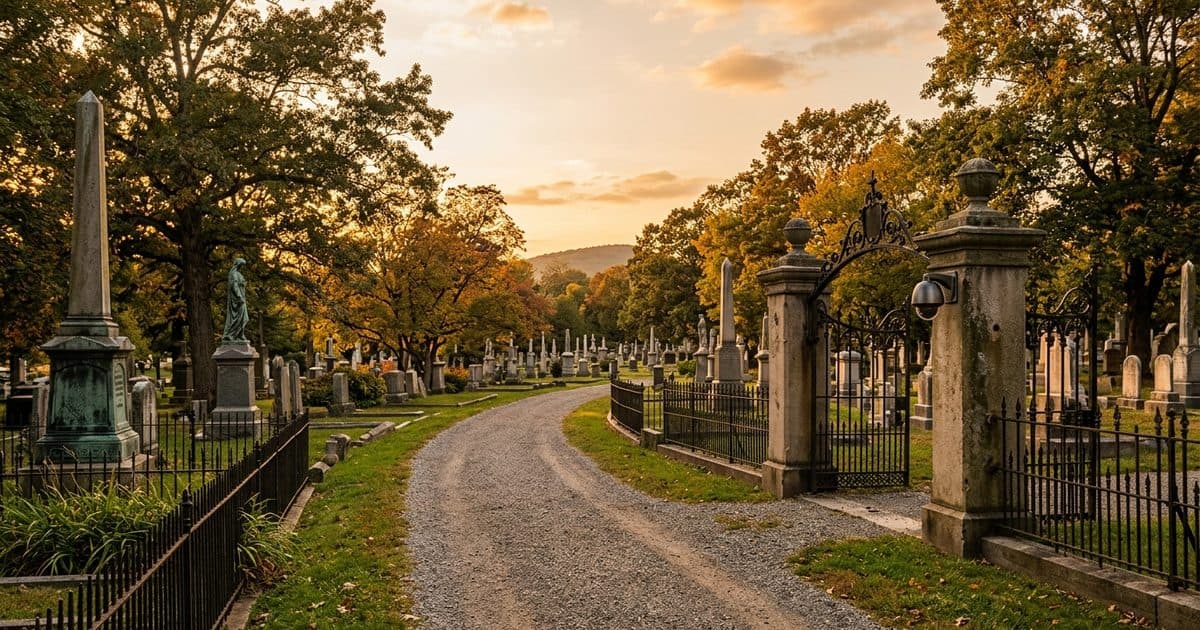
Open on Sunday. Empty the rest of the week.Watch it anyway.
A church welcomes everyone on Sunday and then sits quiet for days. VDS parks a solar-powered trailer on the parish lot or beside the fellowship hall, so a live operator can see, speak to, and report anyone who should not be there.
A church campus is hard to secure because it is built to be open. Doors unlock for services, choir rehearsal, youth group, and a midweek study, then the buildings sit dark. Across that rhythm the exposure changes: on Sunday it is a full parking lot and a crowd arriving at once, and on a Wednesday night it is an empty property with a rectory, a sanctuary, and a fellowship hall nobody is looking at. Volunteers and a small staff cannot be everywhere, and most congregations do not budget for round-the-clock staffing.
The losses that hurt a congregation are often quiet ones. Copper pipe, air conditioning units, and catalytic converters from the church van disappear from lots that nobody watches overnight. Sound equipment, projectors, and instruments are taken from a sanctuary through a rear door. Graffiti and broken glass are found on Monday by the first person in. A food pantry or clothing closet adds another draw, with stock stored on site and people arriving outside normal hours. Each of these is visible to a camera in the moments before it happens.
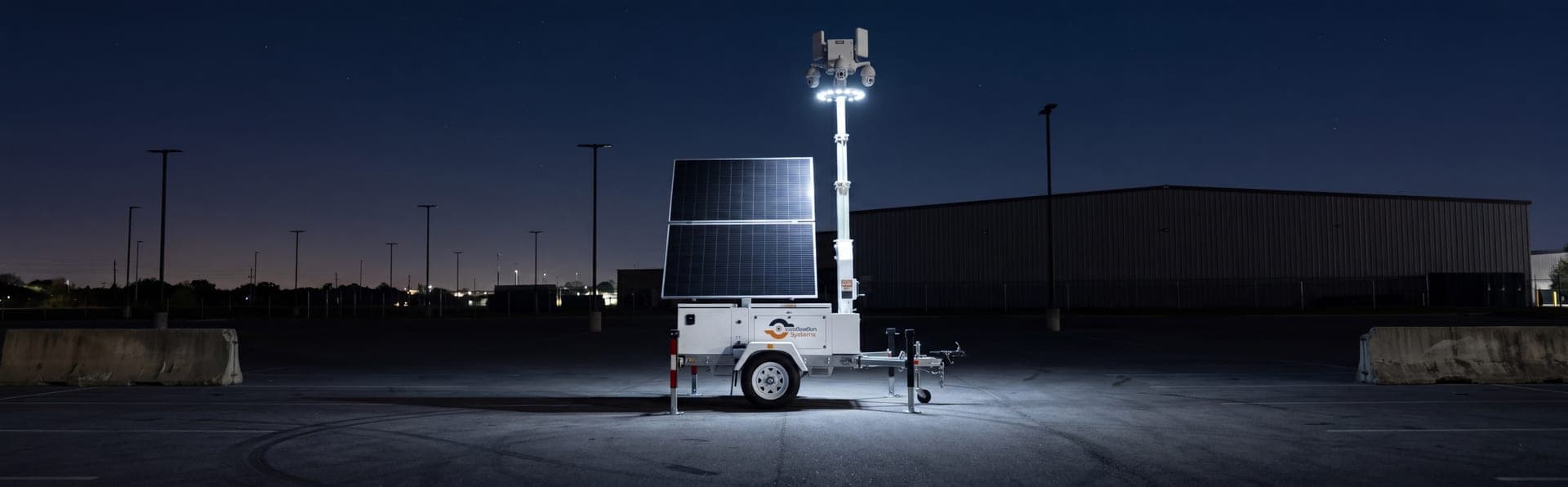
A VDS trailer is towed to the campus and placed where it sees the most: the corner of the lot that faces the street, the loading area behind the hall, or the space between the school wing and the sanctuary. The mast goes up in under 20 minutes, with no trenching, no wiring through historic walls, and no church internet needed. Solar panels and batteries run the unit, and a cellular link carries video to our security operations center around the clock. Trailers can be rented for a season, a building project, or a holiday weekend.
When the AI sees a person or vehicle where nobody should be, an operator checks the live view. The operator can speak through the trailer speakers to say the property is monitored and police are being called, and can send video to dispatch when the event is verified. The operator cannot unlock doors, stop a person physically, or know who is allowed on site unless you tell us, so the pastor, the parish office, or the facilities committee should share a simple schedule of known activity.
Exposed sites.
High-value targets with no one watching.
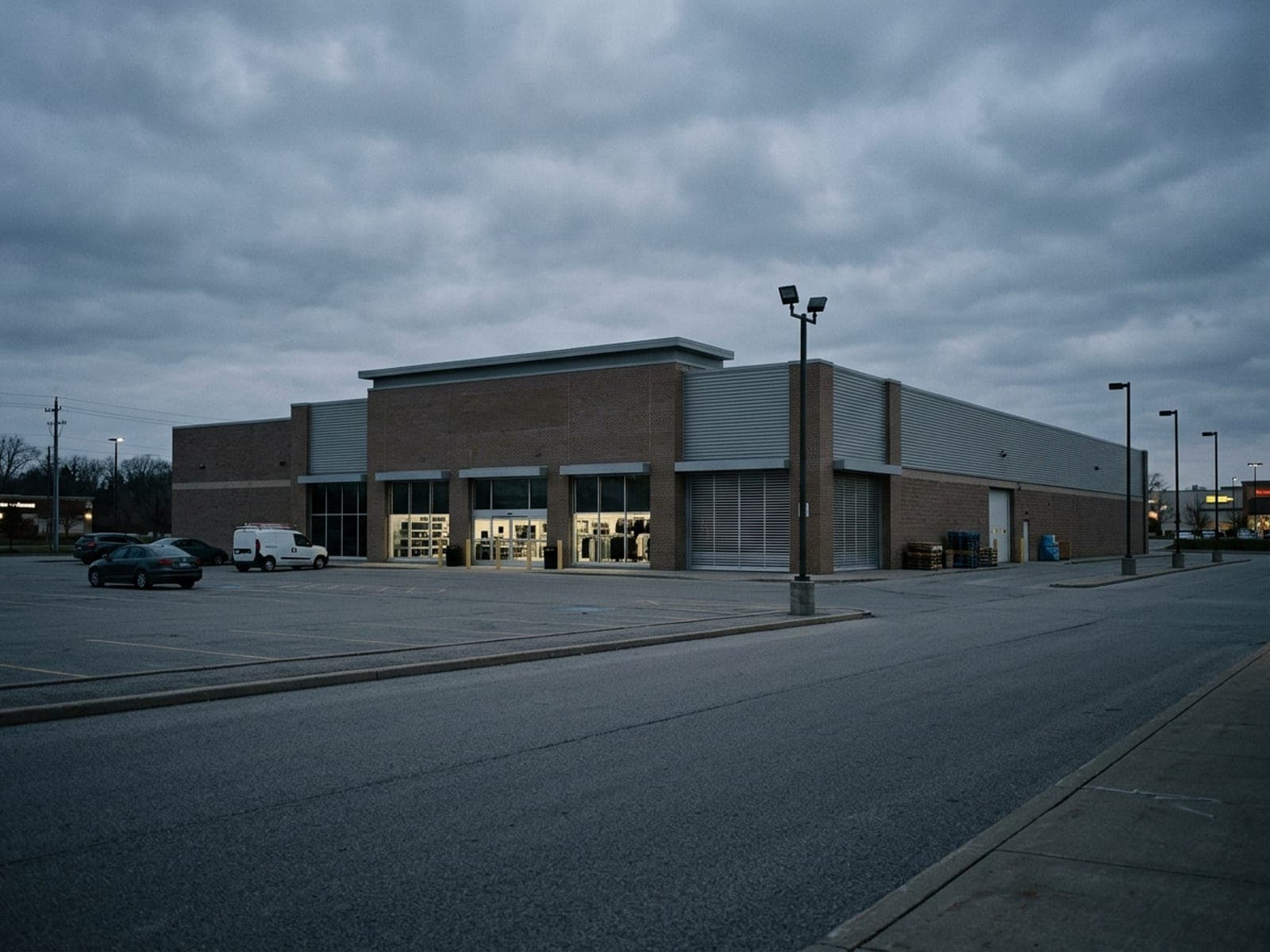
Church campuses combine open doors, valuable equipment, and long stretches with nobody on site. The risks look different on a Sunday morning than on a Tuesday night.
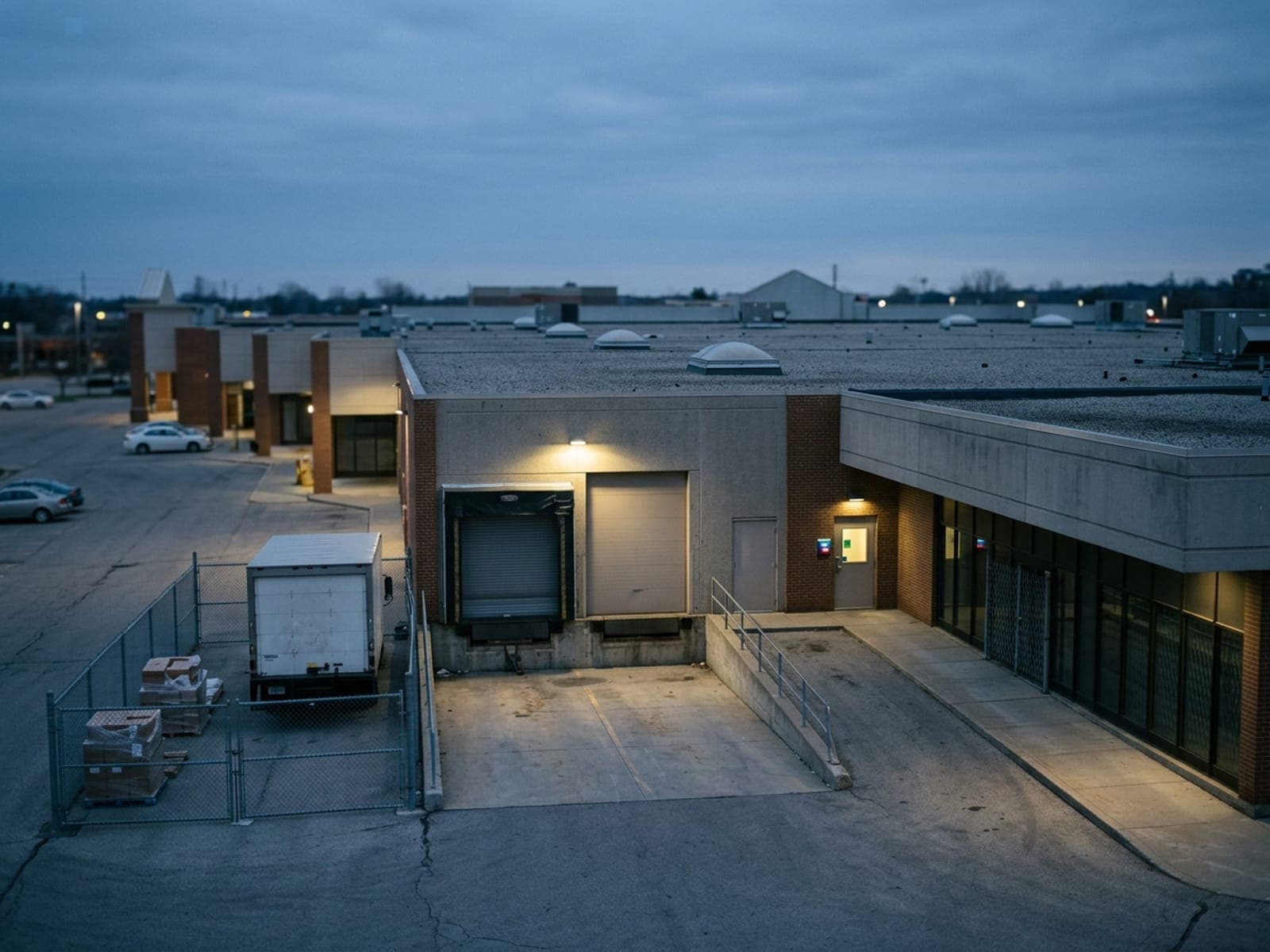
Copper and equipment theft
Rooftop units, copper lines, and church vans are stripped overnight on lots with no lighting or watchers. The damage is found on Monday, often after the repair bill is already large.
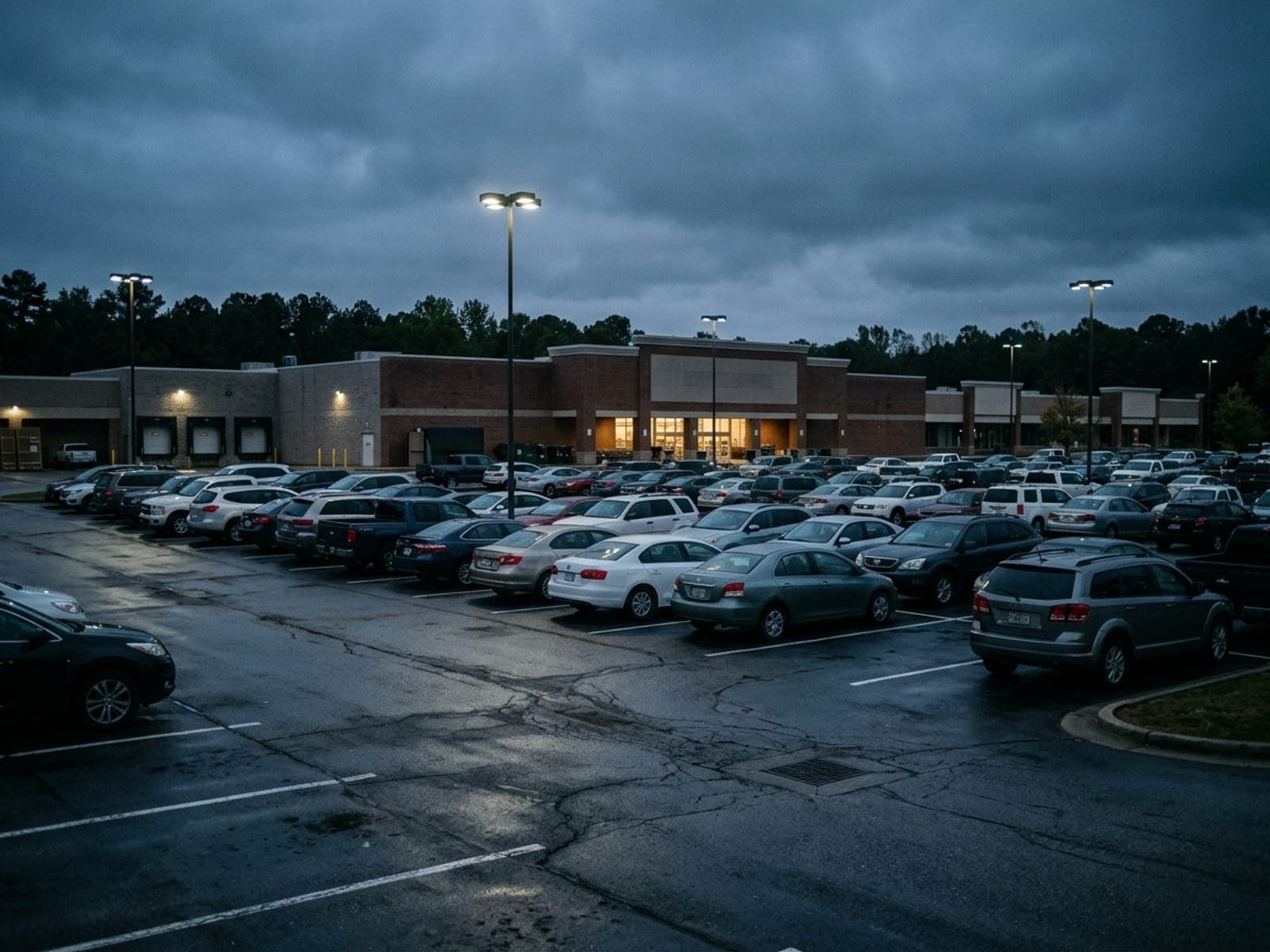
Unattended buildings
Sanctuary, rectory, and fellowship hall sit empty between events. Sound gear, instruments, and office electronics are easy to carry out of a rear door when no one is on site.
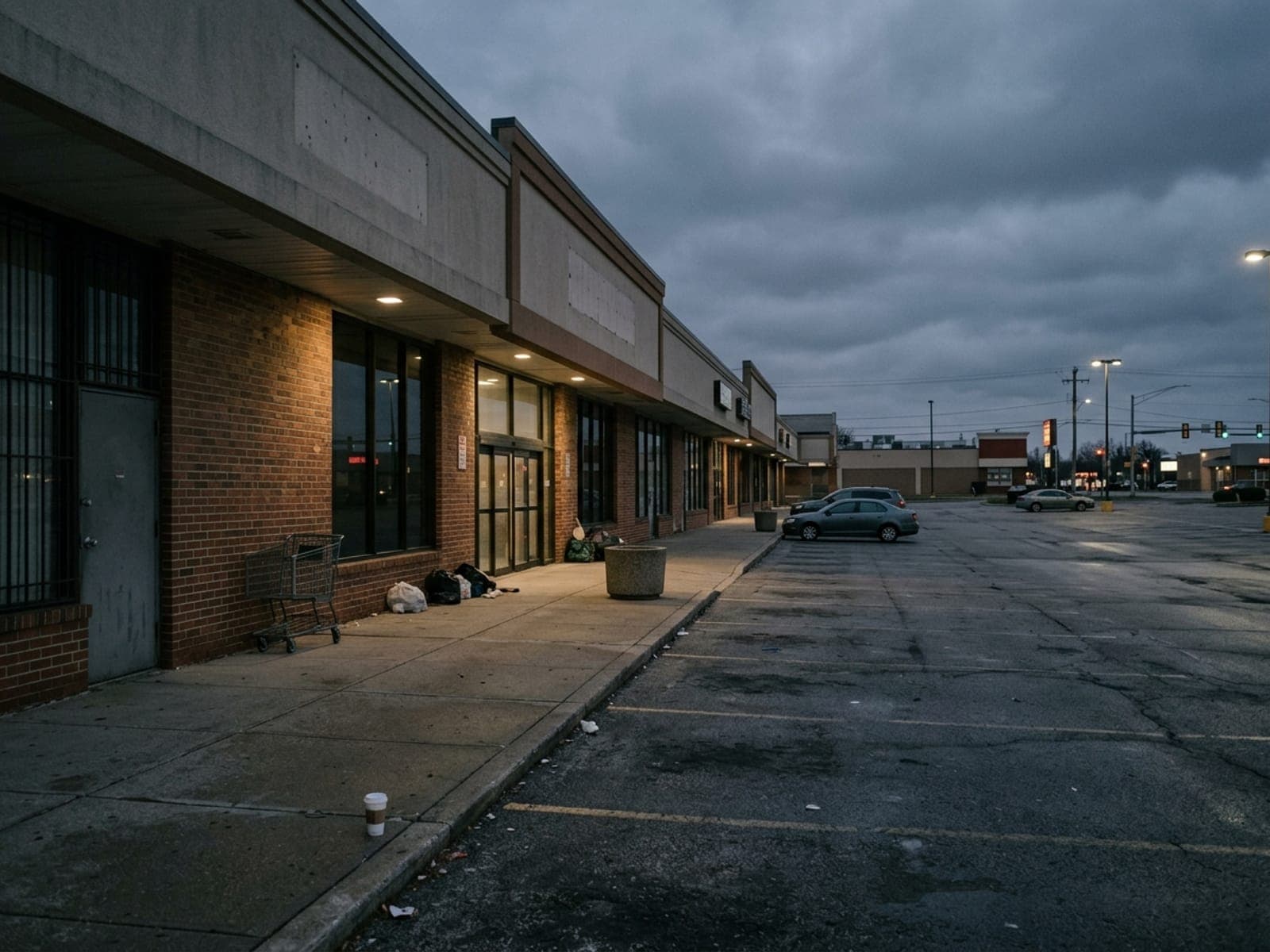
Vandalism and graffiti
Broken windows, damaged signs, and graffiti land on the church steps before the first service. A trailer on site helps deter it, and documents it when it happens.
Disruptions and lot safety
Sunday and midweek arrivals bring crowds, children crossing the lot, and the occasional disruptive visitor. Watching entrances and parking helps staff and ushers respond to verified problems.
Drop the trailer.
The SOC takes it from here.
One trailer watches the lot, the pantry door, and the back of the building. AI flags people and vehicles, an operator verifies, and police get video when it is real.
Eyes on the empty campus
all week long
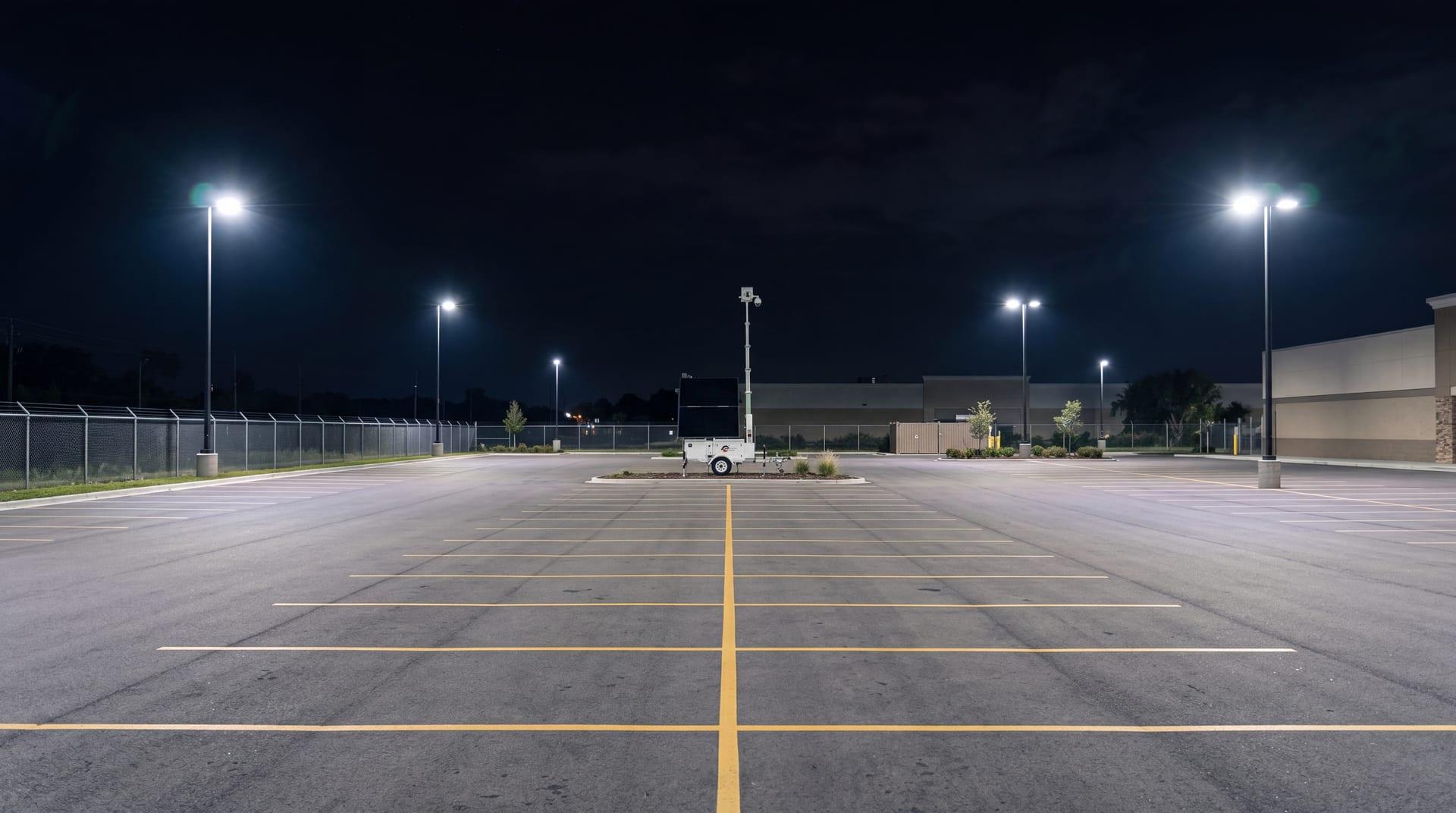
AI detection on people and vehicles runs through the night and on weekdays when the buildings are locked. Live operators verify before anyone is called, so the pastor is not woken by a stray cat or a passing headlight.
- Detects people and vehicles after hours
- Operator verifies each alert
- Video sent to police on verified events
- Quiet hours set around your schedule
 STEP 01
A voice that speaks
before damage is done
If someone is stripping copper or trying a rear door, the operator can speak directly through the trailer speakers. A calm, clear message that the property is watched often ends the visit before police arrive.
- Operator speaks through trailer speakers
- Tone set with your leadership
- Police called with live video
- Time-stamped clips for insurance
 STEP 02
Cover the lot and the
pantry door too
Food pantries, clothing closets, and playground lots draw traffic outside normal hours. One trailer can face the lot while still seeing the side door, with the plate recognition option available to log vehicles entering and leaving after hours.
- Parking lot and side-door coverage
- License plate recognition option
- Rented for seasons or events
- No wiring through church walls
 STEP 03
Every asset on site.
One platform.
Congregations use the same trailer in different ways across the year.
Parish campus with school wing
Place the unit where the sanctuary, school wing, and lot are all in view, and watch the whole campus from one position.
Food pantry and outreach nights
Cover arrivals and departures at pantry hours, and keep watching the stock and side door after volunteers go home.
Rural church with no neighbors
Isolated buildings with no passing traffic are easy targets for metal theft. A solar trailer needs no power or internet.
Building project or renovation
Protect tools, scaffolding, and materials during construction while the campus is still in use for services.
Holiday and special services
Rent coverage for Christmas, Easter, funerals, and large weddings, when parking is full and extra visitors arrive.
Playground and youth lot
Watch the lot and play area between events, so vandalism and after-hours visitors are noticed and recorded.
 MSU-A · FLAGSHIPAI DETECTION · LIVE TALK-DOWN · 4G LTE
The Mobile Surveillance Unit.
Built for this site.
A solar-powered trailer with a mast that goes up in under 20 minutes, AI cameras, speakers, and a cellular link. It needs no church power or internet and can be moved when the congregation's needs change.
From assessment
to covered.
No power hookup, trenching or internet is needed on site, so deployment is quick once the plan is agreed.
Site review
Share the address, layout and what you need covered. A specialist returns a coverage plan and quote.
Configuration
Camera views, detection zones, arming schedules and alert routing are set for your property.
Delivery and activation
The trailer is positioned and the mast raised. Monitoring starts with no trenching or electrical work.
Account support
Incident reports and periodic reviews, with the trailer moved or adjusted as your needs change.
Common questions.
Do we need to run power or internet to the trailer?
No. The trailer runs on solar panels and batteries and sends video over a cellular connection. It can sit in a parking lot, on a lawn, or behind the hall without any wiring through the church. Ask us about the best spot for sun and sightlines.
Can the trailer be used only when the church is empty?
Yes. Monitoring hours can be set around your service and event schedule, so alerts focus on the nights and weekdays when nobody should be on site, and not on a Sunday crowd. Share the calendar with us and the operators will know what activity is normal.
What can the operator actually do if someone is on the property?
The operator watches live video, speaks through the trailer speakers, and sends video to police when the event is verified. The operator cannot unlock doors or physically stop anyone, so we work alongside your volunteers, staff, or security partner, who handle anything that needs a person on the ground.
Is camera coverage a problem for worshippers or privacy?
Placement can point away from windows and focus on lots and entrances. Rules on recording and signage differ by location, so confirm with counsel or the local authority, and tell your congregation plainly what the trailer is for and who sees the video.
Can we rent a trailer for a short period?
Yes. Many churches rent for a holiday weekend, a construction project, or a season of vandalism, then return the unit. Purchase is also an option if the board wants long-term coverage. Ask us for the options that fit your budget cycle and your board's approval process.
Get a deployment plan for your churches site
Three fields. A deployment specialist replies with a coverage plan and timeline. Prefer to talk? Call (410) 401-1986
Secure your property this week.
Tell us about your campus, your service schedule, and where the building feels most exposed. We will suggest a trailer position and a coverage plan for your congregation.