
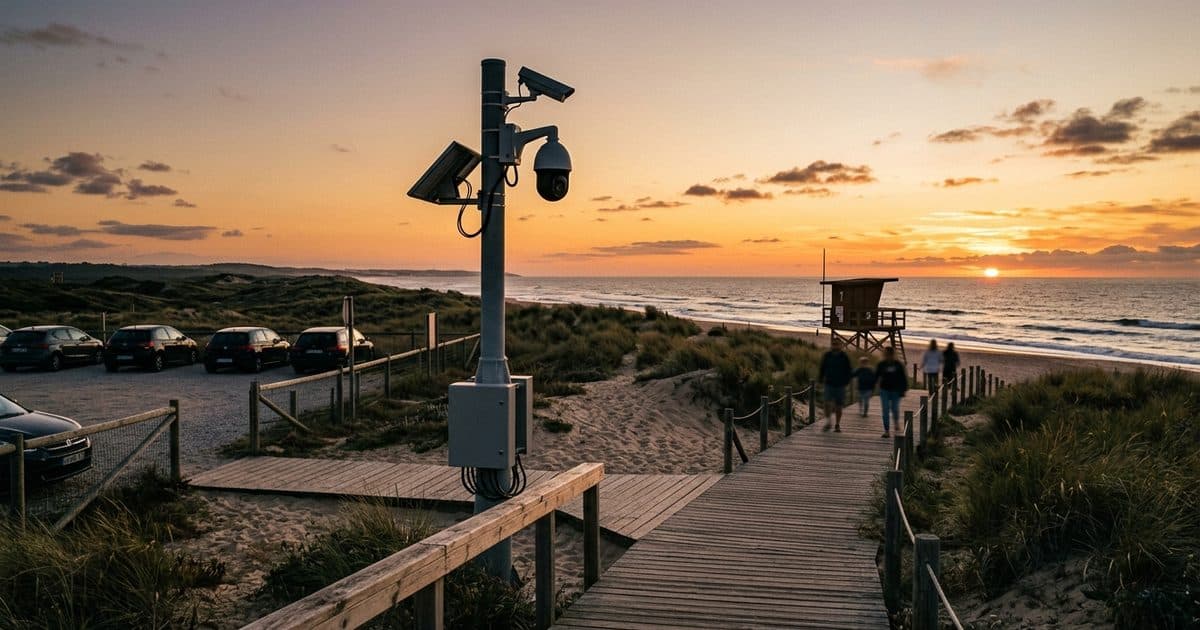
You can't fence the ocean.You can cover the access.
Beaches, boardwalks, and waterfront sites are open by design, unlit past the parking lot, and impossible to patrol after dark. Trespass, vandalism, illegal dumping, and after-hours activity happen with almost no friction. VDS stages solar-autonomous surveillance at the access points, lights the shoreline, and puts a live SOC operator on every alert — deterrence where a permanent camera pole was never an option.
Beaches, boardwalks, and waterfront parks are the rare properties whose entire purpose is unrestricted access — which means the day's openness carries straight into the night. After the crowds leave, the same accesses admit bonfires on protected dunes, vehicles on the sand, graffiti, and dumping along the access roads, while lifeguard towers, rental kiosks, and restroom buildings sit isolated and unlit until morning. For a municipality or park district, every one of those incidents lands on a public budget and a public reputation.
Enforcement on a shoreline runs into two walls. The first is geometry: the sand stretches on far past any patrol route, so even a responsive sweep restores order only for the moments it is present. The second is infrastructure: a permanent camera pole on the dune means coastal permitting, utility runs, and salt-air corrosion, and a conventional camera cannot see an unlit beach at all. What works is watching the handful of points where people and vehicles actually get onto the shore — and answering activity there as it happens rather than reading about it in a morning report.
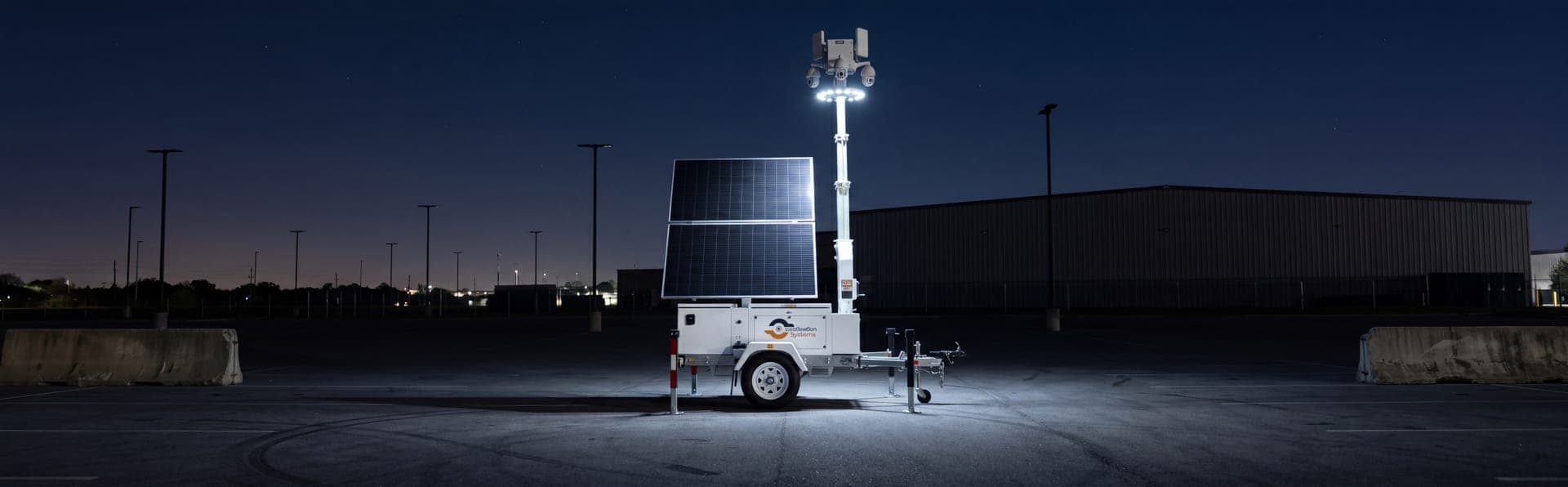
A solar-powered mobile surveillance unit stages on an existing parking apron at the access, raises its mast, and is watching the entry and the near shoreline with no trenching, no permanent structure, and no utility connection — with optional thermal imaging available where movement on dark sand needs to be seen. VDS staffs its SOC around the clock; operators verify each alert and speak directly to after-hours groups through the unit's speaker, which is frequently what ends the gathering, then escalate to law enforcement when it does not. When the season ends or the hot-spot migrates, the unit moves with it — flexibility that agencies searching for beach security cameras rarely find in fixed infrastructure.
Below, this page details the after-hours patterns coastal operators contend with — trespass, vandalism and dumping, structure break-ins, parking-lot crime — the access-point configuration VDS stages against them, outcomes reported from coastal deployments, and a FAQ on staging, salt exposure, seasonal relocation, and what happens when an alert fires.
Exposed sites.
High-value targets with no one watching.
Minimal staffing, sprawling ground, and valuable assets in the open — the conditions that turn a site into a soft target the moment everyone goes home.
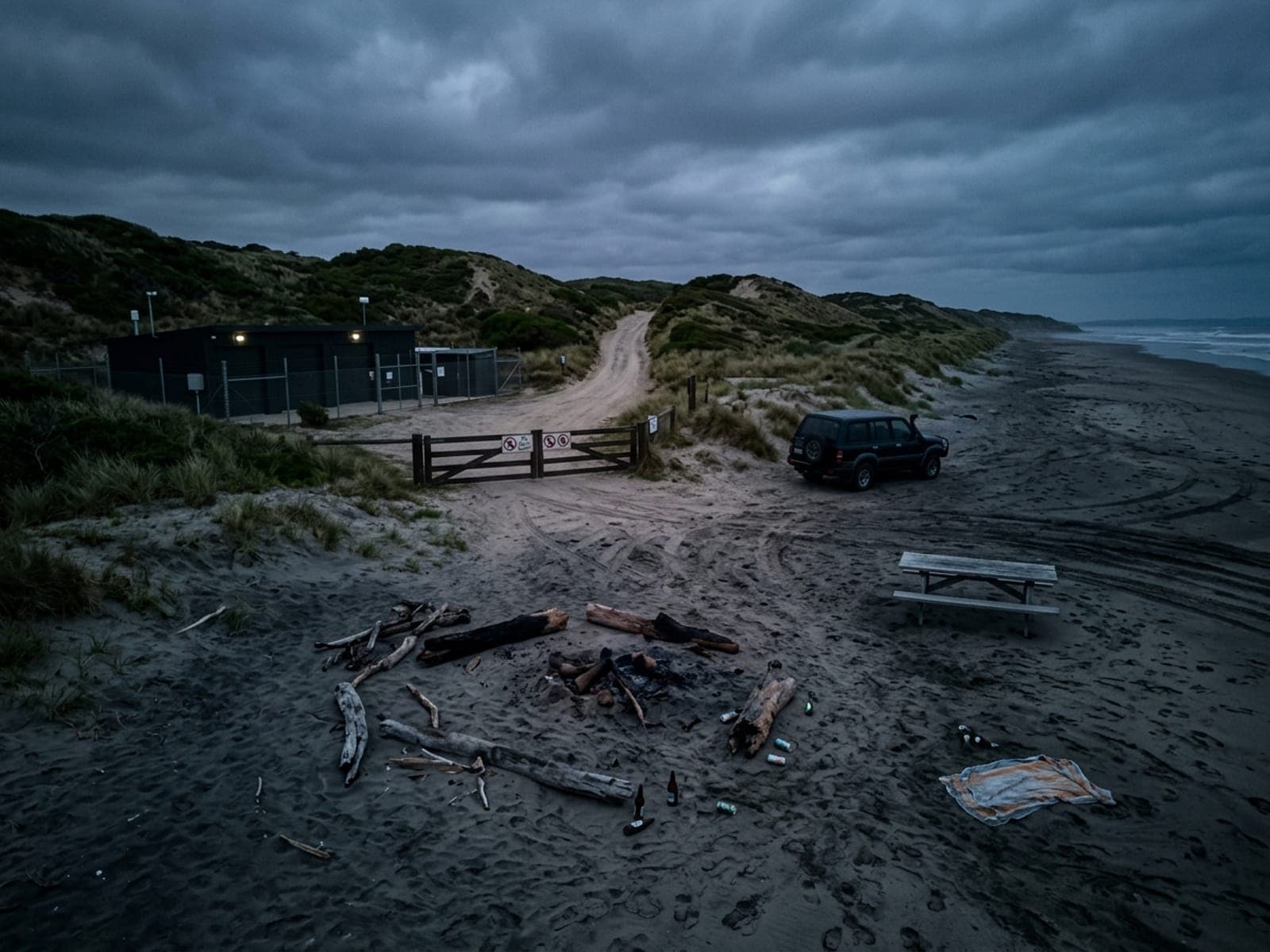
After-hours beach trespass
Bonfires, parties, alcohol, and vehicle access on protected dunes long after the beach closes — with no one there to see it.
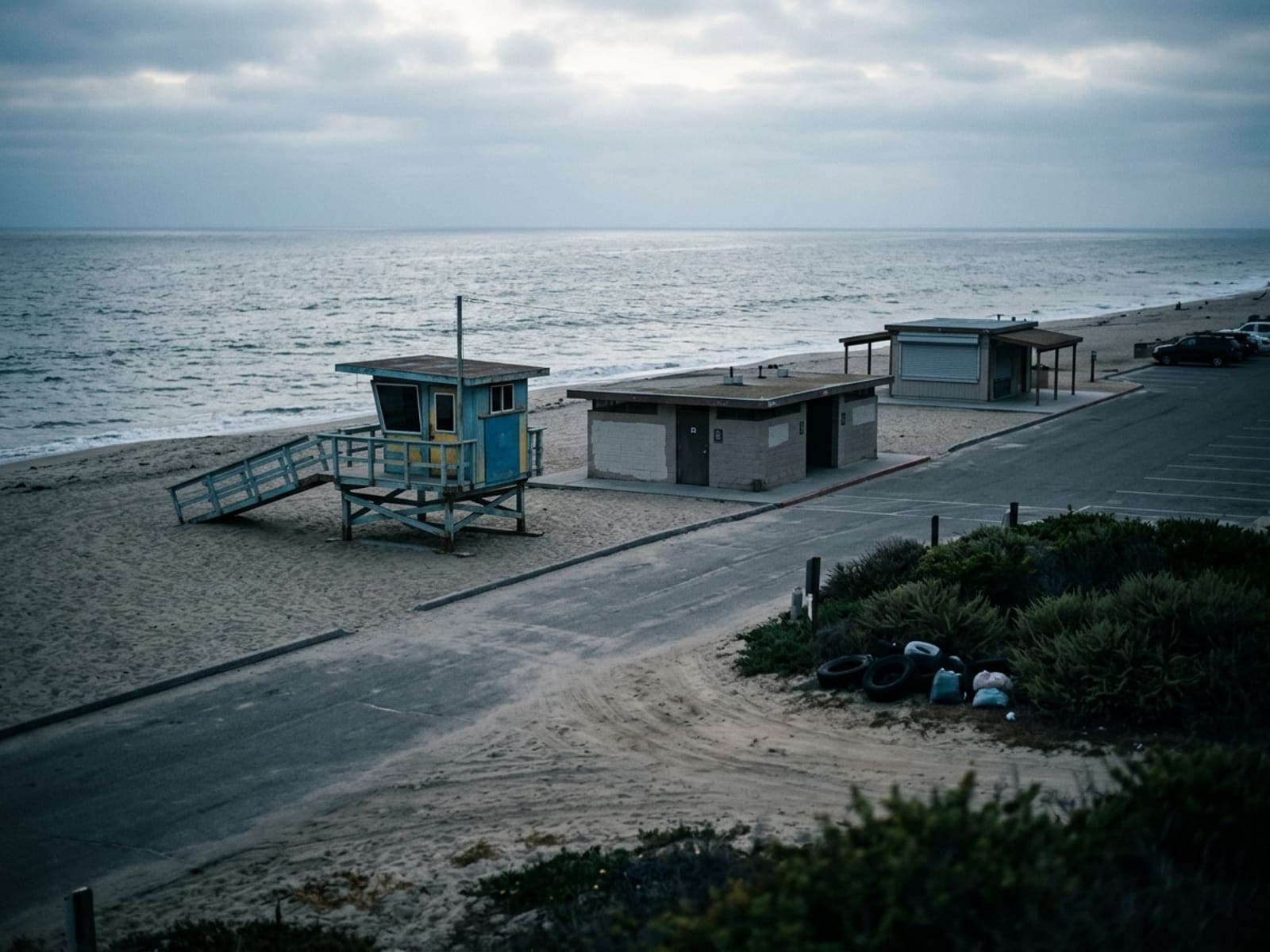
Vandalism and dumping
Graffiti and damage to lifeguard towers, restrooms, and concessions, plus illegal dumping along access roads and the shoreline.
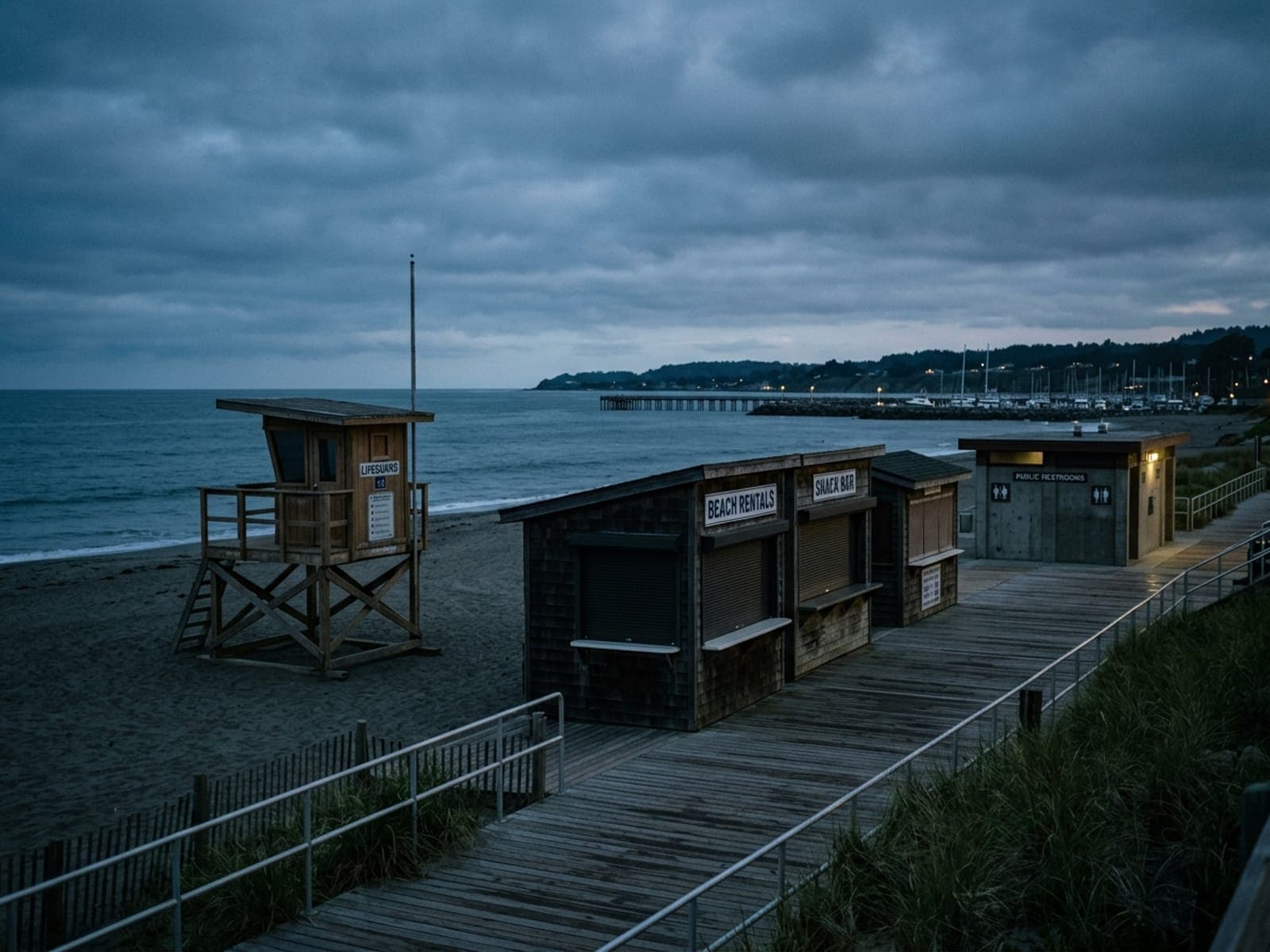
Break-ins to waterfront structures
Lifeguard towers, rental kiosks, boardwalk concessions, and restrooms sit empty and isolated overnight — recurring break-in targets.
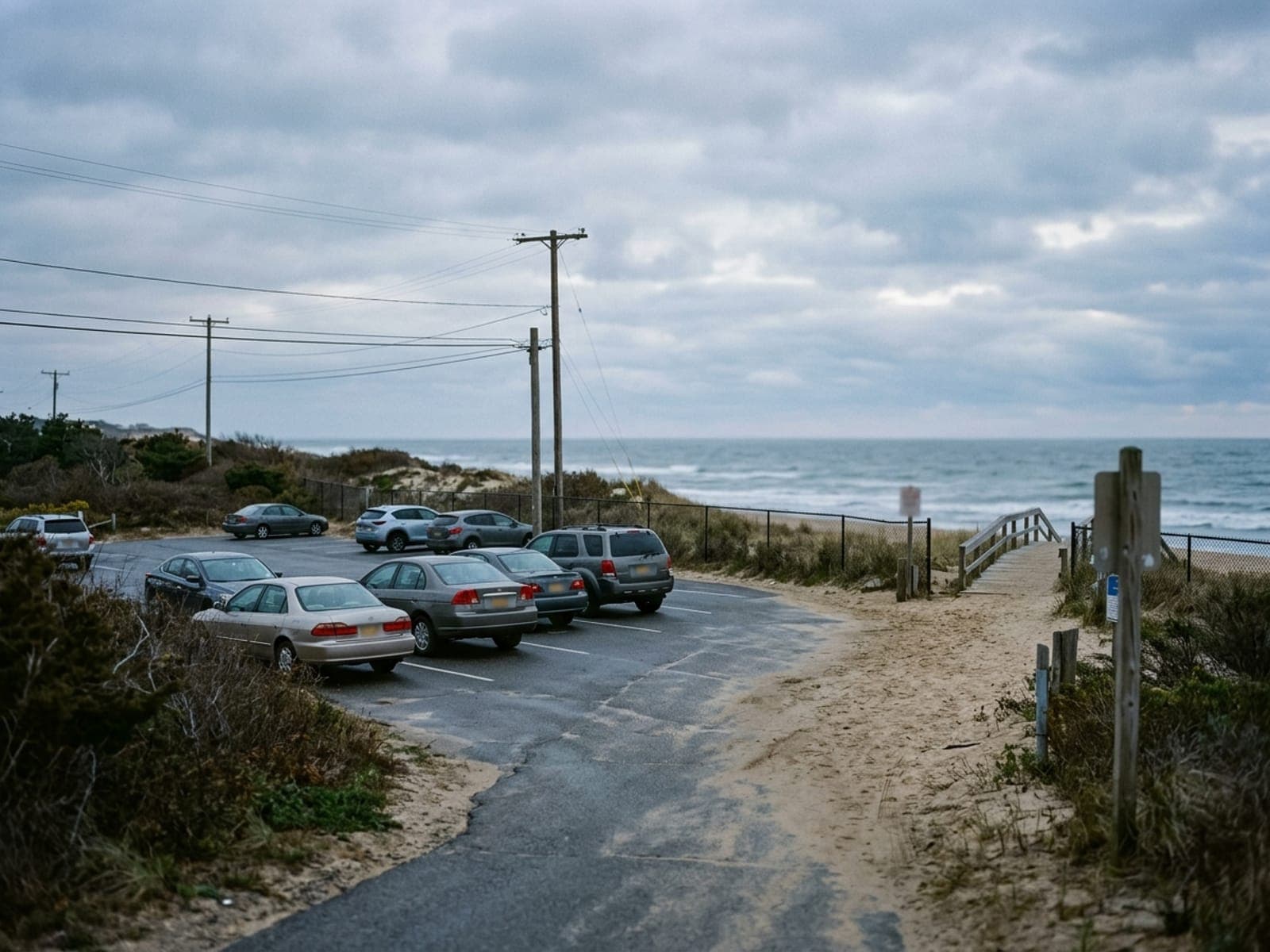
Parking-lot break-ins
Coastal parking and beach accesses concentrate vehicle break-ins targeting the belongings visitors leave behind.
Drop the trailer.
The SOC takes it from here.
Solar-autonomous surveillance with AI analytics and live SOC operators. No power, no internet, no staffed post required.
Cover the way in.
Not the whole coast.
The shoreline is effectively infinite; the ways onto it are not. A visible, lit MSU at the access road and parking establishes presence before anyone reaches the sand — and captures identification-quality footage of who entered.
- Coverage at entry roads and beach accesses
- AI human and vehicle classification
- Presence that moves problem activity elsewhere
- Identification-quality capture at the chokepoint
 STEP 01
See the dark shoreline.
Not just the lot.
Thermal and loitering analytics pick up movement along the beach in full dark, where a standard camera sees nothing — the difference between a real after-hours tool and a daylight-only camera.
- LWIR thermal detection in zero light
- Loitering and after-hours movement alerts
- Cuts through darkness, spray, and fog
- Evidence-grade recording for prosecution
 STEP 02
A voice on the beach.
In real time.
Every alert routes to a live SOC operator who verifies it and issues an audio warning through the unit's speaker — often enough on its own to disperse a group — then escalates to law enforcement with time-stamped footage.
- Live operator verification on every alert
- Real-time voice-down warnings
- Escalation to law enforcement with footage
- Documented record for insurance and compliance
 STEP 03
No trenching the dune.
No permanent pole.
Solar power and cellular mean coverage stages on an existing parking apron — no trenching, no permanent structure, no coastal-zone permitting battle. Deploy for the season or an event, then relocate.
- Solar-autonomous — no grid power
- Corrosion-resistant, salt-rated hardware
- No permanent structure on the shoreline
- Relocatable by season, event, or hot-spot
 STEP 04
Every asset on site.
One platform.
The MSU stages where the shoreline is actually accessed. Here are the coastal scenarios operators deploy for most often.
Public & municipal beaches
After-hours trespass, bonfire and alcohol violations, dune protection, and vehicle access on protected shoreline.
Boardwalks & piers
Concessions, rental kiosks, and structures that sit empty and exposed overnight.
Waterfront parks & lots
Beach-access parking where vehicle break-ins and dumping concentrate.
Lifeguard & facility buildings
Towers, restrooms, and maintenance buildings that are recurring break-in and graffiti targets.
Waterfront construction & restoration
Shoreline projects staging equipment on open pads with no permanent security.
Coastal events & regattas
Festivals and waterfront events where risk spikes for a defined weekend window.
Real operators.
Real numbers.
Every metric below comes from a real VDS coastal deployment. Names protected per agreement.
Customer-reported outcomes from VDS deployments. Results vary by site conditions, monitoring configuration, and response protocols. How we measure →
We fought the same after-hours crowd every summer. The trailer went up at the main access, the audio warnings cleared them out, and the beach was quiet by July.
 MSU-A · FLAGSHIPTHERMAL + SOC · COASTAL
The Mobile Surveillance Unit.
Built for the shoreline.
Salt-rated hardware, thermal night detection, and 24/7 SOC monitoring — staged at the access with no trenching, no permit fight, and no permanent pole on the dune.
From assessment
to covered.
Most coastal operators go from first conversation to a live unit at the main access inside 7 business days — and relocate it as the season shifts.
Site assessment
We review your accesses, parking, structures, and after-hours incident history, and confirm cellular signal at each staging point.
Sensor configuration
Camera presets, thermal zones along the shoreline, LPR at the access, and alert rules configured for your site.
Delivery & commissioning
Trailer staged at the access, mast raised, cameras calibrated. SOC monitoring begins immediately. No trenching or permanent structure.
Monitoring & relocation
Monthly incident reports delivered automatically. Unit relocates by season, event, or wherever the problem moves next.
Common questions.
How fast can VDS deploy at a coastal & waterfront site?
A mobile surveillance unit is live in under 20 minutes once it arrives — most coastal & waterfront sites go from first call to monitored coverage in days, not months. Most coastal operators go from first conversation to a live unit at the main access inside 7 business days — and relocate it as the season shifts.
Do the units need power or internet at the site?
No. VDS units are solar-autonomous with battery storage and connect over cellular (4G/5G), so there is no trenching, no generator refueling schedule, and no dependence on site IT. That is what makes them practical for sites where fixed infrastructure is missing or still under construction.
What happens when the system detects someone after hours?
AI detection classifies the event and filters routine motion before a person ever sees it. A SOC operator verifies the live feed, challenges intruders by voice through 120 dB speakers with strobes, and — when it escalates — dispatches police with live video of the scene.
Which coastal & waterfront security problems does monitored surveillance address?
The most common incidents at coastal & waterfront sites are after-hours beach trespass, vandalism and dumping, break-ins to waterfront structures, parking-lot break-ins — the same exposure areas covered in the sections above. Monitored coverage addresses them by making the site actively watched instead of just recorded.
Can VDS work alongside our existing guards or security partner?
Yes — that is the standard model. Monitored surveillance carries the perimeter and after-hours watch, so people — yours or your security partner's — handle verified incidents instead of standing watch over empty hours. The SOC can route verified alerts to your team, your guard provider, or police dispatch.
Cover the coast this season.
Tell us your accesses, your structures, and your worst after-hours window — we'll build the deterrence plan — fast.